
 EN
EN
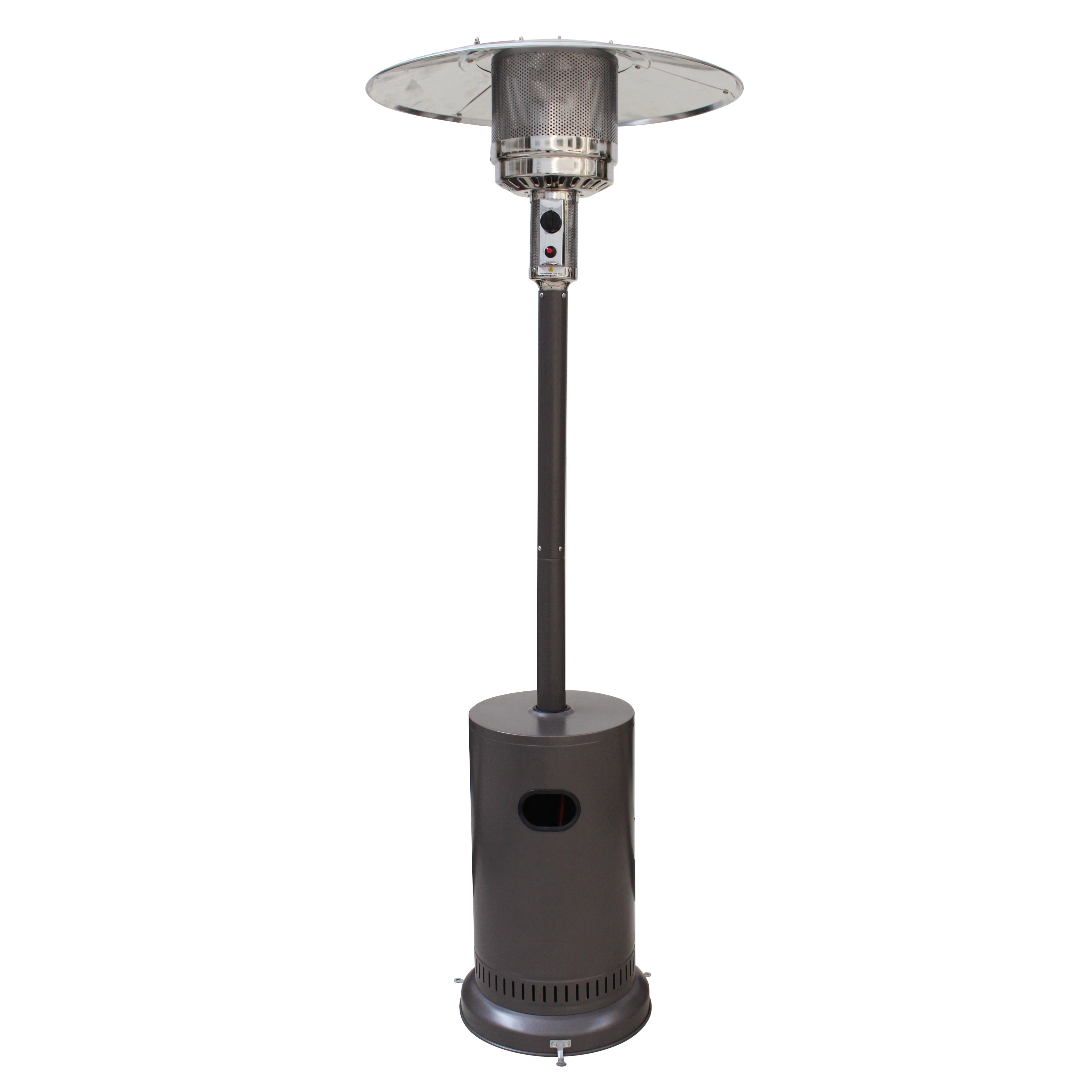
An outdoor patio heater has become an indispensable asset for commercial outdoor dining establishments seeking to maximize revenue and customer satisfaction throughout the year. Restaurant owners and hospitality managers face a critical business challenge: seasonal temperature fluctuations significantly reduce outdoor seating capacity and customer willingness to dine outside during cooler months. By investing in an outdoor patio heater, establishments can transform their outdoor spaces into comfortable, year-round destinations that attract diners regardless of weather conditions. The strategic deployment of heating solutions directly impacts customer experience, operational efficiency, and bottom-line profitability for commercial food service providers.
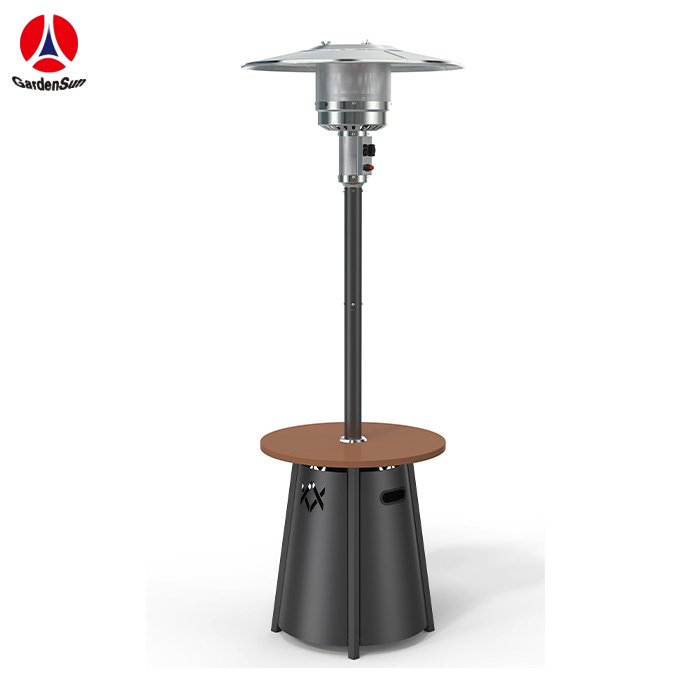
The business case for an outdoor patio heater extends beyond simple customer comfort. Commercial establishments with heated outdoor dining areas experience measurable increases in customer dwell time, order value, and repeat visits. When patrons feel warm and comfortable in an outdoor setting, they linger longer, order additional beverages and desserts, and recommend the venue to others. An outdoor patio heater essentially unlocks a previously underutilized revenue stream by extending the practical operating season from three to four months into a potential nine or ten-month season in most climates.
Revenue Impact and Seasonal Extension
Capturing Off-Season Revenue Opportunities
Commercial outdoor dining areas typically experience dramatic revenue fluctuations across seasons. Without proper heating infrastructure, an outdoor patio heater becomes the difference between profitable operations and seasonal closures. Restaurant operators report that deploying an outdoor patio heater during shoulder seasons, such as spring and fall, captures customer demand that would otherwise migrate to indoor competitors. The incremental revenue from extended outdoor seating often exceeds the operational costs of running heating equipment, creating a compelling financial justification for the investment. Establishments in temperate climates particularly benefit, as an outdoor patio heater allows them to serve guests comfortably during months when outdoor dining would otherwise be impractical.
Competitive Positioning in Local Markets
Hospitality venues lacking an outdoor patio heater face competitive disadvantages in markets where diners increasingly value outdoor experiences. Competitors with heated outdoor spaces attract customers seeking fresh-air dining without sacrificing comfort. An outdoor patio heater thus becomes a market differentiation tool, allowing establishments to capture share from venues relying solely on indoor capacity. The presence of visible heating equipment also signals operational sophistication and customer-centric thinking, enhancing brand perception and attracting design-conscious diners who value ambiance and thoughtful environmental control.
Customer Experience and Comfort Enhancement
Creating Inviting Outdoor Environments
Customer satisfaction directly correlates with environmental comfort levels. An outdoor patio heater eliminates the primary barrier preventing diners from choosing outdoor seating during cooler periods: temperature discomfort. Beyond the direct warmth provided, an outdoor patio heater creates psychological comfort by signaling that management prioritizes customer well-being. Research in hospitality settings demonstrates that patrons dining in heated outdoor spaces report higher satisfaction scores and spend more per visit compared to unheated alternatives. The ambient heat from an outdoor patio heater also extends social interaction time, as guests feel no pressure to rush through meals due to cold conditions.
Accessibility for Diverse Customer Preferences
Modern diners increasingly express strong preferences for outdoor dining experiences, citing health benefits, fresh air appeal, and escape from indoor crowd congestion, particularly post-pandemic. An outdoor patio heater removes age and health-related barriers that might otherwise prevent elderly patrons, individuals with respiratory sensitivities, or those with mobility considerations from accessing outdoor seating. Facilities equipped with an outdoor patio heater demonstrate inclusivity by accommodating diverse comfort requirements, expanding their addressable customer base and building loyalty among guests who appreciate thoughtful operational design.
Operational Efficiency and Cost Considerations
Energy Efficiency and Operating Economics
Modern outdoor patio heater technologies have evolved significantly, offering fuel-efficient options that minimize operational expense while delivering substantial warmth coverage. Natural gas and propane-based outdoor patio heater models provide cost-effective heat distribution across large seating areas without excessive energy consumption. Electric outdoor patio heater alternatives suit specific venue layouts and operational preferences. When evaluating an outdoor patio heater investment, facility managers should analyze heat output ratings, coverage area specifications, fuel consumption rates, and maintenance requirements to optimize operating economics. Strategic positioning of an outdoor patio heater maximizes efficiency by directing heat toward occupied seating zones rather than dispersing warmth across empty space.
Maintenance and Durability Considerations
Commercial-grade outdoor patio heater equipment designed for hospitality environments incorporates durable construction materials resistant to weather exposure and frequent use. Stainless steel, reinforced metal components, and weather-resistant finishes ensure an outdoor patio heater maintains functionality and appearance across multiple seasons. Regular maintenance protocols, such as seasonal inspections, fuel line checks, and cleaning procedures, minimize downtime and extend equipment lifespan significantly. Facilities investing in an outdoor patio heater should establish preventive maintenance schedules to ensure reliable performance during peak dining periods when heating demand is greatest.
Regulatory Compliance and Safety Standards
Meeting Building and Fire Codes
Commercial installations of an outdoor patio heater must comply with local building codes, fire safety regulations, and ventilation requirements specific to commercial food service establishments. Propane and natural gas-based outdoor patio heater systems require proper certification, clearance distances from structures, and ventilation considerations. Electric outdoor patio heater models offer simplified compliance advantages but may present installation challenges depending on existing infrastructure. Facility managers must consult with local authorities and qualified installers before deploying an outdoor patio heater to ensure regulatory adherence and customer safety protocols are properly implemented and documented.
Insurance and Liability Considerations
Commercial liability insurance policies often address outdoor heating equipment specifications and operational requirements. An outdoor patio heater meeting industry safety standards typically satisfies insurance underwriting requirements, potentially influencing premium calculations favorably. Establishments must maintain proper documentation of an outdoor patio heater's safety certifications, installation records, and maintenance logs to support insurance claims and demonstrate operational diligence. Transparent communication with insurance providers regarding outdoor patio heater deployment ensures comprehensive coverage and protects establishments against liability exposure.
FAQ
How much coverage does a typical outdoor patio heater provide?
Standard commercial outdoor patio heater units generate radiant heat effective across radius zones typically ranging from eight to fifteen feet, depending on equipment specifications, weather conditions, and ambient temperature. Multiple outdoor patio heater units positioned strategically across seating areas provide comprehensive coverage for larger venues. Heat distribution effectiveness depends on outdoor patio heater height, fuel type, and proximity to occupied seating zones.
What is the average cost to operate an outdoor patio heater commercially?
Operating costs for an outdoor patio heater vary based on fuel type, usage hours, and regional energy prices. Propane-based systems typically cost between three to eight dollars per operating hour, while natural gas outdoor patio heater options often cost one to three dollars per hour. Electric outdoor patio heater alternatives depend on local electricity rates and equipment wattage specifications. Most establishments recover outdoor patio heater operational expenses within one to two seasons through incremental revenue generation.
Can an outdoor patio heater operate during rain or windy conditions?
Commercial-grade outdoor patio heater equipment designed for hospitality use incorporates weather-resistant construction enabling operation during light rain and moderate wind. However, strong winds significantly reduce an outdoor patio heater's effectiveness by dispersing heat away from intended seating areas. Most facility operators position outdoor patio heater units with windbreak considerations and may suspend operation during severe weather to maintain customer safety and optimize heating efficiency.