
 EN
EN
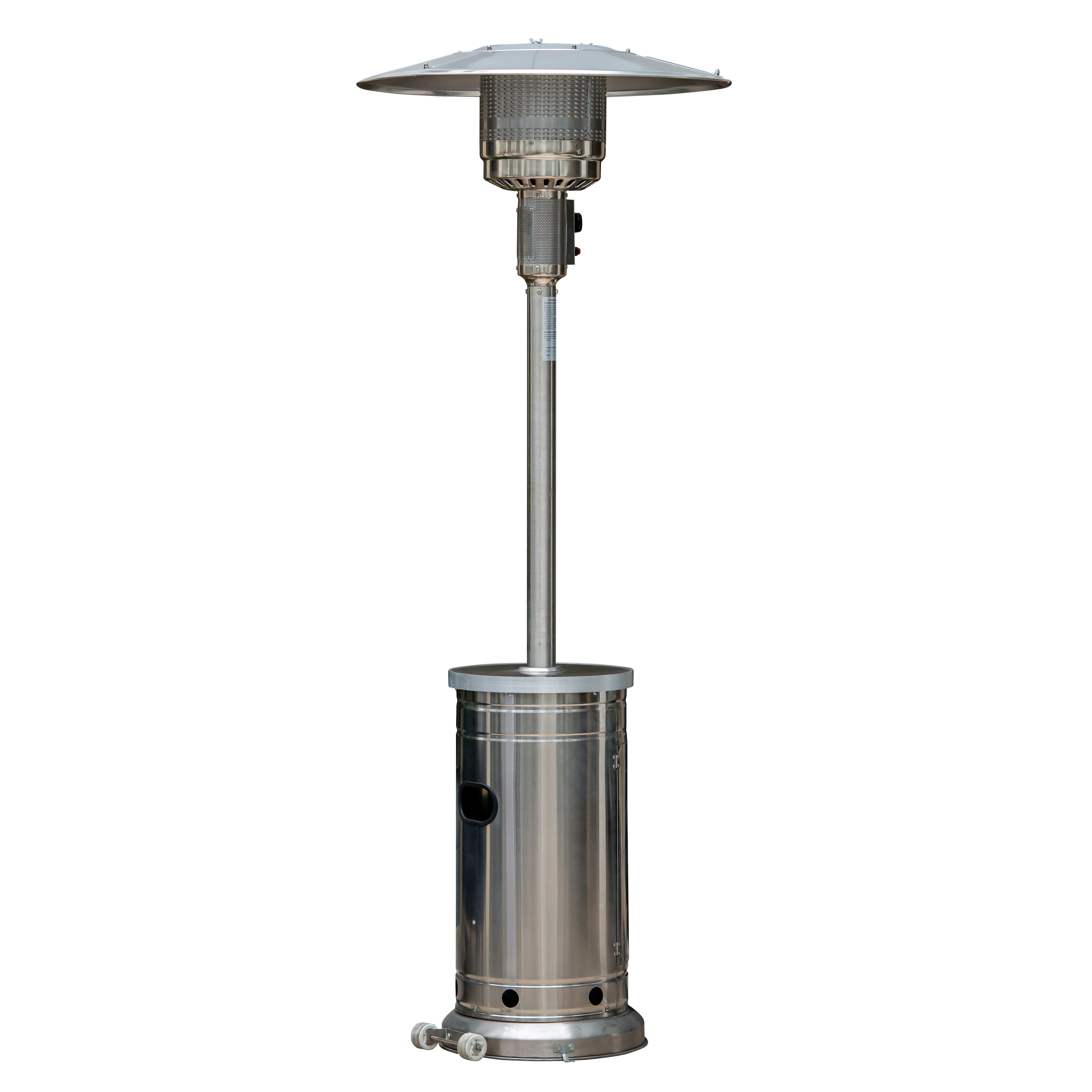
Restaurant owners and outdoor hospitality managers face a critical challenge: extending the usable season of patio dining spaces while maintaining comfort and controlling operational costs. A gas patio heater addresses this challenge directly by providing focused, efficient warmth to outdoor seating areas throughout cooler months. Unlike traditional heating methods that waste energy heating empty air, a gas patio heater delivers targeted radiant heat that guests feel immediately, making patios comfortable and inviting regardless of outside temperature. This targeted approach means a gas patio heater can reduce heating costs significantly compared to broader HVAC solutions while offering superior guest comfort and satisfaction.
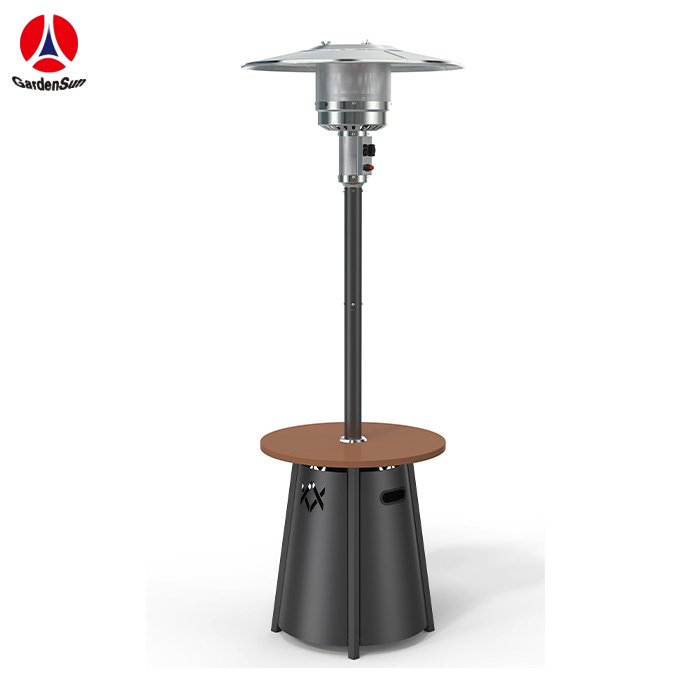
Understanding how a gas patio heater operates and why it excels in restaurant environments requires examining both the technology and the practical deployment considerations. When properly selected, installed, and maintained, a gas patio heater becomes one of the most cost-effective solutions for extending outdoor dining seasons and increasing patio revenue. This article explores the efficiency mechanisms of gas patio heaters, their applications in commercial restaurant settings, and the practical factors that determine whether this heating solution aligns with your specific operational needs.
How Gas Patio Heater Technology Delivers Efficient Heating
Radiant Heat Delivery and Energy Efficiency
A gas patio heater operates through infrared radiation technology that heats people and objects directly rather than warming the surrounding air. This fundamental difference in heating mechanism explains why a gas patio heater achieves superior efficiency compared to traditional forced-air systems. When a gas patio heater ignites, natural gas or propane burns in the heating element, producing infrared radiation that travels through the air without heating it significantly. The moment this radiant energy strikes a person, furniture, or shelter structure, it converts to warmth felt by guests. This means a gas patio heater heats what matters—the people dining—rather than wasting energy on empty space and air circulation.
The efficiency advantage of a gas patio heater becomes apparent when comparing heating delivered versus fuel consumed. A typical gas patio heater converts 85 to 90 percent of fuel energy into usable radiant heat, making it substantially more efficient than electric resistance heaters or outdoor space heaters that rely on air circulation. Because a gas patio heater focuses thermal energy in the direction of guests, restaurants can maintain comfortable temperatures in outdoor areas using less fuel than comparable heating alternatives. This efficiency translates directly to lower utility costs, faster payback periods, and improved profit margins on patio dining revenue. For establishments with limited outdoor square footage or seasonal weather challenges, this efficiency advantage often determines economic viability of patio operations.
BTU Output and Coverage Considerations
Every gas patio heater is rated by its British Thermal Unit (BTU) output, which measures the heating capacity delivered per hour. Understanding BTU ratings is essential because a gas patio heater with insufficient BTU output will fail to maintain guest comfort, while oversized units waste fuel and money. A typical commercial gas patio heater produces between 30,000 and 50,000 BTU per hour, though some high-capacity models exceed 100,000 BTU. The appropriate BTU rating for your specific restaurant patio depends on patio dimensions, insulation from wind, ambient temperature conditions, and desired comfort levels. A gas patio heater covering a 400-square-foot patio with moderate wind exposure typically requires 40,000 to 50,000 BTU to maintain 68 to 72 degrees Fahrenheit during cool evenings.
Fuel consumption rates correlate directly with BTU output, so selecting the right-sized gas patio heater prevents unnecessary fuel waste. A gas patio heater running at full capacity for four hours per evening uses significantly more propane or natural gas than a properly sized unit operating at 70 percent capacity. Many restaurant operators discover that deploying multiple smaller gas patio heater units rather than one large centralized heater provides better efficiency and flexibility. This distributed approach allows restaurants to heat only occupied sections during slow periods and activate additional gas patio heater units during peak dining times. The operational flexibility translates to reduced fuel consumption and precise climate management aligned with actual guest occupancy patterns.
Practical Installation and Operational Efficiency for Restaurants
Mounting Options and Heat Distribution Patterns
Commercial restaurants can deploy a gas patio heater using several mounting configurations, each affecting heating efficiency and guest comfort. Ceiling-mounted models distribute heat downward in a circular pattern, making them ideal for covered patios with permanent structure. A gas patio heater mounted this way heats a larger radius efficiently because the radiant energy has clear sight lines to guests below without interference from outdoor furniture or obstacles. Freestanding pedestal models position the heating element at approximately six feet height, suitable for open patios without overhead coverage. For restaurants seeking maximum flexibility, gas patio heater units on wheeled bases allow repositioning throughout the season to match changing wind patterns and seating arrangements.
The efficiency of any gas patio heater installation depends partly on site-specific variables including wind exposure, patio layout, and surrounding structures. A gas patio heater positioned in direct wind loses considerable heating efficiency as radiant energy disperses. Strategic placement of windbreaks, screens, or vegetation can reduce wind impact and improve gas patio heater performance by 15 to 25 percent without requiring additional fuel consumption. Similarly, arranging guest seating in proximity to the gas patio heater unit ensures maximum radiant energy utilization. Some restaurants use multiple smaller gas patio heater units positioned strategically around the patio perimeter rather than one centralized heater, achieving more even temperature distribution and guest satisfaction. This distributed approach also creates operational flexibility and improves safety by reducing any single unit's heat concentration.
Fuel Type Selection and Operating Cost Management
Restaurants choose between natural gas and propane for their gas patio heater systems, each offering distinct advantages in efficiency and cost structure. Natural gas-powered gas patio heater installations connect to existing restaurant utility lines, eliminating propane tank refills and reducing labor. When natural gas is available, many operators find it economically superior because utility rates often remain more stable than spot propane prices. However, not all patios have convenient natural gas line access, making propane-fueled gas patio heater alternatives necessary. Propane offers portability and independence from fixed utility infrastructure, beneficial for restaurants planning seasonal patio expansion or multi-location deployment of gas patio heater equipment.
Operating cost efficiency improves significantly when restaurants establish systematic maintenance protocols for their gas patio heater units. A well-maintained gas patio heater with clean burner ports, properly calibrated fuel-air mixture, and intact seals operates at peak thermal efficiency. Conversely, a gas patio heater with partial blockages or misaligned components wastes 10 to 15 percent more fuel while delivering inconsistent heating. Seasonal inspection before deploying gas patio heater units in fall, spring testing before summer use, and post-season cleaning all contribute to sustained efficiency. Restaurants managing multiple gas patio heater units benefit from detailed usage logs tracking daily operation hours, propane consumption, and seasonal trends. These records reveal which gas patio heater units perform efficiently and which may require maintenance or replacement, enabling data-driven decisions about equipment investment and operational costs.
Safety, Compliance, and Long-Term Efficiency Outcomes
Regulatory Requirements and Installation Standards
Proper installation of a gas patio heater ensures both safety and maximum efficiency throughout its operating life. Local building codes, fire safety regulations, and environmental standards govern how restaurants must install and operate gas patio heater equipment. Most jurisdictions require professional installation of any gas-fired heating equipment, including validation of gas line sizing, pressure regulation, ventilation adequacy, and clearance distances from combustible materials. A compliant gas patio heater installation meets these regulatory requirements while optimizing thermal efficiency. Non-compliant installations create safety hazards, potential liability, and enforcement action that disrupts restaurant operations. Professional installers familiar with local codes ensure your gas patio heater meets all standards while maximizing performance.
Insurance providers and liability carriers often specify requirements for gas patio heater installations as conditions of coverage. These requirements typically address clearance distances, maintenance documentation, safety shutoff systems, and regular inspection protocols. Restaurants that comply fully with insurance-mandated gas patio heater standards experience fewer claim denials and potentially lower premiums. Additionally, documented compliance with safety standards demonstrates responsible management to health inspectors and regulatory agencies. The modest investment in proper gas patio heater installation pays dividends through reduced insurance risk, regulatory approval, and operational peace of mind. Restaurants should view compliance not as a constraint but as a foundation enabling confident, efficient long-term use of gas patio heater technology.
Performance Monitoring and Efficiency Optimization
Restaurants that systematically monitor gas patio heater performance identify efficiency improvements and cost-saving opportunities over time. Simple metrics including fuel consumption per heating hour, guest comfort feedback, and seasonal usage patterns reveal whether the gas patio heater installation performs as designed. If a gas patio heater consumes noticeably more fuel during similar weather conditions compared to previous years, the unit may require maintenance or calibration. Conversely, improving efficiency trends suggest proper maintenance and optimization are working effectively. Some restaurants conduct quarterly efficiency audits of their gas patio heater systems, comparing actual performance to manufacturer specifications and identifying any degradation. This proactive approach prevents gradual performance decline that might go unnoticed until significantly affecting profitability.
Advanced gas patio heater models include thermostatic controls and variable output settings that optimize efficiency automatically. These features allow a gas patio heater to adjust fuel consumption based on ambient temperature and guest demand, reducing waste during mild weather and maintaining full output during cold nights. Older fixed-output gas patio heater units consume the same fuel regardless of conditions, missing opportunities for efficiency gains. When upgrading equipment, restaurants should consider gas patio heater models with electronic ignition, flame failure detection, and automated shutdown features. These innovations improve both efficiency and safety, justifying the higher initial investment through reduced long-term operating costs. Over a five to ten year equipment lifecycle, an efficient modern gas patio heater easily recovers premium purchase prices through accumulated fuel savings.
FAQ
What BTU output should a gas patio heater have for a 500-square-foot restaurant patio?
A gas patio heater for a 500-square-foot patio typically requires 50,000 to 75,000 BTU output to maintain comfortable temperatures during cool evenings. The exact sizing depends on wind exposure, ambient temperature range, desired comfort level, and patio insulation. Some restaurants divide this capacity into two or three smaller gas patio heater units rather than one large model, achieving better efficiency and operational flexibility.
How often does a gas patio heater require maintenance to stay efficient?
A gas patio heater should receive inspection before each heating season and cleaning every three to six months during active use. Professional maintenance includes checking gas pressure, inspecting burner condition, testing ignition and safety systems, and verifying all connections remain tight. Seasonal end-of-year maintenance includes thorough cleaning and dry storage to prevent corrosion. Following these protocols ensures a gas patio heater maintains peak efficiency and safety throughout its operational life.
Can a gas patio heater provide adequate heating for an outdoor patio during winter months?
A gas patio heater can provide adequate heating for patios during winter if properly sized and protected from wind. Complementary measures including windbreaks, outdoor furniture arrangement, and covering strategies improve performance significantly. During extreme cold or high-wind conditions, a gas patio heater alone may prove insufficient, but combining this solution with space heaters or temporary enclosures extends usability. Most restaurants find a properly specified gas patio heater makes patios comfortable during shoulder seasons and mild winter conditions.