
 EN
EN
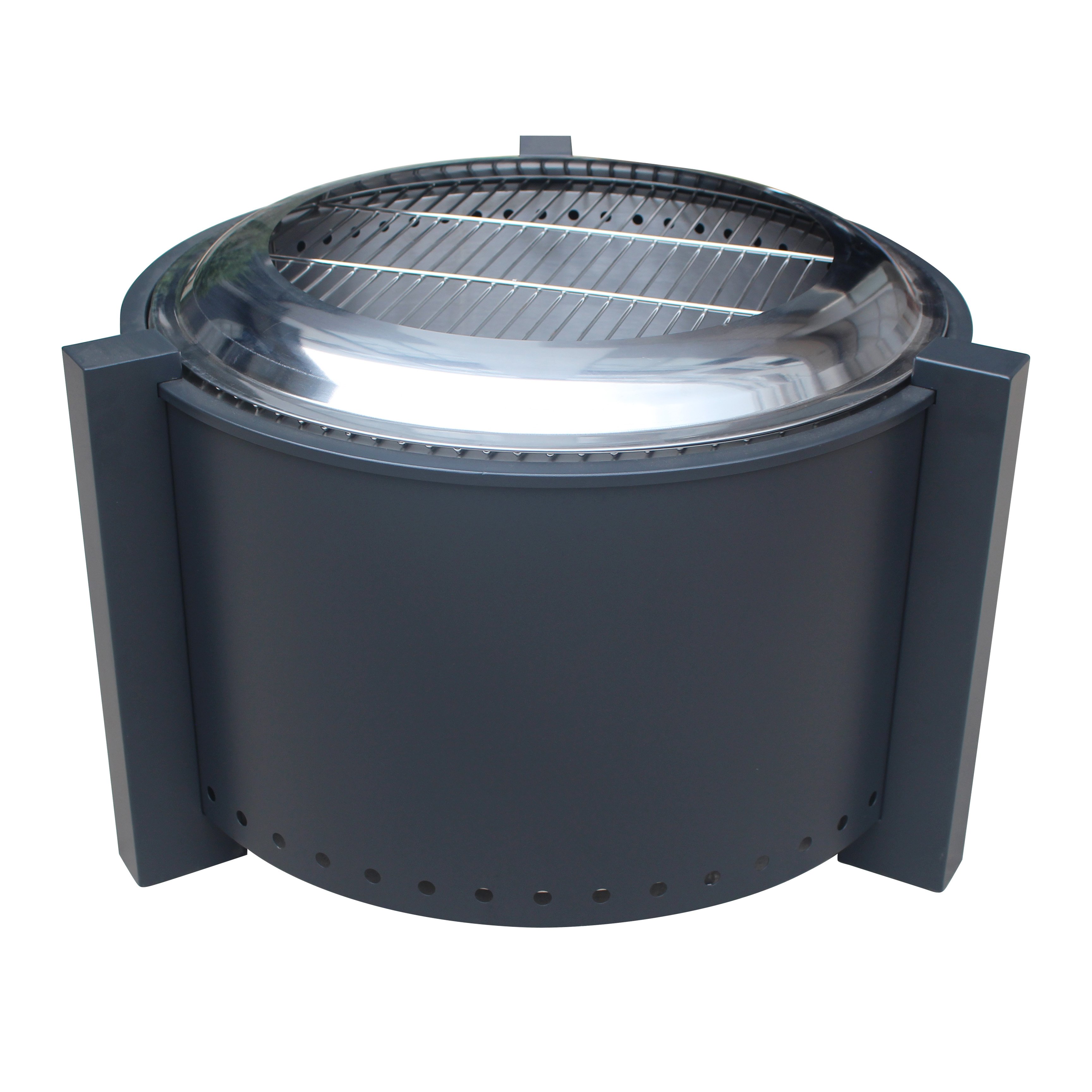
Selecting the right patio heater for hotel outdoor areas is a critical decision that directly impacts guest comfort, operational costs, and overall ambiance. Hotels operate outdoor dining spaces, lounges, and recreational areas year-round, which means the choice of patio heater equipment becomes essential for extending the usable season and maintaining guest satisfaction. Unlike residential applications, commercial patio heater systems must withstand frequent use, varying weather conditions, and high traffic while maintaining consistent performance and aesthetic appeal.
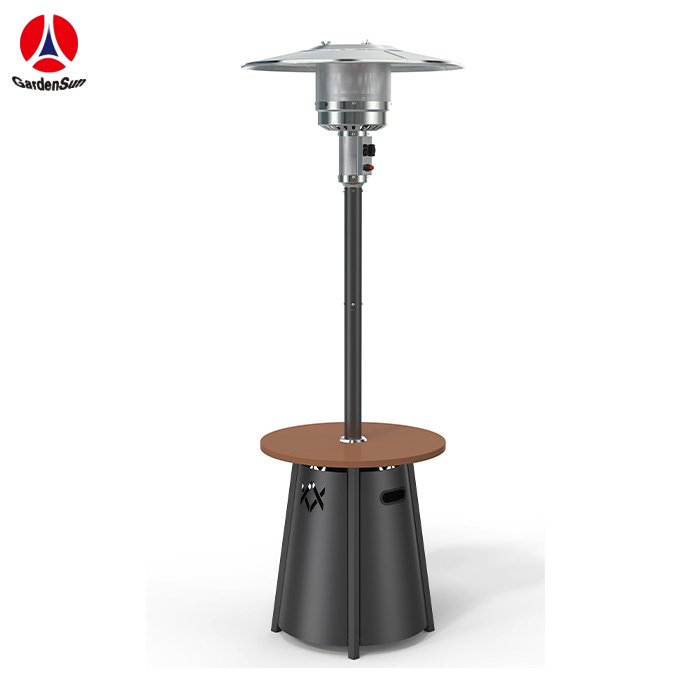
Hotels face unique challenges when investing in patio heater solutions. The right choice requires balancing multiple factors including heat output capacity, fuel type, maintenance demands, durability, installation complexity, and guest experience considerations. This guide explores the essential criteria hotels should evaluate to ensure their patio heater investment delivers both immediate comfort and long-term value.
Heating Capacity and Coverage Requirements
Assessing BTU Output for Outdoor Spaces
The heating capacity of a patio heater is measured in British Thermal Units (BTU), which directly determines how effectively the unit can warm an outdoor area. Hotels must calculate the total square footage of outdoor space requiring heating and match it with appropriate BTU output. A typical patio heater ranges from 10,000 to 50,000 BTU, but larger commercial installations may require multiple units or specialized high-output models. Hotels should account for open-air layouts where heat dispersal occurs naturally, requiring higher BTU ratings than enclosed spaces.
Zoning and Multiple Unit Strategy
Many hotels benefit from deploying multiple patio heater units rather than relying on a single large heater. This approach creates thermal zones within outdoor areas, allowing guests to choose their preferred warmth level and improving overall comfort distribution. A strategically placed patio heater in each seating area ensures consistent guest experience across the entire outdoor venue. Hotels can also adjust which patio heater units operate based on occupancy levels and weather conditions, optimizing energy consumption and operational efficiency throughout different seasons.
Fuel Type and Operating Efficiency
Propane Versus Natural Gas Considerations
The fuel choice for a patio heater significantly impacts operational costs, convenience, and performance. Propane-fueled models offer portability and require no fixed infrastructure, making them ideal for hotels with flexible outdoor layouts or temporary seasonal setups. However, propane tanks require regular refilling and monitoring, adding logistical complexity. Natural gas patio heater systems provide continuous fuel supply through existing infrastructure but require professional installation. Hotels must evaluate whether existing natural gas lines serve outdoor areas or if infrastructure investments are necessary.
Electric and Alternative Fuel Options
Electric patio heater models eliminate fuel storage concerns and provide clean, quiet operation suitable for upscale properties. The main limitation of electric patio heater systems is reduced heating efficiency in open-air environments compared to fuel-burning alternatives. Some hotels explore hybrid models combining electric convenience with propane backup capacity. The selection of any patio heater fuel type should align with hotel infrastructure, local utility availability, environmental policies, and guest expectations regarding sustainability and operational transparency.
Durability, Maintenance, and Aesthetic Integration
Material Quality and Weather Resistance
A commercial patio heater endures constant exposure to weather elements, making material durability paramount. Stainless steel construction offers superior corrosion resistance compared to painted steel, particularly in coastal or humid environments. The reflector housing and support structure of any patio heater must withstand wind loads, temperature fluctuations, and UV radiation without degradation. Hotels should prioritize patio heater models featuring marine-grade materials and comprehensive weather sealing. Quality construction directly influences the lifespan of the patio heater investment and reduces unexpected maintenance expenses.
Maintenance Requirements and Design Features
The operational design of a patio heater affects ongoing maintenance demands and total cost of ownership. Models with accessible components, simple cleaning procedures, and readily available replacement parts reduce service burden. A well-designed patio heater includes features like removable reflectors and protective covers that facilitate seasonal storage and regular upkeep. Hotels should verify that service technicians are readily available for their chosen patio heater brand and that replacement parts are reasonably priced. The aesthetic presentation of the patio heater matters equally, as it contributes to the outdoor space's visual appeal and guest perception of quality.
Installation and Space Considerations
Different patio heater designs require distinct installation approaches and space allocations. Freestanding patio heater models offer flexibility in placement and relocation, ideal for hotels that rearrange outdoor furniture seasonally. Ceiling-mounted or wall-mounted patio heater systems maximize floor space and provide unobstructed views but require permanent structural modifications. Hotels must assess whether their outdoor design supports the chosen patio heater mounting type and whether professional installation aligns with project timelines. Safety clearance requirements around any patio heater unit must comply with local fire codes and manufacturer specifications.
FAQ
How many patio heater units should a hotel install for a standard outdoor dining area?
Most hotels install one patio heater for every 50 to 75 square feet of outdoor seating area, depending on climate conditions and desired warmth levels. For a 500-square-foot outdoor dining space, hotels typically deploy six to ten patio heater units strategically positioned around seating clusters. Actual quantities vary based on the specific BTU output of each patio heater model, local weather patterns, and the hotel's guest comfort standards. Consulting with a heating specialist helps determine the optimal patio heater configuration for your venue's unique layout.
What is the typical lifespan of a commercial patio heater and when should replacement be considered?
A high-quality commercial patio heater typically lasts five to seven years with proper maintenance, though some models achieve ten years or more with meticulous care. Signs that a patio heater needs replacement include reduced heat output, visible rust or corrosion, fuel leaks, ignition difficulties, or damaged structural components. Hotels should track maintenance history and repair costs for each patio heater unit to make informed replacement decisions. Replacing an aging patio heater proactively prevents service interruptions during peak seasons and eliminates safety risks.
Are there energy efficiency differences between various patio heater types?
Yes, different patio heater technologies exhibit varying efficiency levels. Natural gas and propane patio heater models typically convert 85 to 90 percent of fuel into radiant heat, while electric patio heater systems achieve nearly 100 percent conversion but deliver less effective outdoor heating due to air dispersion. Infrared patio heater designs focus heat directly on objects and people, improving perceived warmth with less fuel consumption compared to traditional patio heater models. Hotels interested in energy efficiency should evaluate the specific heating mechanism and efficiency ratings of their chosen patio heater before purchase.