
 EN
EN
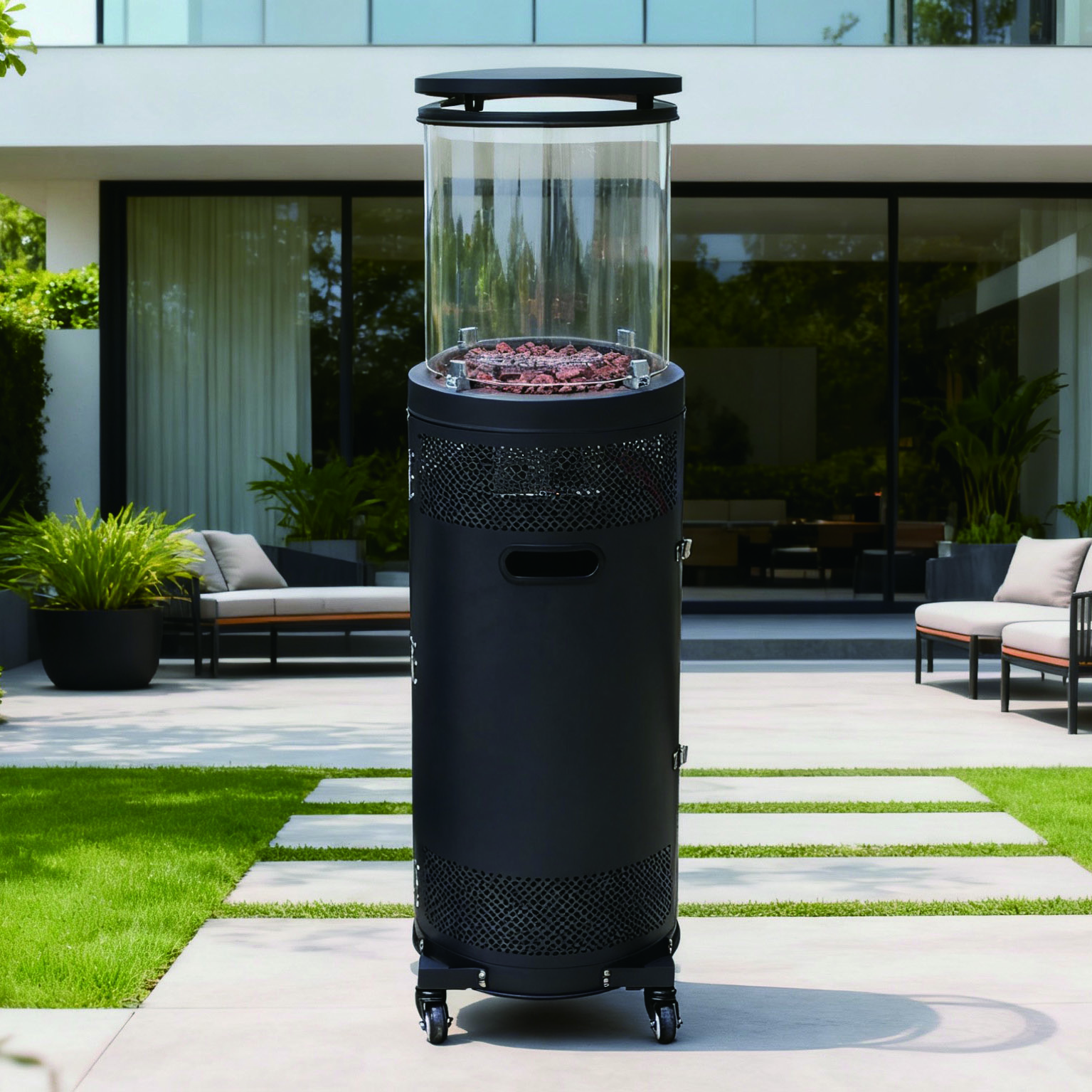
Outdoor restaurants face a significant challenge: seasonal revenue loss during colder months. Many establishments close their patio areas when temperatures drop, losing valuable seating capacity and customer revenue. A patio gas heater directly addresses this problem by enabling comfortable outdoor dining year-round. Installing a quality patio gas heater transforms a cold-season liability into a profitable operational extension, allowing restaurants to serve guests throughout fall, winter, and early spring.
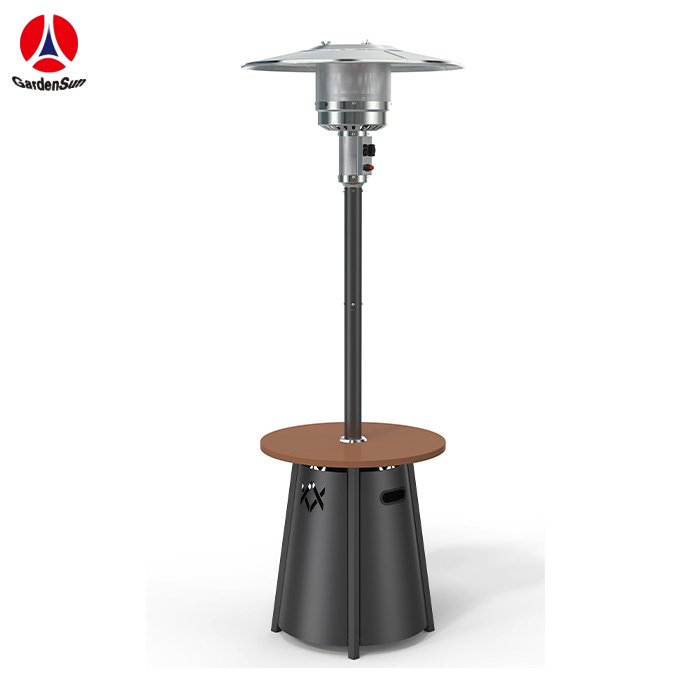
The economics of extending the operating season with a patio gas heater are compelling for restaurant operators. Fixed costs such as rent, utilities, and staff salaries continue whether patios remain open or closed. By investing in a patio gas heater, restaurants can reclaim unused outdoor space and convert it into additional revenue-generating capacity. The return on investment typically materializes within the first extended season, making a patio gas heater one of the most practical capital investments for seasonal businesses.
How a Patio Gas Heater Creates Comfortable Dining Conditions
Direct Heat Delivery and Guest Comfort
A patio gas heater operates by radiating infrared heat directly to guests and surrounding surfaces, rather than heating the air itself. This mechanism means a patio gas heater creates immediate comfort in outdoor settings, even when ambient temperatures are low. Guests seated near a patio gas heater experience warmth comparable to indoor dining, without requiring the space to be fully enclosed. This targeted heat approach allows a patio gas heater to function efficiently in partially open areas like covered patios, pergolas, and wind-protected outdoor spaces.
The effectiveness of a patio gas heater depends on placement, wind conditions, and unit size. A properly positioned patio gas heater can maintain comfortable temperatures within a 15-20 foot radius, making it ideal for restaurant patio layouts with multiple seating zones. Restaurant operators can strategically place several units to ensure consistent warmth across the entire outdoor dining area, maximizing the usable patio space and guest satisfaction throughout the cooler months.
Operational Control and Flexibility
A patio gas heater offers operators precise control over heating output, allowing them to adjust warmth levels based on weather, guest density, and energy efficiency goals. Modern patio gas heater models include adjustable flame controls, allowing staff to lower settings during mild weather and increase heat during harsh conditions. This flexibility ensures a patio gas heater operates cost-effectively while maintaining guest comfort standards. The ability to modulate a patio gas heater output prevents energy waste and reduces operational costs compared to fixed-output heating systems.
Revenue Extension and Seasonal Business Impact
Capturing Lost Revenue During Off-Season Months
Restaurants typically lose 25-40% of annual revenue during winter months due to reduced patio capacity. A patio gas heater recaptures this lost opportunity by making outdoor seating viable during colder periods. With a patio gas heater heating outdoor tables, restaurants can seat additional guests who might otherwise choose indoor competitors or avoid dining out entirely. The incremental revenue from extended patio operation directly offsets the installation and fuel costs of a patio gas heater while generating additional profit margin.
The psychological benefit of a patio gas heater extends beyond mere temperature control. Diners perceive patio seating as more desirable than indoor tables, especially for special occasions and group celebrations. A patio gas heater enables restaurants to market their outdoor spaces year-round, attracting guests seeking ambient dining experiences. The marketing value of a patio gas heater as a premium seating option further justifies its investment in competitive restaurant markets.
Extended Service Periods and Staffing Efficiency
Opening patio areas during cooler seasons with a patio gas heater extends staff scheduling options and improves overall labor utilization. Rather than laying off seasonal staff, restaurants can retain experienced employees through extended operational seasons enhanced by a patio gas heater. Improved staff continuity reduces training costs and maintains service quality consistency. A patio gas heater enables restaurant managers to optimize staffing schedules across multiple seasons, improving business stability and employee retention.
Installation, Maintenance, and Long-Term Considerations
Deployment Requirements and Safety Standards
Installing a patio gas heater requires attention to fuel supply infrastructure, placement clearances, and local safety regulations. Most commercial patio gas heater installations connect to existing propane systems or use portable propane tanks, with clear guidelines on tank placement and distance from structures. A patio gas heater must maintain adequate clearance from combustible materials, typically 10-15 feet, ensuring guest and staff safety. Restaurant operators should consult local fire codes and building regulations before deploying a patio gas heater to ensure full compliance.
Professional installation of a patio gas heater is strongly recommended for commercial settings, ensuring proper gas line connections, safety valve configurations, and operational verification. A certified installer ensures a patio gas heater meets commercial-grade performance standards and carries proper certifications. This professional approach minimizes liability risks and ensures a patio gas heater operates safely and efficiently throughout its service life, protecting both the business and its guests.
Fuel Consumption and Operating Economics
A patio gas heater typically consumes propane or natural gas proportional to heat output and operational duration. Most commercial patio gas heater units use 40,000-60,000 BTU per hour, translating to predictable fuel costs based on regional propane pricing. Restaurant operators should budget 3-5 propane refills per cooler season depending on heating frequency and outdoor temperature conditions. Understanding fuel consumption patterns for a patio gas heater allows managers to forecast heating costs and integrate them into operational budgets accurately.
Maintenance of a patio gas heater is minimal for commercial units designed for outdoor use. Seasonal inspections, burner cleaning, and safety valve checks ensure a patio gas heater operates reliably. Most patio gas heater units last 5-7 years with proper maintenance, providing stable long-term value. The durability and low maintenance profile of a patio gas heater make it a dependable investment for extending restaurant operating seasons predictably.
FAQ
Can a patio gas heater work in windy outdoor environments?
A patio gas heater functions effectively in moderate wind conditions, though performance diminishes with extreme wind speeds. Placing a patio gas heater in wind-protected locations, using outdoor structures like pergolas or barriers, and positioning units strategically maximizes heat retention. Most commercial patio gas heater installations incorporate wind-break planning to maintain consistent guest comfort during breezy weather.
How many patio gas heaters does a typical restaurant patio require?
The number of patio gas heater units depends on patio size, guest capacity, and desired comfort levels. A standard rule suggests one patio gas heater per 50-75 square feet of patio space. A 500-square-foot patio typically requires 7-10 patio gas heater units strategically distributed across dining zones. Consulting with heating professionals ensures optimal patio gas heater placement for your specific restaurant layout.
What is the typical payback period for investing in a patio gas heater system?
Most restaurants recover their patio gas heater investment within 1-2 extended seasons through incremental revenue generation. A patio gas heater enabling an additional 30 seats during cooler months generates substantial revenue increases that quickly offset initial purchase and installation costs. The financial return improves significantly in high-traffic restaurant markets where patio seating commands premium demand year-round.