
 EN
EN

Proper patio heater gas management stands as one of the most critical operational priorities for commercial venues. Whether you operate a restaurant terrace, hotel courtyard, bar patio, or event space, the way you handle patio heater gas directly impacts guest safety, operational efficiency, regulatory compliance, and long-term cost control. Many venue managers underestimate the complexity of patio heater gas systems, treating them as simple plug-and-play installations. In reality, effective patio heater gas management requires ongoing attention to safety protocols, fuel consumption patterns, maintenance schedules, and emergency procedures.
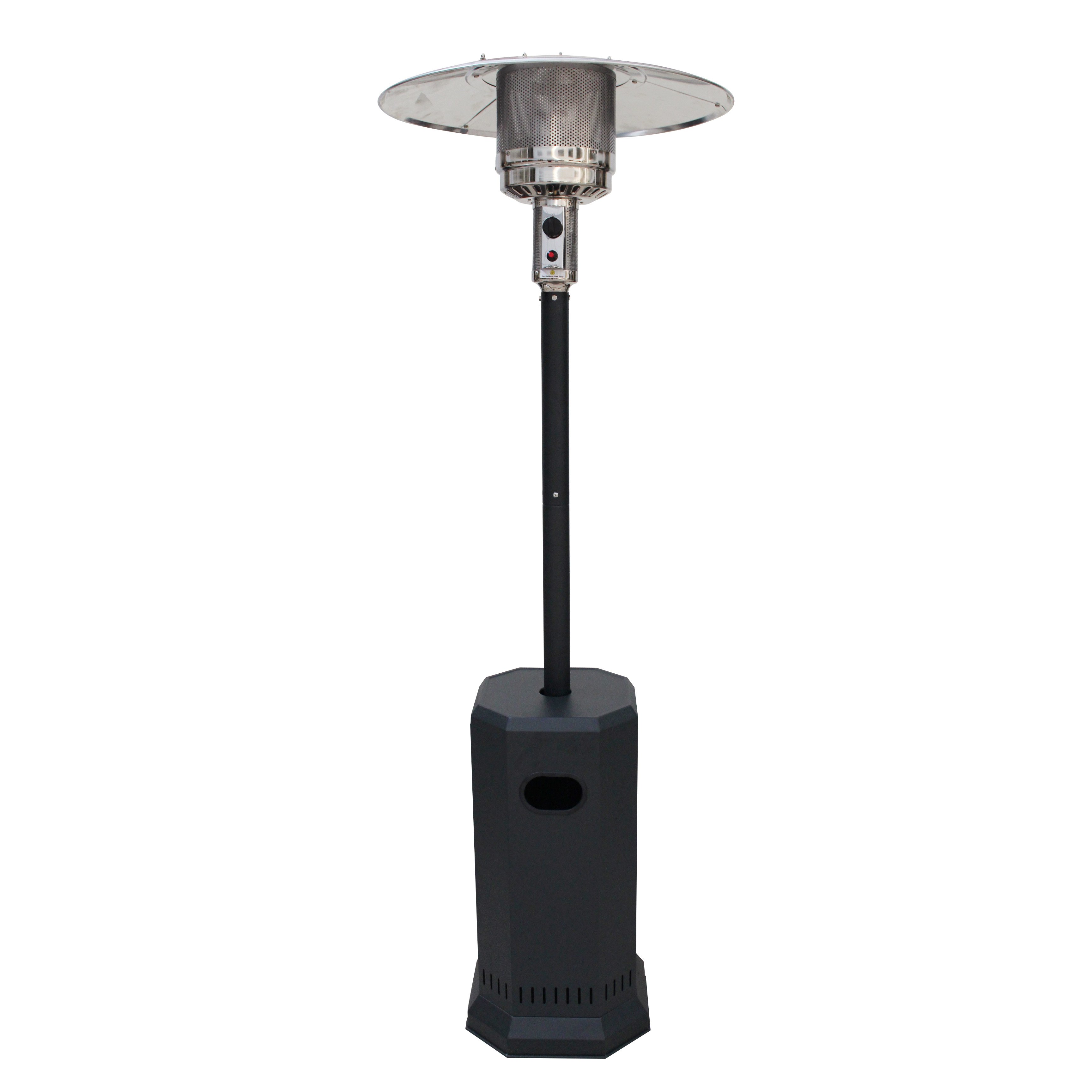
The stakes involved in managing patio heater gas extend beyond simple guest comfort. Improper handling can result in gas leaks, equipment failures, safety hazards, and costly shutdowns during peak business hours. Commercial venues face unique pressures: high guest density, extended outdoor operating seasons, multiple heater units running simultaneously, and the constant need to maintain both warmth and aesthetic appeal. Understanding why patio heater gas management matters is the foundation for building safer, more efficient outdoor spaces that enhance the customer experience while protecting your business from preventable risks.
Safety and Compliance Standards for Patio Heater Gas Systems
Gas Leak Prevention and Detection Protocols
Gas leaks represent the most serious risk associated with improperly managed patio heater gas systems. Venues must implement comprehensive inspection protocols that include visual checks for corrosion, loose connections, and damaged hoses. Staff handling patio heater gas equipment should be trained to recognize the characteristic rotten-egg smell that indicates propane presence, and all personnel must know the emergency shutdown procedures. Regular leak testing using soap solutions on connections can identify small leaks before they escalate into dangerous situations. When patio heater gas leaks occur undetected, they create both immediate safety hazards for guests and long-term liability exposure for the venue.
Regulatory Compliance and Certification Requirements
Different jurisdictions enforce varying codes for commercial patio heater gas installations and operations. Most regions require certification of patio heater gas equipment, proper labeling of controls, adequate clearance distances from structures, and professional inspection at regular intervals. Venue managers must verify that their patio heater gas systems comply with local fire codes, occupancy regulations, and utility provider standards. Failure to maintain compliance with patio heater gas regulations can result in fines, forced shutdowns, liability claims, and loss of operating permits. Professional inspections of patio heater gas systems typically occur annually, but high-traffic commercial venues often benefit from semi-annual checks to catch potential issues early.
Operational Efficiency and Cost Management
Fuel Consumption Optimization
Effective patio heater gas management directly influences operational costs, which can represent a significant expense during cooler months. Venues can optimize patio heater gas consumption by strategically positioning heaters to serve defined zones rather than attempting to heat entire outdoor areas uniformly. Scheduling patio heater gas operation based on weather conditions, guest occupancy patterns, and seasonal demand prevents waste during mild weather or low-occupancy periods. Modern patio heater gas units offer adjustable heat output settings, and experienced operators can fine-tune these to maintain comfort while minimizing fuel burn. Monitoring patio heater gas usage trends over time reveals seasonal patterns and helps with budgeting and resource allocation decisions.
Equipment Maintenance and Longevity
Properly managed patio heater gas systems experience fewer breakdowns and last significantly longer than neglected equipment. Maintenance routines for patio heater gas units should include regular cleaning of burner components, inspection of ignition systems, lubrication of moving parts, and protection from weather damage during off-seasons. When patio heater gas equipment operates with degraded components, fuel efficiency drops while the risk of malfunction increases. Preventive maintenance reduces emergency repairs, minimizes downtime during revenue-generating hours, and extends equipment lifespan by years. Venues that track maintenance history for each patio heater gas unit can predict replacement needs and budget proactively rather than facing unexpected capital expenses.
Staff Training and Operational Best Practices
Employee Knowledge and Safety Protocols
Staff members directly responsible for managing patio heater gas systems must receive formal training covering equipment operation, safety procedures, emergency response, and basic troubleshooting. This training ensures that all employees understand the specific characteristics of your venue's patio heater gas setup, including which units are in operation, where shut-off valves are located, and how to respond if problems arise. Well-trained staff can identify early warning signs of patio heater gas system issues before they become dangerous or costly. Regular refresher training keeps safety awareness high and ensures that best practices remain embedded in daily operations, particularly important as staff turnover occurs.
Documentation and Record-Keeping
Comprehensive records of all patio heater gas maintenance, inspections, repairs, and fuel deliveries create accountability and provide valuable historical data. Documentation of patio heater gas system performance helps identify recurring issues, track fuel consumption trends, and demonstrate compliance if regulatory inspections occur. When issues arise, clear records of prior patio heater gas maintenance help service technicians diagnose problems more quickly and efficiently. This documentation also protects venues legally by showing that proper care was taken if any safety incidents occur. Digital systems for tracking patio heater gas activities streamline record-keeping and make data analysis faster and more reliable.
Practical Implementation Strategies
Seasonal Preparation and Shutdown Procedures
Transition periods between heating seasons require careful attention to patio heater gas equipment. Before seasonal startup, all patio heater gas units should receive thorough inspection, cleaning, and testing to ensure safe operation. At season's end, proper shutdown of patio heater gas systems—including disconnection of fuel supplies and weatherproofing of equipment—prevents off-season deterioration. Venues in regions with extreme climate variations must pay particular attention to protecting patio heater gas equipment from freeze-thaw damage, rust, and corrosion. Establishing standardized patio heater gas seasonal protocols ensures consistency and prevents oversights that could compromise equipment integrity or safety.
Emergency Response and Contingency Planning
Every commercial venue should develop an emergency response plan specifically addressing patio heater gas-related incidents. Staff must know how to immediately shut down patio heater gas systems, evacuate the affected area, and notify emergency services if necessary. Having readily accessible emergency contact information for patio heater gas service providers ensures rapid response to equipment failures during operating hours. Testing emergency procedures periodically verifies that staff remember protocols and that equipment shutoff mechanisms function reliably. Venues that prepare for worst-case scenarios involving patio heater gas problems experience faster recovery and minimize harm to guests and business operations.
FAQ
How often should commercial patio heater gas systems be inspected by professionals?
Most jurisdictions require annual professional inspection of commercial patio heater gas systems, though high-traffic venues operating year-round may benefit from semi-annual inspections. The frequency depends on local regulations, equipment age, usage intensity, and environmental conditions. Venues should consult their local fire marshal or utility provider to determine the specific patio heater gas inspection requirements for their jurisdiction and comply accordingly.
What signs indicate that a patio heater gas system needs immediate attention?
Warning signs that your patio heater gas system requires urgent attention include unusual odors, visible rust or corrosion on connections, inconsistent heat output, difficulty igniting the heaters, or hissing sounds near the equipment. Any suspected patio heater gas leak should trigger immediate shutdown and professional evaluation. Never ignore these indicators, as they may signal safety hazards or equipment failures that could injure guests or cause operational disruption.
Can venue staff perform routine maintenance on patio heater gas equipment?
Staff can perform basic visual inspections and cleaning of patio heater gas equipment, but major repairs, component replacement, and pressure testing should only be handled by certified technicians. Improper maintenance of patio heater gas systems can create safety hazards and void equipment warranties. Venues should establish clear guidelines about which patio heater gas maintenance tasks staff can safely perform and which require professional service to balance operational efficiency with safety and compliance.