
 EN
EN
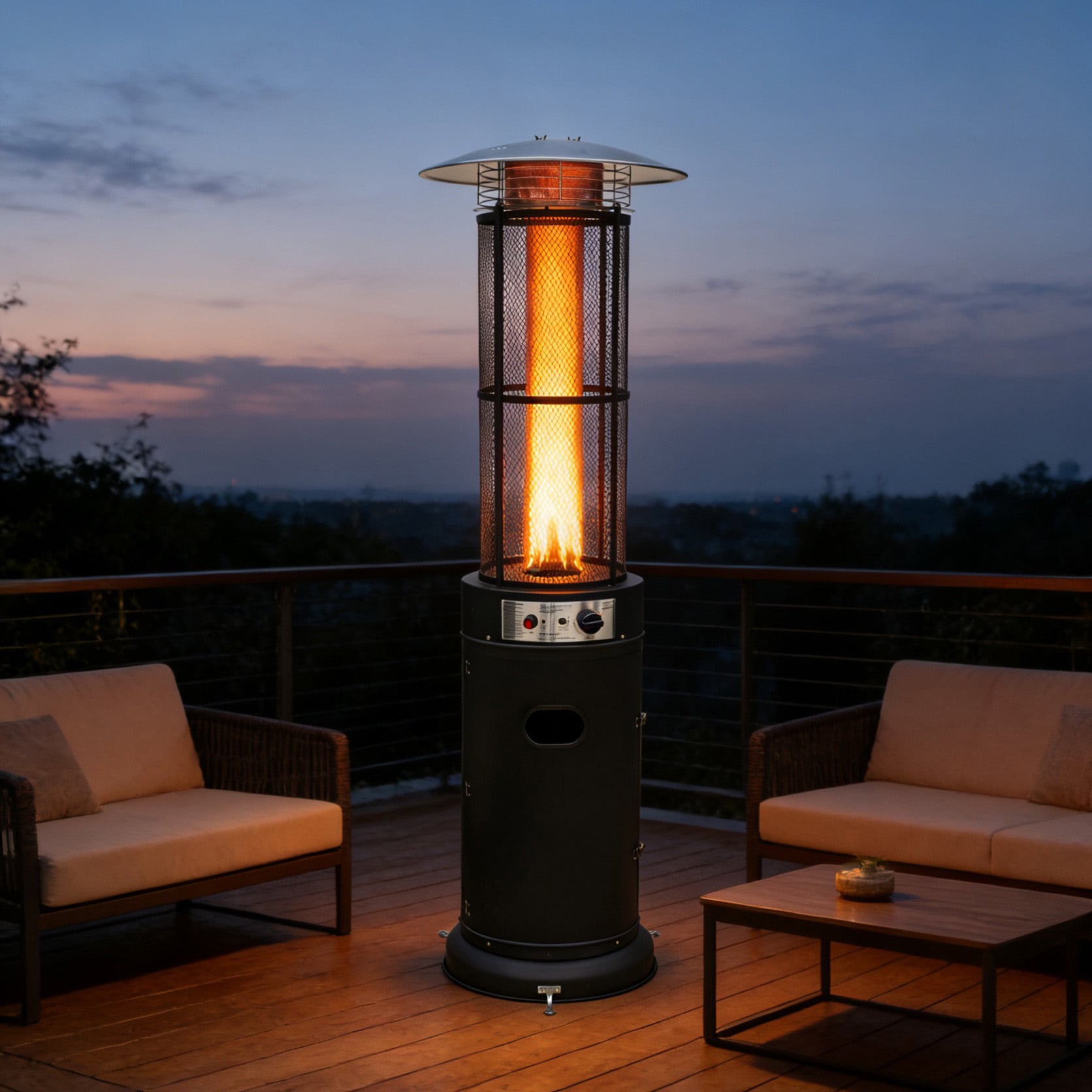
Hospitality businesses face unique heating challenges, particularly when serving guests in outdoor dining and lounge areas. A well-designed patio heater gas system can transform these spaces into comfortable, inviting environments year-round, extending the usable season and enhancing guest satisfaction. The right patio heater gas setup balances operational efficiency, guest comfort, and cost management—critical factors for hospitality operators managing tight margins while maintaining premium experiences.
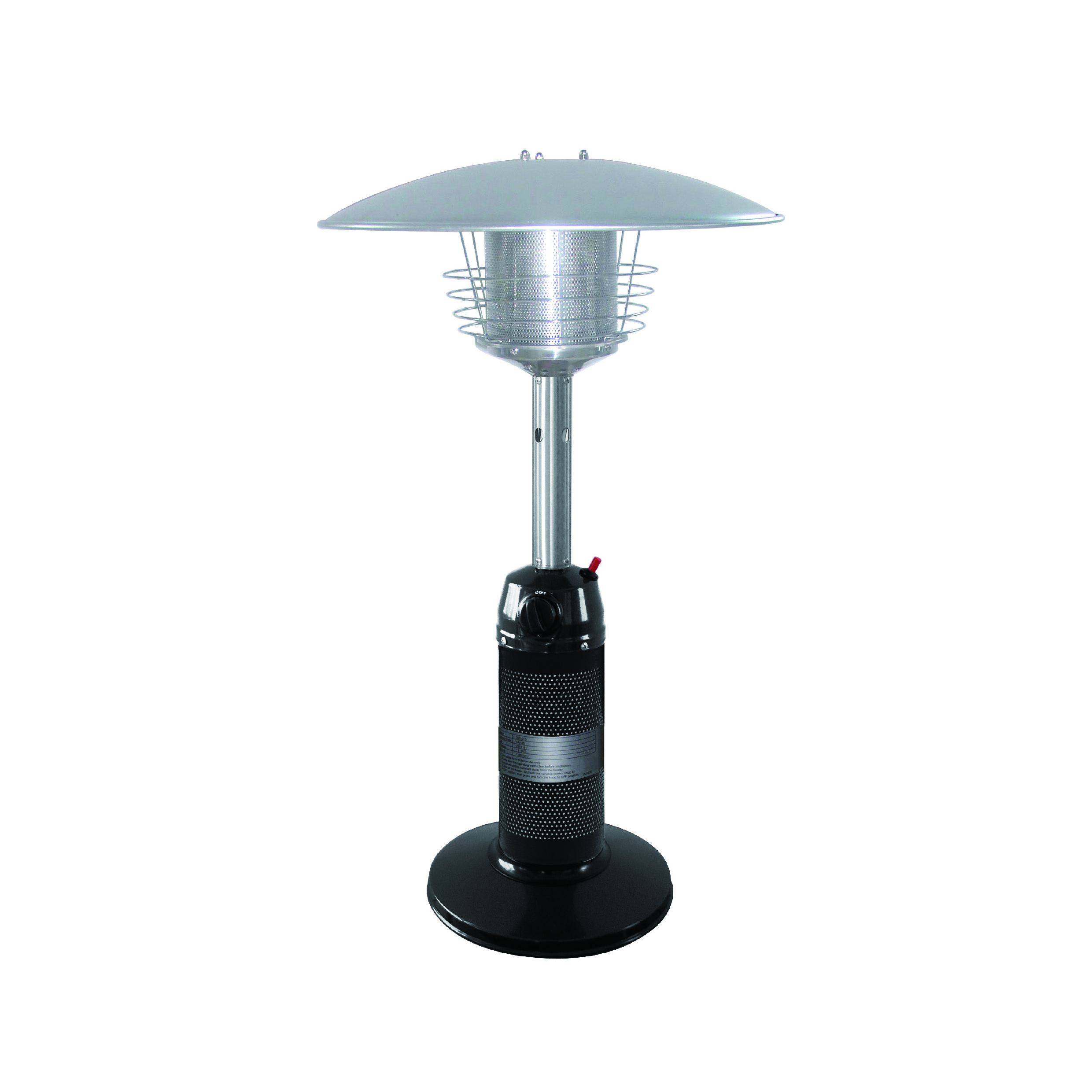
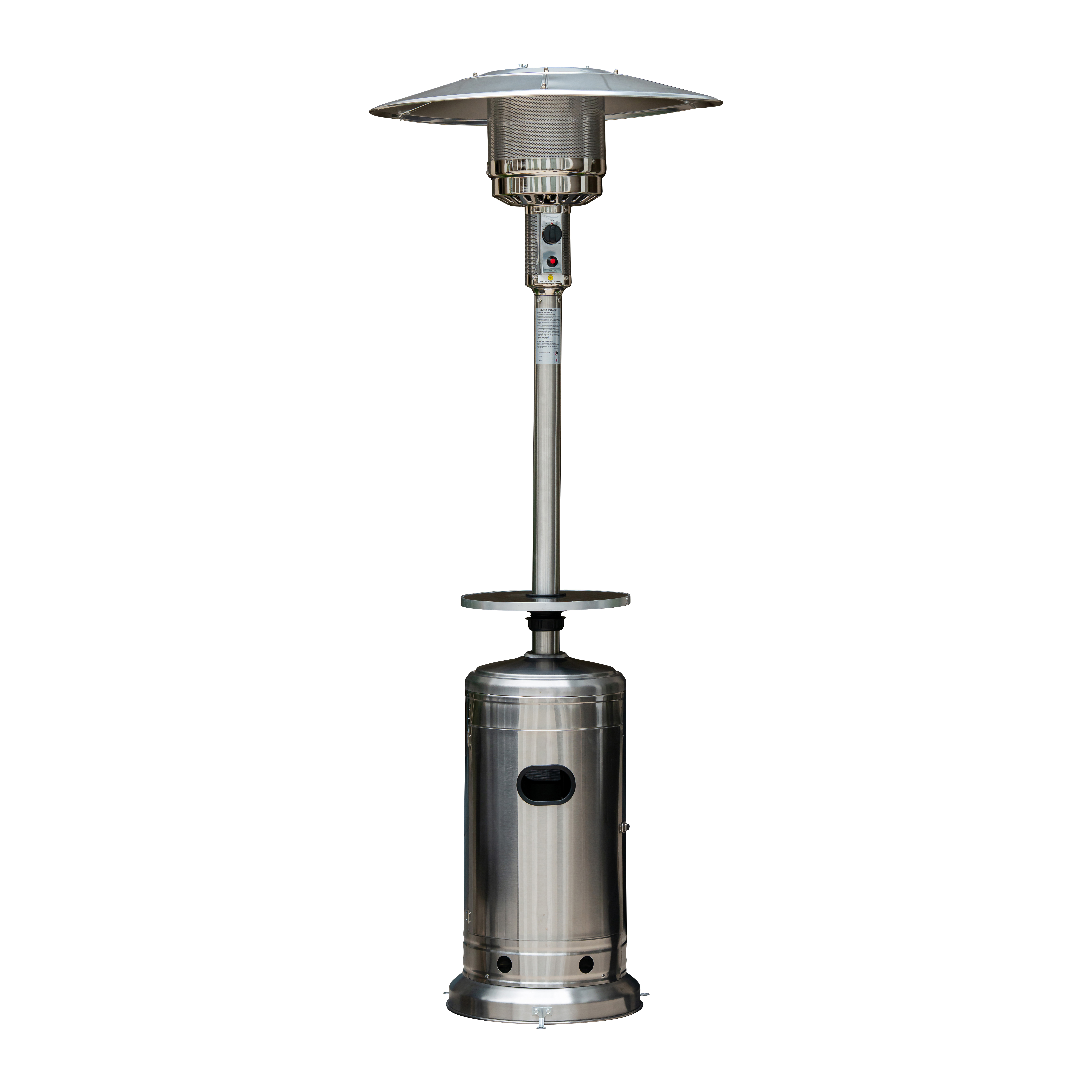
Patio heater gas systems have evolved significantly over the past decade, offering hospitality venues scalable solutions that integrate seamlessly with outdoor design. Whether deployed on restaurant patios, hotel courtyards, or bar terraces, modern patio heater gas technology delivers consistent warmth while maintaining aesthetic appeal. Understanding how these systems work, how to select the appropriate configuration, and how to optimize their performance ensures hospitality businesses maximize return on investment while consistently meeting guest expectations.
How Patio Heater Gas Systems Deliver Efficient Heating
Core Operating Principles of Patio Heater Gas Technology
Patio heater gas systems operate through radiant heat emission, which differs fundamentally from conventional air-based heating. When patio heater gas ignites, it generates infrared radiation that warms surfaces and people directly, rather than heating the surrounding air. This mechanism makes patio heater gas exceptionally efficient in open outdoor environments where warm air can dissipate rapidly. The radiant approach means guests feel comfortable even when ambient air temperatures remain relatively cool, reducing the energy required compared to forced-air alternatives.
The thermal efficiency of patio heater gas systems typically ranges from seventy to ninety percent, depending on design and fuel source. Propane and natural gas fuel options each present distinct advantages for hospitality settings. Propane patio heater gas units offer portability and require no fixed infrastructure, making them ideal for venues requiring flexibility in layout or seasonal deployment. Natural gas patio heater gas systems provide continuous fuel supply without tank replacement, offering operational convenience and lower per-unit heating costs for high-volume users. Hospitality operators must evaluate their specific venue requirements, space constraints, and volume expectations when choosing between patio heater gas fuel types.
Efficiency Factors Affecting Patio Heater Gas Performance
Several factors directly influence how efficiently a patio heater gas installation performs in hospitality environments. Wind exposure represents the most significant efficiency challenge; even moderate breezes can disrupt the radiant heating pattern from patio heater gas equipment. Strategic placement behind windbreaks, pergolas, or architectural features helps contain the patio heater gas heat output within the desired zone. Additionally, the height at which patio heater gas units are mounted affects their effective coverage area; overhead patio heater gas heaters distribute warmth more evenly across seated guests compared to ground-level configurations.
Reflective surfaces and thermal barriers amplify patio heater gas efficiency. Placing units near light-colored walls or ceilings that reflect radiant energy increases the perceived warmth without consuming additional fuel. Proper maintenance of patio heater gas equipment—including burner cleaning and ignition system calibration—ensures consistent output and prevents gradual efficiency degradation. Hospitality venues that implement preventive maintenance schedules for their patio heater gas systems report improved guest comfort stability and reduced fuel consumption relative to neglected installations.
Selecting and Installing the Right Patio Heater Gas Configuration
Assessment Factors for Hospitality Venue Patio Heater Gas Needs
Determining the appropriate patio heater gas system capacity requires careful analysis of venue-specific factors. Effective coverage depends on the outdoor space dimensions, expected occupancy levels, and climatic conditions during operating seasons. A patio heater gas unit rated for three thousand to four thousand BTU output typically covers fifteen to twenty square meters under moderate wind conditions, though this varies significantly based on the venue's geographic location and seasonal temperature ranges. Hospitality managers should calculate required patio heater gas capacity by multiplying the outdoor dining area in square meters by a correction factor that accounts for local climate severity and wind patterns.
Guest density influences patio heater gas selection as well. High-turnover venues with frequent table service might benefit from intense but localized patio heater gas heat to maximize comfort during shorter visit durations. Upscale hospitality establishments favoring lingering experiences often prefer distributed patio heater gas coverage that provides consistent ambient warmth across the entire space. The venue's architectural style also guides patio heater gas selection; contemporary venues might deploy sleek, space-age patio heater gas designs, while heritage properties favor elegant, understated patio heater gas fixtures that complement existing aesthetic themes.
Installation Considerations for Hospitality Patio Heater Gas Systems
Professional installation of patio heater gas equipment ensures safety, compliance, and optimal performance. Mounting height for overhead patio heater gas units should comply with local building codes and maintain adequate clearance from combustible materials, typically requiring at least two meters of vertical clearance above occupied seating. Electrical requirements for patio heater gas ignition systems must integrate with existing venue infrastructure; battery-powered or hardwired ignition options serve different installation scenarios. Natural gas patio heater gas connections require certified installation by licensed technicians who verify proper line sizing, pressure regulation, and safety valve functionality.
Ventilation and exhaust management become critical when deploying multiple patio heater gas units in confined outdoor spaces such as covered terraces or gazebos. Building codes typically mandate minimum air exchange rates to prevent carbon monoxide accumulation. The placement strategy for patio heater gas equipment should also consider guest sightlines; discretely positioned units maintain aesthetic appeal while maximizing heat distribution. Hospitality operators should work with experienced installation professionals who understand both the technical requirements and the design considerations specific to patio heater gas deployment in commercial venues.
Operational Management and Cost Optimization for Patio Heater Gas Systems
Fuel Consumption and Economic Performance
Operating costs for patio heater gas systems represent a manageable portion of hospitality venue expenses when properly managed. A typical outdoor patio heater gas unit operating continuously consumes between one-half and three kilograms of propane per day, though this varies with BTU output and outdoor temperature. Natural gas patio heater gas systems offer lower per-unit energy costs in markets with competitive natural gas pricing, often reducing effective heating expenses by twenty to thirty percent compared to propane alternatives. Hospitality venues should calculate their patio heater gas energy costs by determining average daily operating hours and local fuel prices, then adjusting seasonal projections based on weather patterns.
Strategic fuel procurement practices reduce patio heater gas operating expenses. Venues with multiple patio heater gas units benefit from bulk propane contracts that lock in favorable rates during off-season months, reducing per-unit fuel costs significantly. Automated tank monitoring systems alert hospitality staff when patio heater gas fuel levels drop below replacement thresholds, preventing service interruptions during peak guest hours. Some venues employ demand-controlled patio heater gas systems that activate units only when seating areas reach capacity, reducing fuel waste during slower periods while maintaining guest comfort during rush times.
Maintenance and Performance Optimization
Regular maintenance of patio heater gas equipment extends operational lifespan and maintains consistent performance. Monthly inspections should verify ignition reliability, inspect burners for debris accumulation, and confirm proper gas flow at the regulator. Seasonal patio heater gas system maintenance before peak usage periods involves thorough cleaning, component replacement as needed, and functionality testing across all operating modes. Professional service technicians familiar with commercial patio heater gas systems should perform annual comprehensive inspections that include pressure testing, safety valve verification, and thermal efficiency assessment.
Guest experience improvements directly correlate with well-maintained patio heater gas equipment. Venues that prioritize maintenance report higher outdoor area utilization rates and improved guest satisfaction scores related to comfort. Environmental considerations also drive maintenance priorities; efficient patio heater gas systems reduce fuel consumption and associated emissions, aligning with sustainability objectives increasingly important to hospitality guests and corporate environmental policies. Documenting maintenance records for patio heater gas systems supports warranty claims, facilitates staff training, and demonstrates compliance with insurance and building code requirements.
FAQ
What fuel type works best for patio heater gas installations in hospitality venues?
Both propane and natural gas patio heater gas systems offer distinct advantages depending on venue characteristics. Propane patio heater gas units provide flexibility and require minimal infrastructure investment, making them ideal for temporary or seasonal deployments. Natural gas patio heater gas systems deliver continuous fuel supply without tank monitoring, reducing operational management burden for high-volume users. Most hospitality venues choose based on existing infrastructure, local fuel availability, and long-term space utilization plans. Venues with established natural gas connections typically favor natural gas patio heater gas, while those with flexible outdoor configurations prefer propane patio heater gas alternatives.
How many patio heater gas units does a typical restaurant patio require?
Coverage requirements for patio heater gas systems depend on outdoor space dimensions and desired comfort intensity. A fifty-square-meter restaurant patio typically requires two to three mid-capacity patio heater gas units positioned strategically to distribute warmth evenly. High-end hospitality venues often deploy additional patio heater gas units to create overlapping coverage zones, ensuring guests experience consistent warmth throughout the dining area. Climate severity significantly affects patio heater gas quantity requirements; venues in moderate climates may achieve adequate coverage with fewer units, while cold-weather regions require increased patio heater gas capacity. Professional assessment of your specific venue ensures optimal patio heater gas configuration without over-investment.
What safety considerations apply to commercial patio heater gas systems?
Safety represents the paramount concern when deploying patio heater gas systems in hospitality environments. All patio heater gas installations must comply with local building codes and fire safety regulations, requiring professional installation by certified technicians. Regular inspection and maintenance of patio heater gas equipment prevents fuel leaks and ensures proper combustion. Adequate clearance from combustible materials, proper ventilation in covered spaces, and guest awareness of nearby patio heater gas heat sources prevent injuries and damage. Hospitality operators should verify that their patio heater gas systems include automatic shut-off mechanisms, carbon monoxide detectors in enclosed areas, and clear operational guidelines for staff managing patio heater gas equipment during service.