
 EN
EN
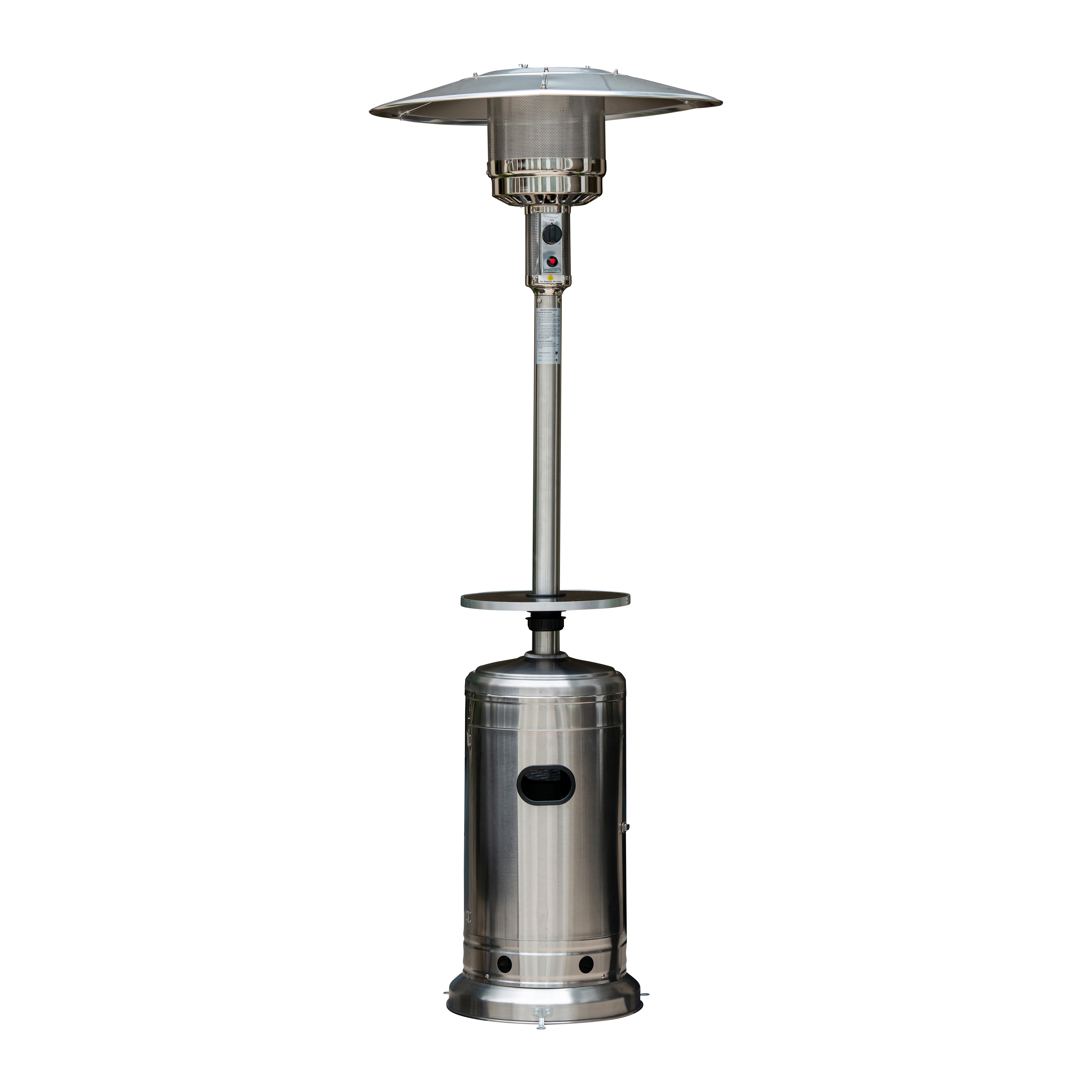
Choosing the right outdoor patio heater for your specific climate conditions requires understanding multiple factors that directly impact comfort, efficiency, and long-term satisfaction. Businesses operating in different regions face distinct challenges when selecting heating equipment, from seasonal temperature fluctuations to humidity levels and wind exposure. An outdoor patio heater that performs exceptionally well in mild climates may struggle in extreme cold, while a heavy-duty model designed for harsh winters might be oversized and inefficient for moderate environments. The decision process involves evaluating your geographic location, understanding your space requirements, and matching these factors against available heating technologies and fuel types.
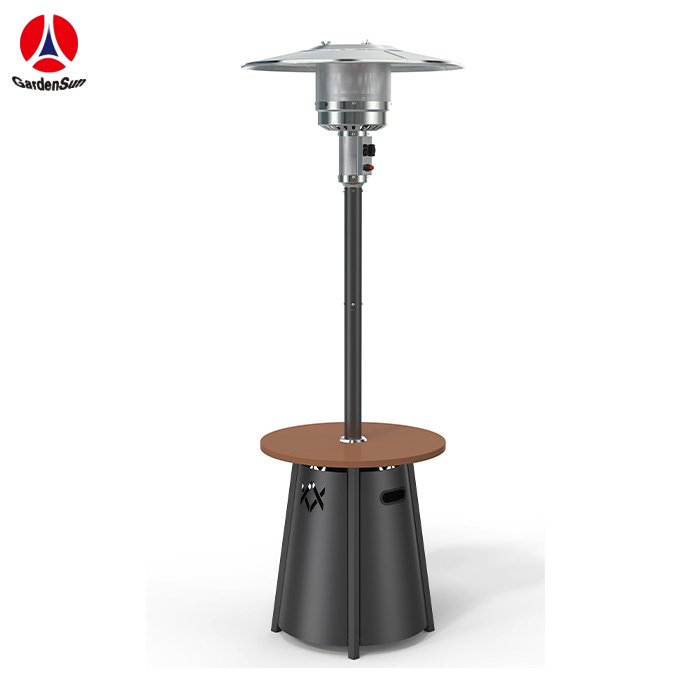
An outdoor patio heater selection process that ignores climate realities can result in wasted capital investment, inadequate heating performance, or accelerated equipment deterioration. Businesses must evaluate whether their outdoor patio heater needs to function year-round in sub-zero temperatures, operate seasonally in temperate zones, or provide supplementary warmth in tropical or subtropical locations where winter temperatures remain mild. Each scenario demands a different outdoor patio heater specification, fuel choice, and maintenance strategy. Understanding these distinctions upfront prevents costly purchasing mistakes and ensures your outdoor patio heater delivers reliable performance throughout its operational lifespan.
Understanding Your Climate Zone and Heating Demands
Assessing Temperature Ranges and Seasonal Variations
The first step in selecting an outdoor patio heater involves accurately characterizing your local climate pattern. Businesses operating in regions with harsh winters require an outdoor patio heater engineered for continuous operation in freezing temperatures, often with reinforced construction and high heat output capacity. In contrast, mild climates benefit from less robust outdoor patio heater models that prioritize efficiency over extreme-weather resilience. Document your region's typical minimum temperature, average winter duration, and temperature variability throughout the year. An outdoor patio heater rated for 50,000 BTU may be excessive for a Mediterranean climate but insufficient for Rocky Mountain elevations. Understanding whether your outdoor patio heater must withstand temperature swings of 60 degrees Fahrenheit or remain stable within a 10-degree range fundamentally shapes equipment selection and operational expectations.
Evaluating Wind Exposure and Environmental Factors
An outdoor patio heater's effective heating radius and fuel efficiency are significantly influenced by wind conditions and surrounding environmental features. Coastal regions and open rooftop spaces expose outdoor patio heater equipment to constant wind pressure, which disperses heat and reduces heating effectiveness by 20 to 40 percent. When selecting an outdoor patio heater for windy locations, choose models featuring wind-resistant burner designs or enclosed heating elements that maintain stable flame even during gusts. Urban environments may provide natural wind breaks through surrounding buildings, allowing a more compact outdoor patio heater to perform adequately. Mountain properties experience unpredictable wind patterns that demand ruggedized outdoor patio heater construction with secure mounting systems. Humidity levels also affect outdoor patio heater longevity; tropical climates with high moisture content require corrosion-resistant materials and protective coatings that prevent rust and metal degradation.
Matching Fuel Types to Climate Suitability
Natural Gas and Propane Considerations for Different Climates
Fuel selection plays a critical role in outdoor patio heater performance across varying climate zones. Natural gas outdoor patio heater systems offer consistent heat delivery in moderate climates where gas lines are readily available, eliminating fuel storage concerns and ensuring continuous operation. Propane-fueled outdoor patio heater equipment adapts well to variable climates because propane maintains gaseous state across a wider temperature range than other fuels, allowing reliable ignition even in cold conditions. However, extremely cold climates can reduce propane efficiency; in such situations, businesses should select outdoor patio heater models specifically engineered for low-temperature propane delivery with specialized regulators and burner configurations. Conversely, propane outdoor patio heater units may experience excessive heat output in mild climates, leading to fuel waste and increased operating costs. Always verify that your chosen outdoor patio heater's fuel system matches both your climate's temperature extremes and local fuel infrastructure availability.
Electric and Alternative Heating Technologies
Electric outdoor patio heater options provide excellent climate adaptability in regions with moderate weather patterns and stable electricity access. Unlike fuel-based outdoor patio heater systems, electric models eliminate combustion byproducts and offer precise temperature control suitable for enclosed patios or proximity to sensitive structures. However, electric outdoor patio heater units require significantly higher energy consumption and may be cost-prohibitive in climates demanding extended heating seasons. Infrared outdoor patio heater technology represents an innovative middle ground, converting electrical energy into radiant heat that directly warms objects and people rather than ambient air. This outdoor patio heater approach excels in windy conditions where convective heating fails, and works effectively across diverse climates from cool temperate zones to transitional spring and fall environments. Evaluate your regional electricity costs, reliability of power infrastructure, and available budget when comparing these alternatives to traditional fuel-based outdoor patio heater systems.
Installation, Maintenance, and Long-Term Climate Resilience
Site Preparation and Structural Considerations
Proper installation of an outdoor patio heater directly influences its durability and climate performance. In regions experiencing heavy seasonal weather variations, ensure your outdoor patio heater installation site provides stable, level ground with adequate drainage to prevent water accumulation and corrosion. Freeze-thaw cycles in cold climates can destabilize outdoor patio heater bases; use concrete foundations or specialized weatherproof bases that accommodate ground movement. High-humidity environments require elevated installation positions that encourage air circulation underneath the outdoor patio heater, reducing moisture retention and rust development. Wind-prone locations demand secure mounting systems that anchor your outdoor patio heater against uplift forces while allowing heat distribution. Verify that your outdoor patio heater installation complies with local building codes and maintains adequate clearance from flammable structures, which varies by climate zone and municipal regulations.
Seasonal Maintenance and Climate-Specific Care
An outdoor patio heater's operational lifespan directly correlates with climate-appropriate maintenance practices. In harsh winter climates, inspect your outdoor patio heater monthly for frost accumulation on heating elements or burner ports, clearing debris to maintain ignition reliability. Seasonal shutdown protocols protect outdoor patio heater equipment in off-season months; drain water from components prone to freeze damage and apply protective covers designed for your specific climate's moisture and UV exposure levels. Mild climates require year-round outdoor patio heater maintenance focused on dust and debris removal, as continuous operation demands regular cleaning of combustion chambers and heating surfaces. Spring and fall transition periods present ideal opportunities for comprehensive outdoor patio heater servicing, including fuel line inspections, burner calibration, and safety system verification. Document all maintenance activities and seasonal adjustments specific to your outdoor patio heater model to ensure consistent performance and identify emerging issues before they compromise heating capability or safety.
FAQ
What outdoor patio heater size is appropriate for my specific climate?
Outdoor patio heater sizing depends on your climate's average winter temperatures, wind conditions, and desired heating coverage area. Cold climates typically require 40,000 to 60,000 BTU outdoor patio heater output to maintain comfortable temperatures, while mild regions may use 20,000 to 35,000 BTU models. Consult local heating professionals who understand your regional climate patterns to calculate the precise outdoor patio heater capacity needed for your space, accounting for wind effects and thermal retention characteristics specific to your environment.
Can an outdoor patio heater designed for warm climates work in cold regions?
Standard outdoor patio heater models designed for warm climates typically lack the heating capacity and fuel delivery reliability needed in cold regions. Low-temperature outdoor patio heater equipment requires specialized components like cold-weather propane regulators and freeze-resistant fuel lines that standard models don't include. Attempting to operate a warm-climate outdoor patio heater in harsh winter conditions results in reduced heating performance, frequent ignition failures, and accelerated equipment deterioration due to thermal stress and moisture exposure.
How do I protect my outdoor patio heater from climate-related damage during off-season storage?
Seasonal outdoor patio heater protection involves comprehensive weatherproofing strategies tailored to your regional climate. Cover your outdoor patio heater with heavy-duty protective covers designed for outdoor equipment, ensure all fuel connections are sealed, and store fuel containers in designated safe locations away from extreme temperature fluctuations. For climates with intense seasonal weather changes, consider relocating your outdoor patio heater to sheltered storage areas during extended off-season periods, or apply additional weatherproof coatings to prevent moisture penetration and UV damage specific to your local conditions.