
 EN
EN
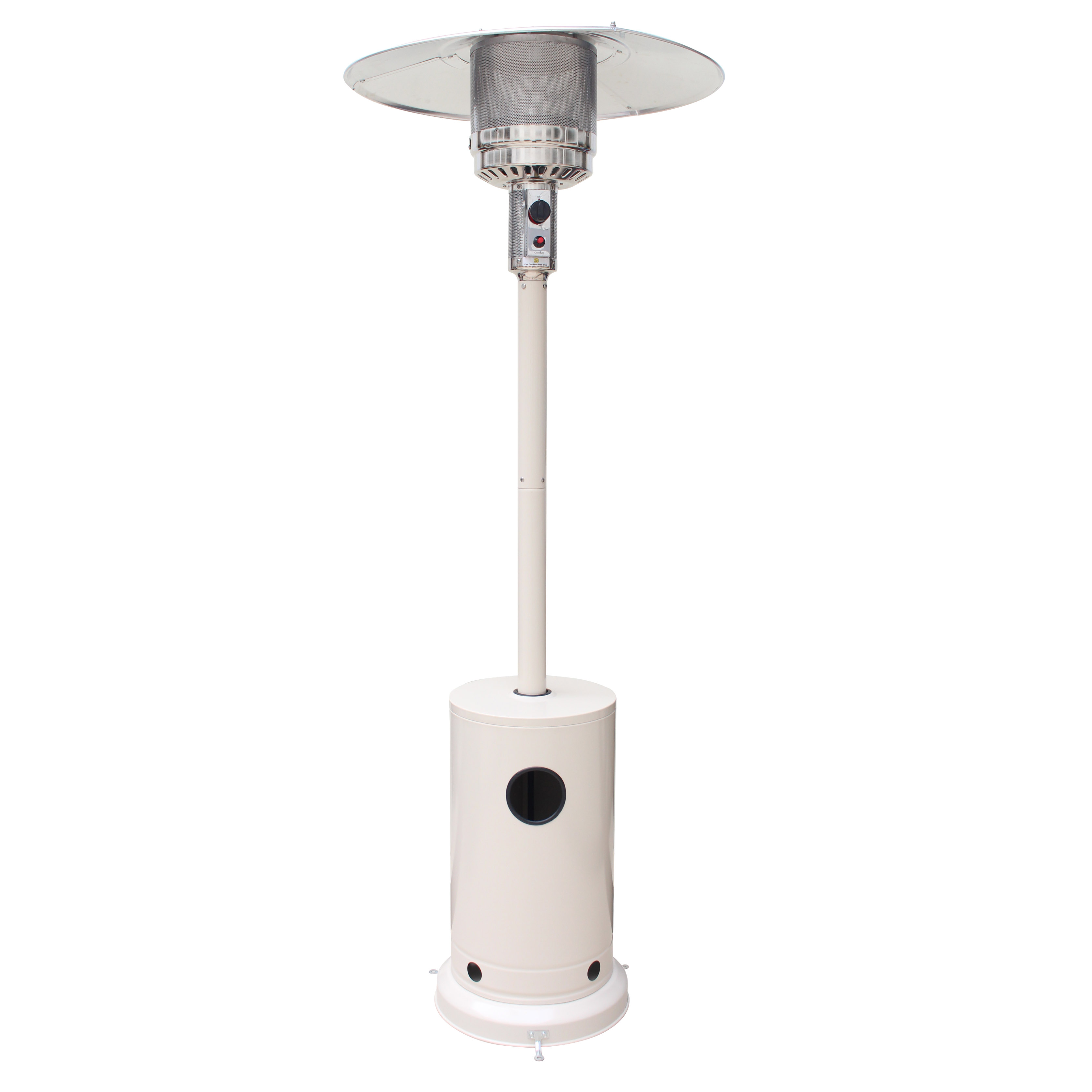
Commercial property managers and outdoor hospitality operators must understand patio heater gas requirements before investing in heating solutions for their spaces. Choosing the right patio heater gas system involves more than aesthetics or brand preference—it requires detailed knowledge of fuel specifications, consumption rates, safety regulations, and operational costs. Whether you manage a rooftop bar, restaurant patio, or event venue, selecting appropriate patio heater gas equipment ensures comfort, compliance, and long-term profitability for your business.
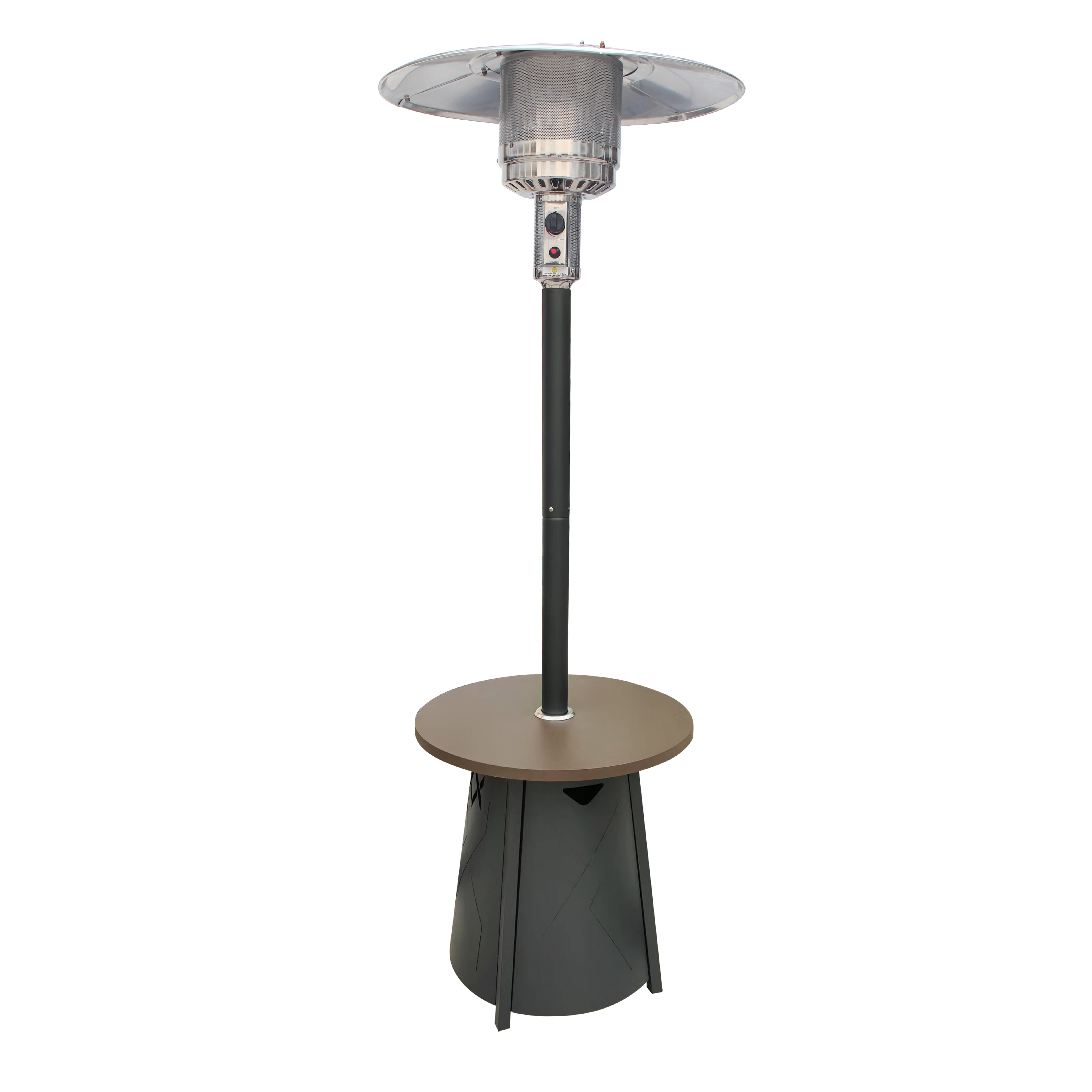
Understanding patio heater gas specifications is critical for commercial operations because improper fuel selection can affect heating performance, increase safety risks, and create budget overruns. Commercial-grade patio heater gas systems operate under different conditions than residential units, requiring higher reliability and output consistency. This guide walks you through the essential considerations commercial buyers must evaluate when selecting and maintaining patio heater gas systems for their outdoor environments.
Fuel Types and Patio Heater Gas Specifications
Understanding Propane Versus Natural Gas for Patio Heater Gas
Commercial patio heater gas systems typically operate on either propane or natural gas, each presenting distinct advantages and operational differences. Propane-based patio heater gas systems offer portability and independence from fixed utility lines, making them ideal for venues that require flexible heat placement or temporary outdoor installations. Natural gas patio heater gas systems connect directly to existing utility infrastructure, providing unlimited fuel supply and lower per-unit operational costs over extended seasons, though they require permanent installation.
The choice between propane and natural gas patio heater gas depends on your venue's infrastructure, budget constraints, and operational flexibility needs. Propane-based patio heater gas equipment typically operates at higher pressure and requires tank storage, routine refilling, and backup planning during peak usage seasons. Natural gas patio heater gas systems eliminate fuel storage concerns but demand professional installation, permanent ductwork, and utility coordination that can extend initial setup timelines and costs.
BTU Output and Fuel Consumption in Patio Heater Gas Systems
Commercial-grade patio heater gas heaters range from 30,000 to 50,000+ BTU output, directly correlating to fuel consumption rates and coverage area. Understanding your venue's required patio heater gas consumption helps forecast operating expenses and ensure adequate fuel supply during peak seasons. A typical commercial-scale patio heater gas unit consuming 40,000 BTU per hour will use approximately 1 pound of propane per hour, translating to roughly 25 pounds per full operational day.
Calculate expected patio heater gas consumption by multiplying your heater's BTU rating by operational hours and dividing by propane's energy content. For venues operating multiple patio heater gas units simultaneously, fuel logistics become increasingly complex, requiring dedicated storage facilities, supplier relationships, and contingency plans. Many commercial operators underestimate patio heater gas consumption, leading to unexpected supply gaps during high-season events or temperature fluctuations.
Safety Standards and Regulatory Compliance for Patio Heater Gas
Commercial Safety Codes for Patio Heater Gas Equipment
All commercial patio heater gas installations must comply with local building codes, fire safety regulations, and industry standards including NFPA (National Fire Protection Association) guidelines. Your venue's patio heater gas setup must include proper clearance distances from structures, overhead cover restrictions, and ventilation considerations that vary by jurisdiction. Professional inspection and certification of your patio heater gas system is not optional—it is a legal requirement that protects your business from liability and insurance complications.
Improper patio heater gas installation creates fire hazards, carbon monoxide risks, and potential property damage that extends beyond the heating zone. Commercial venues must document their patio heater gas equipment specifications, maintenance records, and safety certifications for insurance audits and regulatory inspections. Many commercial operators overlook these compliance requirements until facing citations, equipment shutdowns, or insurance claim denials related to non-compliant patio heater gas installations.
Ventilation and Placement Requirements for Patio Heater Gas
Proper patio heater gas placement prevents carbon monoxide accumulation and ensures uniform heat distribution across your outdoor space. Enclosed or semi-enclosed patios present heightened risks for patio heater gas systems, requiring professional ventilation assessment and potentially excluding certain heater types from use. Your venue's architectural layout determines whether patio heater gas heaters can operate safely and legally in your specific outdoor environment.
Overhead cover restrictions also apply to many patio heater gas systems—certain models cannot operate under solid roofs or permanent structures, limiting your heating options for covered outdoor spaces. Professional assessment of your venue ensures your patio heater gas system complies with all placement restrictions while maximizing coverage and comfort for guests.
Operational Considerations and Maintenance for Patio Heater Gas Systems
Fuel Supply Logistics and Storage Planning
Commercial operations running continuous patio heater gas systems require robust fuel supply chains and adequate storage capacity to prevent operational disruptions. Peak season demand often strains propane supplies—venues using patio heater gas systems must establish supplier relationships well before high-usage periods and negotiate delivery schedules that prevent shortages. Storage tank capacity should accommodate at least one full week of anticipated patio heater gas consumption, accounting for weather-related demand spikes and supplier delays.
Budget forecasting for commercial patio heater gas operations requires historical consumption data and seasonal usage patterns specific to your venue type. Restaurant patios, event venues, and hospitality properties each demonstrate different patio heater gas consumption profiles based on guest capacity, operating hours, and climate factors. Multi-unit patio heater gas installations compound storage and logistics complexity, potentially requiring dedicated propane accounts and professional supply management services.
Maintenance and Performance Optimization
Scheduled maintenance for commercial patio heater gas systems ensures consistent performance, extends equipment lifespan, and prevents mid-season failures during peak revenue periods. Regular cleaning, burner inspection, and ignition system checks maintain optimal patio heater gas efficiency and prevent fuel waste from clogged or misaligned components. Professional technicians should inspect your patio heater gas system at season start, verify fuel connections, and conduct pressure tests that confirm safe operation.
Neglected patio heater gas maintenance leads to reduced heat output, increased fuel consumption, and potential safety failures that compromise guest experience and operational continuity. Document all maintenance activities for your patio heater gas equipment to track performance trends and justify capital replacement decisions. Many venues discover efficiency losses only after professional service reveals accumulated carbon deposits, corrosion, or component wear affecting patio heater gas performance.
FAQ
How much patio heater gas does a commercial unit consume per day?
A typical commercial patio heater gas unit rated at 40,000 BTU consumes approximately 25 pounds of propane during eight hours of continuous operation. Actual patio heater gas consumption varies based on outdoor temperature, wind conditions, and thermostatic cycling patterns that reduce fuel burn rate when ambient conditions improve. Multi-unit installations create proportionally higher patio heater gas consumption, requiring careful tracking and vendor coordination to prevent supply shortages.
What safety certifications are required for commercial patio heater gas installations?
Commercial patio heater gas installations must comply with NFPA codes, local fire marshal requirements, and building department permits specific to your jurisdiction. Your patio heater gas equipment should carry UL or ETL certification verifying compliance with industry safety standards for commercial use. Professional installation and third-party inspection of your patio heater gas system are typically required before operation, with documentation retained for insurance and regulatory purposes.
Can natural gas patio heater gas systems work in all commercial outdoor spaces?
Natural gas patio heater gas systems require permanent utility connections and professional installation, making them suitable primarily for fixed outdoor areas with existing infrastructure. Enclosed or semi-enclosed patios may not permit natural gas patio heater gas systems due to ventilation requirements and carbon monoxide safety concerns. Portable venues, seasonal installations, or spaces requiring flexible heat placement should consider patio heater gas propane systems that offer greater operational flexibility.