
 EN
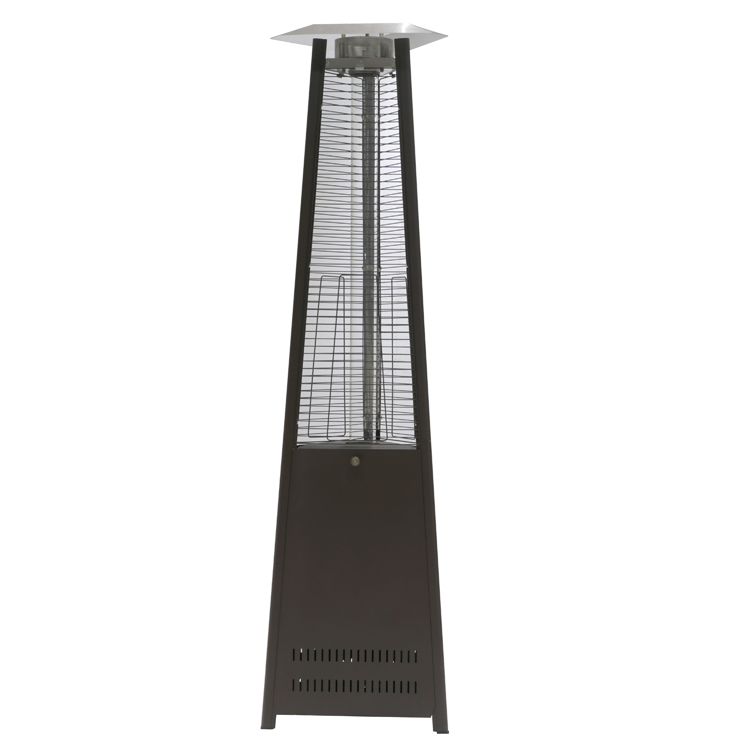
Outdoor hospitality spaces face a unique challenge: maintaining guest comfort across seasons while managing heating costs and environmental impact. A pellet patio heater addresses this challenge by combining efficient warmth, aesthetic appeal, and operational reliability. Unlike traditional gas heaters or electric solutions, a pellet patio heater delivers consistent radiant heat while creating an inviting focal point that encourages guests to spend more time outdoors. For hospitality venues ranging from restaurants and bars to resorts and event spaces, investing in a pellet patio heater represents both a comfort upgrade and a strategic business decision.

The hospitality industry depends on creating memorable guest experiences, and environmental comfort is foundational to that goal. A pellet patio heater extends the usable season of outdoor areas, increases customer dwell time, and reduces operational friction during shoulder seasons when weather uncertainty normally deters outdoor dining or gathering. Understanding how a pellet patio heater specifically improves comfort helps hospitality managers make informed decisions about their outdoor infrastructure investments.
Extended Seasonal Usability and Guest Retention
Year-Round Outdoor Operations
A pellet patio heater enables hospitality venues to operate outdoor spaces profitably during spring, fall, and winter months when temperatures would otherwise be prohibitive. Spring evenings and early autumn nights become attractive for outdoor service instead of being viewed as lost revenue periods. By deploying a pellet patio heater, venues effectively create a climate-controlled outdoor environment without the expense of traditional HVAC infrastructure. This extended season directly translates to higher occupancy rates, increased food and beverage sales, and better utilization of outdoor space investments.
Improved Guest Comfort and Satisfaction
Guest satisfaction metrics improve significantly when a pellet patio heater maintains comfortable temperatures throughout service hours. Guests who feel warm and comfortable spend more time in outdoor areas, order additional drinks and appetizers, and leave higher satisfaction ratings in online reviews. A pellet patio heater eliminates the common complaint of feeling cold outdoors, which historically forces guests indoors and reduces per-table revenue. The radiant heat from a pellet patio heater mimics natural sunlight warmth, creating psychological comfort beyond simple temperature elevation, which influences perceived venue quality and repeat visit likelihood.
Cost Efficiency and Operational Benefits
Fuel Cost Management
Wood pellets represent a cost-effective heating fuel compared to propane, natural gas, or electricity, making a pellet patio heater economical for continuous outdoor operation. Pellets are sourced from sustainable forestry byproducts, offering consistent pricing that insulates venues from volatile fossil fuel markets. A pellet patio heater consumes predictable fuel quantities based on operational hours, enabling accurate budgeting and cost forecasting. For venues operating outdoor heaters five or six days per week across multiple seasons, fuel cost savings from a pellet patio heater accumulate to thousands of dollars annually, directly improving profitability.
Low Maintenance Requirements
A pellet patio heater requires minimal maintenance compared to gas burners or complex electrical systems, reducing downtime and service costs. Periodic cleaning of the combustion chamber and glass tubes maintains efficiency, but no sophisticated mechanical repairs or seasonal servicing protocols are necessary. Staff training for safe pellet loading and basic operation is straightforward, and emergency repairs are rare when a pellet patio heater is properly maintained. This operational simplicity is particularly valuable for hospitality venues where mechanical failures during peak service hours create customer service crises and lost revenue.
Environmental and Brand Positioning Advantages
Sustainability Messaging and Guest Perception
Hospitality venues increasingly recognize that environmental responsibility influences customer choice and brand loyalty, particularly among younger demographics. A pellet patio heater, powered by renewable wood biomass, demonstrates commitment to sustainable operations in a visible, tangible way. Guests notice the heater and understand its environmental profile when staff briefly explain that a pellet patio heater uses sustainably sourced wood pellets. This alignment between guest values and venue operations strengthens brand perception, generates positive word-of-mouth marketing, and justifies premium pricing for outdoor seating areas served by a pellet patio heater.
Aesthetic Contribution to Outdoor Ambiance
A pellet patio heater serves a dual function as both practical heating and atmospheric design element. The warm glow from a pellet patio heater creates an inviting focal point that enhances outdoor space aesthetics and encourages guests to linger. Modern designs feature glass viewing tubes that showcase the flame, making a pellet patio heater visually appealing during evening service. This aesthetic value means a pellet patio heater contributes to the overall venue experience beyond simple heat generation, influencing Instagram-worthy moments and social media exposure that drives new customer acquisition.
FAQ
How much warmth does a typical pellet patio heater generate for outdoor hospitality areas?
A standard pellet patio heater generates between 40,000 and 100,000 BTU per hour, depending on size and design, sufficient to heat a 300–500 square foot outdoor area to comfortable temperatures. The actual warming radius depends on weather conditions, outdoor wall placement for radiant reflection, and guest proximity to the unit. A pellet patio heater positioned centrally in a seating area creates a comfortable zone around it, while placement near walls maximizes radiant heat retention. Hospitality venues typically position a pellet patio heater at the perimeter of seating clusters to serve multiple tables efficiently.
What is the typical fuel consumption rate and hourly operating cost of a pellet patio heater?
A pellet patio heater typically consumes 1–2 pounds of pellets per hour at standard operating temperature, translating to roughly 10–20 pounds per service shift. At average pellet prices of 5–8 dollars per 40-pound bag, hourly fuel cost for a pellet patio heater ranges from 0.60 to 1.60 dollars, making it significantly cheaper than equivalent gas heating. Total seasonal fuel costs depend on operating hours and venue geography, but a pellet patio heater usually costs hospitality venues 300–800 dollars annually in pellet fuel, compared to 1500–3000 dollars for propane heaters of similar output.
Can a pellet patio heater operate safely in covered outdoor areas or enclosed patio spaces?
A pellet patio heater must have adequate ventilation and clearance from flammable materials to operate safely, even in partially covered areas. Most building codes require a pellet patio heater to be positioned at least 10 feet from structures and allow operation under open-sided canopies or pergolas with high ceilings. A pellet patio heater should never be used in fully enclosed spaces or areas with poor ventilation, as carbon dioxide buildup poses safety risks. Hospitality managers should consult local fire codes and work with licensed installers to verify that a pellet patio heater placement complies with regulations specific to their venue location and configuration.