
 EN
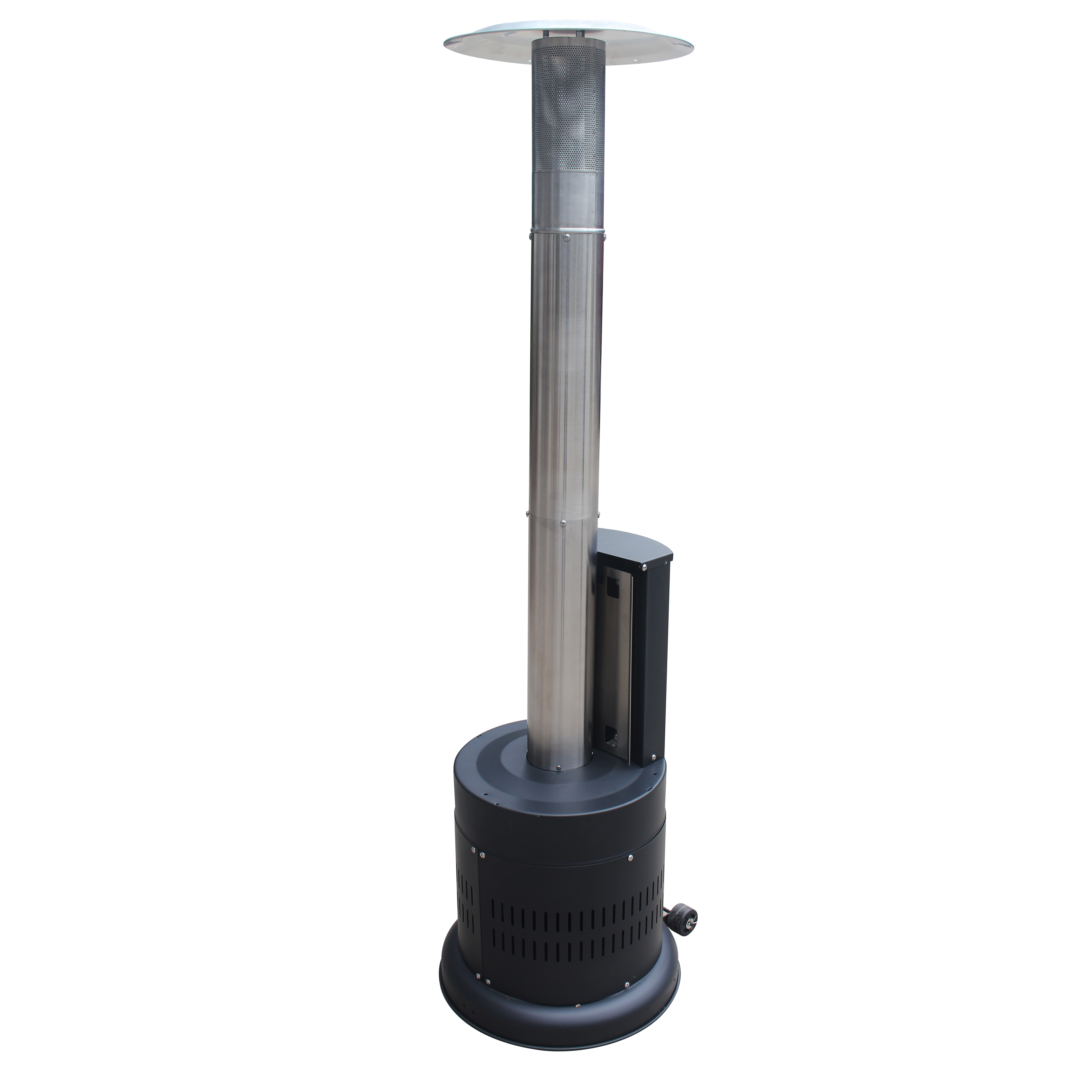
Selecting the right pellet patio heater for your commercial space requires careful evaluation of multiple factors that extend beyond initial purchase price. Commercial environments demand equipment that delivers consistent performance, reliability, and cost-effectiveness over extended operating seasons. A pellet patio heater represents a significant investment, and understanding the key considerations will help you make an informed decision that aligns with your business needs and operational expectations.

Commercial buyers must evaluate how a pellet patio heater integrates into their business model, from customer experience in outdoor dining areas to operational staff requirements. The choice between different pellet patio heater models can significantly impact your heating efficiency, maintenance costs, and overall guest satisfaction. This guide walks you through the essential factors that commercial decision-makers should assess before committing to a pellet patio heater purchase.
Heat Output and Coverage Capacity
Determining Required BTU Levels
Heat output measured in BTUs (British Thermal Units) represents the fundamental specification for any pellet patio heater deployment. Commercial spaces often require higher BTU ratings than residential applications because customer comfort zones extend across larger areas and multiple seating arrangements. A pellet patio heater with insufficient heat output will leave guests feeling uncomfortable, while oversized units waste fuel and operational budget. Most commercial venues benefit from pellet patio heater models delivering between 40,000 and 100,000 BTUs, depending on space size, climate conditions, and desired heating radius. Calculating the precise BTU requirement involves considering outdoor ambient temperature, wind exposure, and whether your pellet patio heater will operate in partially enclosed or fully open areas. Wind breaks, structural coverage, and insulation from building walls all influence how effectively a pellet patio heater maintains warmth in your commercial setting.
Coverage Area and Radiant Heat Distribution
The effective heating radius of a pellet patio heater determines how many tables, seating zones, or customer areas remain comfortable during service hours. Premium pellet patio heater models deliver more concentrated radiant heat patterns that effectively warm customer zones up to 20 feet away, while basic units may only reach 12 to 15 feet. Commercial buyers should verify whether the pellet patio heater's heat distribution supports your venue's layout without requiring multiple units. A well-positioned pellet patio heater can create comfortable zones that encourage guests to linger longer, increasing food and beverage sales. Poor heat distribution forces your commercial operation to deploy additional units, multiplying equipment costs and fuel consumption. Test the specific pellet patio heater model's radiant pattern in your venue layout before finalizing your purchase to ensure adequate coverage efficiency.
Fuel Efficiency and Operating Costs
Pellet Consumption Rates and Fuel Economy
Operating cost represents the largest ongoing expense after purchasing a pellet patio heater, making fuel efficiency a critical commercial buying consideration. Pellet patio heater models vary significantly in how many pounds of pellets they consume per hour of operation, directly impacting your monthly fuel budgets. Premium pellet patio heater designs with better combustion efficiency and insulation consume 5 to 10 pounds of pellets per hour, while less efficient models may require 12 to 15 pounds hourly. Over a full operating season, the fuel consumption difference between a standard pellet patio heater and an efficient model can total hundreds or thousands of dollars. Commercial venues operating their pellet patio heater 8 to 10 hours daily throughout multiple months should prioritize efficiency ratings and fuel consumption specifications. Request hourly consumption data from manufacturers and calculate seasonal operating costs for each potential pellet patio heater before making your final selection.
Fuel Quality and Supply Chain Stability
The availability and consistency of quality pellets near your commercial location directly affects whether your pellet patio heater operates reliably throughout the season. Commercial operations depend on consistent fuel supply to maintain customer comfort, making local pellet availability a practical consideration when choosing your pellet patio heater. Not all pellets perform equally in a pellet patio heater; high-moisture or low-quality pellets can cause jamming, incomplete combustion, and increased maintenance interruptions. Establish relationships with established pellet suppliers before investing in a pellet patio heater, verifying that they maintain year-round inventory of appropriate-grade fuel. Some commercial buyers prefer commercial-grade pellet patio heater models compatible with standard industrial pellet sizes, ensuring wider supply options. Verify the specific pellet dimensions, moisture content, and ash requirements your selected pellet patio heater demands to avoid operational disruptions due to fuel incompatibility.
Durability, Maintenance, and Long-Term Reliability
Construction Materials and Weather Resistance
Commercial-grade pellet patio heater equipment faces continuous exposure to moisture, temperature fluctuations, and seasonal weather variations that accelerate corrosion and material degradation. Heavy-duty construction using stainless steel, powder-coated metals, and protective coatings extends the functional lifespan of your pellet patio heater investment significantly. A budget pellet patio heater with standard painted finishes may rust or deteriorate within 2 to 3 seasons, while premium commercial-rated models maintain structural integrity for 5 to 10 years. UV-resistant materials, sealed joints, and weather-protective covers are essential features for any pellet patio heater expected to operate in outdoor commercial environments. Before purchasing a pellet patio heater, inspect manufacturer materials specifications and request information about protective maintenance practices. Many commercial venues install covered storage or protection systems for their pellet patio heater during off-season months, further extending operational lifespan and maintaining customer-facing appearance standards.
Maintenance Requirements and Service Accessibility
Operating a pellet patio heater commercially requires regular maintenance including cleaning combustion chambers, inspecting fuel delivery systems, and replacing wear components before equipment failures disrupt service. Choose a pellet patio heater model with accessible components and straightforward service procedures that your staff can manage with basic training. Complex commercial-grade pellet patio heater designs requiring specialized technician visits increase operational downtime and support costs significantly. Some pellet patio heater manufacturers offer responsive service networks in your region, while others require extended lead times for repairs or replacement parts. Verify maintenance interval requirements for any pellet patio heater under consideration, calculating annual service costs alongside fuel expenses. A reliable pellet patio heater with manageable maintenance demands protects your investment and ensures consistent customer experience throughout operating seasons.
Safety Standards and Regulatory Compliance
Certification and Commercial Installation Requirements
Commercial installations of a pellet patio heater must comply with local building codes, fire safety regulations, and outdoor heating equipment standards that vary by jurisdiction. Select a pellet patio heater bearing appropriate certifications from recognized testing organizations that confirm compliance with commercial safety and performance standards. Improper installation or non-compliant equipment exposes your commercial venue to liability risks, insurance complications, and potential operational closure orders. Many municipalities require professional installation verification for commercial pellet patio heater systems, particularly in densely populated areas or venues with specific fire safety classifications. Before finalizing your pellet patio heater selection, contact local building authorities to confirm specific installation, ventilation, and safety distance requirements affecting your deployment plans. Professional installation of your pellet patio heater by certified technicians ensures compliance documentation and proper equipment commissioning.
Emergency Shutdown and Operational Safety Controls
A commercial-grade pellet patio heater must include reliable emergency shutdown mechanisms and safety controls that prevent uncontrolled operation or fuel delivery failures. Look for pellet patio heater models with automatic shut-off features triggered by tipping, low fuel conditions, or temperature anomalies that threaten guest safety. Integrated spark detection and flame monitoring systems in premium pellet patio heater designs provide continuous operational verification and malfunction alerts. Your commercial staff should receive training on pellet patio heater emergency procedures, shutdown mechanisms, and basic troubleshooting that minimizes response time to operational issues. High-visibility placement of emergency controls on your pellet patio heater ensures that staff members can quickly disable equipment during urgent situations. Safety-conscious pellet patio heater selection protects both guest experience and liability exposure for commercial operators.
FAQ
What pellet patio heater size is appropriate for typical commercial outdoor dining areas?
Most commercial outdoor dining venues with 8 to 12 seating tables benefit from pellet patio heater units delivering 50,000 to 80,000 BTUs, positioned to create effective heating zones. Larger venues with 20+ tables often require multiple strategically positioned pellet patio heater units rather than single oversized models. Test your specific pellet patio heater placement and BTU rating in your venue to confirm adequate guest comfort coverage.
How often does a commercial pellet patio heater require professional maintenance?
Commercial pellet patio heater equipment should receive professional inspection and cleaning at the beginning and end of each operating season, with additional maintenance intervals depending on usage frequency and operational hours. High-use commercial facilities may require mid-season pellet patio heater servicing to maintain efficiency and prevent unexpected equipment failures. Regular maintenance intervals for your specific pellet patio heater model should be confirmed with the manufacturer or service provider.
Can a commercial pellet patio heater operate safely under covered structures or partially enclosed areas?
Most commercial-grade pellet patio heater models can operate under partial structures or covered areas when proper ventilation clearances are maintained according to safety codes and manufacturer specifications. Verify specific ventilation requirements for your selected pellet patio heater with local building authorities before installing beneath permanent structures. Improper ventilation of a pellet patio heater creates safety hazards and violates commercial installation regulations in most jurisdictions.