
 EN
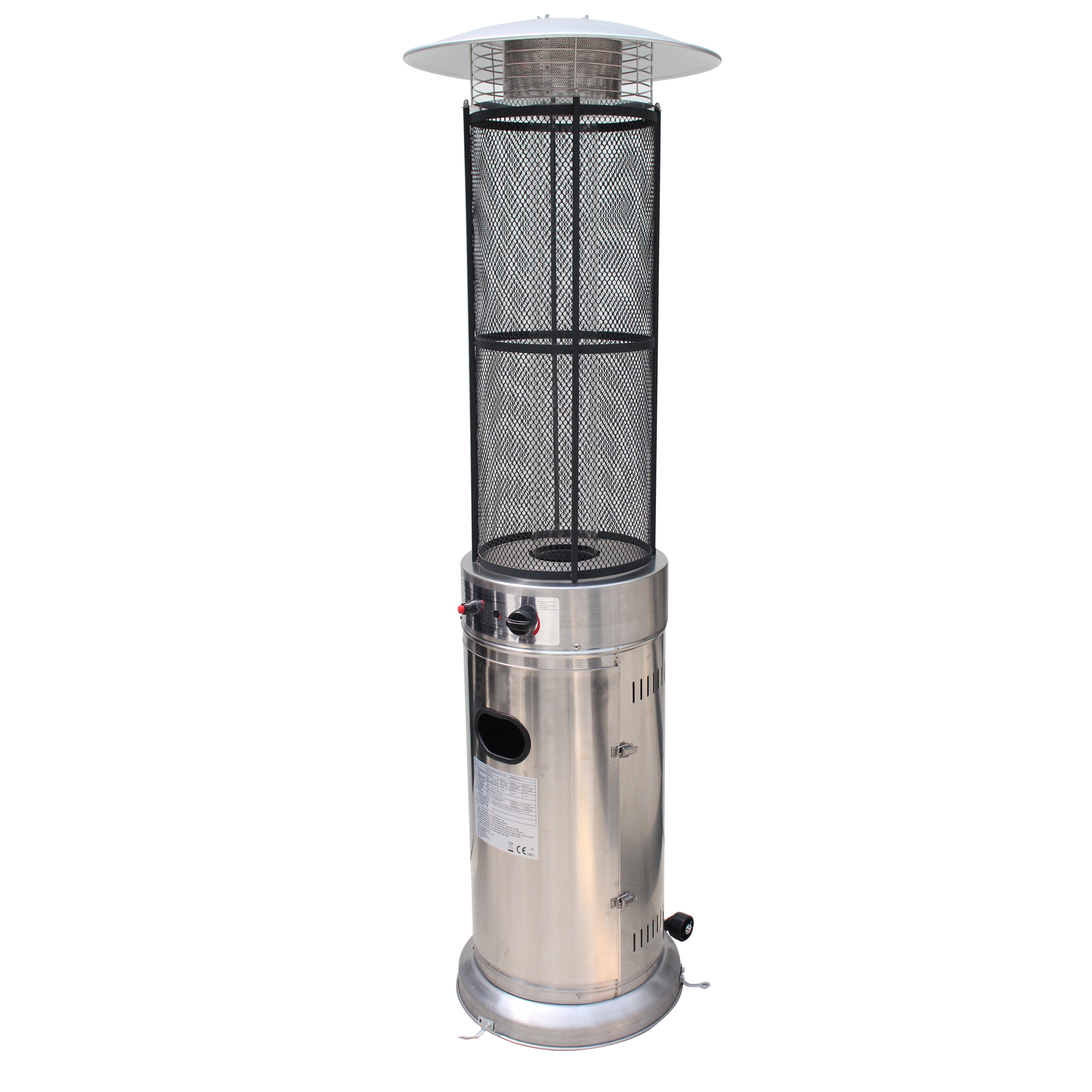
Outdoor dining has become an essential part of hospitality and residential lifestyle, yet comfort remains a significant challenge when temperatures drop. A patio gas heater directly addresses this challenge by extending usable dining seasons and creating inviting outdoor environments that guests genuinely enjoy. The surge in popularity of patio gas heater solutions reflects a fundamental shift in how businesses and homeowners approach outdoor space design and guest comfort.
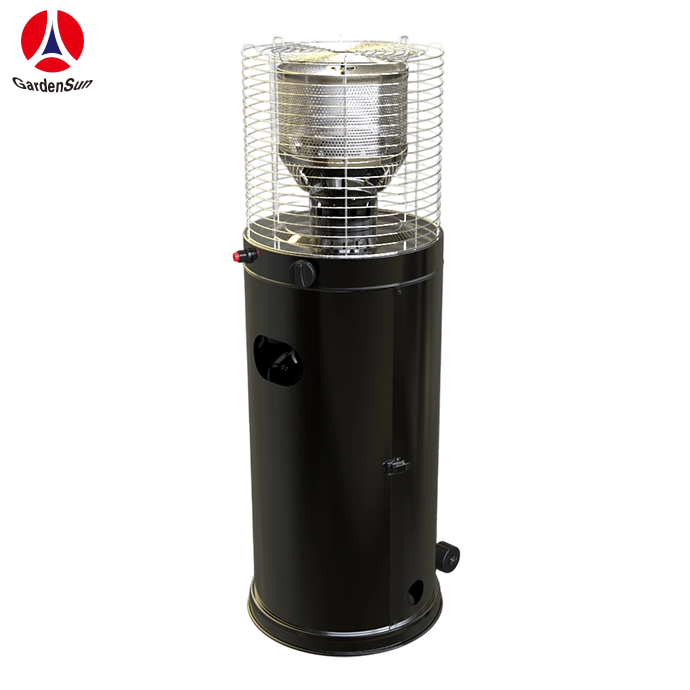
The effectiveness of a patio gas heater lies in its ability to deliver immediate, substantial warmth without requiring complex installation infrastructure. Unlike electric alternatives or elaborate fire features, a patio gas heater combines practical performance with aesthetic appeal, making it a preferred choice across diverse settings from casual backyard gatherings to upscale restaurant patios.
Extended Outdoor Season and Year-Round Revenue
Maximizing Operating Months with Patio Gas Heater Technology
The economic impact of a patio gas heater is particularly significant for restaurants and hospitality venues. By installing a patio gas heater, establishments can comfortably host customers during shoulder seasons and cooler months when outdoor seating would otherwise sit empty. A patio gas heater transforms traditionally slow periods into profitable revenue opportunities, allowing businesses to seat more guests and increase per-table turnover without major capital expansion.
Residential property owners similarly benefit from extended outdoor entertaining seasons. A patio gas heater enables families to use their outdoor dining and lounge areas well into autumn and early spring, effectively adding months of usable lifestyle space. This extended comfort window directly increases property value perception and owner satisfaction, making a patio gas heater a worthwhile investment in residential real estate appeal.
Climate Adaptation and Guest Comfort Standards
Modern hospitality expectations include year-round outdoor availability, and a patio gas heater meets this demand efficiently. Guests increasingly expect comfortable outdoor seating regardless of season, and restaurants that provide this experience through a patio gas heater gain competitive advantage. A patio gas heater demonstrates operational commitment to guest satisfaction, reducing customer reluctance to dine outdoors during cooler weather.
Superior Heat Efficiency and Rapid Warmth Delivery
Immediate Heat Output and Energy Performance
A patio gas heater delivers heat instantly without warm-up delay, a critical advantage over slow-heating alternatives. The radiant warmth from a patio gas heater quickly raises ambient temperature in target zones, allowing guests to feel comfortable within minutes of activation. This rapid performance ensures that a patio gas heater meets practical expectations in hospitality settings where start-up time directly impacts service quality and customer experience.
The efficiency profile of a patio gas heater is notably strong relative to overall energy consumption. Propane and natural gas combustion generates substantial BTU output, meaning a patio gas heater consumes less fuel than electric heating systems require in electrical energy to achieve equivalent warmth distribution. This efficiency translates to lower operating costs, making a patio gas heater economically attractive for venues running multiple units across large outdoor areas.
Focused Heat Zones and Flexible Placement
A patio gas heater's radiant heating model concentrates warmth where guests sit, avoiding the waste inherent in heating entire outdoor spaces uniformly. Strategic placement of a patio gas heater creates comfortable microenvironments around specific dining tables or lounge areas, allowing operators to maintain selective heating without energy expenditure on unused zones. This targeted approach maximizes the practical value of each patio gas heater installation, delivering exceptional ROI compared to blanket heating solutions.
Operational flexibility is another critical advantage of a patio gas heater strategy. Units can be repositioned seasonally or adjusted based on changing guest patterns, allowing venue operators to respond dynamically to demand without permanent structural commitments. This adaptability makes a patio gas heater particularly appealing to rental properties, temporary event venues, and businesses testing outdoor expansion before major capital investment.
Aesthetic Appeal and Ambiance Enhancement
Visual Design Integration of Patio Gas Heater Elements
Beyond functional heating, a patio gas heater contributes significantly to outdoor aesthetic design and atmosphere creation. Modern patio gas heater designs feature sophisticated finishes, varied heights, and architectural styles that complement contemporary and traditional outdoor décor equally well. A patio gas heater serves as both functional equipment and decorative element, eliminating the visual compromise typical of purely utilitarian heating approaches.
The flame element of a patio gas heater adds warmth in both literal and psychological senses. Guests experience enhanced dining ambiance from the gentle glow of an active patio gas heater, creating focal points that elevate overall experience quality. High-end restaurants leverage this ambiance component of a patio gas heater to justify premium outdoor seating pricing and enhance brand perception of quality and attention to detail.
Guest Experience and Psychological Comfort
The presence of a patio gas heater influences guest perception and behavior positively. Studies show that visible heating elements reduce perceived cold and increase willingness to remain outdoors, even when actual temperature contribution is modest. A patio gas heater becomes part of the dining narrative, communicating to guests that management values their comfort and has invested in quality outdoor experiences. This psychological dimension of a patio gas heater amplifies satisfaction beyond purely thermodynamic effects.
Event venues and hospitality businesses report that a patio gas heater is frequently cited as a positive feature in guest reviews and recommendations. The combination of tangible warmth and aesthetic enhancement makes a patio gas heater a powerful marketing asset. Venues featuring visible patio gas heater installations communicate premium outdoor experience positioning, influencing booking decisions and willingness to pay higher venue fees.
Installation Simplicity and Operational Advantages
Low Barrier to Deployment and Minimal Infrastructure Requirements
A patio gas heater requires substantially less installation complexity than permanent heating infrastructure. Unlike built-in fire features or complex HVAC systems, a patio gas heater can be deployed quickly with minimal site preparation. This low-barrier entry point makes a patio gas heater accessible to small businesses, property managers, and homeowners without requiring specialized construction expertise or extensive downtime.
Regulatory and safety considerations around a patio gas heater are well-established and straightforward compared to alternative heating systems. Standard fuel delivery networks support propane-based patio gas heater operations, and maintenance requirements are predictable and manageable. A patio gas heater integrates seamlessly into existing property operations without introducing novel infrastructure challenges or specialized technical requirements.
Maintenance Accessibility and Reliability Record
The mechanical simplicity of a patio gas heater contributes to reliable performance and predictable maintenance cycles. A patio gas heater typically requires basic seasonal servicing and occasional cleaning rather than complex repairs. This straightforward maintenance profile reduces operational overhead and minimizes unexpected downtime, making a patio gas heater a dependable choice for hospitality venues requiring consistent outdoor heating availability.
Fuel availability for a patio gas heater is widely distributed and economically stable. Propane delivery networks operate nationwide, ensuring consistent supply without supply chain vulnerability. This reliability advantage of a patio gas heater reassures operators that heating systems will remain functional throughout peak outdoor dining seasons without fuel sourcing complications.
FAQ
How much heat does a patio gas heater actually produce compared to other outdoor heating methods?
A typical patio gas heater generates between 40,000 and 100,000 BTU output, effective for warming specific 15 to 25-foot radius zones depending on model and ambient conditions. This output substantially exceeds portable electric heaters while consuming less total energy than equivalent electrical systems. A patio gas heater's radiant heating model concentrates warmth efficiently around immediate seating areas, delivering superior comfort-per-energy-unit compared to space heaters or convection systems designed for enclosed spaces.
What are the cost considerations for operating multiple patio gas heater units at a commercial venue?
Operating costs for a patio gas heater depend on fuel prices, unit quantity, usage hours, and geographic location. Propane pricing typically ranges from three to five dollars per gallon, and a standard patio gas heater consumes approximately two to three gallons per twenty-hour operating period during cool months. Commercial venues operating five to ten patio gas heater units during outdoor seasons typically experience fuel costs between five hundred and two thousand dollars monthly, depending on climate and usage intensity. This represents a reasonable investment relative to additional revenue generated from extended outdoor seating availability.
Can a patio gas heater be used safely in covered outdoor spaces like pergolas or partially enclosed patios?
A patio gas heater can be used safely in well-ventilated covered spaces, including pergolas and open-sided structures, provided clearance requirements specified by manufacturers are maintained. Most safety standards require minimum six-foot ceiling heights and appropriate side clearances to prevent heat concentration and combustion air depletion. Fully enclosed spaces without adequate ventilation are unsuitable for a patio gas heater operation. Always consult manufacturer guidelines and local building codes before installing a patio gas heater in covered spaces to ensure compliance and safe operation.
Table of Contents
- Extended Outdoor Season and Year-Round Revenue
- Superior Heat Efficiency and Rapid Warmth Delivery
- Aesthetic Appeal and Ambiance Enhancement
- Installation Simplicity and Operational Advantages
-
FAQ
- How much heat does a patio gas heater actually produce compared to other outdoor heating methods?
- What are the cost considerations for operating multiple patio gas heater units at a commercial venue?
- Can a patio gas heater be used safely in covered outdoor spaces like pergolas or partially enclosed patios?