
 EN
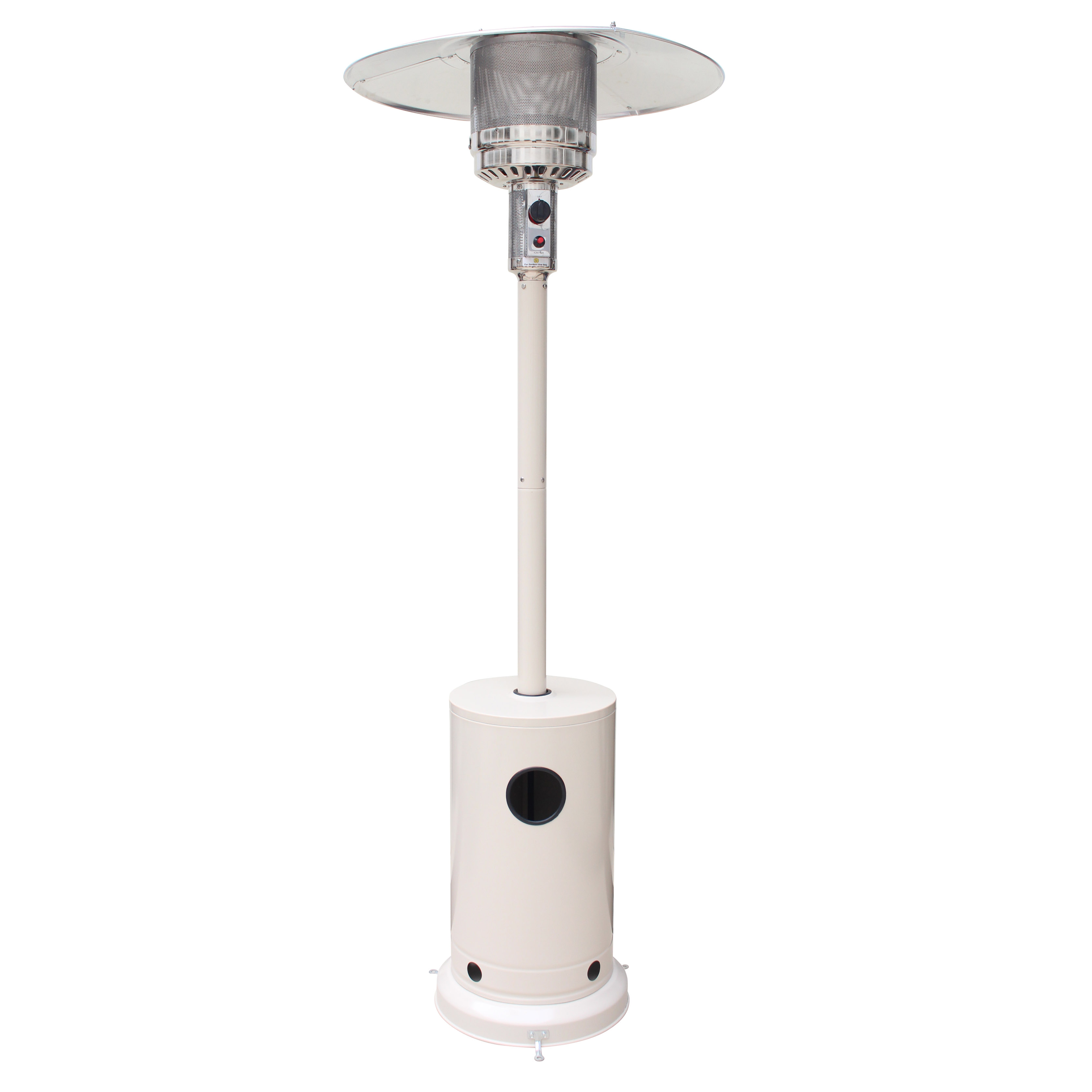
Commercial hospitality projects demand heating solutions that balance comfort, reliability, and operational efficiency. A patio gas heater has emerged as a cornerstone technology for outdoor dining venues, resorts, and hospitality environments seeking to extend their seasonal appeal and guest satisfaction. Understanding what makes a patio gas heater suitable for these demanding commercial applications requires examining performance specifications, safety compliance, durability standards, and operational practicality that distinguish professional-grade units from consumer alternatives.
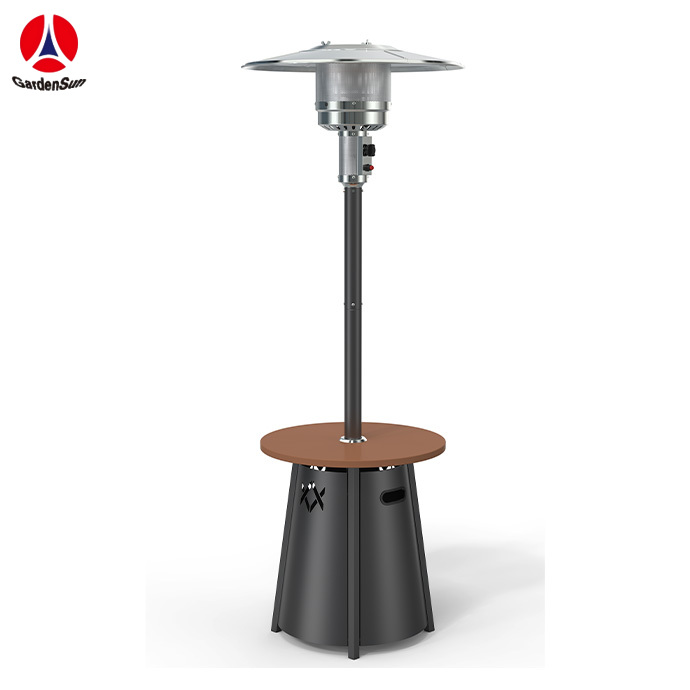
The hospitality industry faces unique outdoor heating challenges. Guest comfort directly impacts occupancy rates, venue reputation, and revenue generation. A commercial-grade patio gas heater must deliver consistent warmth across varied weather conditions while meeting strict safety regulations and maintaining aesthetic alignment with upscale environments. The decision to invest in a patio gas heater involves evaluating heating capacity, fuel efficiency, installation complexity, maintenance requirements, and total cost of ownership across multiple seasons of operation.
Heating Performance and Coverage Specifications
Output Capacity and Temperature Control
Commercial hospitality venues require a patio gas heater capable of delivering substantial heating output measured in BTUs (British Thermal Units). Professional-grade units typically generate 40,000 to 100,000 BTUs, depending on venue size and environmental exposure. A properly sized patio gas heater creates effective coverage zones that maintain comfortable temperatures around dining tables, bar seating areas, and guest gathering spaces. The heating radius of a quality patio gas heater extends 15 to 25 feet under favorable conditions, allowing operators to warm multiple seating areas without installing excessive equipment. Temperature consistency matters significantly in hospitality settings, as fluctuating heat creates guest dissatisfaction and reduces outdoor space utilization during shoulder seasons.
Fuel Efficiency and Operating Costs
A commercial-grade patio gas heater balances heating output with fuel consumption efficiency. Modern designs incorporate reflective materials and directed heat projection to maximize warmth delivery while minimizing propane consumption. Operators can estimate monthly fuel costs by analyzing BTU output, duty cycle, and local propane pricing. A well-designed patio gas heater typically consumes one to two pounds of propane per operating hour at full capacity. For commercial venues running outdoor heating from April through October, fuel costs represent a significant operational expense that warrants careful equipment selection. Premium patio gas heater models feature adjustable controls and thermostat integration, enabling venue managers to reduce fuel consumption during mild weather periods while maintaining guest comfort.
Durability and Commercial-Grade Construction
Material Standards and Weather Resistance
Hospitality environments demand a patio gas heater constructed from materials that withstand continuous outdoor exposure, salt air, moisture, and temperature cycling. Commercial-grade units feature stainless steel housings, powder-coated metal frames, and protective reflectors designed for multi-season durability. The best patio gas heater models incorporate rust-resistant fasteners, sealed combustion chambers, and weatherproof control systems that function reliably across five to ten years of intensive use. Surface finishes on commercial patio gas heater equipment must resist corrosion and maintain aesthetic appeal in upscale hospitality settings where visual presentation influences guest perception. Protective covers and seasonal storage practices extend the operational lifespan of a patio gas heater significantly beyond typical consumer product timelines.
Safety Features and Regulatory Compliance
Commercial patio gas heater installations must comply with building codes, fire safety regulations, and gas appliance standards established by local authorities and national safety organizations. A compliant patio gas heater includes automatic shutoff mechanisms, tip-over protection, oxygen depletion sensors, and flame-failure safety systems that prevent dangerous gas release. Commercial venues typically require professional installation of a patio gas heater by certified technicians familiar with local permit requirements, clearance specifications, and inspection protocols. The patio gas heater must maintain safe distances from combustible materials, vegetation, and guest traffic patterns. Insurance providers often specify minimum safety feature requirements for commercial patio gas heater installations, making compliance verification essential before equipment purchase and deployment.
Operational Flexibility and Venue Integration
Installation Options and Space Adaptation
Commercial hospitality projects benefit from diverse patio gas heater configurations that adapt to varied venue layouts. Freestanding pedestal models, wall-mounted units, and tabletop patio gas heater designs allow operators to optimize heating placement across dining areas without permanent structural modifications. A strategic patio gas heater arrangement creates multiple comfort zones around patios, poolsides, and outdoor bars. Installation flexibility enables seasonal repositioning, accommodating furniture rearrangement and venue reconfiguration. Some commercial properties deploy a patio gas heater network combining multiple units that create comprehensive outdoor climate control. Temporary or portable patio gas heater arrangements suit hospitality venues with evolving outdoor space needs, event venues requiring flexible heating solutions, and seasonal operations maximizing revenue during optimal weather windows.
User Experience and Guest Satisfaction Impact
The presence of reliable patio gas heater infrastructure directly correlates with guest satisfaction metrics and venue profitability in hospitality sectors. Guests appreciate ambient warmth that extends comfortable outdoor dining into spring and fall months when unheated patio space becomes unusable. A well-maintained patio gas heater creates inviting outdoor environments that justify premium pricing and attract customers during shoulder seasons when venues typically experience reduced traffic. Commercial hospitality managers recognize patio gas heater deployment as a revenue-generation investment rather than a pure cost center. Venues featuring functional patio gas heater systems report increased outdoor seating utilization, higher guest retention rates, and improved online reviews mentioning outdoor comfort. The operational visibility of a patio gas heater—guests observing reliable ambient heating—builds confidence in venue quality and attention to guest experience details.
FAQ
What BTU output should a commercial patio gas heater provide for restaurant dining areas?
Restaurant dining areas typically require a patio gas heater delivering 40,000 to 60,000 BTUs for adequate coverage of 8 to 12 table seating areas in moderate climate zones. The specific patio gas heater BTU requirement depends on ambient temperature ranges, wind exposure, venue insulation, and desired guest comfort levels. Professional heating engineers often recommend one patio gas heater unit per 200 to 300 square feet of outdoor dining space, adjusting capacity upward in harsh climates or exposed locations. Oversizing a patio gas heater increases fuel consumption without proportional comfort gains, while undersizing compromises guest satisfaction and limits seasonal revenue potential.
How often does a commercial patio gas heater require maintenance and safety inspections?
A commercial patio gas heater demands annual professional inspection before the seasonal heating period begins, covering burner function, gas connections, safety valve operation, and structural integrity. Monthly visual checks during the operating season identify corrosion, visible damage, or performance degradation requiring immediate attention. A well-maintained patio gas heater performs reliably throughout the entire heating season and extends equipment lifespan significantly. Propane tank servicing, connection verification, and reflector cleaning should occur before seasonal activation, ensuring optimal patio gas heater performance and safety compliance throughout peak usage periods.
Can a single patio gas heater unit effectively warm an entire resort poolside or outdoor lounge area?
A single patio gas heater typically covers a concentrated area of 15 to 25 feet radius under ideal conditions, making multiple units necessary for large resort poolsides and extended outdoor lounge areas. Strategic patio gas heater placement around pool perimeters, lounge seating clusters, and bar areas creates overlapping warmth zones that maximize comfort while managing fuel costs. Resort operators often deploy three to eight patio gas heater units coordinated across outdoor spaces, creating inviting environments that encourage guest utilization and enhance property value perception. A comprehensive patio gas heater network requires professional design assessment and installation planning to optimize coverage while maintaining aesthetic harmony with resort landscaping and architectural design.