
 EN
EN
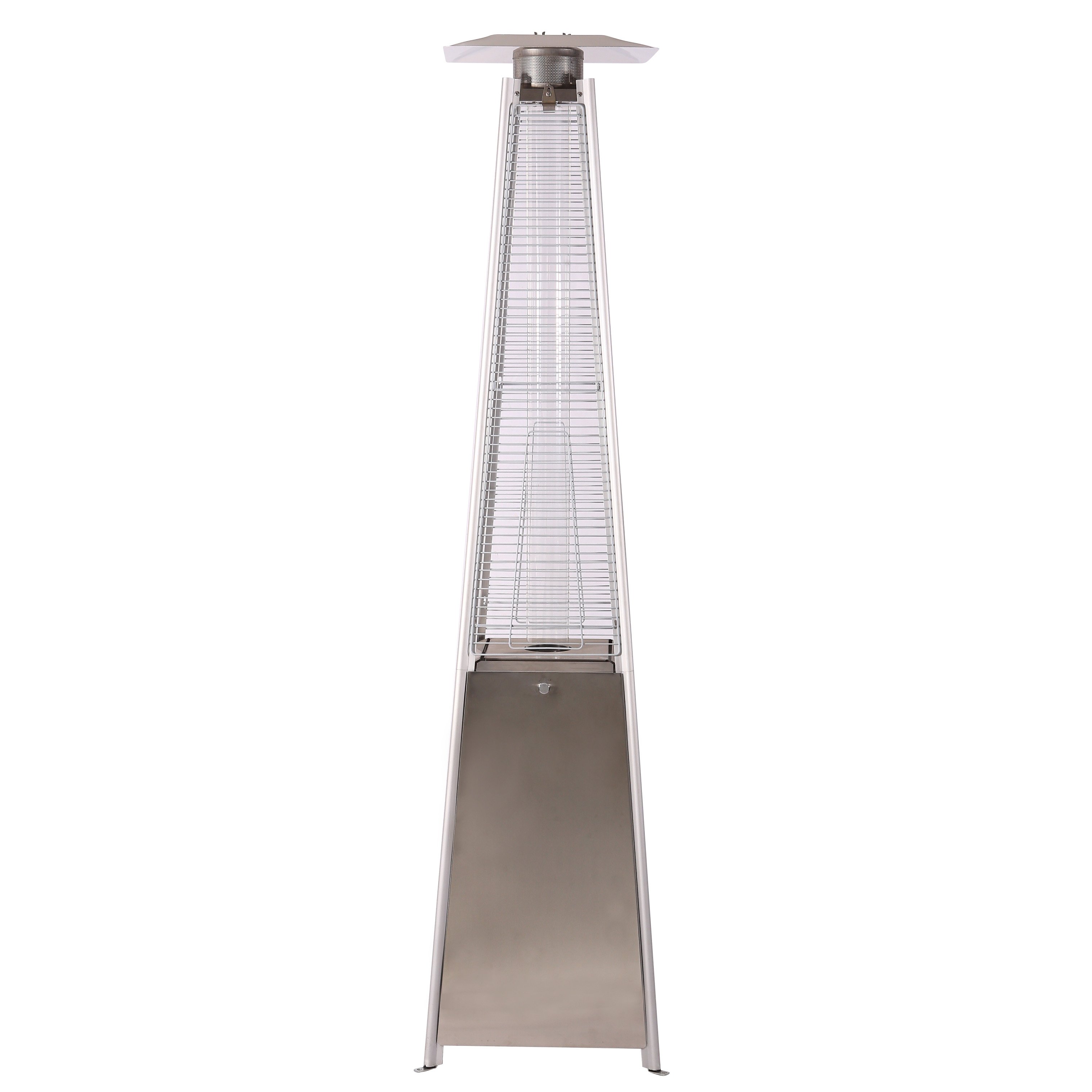
Selecting the right patio heater for your outdoor space requires careful consideration of multiple factors that go beyond simple aesthetics. A patio heater serves as a functional investment that extends your outdoor entertaining season and enhances guest comfort in any weather condition. Whether you operate a residential backyard, manage a commercial establishment, or oversee a hospitality venue, the choice of the right patio heater directly impacts both operational efficiency and customer satisfaction. The decision involves evaluating fuel types, heating capacity, space dimensions, aesthetic preferences, and long-term maintenance requirements. Understanding these critical elements helps business owners and property managers invest in a patio heater solution that delivers consistent performance and aligns with their specific outdoor applications.
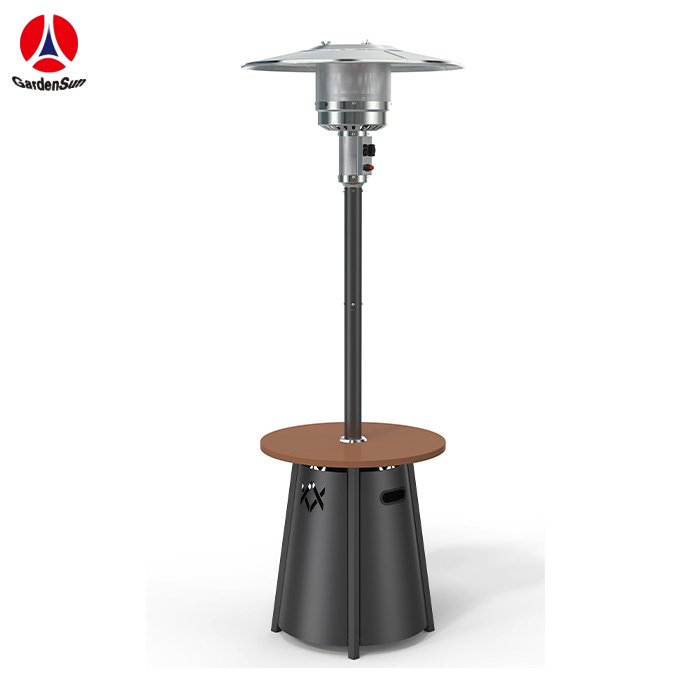
Different outdoor applications demand different patio heater specifications and deployment strategies. A commercial patio heater serving a busy restaurant requires different performance characteristics than one installed in a residential garden setting. The scope of your outdoor space, the number of guests you typically accommodate, local climate patterns, and available utility infrastructure all shape which patio heater model will deliver optimal results. This comprehensive guide walks business owners through the decision-making process, ensuring that your chosen patio heater investment maximizes comfort, efficiency, and return on investment across diverse outdoor applications and seasonal conditions.
Understanding Patio Heater Types and Fuel Options
Propane and Natural Gas Patio Heater Solutions
Propane represents the most widely available and flexible patio heater fuel option for residential and commercial installations. A propane patio heater operates independently from permanent utility infrastructure, allowing flexible placement throughout outdoor areas. Commercial establishments frequently choose propane patio heater units because they deliver consistent heat output without requiring professional installation of gas lines. Natural gas patio heater systems provide an alternative for properties with existing natural gas infrastructure, offering lower operating costs in some regions. The choice between propane and natural gas for your patio heater depends on local utility availability, long-term cost projections, and facility infrastructure compatibility. Both options deliver rapid heat deployment and reliable performance across varying outdoor environments and seasonal changes.
Electric and Infrared Patio Heater Technology
Electric patio heater models offer clean operation, minimal maintenance requirements, and installation flexibility for covered outdoor spaces. An electric patio heater works effectively in sheltered patios where proximity to power outlets exists and wind protection is available. Infrared patio heater technology focuses radiant heat directly on occupants rather than heating the surrounding air, creating concentrated warmth zones that feel more natural and efficient. The infrared patio heater approach works particularly well in outdoor hospitality settings where heating efficiency directly impacts guest experience and operating margins. When considering an electric patio heater or infrared patio heater system, evaluate available electrical service capacity, outlet positioning, and weather protection measures throughout your outdoor space. Both electric and infrared options provide emissions-free operation, making them ideal for enclosed or semi-enclosed outdoor venues where air quality matters.
Evaluating Space Requirements and Heating Capacity
Calculating Coverage Area for Your Patio Heater
Every patio heater model produces a specific heat output measured in British Thermal Units (BTU), directly determining its effective coverage radius. A residential patio heater typically delivers between 30,000 and 50,000 BTU, effectively warming 150 to 200 square feet of outdoor space. Commercial patio heater units often exceed 80,000 BTU, covering significantly larger areas and accommodating higher guest volumes typical in hospitality environments. To properly size your patio heater, measure your outdoor entertaining area and calculate total square footage, then match that dimension to the patio heater's documented heating range. Installing multiple patio heater units strategically throughout expansive outdoor spaces ensures comprehensive coverage and prevents uncomfortable temperature variations that frustrate guests. Understanding your space dimensions prevents both undersizing, which leaves areas uncomfortably cold, and oversizing, which creates unnecessary energy waste and operational expenses.
Climate and Environmental Considerations
Local climate patterns, seasonal temperature ranges, and typical wind conditions directly influence which patio heater model performs most effectively. A patio heater in temperate climates requires different specifications than the same equipment deployed in cold northern regions or moderate southern areas. Wind exposure significantly reduces patio heater effectiveness because moving air disperses radiant heat and reduces the comfortable warming radius. Consider installing windbreaks, screens, or strategically positioning your patio heater to maximize protection from prevailing wind patterns common to your location. Properties in areas with frequent rain or moisture require a patio heater model featuring rust-resistant materials and weatherproof electrical components. High altitude locations may require patio heater adjustments because reduced oxygen availability affects fuel combustion efficiency, potentially necessitating specialized equipment or maintenance procedures.
Matching Patio Heater Selection to Business Applications
Residential Patio Heater Requirements
Homeowners typically prioritize aesthetics alongside functionality when selecting a patio heater for private entertaining spaces. A residential patio heater must complement outdoor furniture, landscaping, and overall property design while delivering reliable performance throughout the entertaining season. Propane patio heater models dominate residential installations because they provide portable flexibility, eliminate permanent installation costs, and integrate easily with existing outdoor spaces. Many homeowners prefer tabletop patio heater or patio heater designs that balance heating capacity with visual discretion. Residential patio heater selection emphasizes ease of use, straightforward maintenance routines, and operating costs aligned with occasional seasonal entertaining rather than daily commercial use patterns.
Commercial and Hospitality Patio Heater Deployment
Commercial establishments including restaurants, hotels, resorts, and entertainment venues require patio heater solutions engineered for high-volume use, consistent daily operation, and maximum guest capacity accommodation. A commercial patio heater must deliver dependable performance across extended operating seasons, often running daily from afternoon through late evening during warmer months. Restaurant patio heater installations need robust construction, quick heat delivery, and reliable performance that directly impacts dining experience quality and seasonal revenue generation. Hotels and resorts deploy patio heater systems throughout poolside areas, event venues, and recreational spaces where guest comfort directly drives satisfaction ratings and repeat bookings. Commercial patio heater models feature reinforced construction, extended warranty coverage, and heat outputs specifically engineered for professional hospitality applications. The right commercial patio heater investment improves operational capacity, extends usable outdoor entertaining seasons, and ultimately increases venue profitability by enabling revenue generation during shoulder seasons when outdoor comfort matters most.
FAQ
What size patio heater do I need for my outdoor space?
The appropriate patio heater size depends on your outdoor space dimensions and typical guest capacity. Measure your entertaining area in square feet, then select a patio heater model rated to cover that coverage area according to the manufacturer's heating range specifications. Generally, a residential patio heater provides adequate warmth for spaces up to 200 square feet, while commercial applications require larger patio heater units exceeding 80,000 BTU to effectively warm 300+ square feet with multiple seated guests.
Can a patio heater operate in windy conditions?
Wind significantly reduces patio heater effectiveness because it disperses radiant heat and shrinks the comfortable warming zone around your guests. Installing windbreaks, placing your patio heater strategically against walls or barriers, or using shielding screens all help protect your patio heater investment from prevailing wind. Some patio heater models include built-in wind protection features, and many commercial installations combine multiple patio heater units with strategic placement to maintain consistent warmth despite environmental conditions.
What maintenance does a patio heater require?
Regular patio heater maintenance ensures safe, reliable operation throughout its service life. Inspect your patio heater monthly for debris, check fuel connections for leaks, clean the burner head, and verify that all control mechanisms function properly. Professional servicing annually, before each heating season, helps identify potential patio heater issues before they impact performance and guest comfort during your busiest entertaining periods.