
 EN
EN
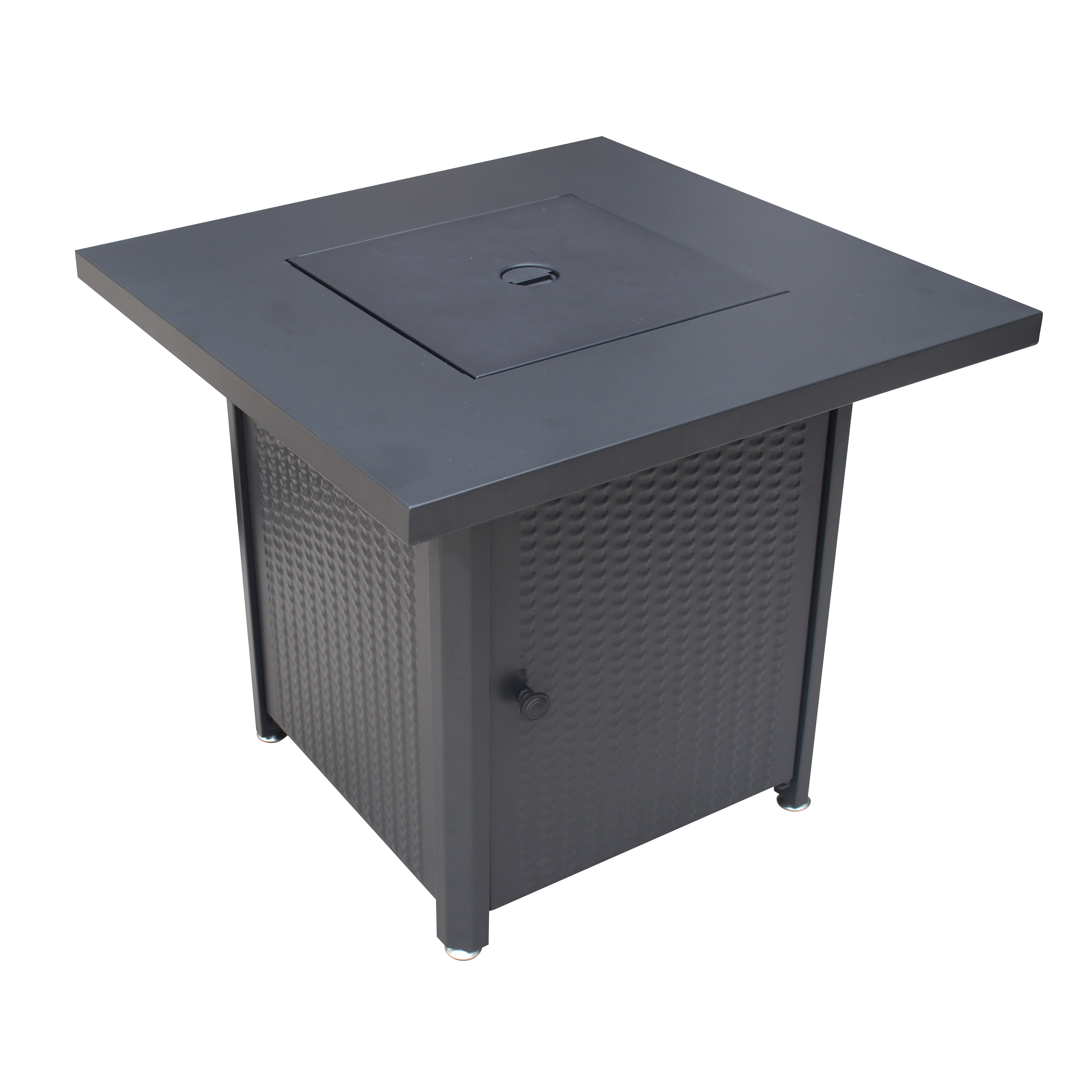
The success of modern hospitality projects depends on creating comfortable outdoor environments that guests want to enjoy year-round. A well-chosen patio heater serves as far more than a functional appliance; it shapes the guest experience, influences operational efficiency, and reflects the quality standards of your establishment. Understanding why patio heater design matters is essential for hospitality managers, architects, and facility planners who want to maximize outdoor space utility and customer satisfaction.
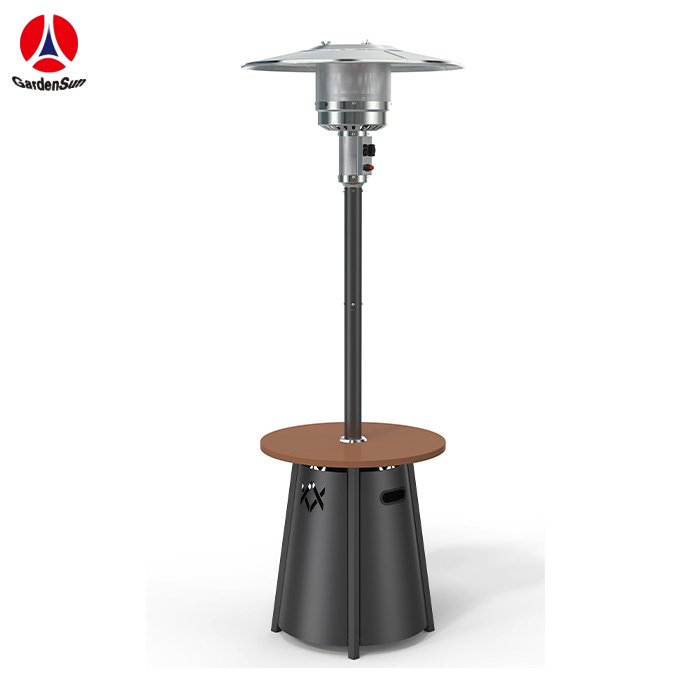
Hospitality properties face unique challenges when designing outdoor spaces. Guests expect seamless comfort whether dining on a terrace in spring, enjoying evening drinks in autumn, or gathering for winter events. The right patio heater design addresses these expectations while managing energy costs, aesthetic integration, and maintenance demands. This article explores why patio heater selection and design directly influence guest retention, revenue generation, and brand reputation in the competitive hospitality sector.
How Patio Heater Design Impacts Guest Experience and Comfort
Creating Extended Outdoor Season Utilization
A strategically designed patio heater expands the usable outdoor season from summer-only to nearly year-round operation. Properties in temperate climates can now host events, dining, and social gatherings from spring through late autumn and even winter with properly installed heating solutions. This extended season directly increases revenue opportunities, as outdoor spaces become revenue-generating zones rather than seasonal amenities. When guests feel comfortable in outdoor settings, they spend more time, order more beverages and meals, and create positive social media content that attracts new customers.
The design of a patio heater determines how effectively it maintains optimal temperature zones. Modern patio heater technology includes radiant heating, infrared elements, and directional warmth distribution that creates comfortable microclimates without overheating entire areas. Guests appreciate the targeted comfort, and operators appreciate the energy efficiency. A poorly designed patio heater wastes fuel, creates uneven heating, and leaves some guests uncomfortably cold while others feel excessive heat.
Aesthetic and Brand Integration
The visual design of a patio heater significantly influences how guests perceive your property's quality and attention to detail. A sleek, modern patio heater complements contemporary hospitality design, while a rustic or elegant model fits upscale traditional venues. The patio heater becomes part of the outdoor décor landscape, and poor design choices create visual clutter or inconsistency. High-end hospitality properties recognize that every element, including the patio heater, communicates brand values.
Commercial properties must choose patio heater designs that align with their market positioning and architectural style. A luxury resort's patio heater should reflect sophistication, while a casual outdoor bar's patio heater can embrace bold or playful design. This aesthetic consideration affects how guests photograph the space, share experiences online, and recommend the venue to others. The patio heater design becomes part of your brand identity and competitive differentiation.
Operational and Cost Efficiency Benefits of Quality Patio Heater Design
Energy Consumption and Operating Costs
Quality patio heater design directly impacts operational budgets and sustainability goals for hospitality properties. A well-engineered patio heater delivers consistent heat output while minimizing fuel consumption, resulting in lower operating costs compared to inefficient models. The patio heater's combustion efficiency, insulation design, and heat distribution mechanics determine whether you're wasting fuel or maximizing every unit of energy purchased. For properties operating multiple outdoor heating zones, this efficiency difference compounds significantly across seasons.
Modern patio heater designs incorporate thermostatic controls, wind-resistant combustion chambers, and optimized fuel flow mechanisms that reduce waste. Some advanced patio heater models include smart controls that adjust heating based on ambient temperature and occupancy patterns. This intelligent patio heater design approach allows operators to maintain guest comfort while minimizing unnecessary consumption during slow periods or mild weather.
Maintenance, Durability, and Longevity
The structural and mechanical design of a patio heater determines its maintenance requirements and service lifespan. High-quality patio heater designs use corrosion-resistant materials, sealed combustion chambers, and durable heating elements that withstand seasonal weather exposure and heavy use. Poorly designed patio heaters deteriorate quickly, requiring frequent repairs and earlier replacement, ultimately costing more than investing in superior design initially.
A well-constructed patio heater minimizes maintenance downtime that disrupts guest experiences. When a patio heater fails mid-season during guest use, the hospitality business loses revenue and faces customer disappointment. Quality patio heater design includes accessibility for cleaning, filter replacement, and routine maintenance that can be performed by standard facility staff rather than specialized technicians. This design foresight reduces service costs and ensures consistent outdoor space availability throughout operating seasons.
Safety, Compliance, and Liability Considerations in Patio Heater Design
Regulatory Standards and Risk Mitigation
Hospitality properties must select patio heater designs that comply with local building codes, safety standards, and fire regulations. Proper patio heater design includes automatic shut-off mechanisms, tip-over protection, and proper clearance specifications from combustible materials. Non-compliance with patio heater safety standards creates legal liability, potential property damage, and guest injury risks that can devastate hospitality businesses.
Insurance providers often require specific patio heater design standards before covering hospitality properties. Underwriters examine whether your patio heater models meet industry safety certifications, are installed at correct distances from structures, and have appropriate supervision protocols. A patio heater designed with safety as a core feature reduces insurance claims, maintains coverage validity, and demonstrates professional risk management to regulatory inspectors and guests.
Guest Safety and Accident Prevention
The physical design of a patio heater influences how safely guests interact with the heating system during outdoor gatherings. A patio heater with exposed hot surfaces or unstable base design creates burn and injury risks, particularly in venues serving alcohol or hosting crowded events. Quality patio heater designs include protective guards, stable weighted bases, and intuitive safety controls that prevent accidental misuse. These design features protect guests, reduce liability claims, and create the confidence that allows guests to relax fully.
Commercial patio heater design standards address carbon monoxide production, proper ventilation requirements, and fuel storage safety. A poorly ventilated patio heater installation or a design that accumulates toxic gases creates serious health risks that liability insurance cannot fully protect against. Professional patio heater design ensures that heating elements function safely without compromising air quality in outdoor gathering spaces.
FAQ
What design features should I prioritize when selecting a patio heater for my hospitality property?
Prioritize fuel efficiency, corrosion-resistant materials, weather protection, stable base design, and aesthetic alignment with your brand. Your patio heater should include automatic shut-off features, tip-over protection, and compliance with local fire codes. Consider whether the patio heater's heating capacity matches your typical guest capacity and venue size. A quality patio heater should deliver consistent warmth, require minimal maintenance, and integrate seamlessly into your outdoor space design.
How does patio heater design affect revenue generation for hospitality businesses?
An effective patio heater design extends your outdoor season by several months, allowing venues to generate revenue from otherwise seasonal spaces. Comfortable outdoor environments encourage guests to spend more time at your property, increasing food and beverage sales. Properly heated outdoor areas support larger event capacity, premium pricing for outdoor seating, and improved online reputation as guests share comfortable outdoor experiences. Poor patio heater design limits seasonal use, reduces outdoor space appeal, and forces guests inside during shoulder seasons.
What maintenance and durability expectations should I have for commercial patio heaters?
Quality commercial patio heater designs should operate reliably for three to five years with standard seasonal use and routine maintenance. Expect to perform monthly cleaning of heating elements, quarterly filter replacement, and seasonal inspections. A well-designed patio heater with corrosion-resistant materials and sealed components will maintain performance throughout its service life. Budget for professional servicing annually, and choose patio heater models with readily available replacement parts to minimize future costs and downtime.