
 EN
EN
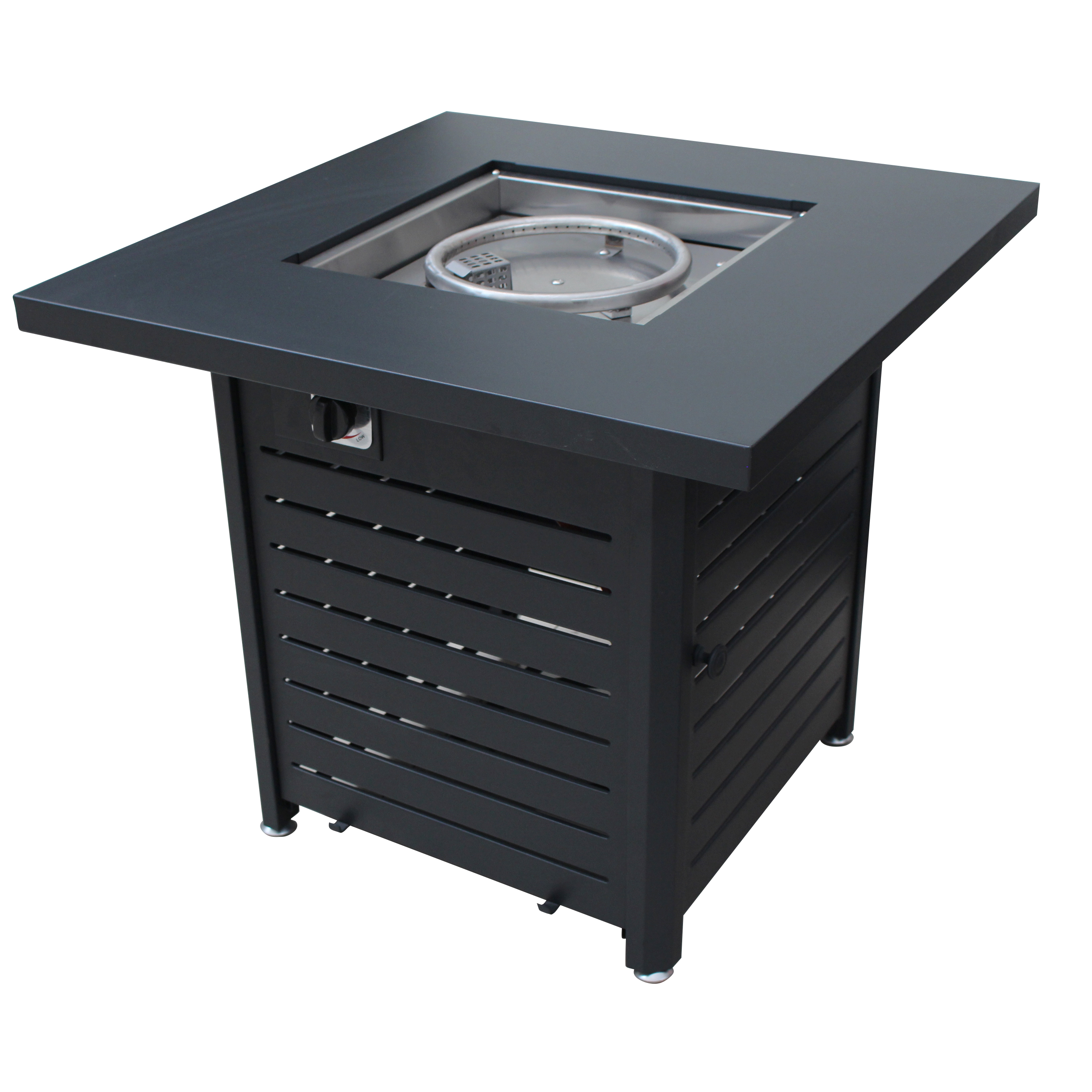
Choosing the right gas patio heater for commercial spaces requires careful evaluation of multiple technical, operational, and financial factors. A gas patio heater represents a significant investment for restaurants, hotels, retail establishments, and hospitality venues seeking to extend outdoor seating capacity and guest comfort year-round. The decision goes far beyond selecting any available model; it demands understanding how a gas patio heater performs in your specific environment, how it integrates with your operational workflow, and whether it delivers acceptable return on investment over its service life.
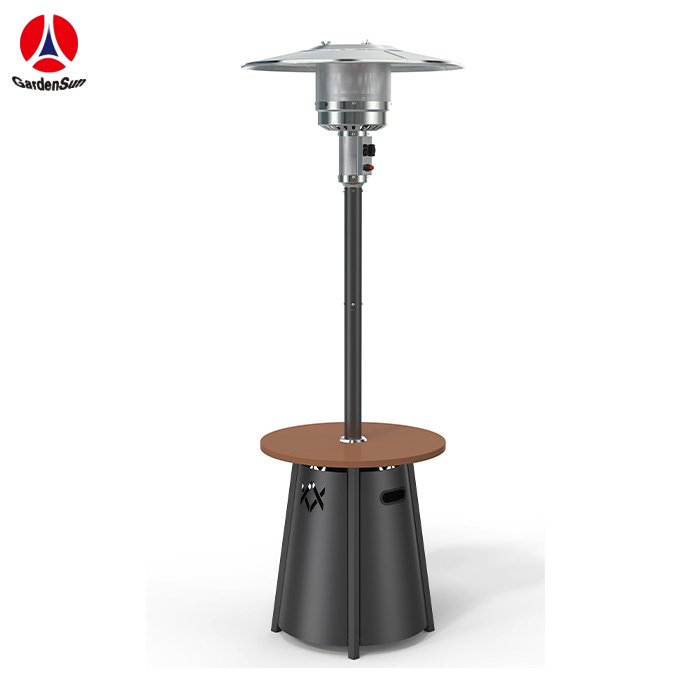
Commercial environments demand performance reliability, user safety compliance, and operational cost efficiency that residential-grade equipment simply cannot deliver. When evaluating a gas patio heater for commercial deployment, you must weigh heating capacity against outdoor layout, fuel availability against operating costs, and installation complexity against available space. This comprehensive guide walks you through the essential selection criteria that separate appropriate equipment choices from costly mistakes.
Understanding Heat Output and Coverage Requirements
Calculating BTU Needs for Your Space
Heat output, measured in British Thermal Units (BTUs), forms the foundation of any gas patio heater selection decision. A gas patio heater with insufficient BTU capacity will leave guests uncomfortably cold, reducing outdoor space utilization and diminishing customer satisfaction. Conversely, oversizing your gas patio heater wastes fuel and creates uneven heating patterns. Commercial buyers must calculate the total square footage of outdoor seating areas, account for seasonal temperatures in your region, and consider wind exposure when determining appropriate BTU requirements. A basic rule suggests approximately 30 to 40 BTUs per square foot for semi-sheltered outdoor spaces, though this varies significantly based on climate, season, and desired comfort levels.
Heat Distribution Patterns and Radiant Efficiency
Different gas patio heater designs distribute heat differently across your outdoor space. Overhead-mounted models radiate heat downward efficiently in covered patio environments, while standing gas patio heater units project heat outward in roughly 360-degree patterns. The efficiency of your chosen gas patio heater depends on reflector design, burner configuration, and proximity to seating areas. Commercial properties with expansive outdoor zones benefit from multiple smaller gas patio heater units strategically positioned rather than relying on a single large model. Understanding how your specific gas patio heater radiates heat allows you to maximize coverage while minimizing fuel consumption and operational expense.
Safety Standards, Compliance, and Installation Considerations
Regulatory Requirements and Certification
Commercial gas patio heater installations must comply with local building codes, fire safety regulations, and utility company standards that govern outdoor combustion appliances. Before purchasing any gas patio heater, verify that your model meets applicable ANSI standards, holds appropriate UL certification, and satisfies state or municipal heating equipment requirements. Improper gas patio heater installation creates fire hazards, carbon monoxide risks, and potential liability exposure that can far exceed the equipment cost. Many jurisdictions require licensed professionals to install commercial gas patio heater systems and mandate annual safety inspections. Understanding these regulatory requirements prevents costly installation delays, forced equipment replacement, and potential operational shutdown after significant capital investment.
Ventilation, Clearance, and Structural Readiness
Proper gas patio heater installation demands adequate clearance from combustible materials, overhead coverage compatibility, and wind protection without creating ventilation hazards. Your site must provide sufficient space around the gas patio heater unit while maintaining protective distance from wooden structures, cloth furnishings, and food preparation areas. Overhead installations of a gas patio heater require structural assessment to confirm roof or ceiling framework can safely support weight and withstand operational vibration. Ground-level gas patio heater placement needs stable, level foundations and protection from weather exposure that degrades structural integrity. Evaluating your physical space before purchasing specific gas patio heater equipment prevents expensive installation complications and ensures safe, compliant operation throughout the equipment lifecycle.
Fuel Supply, Operating Costs, and Maintenance Demands
Fuel Source Options and Supply Chain Reliability
Commercial gas patio heater systems typically operate on propane or natural gas, each presenting distinct operational implications. A propane-fueled gas patio heater offers installation flexibility since propane delivery infrastructure reaches most locations, though fuel costs fluctuate seasonally and supply chain disruptions can interrupt service during peak demand periods. Natural gas-connected gas patio heater systems provide more stable pricing and eliminate fuel tank management but require existing gas utility infrastructure and longer service interruptions if maintenance becomes necessary. Evaluating local fuel availability, seasonal pricing patterns, and reliability of your chosen fuel source directly impacts your gas patio heater operating budget and operational continuity. Commercial buyers must confirm that propane delivery schedules align with your operational calendar or that natural gas infrastructure exists on your property before committing to a specific gas patio heater fuel type.
Long-Term Maintenance and Service Access
A gas patio heater requires regular maintenance including burner cleaning, gas valve inspection, and seasonal weatherproofing to maintain safe, efficient operation. Before purchasing any gas patio heater model, research parts availability in your region and confirm that qualified service technicians can access replacement components without extended delays. Commercial operators should establish preventive maintenance schedules early, budgeting for annual professional inspections of your gas patio heater system. Some gas patio heater designs feature easily accessible components that simplify routine maintenance, while others require disassembly or specialized tools. Understanding maintenance accessibility and service availability prevents operational downtime when your gas patio heater requires attention during high-revenue seasons when outdoor heating demand peaks.
Design, Durability, and Total Cost of Ownership
Material Quality and Weather Resistance
Commercial gas patio heater equipment endures continuous exposure to temperature fluctuations, moisture, UV radiation, and occasional physical contact that degrades lower-quality materials rapidly. Stainless steel construction resists corrosion far more effectively than painted steel or aluminum, preserving your gas patio heater appearance and structural integrity across multiple seasons. Premium gas patio heater models incorporate tempered glass components and marine-grade finishes that withstand aggressive weather conditions while maintaining aesthetic appeal in upscale hospitality environments. Evaluating material specifications of candidate gas patio heater models reveals how durability investments translate into extended equipment lifecycle and predictable replacement timing. A seemingly expensive gas patio heater with superior material quality often delivers lower total ownership cost than budget alternatives requiring frequent repairs or early replacement.
Aesthetic Compatibility and Space Integration
Your selected gas patio heater must complement existing outdoor décor, architectural style, and overall guest experience rather than appearing as an afterthought addition. Commercial environments ranging from casual dining to luxury resorts require gas patio heater designs that enhance rather than detract from carefully curated outdoor ambiance. Some gas patio heater models integrate lighting elements, decorative elements, or specialized finishes that align with contemporary design preferences, while utilitarian models prioritize pure functionality. Evaluating how your chosen gas patio heater fits within the visual environment helps justify budget allocations and ensures stakeholder acceptance of capital expenditures. A gas patio heater that aligns with your venue's design philosophy becomes an asset that enhances perceived value rather than a utilitarian necessity that disrupts aesthetic intent.
FAQ
What BTU output should I select for a restaurant patio with 20 covered tables?
Most restaurant patios require 40,000 to 80,000 BTU total capacity distributed across multiple gas patio heater units rather than concentrated in a single model. A covered 20-table patio typically encompasses 2,000 to 3,000 square feet, suggesting two to four units rated between 20,000 and 40,000 BTUs each. Strategic placement of your gas patio heater units around the patio perimeter ensures even heat distribution and maximizes guest comfort throughout the space. Consulting with a heating specialist helps confirm appropriate sizing for your specific venue dimensions and climate zone.
Can I install a gas patio heater myself, or must I hire professionals?
Most commercial gas patio heater installations require licensed contractors to ensure compliance with building codes, utility standards, and fire safety regulations that vary by jurisdiction. Even technically skilled property managers should engage qualified professionals since improper gas patio heater installation creates serious liability exposure and potential regulatory violations. Professional installation of your gas patio heater includes proper ventilation setup, clearance verification, gas connection safety testing, and regulatory documentation that protects your business. The relatively modest installation cost represents essential risk management that prevents far costlier complications later.
How much can I expect to spend annually on fuel for a commercial gas patio heater?
Annual fuel costs for a gas patio heater depend heavily on climate, heating season duration, operating hours, BTU capacity, and local fuel pricing. A mid-sized gas patio heater operating during a six-month heating season in moderate climates might consume $500 to $1,500 in propane annually, while colder climates with extended seasons could exceed $3,000 yearly. Natural gas-connected gas patio heater systems typically cost less per BTU but involve infrastructure expenses and fixed connection fees. Reviewing historical heating costs in your region and calculating your specific gas patio heater usage patterns provides accurate budget projections for capital planning purposes.