
 EN
EN
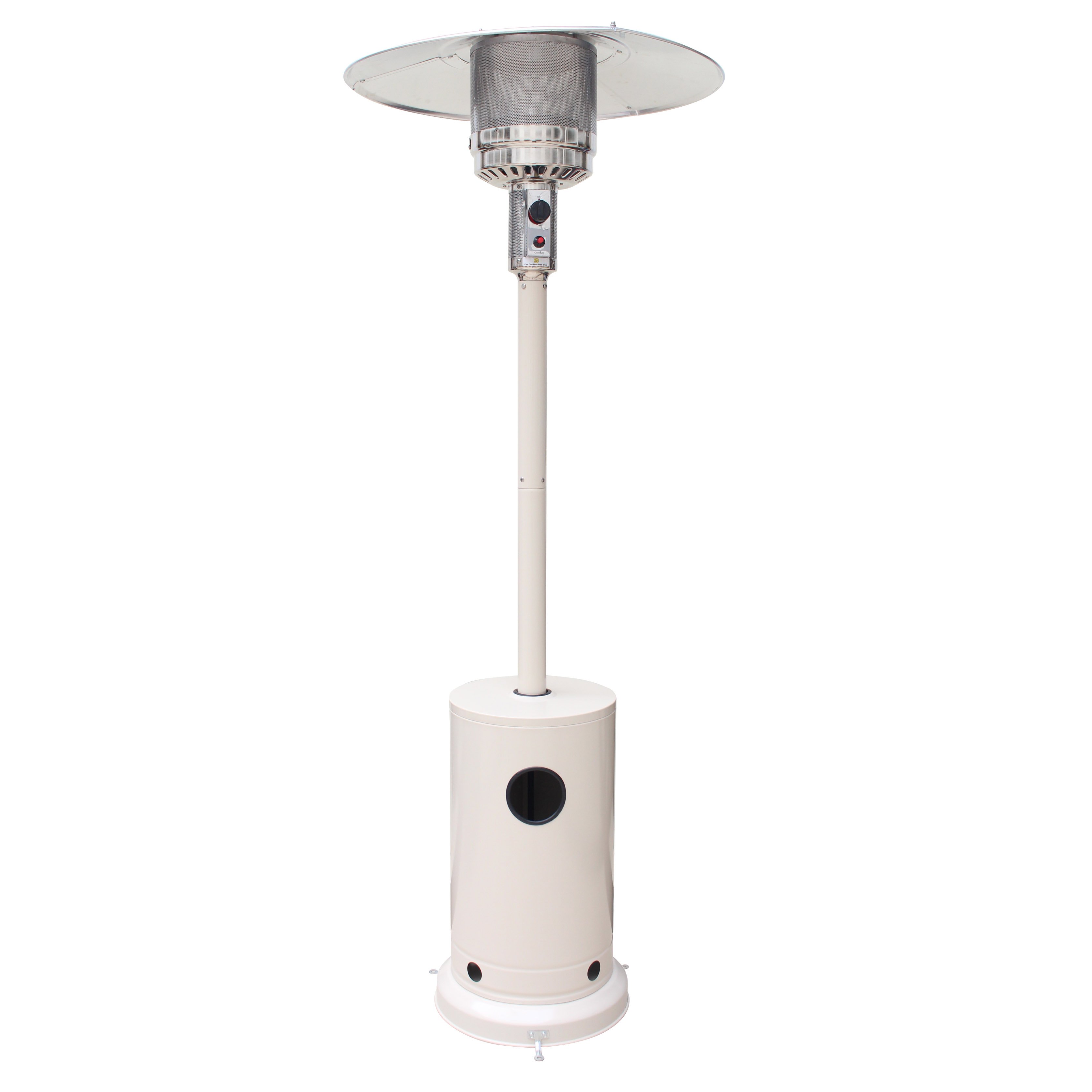
In the competitive world of modern hospitality, every design decision carries weight. From ambient lighting to furniture selection, the elements that define an outdoor space directly influence guest satisfaction, dwell time, and revenue. The outdoor patio heater has evolved from a purely functional appliance into a purposeful design element that bridges comfort with aesthetics. For hotel terraces, restaurant courtyards, rooftop bars, and resort lounges, integrating an outdoor patio heater thoughtfully can transform a seasonally limited space into a year-round hospitality asset.
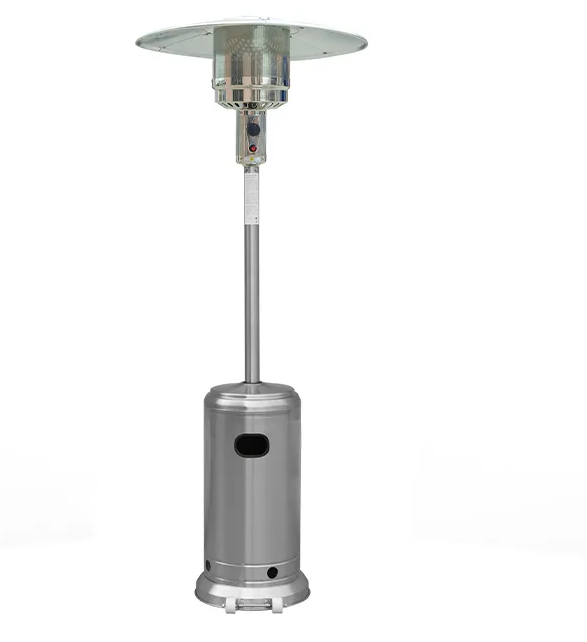
Yet many hospitality designers still treat the outdoor patio heater as an afterthought — something bolted into a corner once the primary design work is done. This approach leads to visual clutter, inefficient heat distribution, and missed opportunities to elevate the overall guest experience. This article walks through the key principles, strategies, and practical considerations for integrating an outdoor patio heater into modern hospitality design in a way that is both functional and architecturally cohesive.
Understanding the Role of an Outdoor Patio Heater in Hospitality Spaces
From Utility to Design Language
The modern hospitality industry has redefined what guests expect from outdoor environments. Comfortable temperatures, regardless of season or time of day, are now considered a baseline expectation at premium venues. An outdoor patio heater no longer simply provides warmth — it communicates a venue's commitment to guest comfort and attention to detail. When selected and positioned correctly, an outdoor patio heater becomes a visual anchor in the space, contributing to the overall atmosphere rather than disrupting it.
Design-forward venues increasingly choose outdoor patio heater models whose form complements the surrounding architecture. Sleek stainless-steel standing heaters work well in contemporary minimalist settings, while matte black or antique bronze finishes integrate more naturally into industrial or rustic outdoor environments. The choice of finish, shape, and mounting style should be made in concert with the broader interior and exterior design language of the property.
This shift in thinking — treating the outdoor patio heater as a design element rather than a utility device — is central to how leading hospitality brands are approaching their outdoor spaces today. The result is a more polished, guest-centric environment that photographs well, earns positive reviews, and drives repeat visits.
Guest Comfort as a Business Metric
From a hospitality business perspective, integrating an effective outdoor patio heater strategy directly impacts measurable outcomes. Studies and industry observation consistently confirm that heated outdoor seating areas generate higher revenue per square meter compared to unheated equivalents, particularly during shoulder seasons. A well-placed outdoor patio heater extends operating hours into cooler evenings and keeps guests lingering longer at their tables.
Beyond revenue, guest comfort correlates strongly with review scores and brand perception. A guest who feels warm, relaxed, and enveloped in a thoughtfully designed outdoor setting is far more likely to share a positive experience. In this context, the outdoor patio heater becomes a silent but powerful contributor to hospitality excellence — one that demands intentional planning rather than ad hoc placement.
Selecting the Right Outdoor Patio Heater for Your Hospitality Concept
Matching Heater Type to Venue Style
There are several primary categories of outdoor patio heater available for commercial hospitality use, each with distinct design and operational characteristics. Freestanding pedestal models offer flexibility and strong visual presence, making them popular for open terraces and garden dining areas. Wall-mounted and ceiling-mounted infrared heaters work well for covered pergolas, enclosed terraces, and spaces where floor space is limited. Tabletop outdoor patio heater units are ideal for intimate dining setups or lounge areas where proximity to guests is key.
The decision should not be based on price or heating capacity alone. The visual profile of an outdoor patio heater must be evaluated against the venue's architectural style, the scale of the space, and the seating density. A towering stainless mushroom heater, for example, may overwhelm a small intimate courtyard while thriving on a large open rooftop terrace. Matching form to context is the first rule of successful integration.
Fuel type also carries design implications. Propane outdoor patio heater units tend to be freestanding and highly portable, offering flexibility for layout changes. Natural gas units require fixed installation but deliver consistent output without the need for tank management. Electric infrared outdoor patio heater models are growing in popularity for modern venues due to their sleek low-profile designs, silent operation, and zero emissions — all attributes that align with contemporary hospitality aesthetics and sustainability goals.
Scale, Proportion, and Spatial Balance
One of the most common mistakes in hospitality design is selecting an outdoor patio heater without considering spatial proportion. An oversized unit in a compact courtyard creates visual imbalance and can actually impede circulation flow. Conversely, an undersized outdoor patio heater in a sprawling terrace provides insufficient warmth coverage and fails to make the intended design statement.
Designers should calculate the required heat output relative to the area and then map that against the physical footprint and height of available outdoor patio heater models. The goal is to identify units whose functional performance aligns with their spatial and visual proportions. In larger spaces, multiple mid-scale units distributed evenly across the area often outperform a single large outdoor patio heater, both in terms of heat distribution and design cohesion.
Proportion also extends to height. A tall freestanding outdoor patio heater placed among low lounge seating creates an awkward visual break. Conversely, a ceiling-mounted infrared outdoor patio heater in a high-clearance pergola maintains the sightlines while delivering radiant heat at the optimal angle. These considerations must be resolved before procurement, not after installation.
Positioning and Layout Strategies for Maximum Impact
Zoning Heat to Mirror Guest Flow
Effective positioning of an outdoor patio heater in a hospitality setting requires understanding how guests move through and occupy a space. Different zones — entry points, dining clusters, bar seating, lounge areas — have different thermal requirements and different expectations for ambiance. Positioning an outdoor patio heater based on these behavioral zones produces better outcomes than arbitrary placement.
High-dwell zones such as dining tables and lounge seating deserve priority coverage from a well-placed outdoor patio heater. These are areas where guests remain stationary for extended periods and are most sensitive to temperature fluctuations. Transition zones like entrances and walkways may require a lighter touch — a smaller or lower-intensity outdoor patio heater that signals warmth without creating heat concentration in non-seating areas.
Thermal zoning also allows venues to activate or deactivate sections of their outdoor patio heater network based on occupancy, which supports operational efficiency. This modular approach to heat deployment is both energy-smart and design-smart, giving staff the flexibility to manage comfort levels in direct response to real-time conditions.
Visual Integration and Sight Line Management
Beyond thermal performance, the positioning of an outdoor patio heater must consider sight lines — both from within the venue and from the street or surrounding landscape. An outdoor patio heater that blocks a key view of a garden, a city skyline, or an architectural feature undermines the very experience it is meant to enhance. Placement should always be evaluated from multiple vantage points to ensure the unit adds to rather than subtracts from the visual experience.
In spaces with strong visual axes, ceiling-mounted or wall-mounted outdoor patio heater models are often preferred because they keep the floor and mid-level view planes clear. In open garden settings, freestanding units can actually enhance the visual narrative by creating vertical interest and soft illumination — particularly those with a visible flame element. The key is intentionality: every outdoor patio heater placement decision should be tested against the question of whether it supports or compromises the design story of the space.
Harmonizing Outdoor Patio Heater Design with Hospitality Branding
Finish, Material, and Brand Consistency
A hospitality venue's outdoor space is an extension of its brand identity. The finish and material of an outdoor patio heater should therefore echo the material palette of the broader design scheme. A venue built around natural materials — timber, stone, and matte metals — should seek an outdoor patio heater with complementary finishes that feel native to that material world. Introducing a polished chrome unit into such a setting creates cognitive dissonance, even if the guest cannot articulate why the space feels slightly off.
Many contemporary outdoor patio heater manufacturers now offer customizable finishes, allowing hospitality operators to specify powder-coat colors or premium metal treatments that match their brand standards. This level of specification is increasingly expected at high-end properties where brand consistency is non-negotiable. Even at mid-market venues, choosing an outdoor patio heater whose standard finish aligns with the design palette demonstrates design discipline that guests perceive and appreciate.
Lighting is another dimension worth noting. Many outdoor patio heater models emit ambient light as a byproduct of their heating element — particularly propane and gas units with visible flame tops. This soft glow can contribute meaningfully to the evening ambiance of a hospitality space, serving a dual role as a heat source and a subtle light feature. Designers should consider whether this ambient light quality supports or conflicts with the venue's lighting design before finalizing their outdoor patio heater selection.
Sustainability Alignment and Guest Perception
Modern hospitality guests are increasingly attuned to sustainability. The choice of outdoor patio heater technology sends a signal about the venue's values and environmental commitments. Electric infrared outdoor patio heater models are widely perceived as the more sustainable choice, particularly when paired with renewable energy sourcing. Venues that prioritize sustainability in their brand narrative should consider how their outdoor patio heater selection reinforces or contradicts that story.
This does not mean that propane or gas outdoor patio heater units are inappropriate for modern hospitality — they remain highly effective and operationally flexible in many contexts. However, venues that make sustainability a core part of their guest communication should be prepared to explain how their outdoor heating approach aligns with that commitment. Increasingly, this means either adopting electric outdoor patio heater technology or implementing efficiency measures such as smart controls, zone-based activation, and weather-responsive operation.
Operational Considerations That Support Design Integrity
Maintenance Planning and Aesthetic Longevity
An outdoor patio heater that looks stunning on day one but shows signs of neglect within a season undermines the entire design investment. Operational planning for an outdoor patio heater in a hospitality context must include a maintenance schedule that preserves both functional performance and visual quality. Corrosion, discoloration, burner degradation, and physical damage are all factors that compromise the appearance of an outdoor patio heater over time and require proactive management.
Choosing an outdoor patio heater constructed from weather-resistant materials appropriate to the local climate is the first line of defense. Stainless steel, powder-coated aluminum, and high-grade cast iron all offer different profiles of durability and maintenance demand. Venues in coastal environments must be especially attentive to salt air corrosion, selecting an outdoor patio heater rated for marine-grade exposure where necessary.
Seasonal storage protocols for portable outdoor patio heater units also contribute to long-term aesthetic integrity. Units that are stored properly during off-season periods maintain their appearance and performance characteristics far better than those left exposed to the elements indefinitely. Establishing these operational habits as part of the venue's standard operating procedures protects the design investment and ensures the outdoor patio heater continues to serve both its functional and aesthetic roles effectively.
Smart Controls and Seamless Guest Experience
Modern hospitality design values seamlessness — experiences that work effortlessly without drawing attention to the mechanisms behind them. The operation of an outdoor patio heater should follow this same principle. Smart control systems that allow staff to manage heat output, zone activation, and scheduling from a centralized interface prevent the awkward interruptions that occur when staff must manually adjust individual units in front of guests.
Timer-based and sensor-responsive outdoor patio heater systems can also contribute to energy efficiency by ensuring heat is delivered only when and where guests are present. This operational intelligence supports both the guest experience and the venue's operational sustainability targets. From a design perspective, the ability to manage the outdoor patio heater network invisibly reinforces the effortless ambiance that premium hospitality spaces aspire to deliver.
FAQ
How many outdoor patio heater units do I need for a commercial terrace?
The number of outdoor patio heater units required depends on the size of the area, the target ambient temperature, local climate conditions, and whether the space is covered or open. As a general principle, each freestanding outdoor patio heater covers a radius of approximately 2–3 meters under average conditions. For accurate planning, conduct a heat loss calculation based on your specific space dimensions and consult with a heating specialist who can account for wind exposure, ceiling height, and occupancy density.
Can an outdoor patio heater be used in a partially enclosed hospitality space?
Yes, though the type of outdoor patio heater matters significantly in partially enclosed settings. Electric infrared outdoor patio heater models are generally safest for enclosed or semi-enclosed areas as they produce no combustion byproducts. Propane and natural gas outdoor patio heater units require adequate ventilation to prevent carbon monoxide accumulation and must comply with local fire safety and ventilation codes. Always consult with a certified installer and review local regulations before deploying any outdoor patio heater in a partially enclosed hospitality environment.
How do I maintain the visual appeal of an outdoor patio heater over time?
Maintaining the visual appeal of an outdoor patio heater requires a combination of material selection, routine cleaning, and proper storage. Choose an outdoor patio heater with a finish rated for your climate conditions. Clean the unit regularly with appropriate non-abrasive cleaners to prevent buildup of grime, oxidation, or water staining. For portable units, implement a seasonal storage protocol using protective covers or indoor storage. For fixed installations, apply weather-protective treatments as recommended by the manufacturer to extend the lifespan of the outdoor patio heater's finish.
What is the best outdoor patio heater type for a rooftop bar with strong winds?
Rooftop environments with significant wind exposure present particular challenges for outdoor patio heater performance. Infrared electric outdoor patio heater models are generally more wind-resistant than convective heaters because they heat objects and people directly rather than warming the surrounding air. Ceiling-mounted or wall-mounted outdoor patio heater units are especially effective in rooftop settings because they are structurally fixed and direct heat downward toward occupants rather than into the open air. Gas-powered units may struggle with flame stability in high-wind conditions and should be evaluated carefully for rooftop applications.
Table of Contents
- Understanding the Role of an Outdoor Patio Heater in Hospitality Spaces
- Selecting the Right Outdoor Patio Heater for Your Hospitality Concept
- Positioning and Layout Strategies for Maximum Impact
- Harmonizing Outdoor Patio Heater Design with Hospitality Branding
- Operational Considerations That Support Design Integrity
-
FAQ
- How many outdoor patio heater units do I need for a commercial terrace?
- Can an outdoor patio heater be used in a partially enclosed hospitality space?
- How do I maintain the visual appeal of an outdoor patio heater over time?
- What is the best outdoor patio heater type for a rooftop bar with strong winds?