
 EN
EN
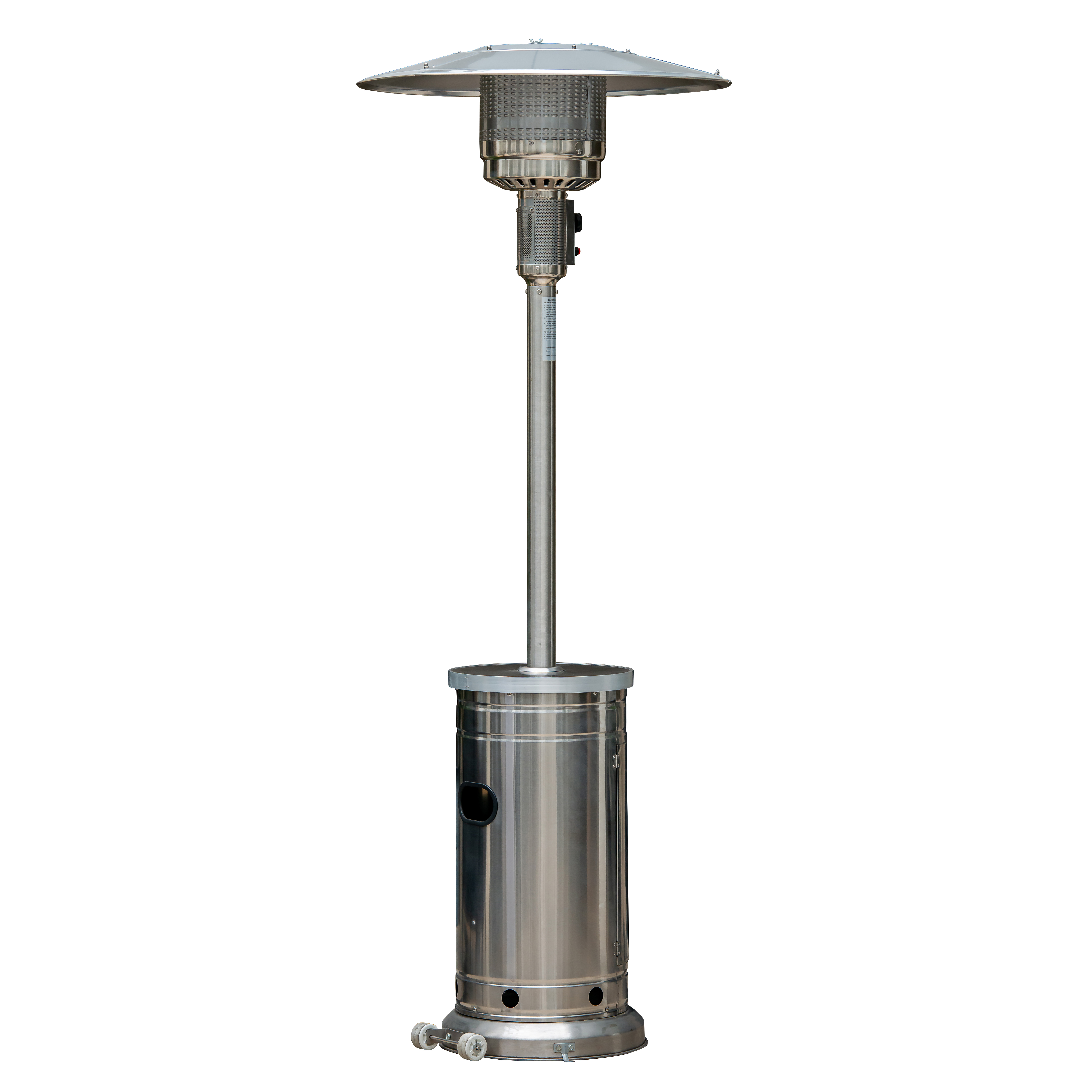
Choosing the right outdoor patio heater for a coastal resort is a decision that carries far more weight than it might initially seem. Salt-laden air, high humidity, unpredictable winds, and frequent moisture exposure create one of the harshest operating environments any heating equipment can face. A unit that performs flawlessly in a dry urban rooftop setting may corrode, underperform, or fail entirely within a single season when placed along a beachfront terrace. Resort operators and hospitality professionals need to approach this selection with a clear understanding of the environmental demands specific to coastal settings and how different heater designs respond to those demands.
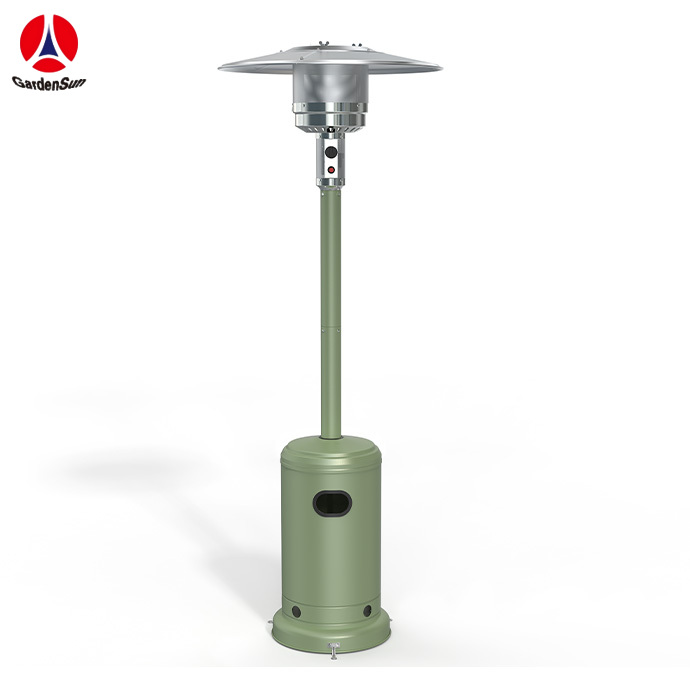
The stakes at a coastal resort are both operational and financial. An outdoor patio heater that degrades quickly due to salt corrosion forces premature replacement, disrupts the guest experience, and ultimately inflates maintenance costs. On the other hand, a well-chosen, genuinely weatherproof unit adds lasting value — extending the usability of outdoor dining terraces, poolside lounges, and beachfront event spaces well into cooler months. This guide walks through every major consideration you need to make when selecting an outdoor patio heater built to endure the unique pressures of a coastal resort environment.
Understanding the Coastal Environment and Its Impact on Outdoor Heating Equipment
The Role of Salt Air and Humidity in Equipment Degradation
Coastal environments expose equipment to a continuous cycle of salt deposition, moisture absorption, and oxidation. Unlike inland environments where rain washes surfaces clean and humidity fluctuates seasonally, coastal zones maintain persistently high salinity in the air. This salt bonds to metal surfaces, accelerates electrochemical corrosion, and weakens protective coatings over time. An outdoor patio heater placed within a few hundred meters of the ocean will face this stress every single day of its operating life.
Humidity compounds the issue further. High ambient moisture levels prevent materials from drying between rain events, which means corrosive processes run continuously rather than intermittently. For an outdoor patio heater with exposed metal components — including the burner housing, pole, base, and reflector — this is a critical concern. Even stainless steel grades that perform well in standard outdoor settings can show surface corrosion when exposed to marine-grade salinity without adequate protective treatments.
Resort operators should treat the coastal environment as a premium durability test for any outdoor heating product they consider purchasing. The question is never whether some degradation will occur, but rather how slowly and manageably that degradation progresses with a properly specified unit.
Wind Exposure and Its Effect on Heater Performance
Coastal properties are nearly always wind-exposed. Sea breezes, afternoon thermal winds, and storm-associated gusts all create an environment where heat output is easily dispersed before reaching guests seated at a table or lounge chair. This is a fundamental challenge for any outdoor patio heater design that relies on radiant or convective heat. Wind reduces the effective heating radius significantly, which means units must either be positioned with care or selected specifically for their wind-resistance performance characteristics.
Infrared radiant heaters generally perform better in windy coastal conditions than convective models because they transfer heat directly to surfaces and bodies rather than heating the surrounding air. When wind moves across the space, it carries away warm air but cannot easily strip away radiant energy that has already been absorbed. This physical distinction makes the heating technology type a key selection variable for any coastal resort choosing an outdoor patio heater.
Additionally, wind imposes structural demands. A freestanding outdoor patio heater on a raised beachfront terrace must be stable enough to resist tipping under sudden gusts. Base weight, pole design, and anchoring compatibility all factor into both safety and long-term structural integrity.
Materials and Build Standards That Define Coastal Durability
Stainless Steel Grades and Protective Finishes
Not all stainless steel is created equal when it comes to marine environments. Grade 304 stainless steel is widely used in commercial outdoor equipment, but in coastal applications, grade 316 stainless steel offers substantially better corrosion resistance due to its molybdenum content. When evaluating an outdoor patio heater for a coastal resort, understanding the specific steel grade used in the construction — particularly for the pole, burner head, and reflector frame — is a non-negotiable detail.
Powder coating is commonly applied to carbon steel components as a protective barrier. In coastal applications, the quality of this coating matters enormously. Thin or improperly cured powder coatings chip, crack, and allow moisture ingress within a single season by the sea. A well-specified outdoor patio heater for coastal use should feature thick, UV-stable powder coatings with edge coverage and factory-sealed seams that prevent salt water from penetrating to the underlying metal substrate.
Some manufacturers also apply additional protective layers such as marine-grade primers, zinc phosphate primers, or ceramic-infused topcoats. These are worth requesting documentation for when making a purchasing decision, especially for a resort that operates year-round in a high-salinity zone.
Reflector and Emitter Component Durability
The reflector is one of the most functionally critical and often overlooked components of an outdoor patio heater. A polished aluminum or stainless steel reflector concentrates and directs radiant heat downward toward occupants. Over time, salt corrosion on the reflector surface reduces its reflectivity, which directly translates to degraded heating performance even if the burner itself remains functional. Coastal resort operators should inquire about reflector material specifications, not just the overall heater frame.
Quartz glass emitter tubes and ceramic burner components are generally more resistant to moisture-related degradation than metal-only alternatives. A quality outdoor patio heater designed for heavy-duty commercial use will often incorporate these materials at the emitter level to ensure consistent output over many operating cycles in challenging weather conditions.
Sealing and gasketing around the burner head assembly also matter. Units with well-sealed internal cavities reduce the risk of salt water and debris reaching the ignition system and gas valves, which is a primary cause of reliability failures in coastal resort settings.
Fuel Type Selection for Coastal Resort Applications
Propane Gas Heaters in Coastal Contexts
Propane-fueled freestanding heaters remain the most popular format for resort outdoor spaces because of their portability, visual presence, and high heat output. A well-specified propane outdoor patio heater can produce between 40,000 and 48,000 BTUs, which is sufficient to heat a meaningful seating area even in cool coastal evenings. The freestanding mushroom-style design also creates an aesthetic warmth that reinforces the ambiance of high-end resort dining and entertainment spaces.
For coastal use, the fuel supply infrastructure for propane is generally straightforward — portable tanks can be swapped easily without permanent installation. This is an advantage in resort contexts where heaters may need to be repositioned seasonally or stored during extreme weather periods. However, resort operators must ensure that the regulator, hose fittings, and valve components of each outdoor patio heater are rated for outdoor use and protected against corrosion, as these connective elements are often the first to show degradation in salty environments.
A product like the outdoor patio heater offered through Garden Sun Group's classic stand series represents the kind of commercial-grade freestanding design that coastal resorts should evaluate — combining high output, durable construction, and a proven format suited to hospitality environments.
Natural Gas and Electric Alternatives
Permanently installed natural gas heaters offer advantages in terms of fuel cost and operational convenience for resort spaces with fixed seating layouts. However, the installation complexity and the need for corrosion-resistant gas line fittings in coastal environments add upfront cost. For covered terrace areas with fixed tables, a permanently mounted natural gas outdoor patio heater can be a cost-effective long-term solution, provided the installation follows marine-grade piping standards.
Electric infrared heaters, particularly those with IP65 or IP66 waterproof ratings, are another viable option for coastal resort settings. These units eliminate fuel management entirely and deliver targeted radiant heat with high efficiency. The IP rating is especially important in coastal applications — it indicates the degree of protection against dust and water ingress, which maps directly to the conditions an outdoor patio heater must survive near the ocean. For covered pergolas, canopy dining areas, or poolside cabanas, a ceiling-mounted electric infrared outdoor patio heater with a robust IP rating is often the most weatherproof long-term solution available.
Key Selection Criteria Specific to Coastal Resort Operations
Maintenance Accessibility and Serviceability
Coastal resort environments demand higher maintenance frequency for all outdoor equipment. When choosing an outdoor patio heater, resort procurement teams should evaluate how easily the unit can be cleaned, serviced, and have components replaced. Units with complex assemblies, non-standard parts, or proprietary components create operational headaches when corrosion eventually reaches internal elements. Simpler, modular designs with accessible service panels and widely available replacement parts are significantly more practical for resort operations teams.
Scheduled maintenance should include inspection of the burner assembly, reflector condition, ignition system, regulator function, and the structural integrity of the base and pole. An outdoor patio heater that allows each of these components to be inspected and serviced without specialized tools will have a meaningfully longer effective service life in a coastal resort context than a unit that requires disassembly for routine checks.
Establishing a seasonal inspection schedule — ideally before the peak hospitality season and at the start of the off-season — allows resort management to identify corrosion damage early and address it before it compromises guest safety or heating performance. Preventive coating touch-ups, regulator replacements, and reflector polishing are all cost-effective interventions compared to full unit replacement.
Safety Compliance and Certification Requirements
Any outdoor patio heater deployed in a commercial hospitality setting must meet applicable safety certifications. In the United States, this typically means CSA or UL certification for gas appliances. In European markets, CE marking and relevant EN standards apply. These certifications confirm that the heater has been independently tested for combustion safety, structural stability, and heat output consistency under defined conditions.
Beyond certifications, coastal resort operators must consider local fire codes, particularly around propane tank placement and distance-from-structure requirements. An uncertified or improperly installed outdoor patio heater not only creates liability exposure but may also void the resort's property insurance coverage. Working with certified products from reputable manufacturers who can provide compliance documentation is therefore both a safety imperative and a commercial risk management practice.
Wind stability testing is another dimension of safety that is particularly relevant for coastal applications. A certified outdoor patio heater should have documented stability performance under wind loading conditions. For exposed coastal terraces, this often means selecting units with wider, heavier bases or investing in surface anchor points that secure the unit to the terrace floor during operation.
FAQ
What makes an outdoor patio heater suitable for coastal environments specifically?
A coastal-suitable outdoor patio heater must combine corrosion-resistant materials — ideally grade 316 stainless steel and marine-grade powder coatings — with a sealed internal assembly that prevents salt water ingress. Infrared radiant heating technology also performs better in coastal wind conditions than convective designs, making it a preferred choice for beachfront and waterfront resort settings.
How often should an outdoor patio heater be serviced in a coastal resort setting?
In a coastal resort environment, an outdoor patio heater should be inspected at minimum twice annually — once before the main operating season and once at season close. High-salinity locations may benefit from quarterly visual inspections to catch early corrosion, clean reflector surfaces, and verify regulator and ignition system integrity. Preventive maintenance significantly extends service life and reduces total cost of ownership.
Is a freestanding propane outdoor patio heater the best format for coastal resort use?
A freestanding propane outdoor patio heater is the most flexible format for coastal resorts because it requires no permanent installation, can be repositioned as layout needs change, and delivers high BTU output suitable for open-air spaces. However, covered or semi-enclosed areas may benefit from ceiling-mounted electric infrared units with high IP ratings, which offer better weatherproofing and eliminate fuel logistics entirely.
What safety certifications should a commercial outdoor patio heater carry?
For commercial resort use, an outdoor patio heater should carry CSA or UL certification in North American markets, or CE marking in European markets. These certifications confirm the unit meets tested standards for combustion safety, structural stability, and operational reliability. Resort operators should always request certification documentation before purchasing and verify compliance with local fire codes before deployment.
Table of Contents
- Understanding the Coastal Environment and Its Impact on Outdoor Heating Equipment
- Materials and Build Standards That Define Coastal Durability
- Fuel Type Selection for Coastal Resort Applications
- Key Selection Criteria Specific to Coastal Resort Operations
-
FAQ
- What makes an outdoor patio heater suitable for coastal environments specifically?
- How often should an outdoor patio heater be serviced in a coastal resort setting?
- Is a freestanding propane outdoor patio heater the best format for coastal resort use?
- What safety certifications should a commercial outdoor patio heater carry?