
 EN
EN
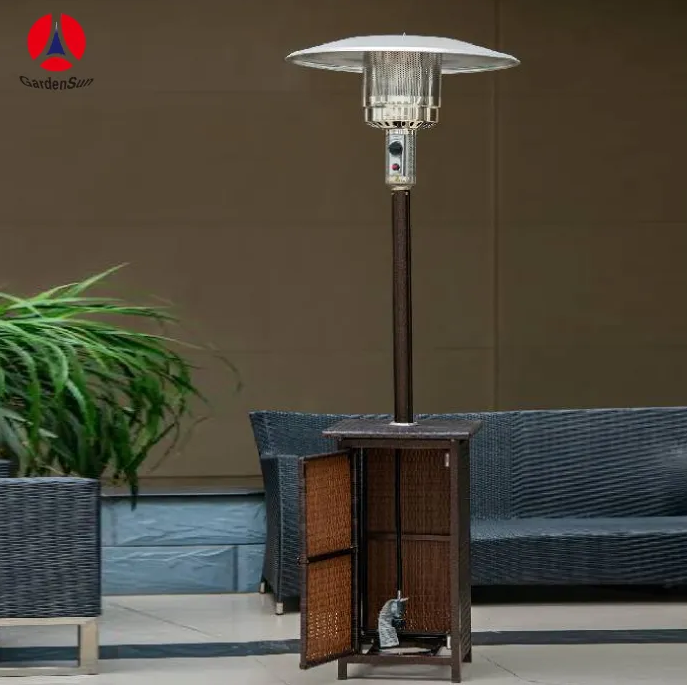
When evaluating outdoor or indoor heating solutions, consistency of heat flow is one of the most critical performance factors to consider. A gas heater that delivers fluctuating temperatures creates discomfort, wastes fuel, and reduces the reliability of the heating environment. Whether used in commercial patios, industrial workspaces, or residential settings, the technology behind a gas heater's burner system, heat distribution mechanism, and fuel regulation directly determines how steady and uniform the warmth it produces will be.
Not all gas heater technologies are created equal when it comes to achieving consistent heat flow. Differences in burner design, reflector geometry, thermostatic control systems, and gas delivery mechanisms all play a role in how evenly and reliably heat is distributed. This article examines which gas heater technologies are best suited for consistent thermal output, helping buyers and facility managers make more informed decisions based on performance criteria rather than appearance or price alone.
Understanding Consistent Heat Flow in a Gas Heater
Defining Thermal Consistency in Heating Applications
Thermal consistency in a gas heater refers to the ability to maintain a stable, uniform heat output over an extended period without significant temperature variation at the point of use. This is distinct from raw heating power. A gas heater can have a high BTU rating and still deliver inconsistent warmth if its combustion process is unstable or its heat distribution pattern is uneven. True consistency involves both steady flame behavior and effective directional heat delivery.
In practical applications, inconsistent heat flow manifests as hot and cold spots, temperature fluctuations that force users to frequently adjust settings, and inefficient fuel consumption. In commercial settings such as restaurant patios, event spaces, or covered industrial zones, these inconsistencies directly impact user comfort and operational efficiency. Understanding what drives thermal consistency is the first step toward selecting the right gas heater technology for a given environment.
The key variables that affect consistency include burner design, fuel pressure regulation, ignition stability, and the physical geometry of the heat emitter. When these elements work in alignment, a gas heater can sustain a predictable thermal envelope across its rated output range.
Why Heat Flow Consistency Matters More Than Peak Output
Many buyers focus on the maximum BTU output of a gas heater, but peak output is only part of the performance story. A heater that can reach high temperatures briefly but struggles to sustain them offers a poor user experience. Consistent heat flow ensures that the heating effect felt by users remains stable, reducing the need for manual adjustments and improving the perceived comfort level of the space.
From an energy efficiency standpoint, consistent output also means the gas heater is burning fuel at a predictable rate, which enables better budgeting of fuel consumption and reduces waste. Inconsistent combustion cycles, where the burner surges and drops, can increase overall fuel usage without delivering a proportional improvement in comfort. In industrial or high-traffic commercial settings, this inefficiency compounds quickly over time.
For purchasing managers and facility operators, specifying a gas heater based on consistency metrics rather than maximum output alone leads to better long-term satisfaction and lower total operational cost.
Infrared Radiant Technology and Its Consistency Advantages
How Infrared Burners Deliver Stable Heat Output
Infrared radiant gas heater technology is widely regarded as one of the most consistent heat delivery mechanisms available. Rather than heating the air directly, infrared burners emit thermal radiation that warms objects and surfaces within the line of sight. This means the heating effect is not disrupted by wind or air movement, making infrared particularly effective for semi-outdoor and open environments where convective heat would dissipate rapidly.
The combustion in an infrared gas heater typically occurs across a ceramic or metallic emitter surface, which becomes uniformly hot and radiates heat evenly across a defined area. Because the emitter material stabilizes the heat emission rather than relying solely on a flame, temperature fluctuations are significantly reduced compared to open-flame convective designs. The result is a smoother, more predictable heating profile that users experience as steady warmth rather than intermittent bursts.
This technology performs especially well in applications where people need to remain comfortable in a fixed area, such as outdoor dining, covered event seating, or workshop environments. The gas heater's ability to maintain a consistent radiant envelope is a key competitive advantage of infrared technology over alternatives.
Ceramic Emitter Designs and Their Role in Temperature Stability
Within the infrared category, ceramic emitter gas heater designs offer a particularly high level of thermal stability. The ceramic material has a high heat retention capacity, meaning it continues to radiate heat even during minor variations in gas supply pressure or brief combustion irregularities. This buffering effect contributes to a smoother perceived heat output from the user's perspective.
Ceramic emitters also heat up relatively quickly and maintain their operating temperature with minimal fluctuation once they reach thermal equilibrium. A gas heater using this design can sustain consistent radiant output across extended operating periods, making it suitable for venues that require long uninterrupted service windows.
The geometry of the ceramic element is also important. Designs that use a flat or curved ceramic panel distributed across a wider surface area deliver more even radiation patterns than concentrated point-source emitters, further enhancing consistency across the target zone.
Thermostatic and Pressure Regulation Technologies
The Role of Pressure Regulators in Sustaining Stable Combustion
One of the most underappreciated factors in gas heater performance consistency is the gas pressure regulator. Inconsistent gas supply pressure is a common cause of flame variation, which directly translates into fluctuating heat output. High-quality regulators maintain a constant downstream pressure regardless of upstream supply fluctuations, ensuring that the burner receives fuel at a consistent rate throughout operation.
In applications where gas supply pressure can vary due to tank depletion, long supply lines, or temperature-related pressure drops, a gas heater equipped with a precision regulator will outperform one without. The regulator acts as a stabilizing interface between the fuel source and the combustion chamber, preventing the surging and dimming of the flame that would otherwise create uneven heat delivery.
Buyers evaluating a gas heater for commercial use should specifically confirm the quality and pressure range of the integrated regulator. This component is often overlooked in product comparisons but has a direct and measurable impact on real-world consistency.
Thermostatic Control Systems and Automated Heat Management
More advanced gas heater models incorporate thermostatic control systems that actively monitor ambient temperature and adjust combustion output accordingly. These systems use a feedback loop where a temperature sensor communicates with the gas valve to modulate fuel delivery, keeping the heat output aligned with a setpoint rather than running at a fixed maximum.
Thermostatic gas heater designs are particularly valuable in enclosed or semi-enclosed spaces where ambient temperature can change due to occupancy, weather shifts, or door openings. Rather than overheating or underheating in response to these changes, the thermostatic system makes micro-adjustments that maintain the desired thermal environment consistently.
For commercial environments such as hospitality venues, showrooms, or covered industrial zones, thermostatic control adds an important layer of performance reliability. The gas heater effectively becomes a self-managing climate tool rather than a manually operated appliance, reducing the workload on staff and improving guest or worker comfort.
Reflector Design and Heat Distribution Geometry
How Reflector Geometry Shapes the Consistency of Heat Delivery
Even if a gas heater produces consistent combustion output, the way heat is directed toward occupants plays a major role in the perceived consistency of warmth. Reflector design is the primary engineering mechanism through which heat is shaped and directed. A well-designed reflector ensures that radiant heat is distributed in a controlled pattern that covers the intended area evenly rather than concentrating heat at a narrow point.
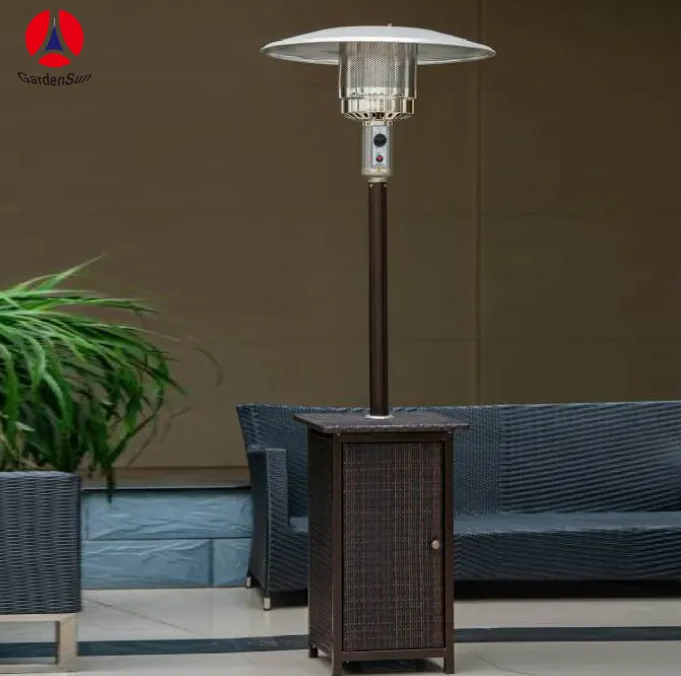
Parabolic reflectors, commonly used in mushroom and pyramid-style gas heater models, focus heat downward in a broad cone pattern. This design is effective for open outdoor environments because it directs radiant energy toward the area where people are seated rather than allowing it to dissipate upward. The angle and curvature of the reflector determine the coverage angle and the intensity gradient across the heated zone.
For tabletop gas heater models, reflector efficiency is especially critical because the heat source is positioned closer to users. A well-engineered reflector in a compact gas heater can achieve coverage consistency that rivals larger floor-standing models when the geometry is optimized for the specific use case.
Heat Emitter Positioning and Its Effect on Uniform Warmth
The vertical and horizontal positioning of the emitter within a gas heater housing also affects how evenly heat reaches users. Central emitter placement with a symmetrical reflector produces a more uniform heat cone than off-center configurations. Manufacturers that invest in emitter alignment engineering produce gas heater units that feel noticeably more comfortable to users because there are fewer areas of concentrated heat or cold shadow within the target zone.
Height-adjustable gas heater models that allow the emitter to be repositioned offer additional flexibility for optimizing heat distribution in environments with variable ceiling heights or seating arrangements. This adjustability helps maintain consistency even when the physical environment changes.
The interaction between emitter position, reflector geometry, and target distance is a key differentiator among gas heater technologies. Products engineered with this relationship in mind consistently outperform those where reflector design is treated as secondary to aesthetic styling.
Comparing Convective and Radiant Technologies for Consistency
Convective Gas Heater Performance in Variable Conditions
Convective gas heater technology warms air and relies on that air to carry heat to the occupants. While convective heating is effective in enclosed indoor spaces, its consistency is inherently more dependent on environmental conditions. Air movement, room sealing, and spatial configuration all affect how evenly heated air is distributed. In open or semi-open environments, convective heat from a gas heater dissipates quickly and inconsistently, creating significant variation in perceived warmth across the space.
Even in indoor environments, convective gas heater designs can produce stratification where warm air rises and collects near the ceiling rather than remaining at occupant level. This physical behavior means that the most common experience of convective heating is that feet and lower body remain cooler while upper levels of the room accumulate heat. This stratification works directly against the goal of consistent warmth.
For applications that require outdoor or semi-outdoor deployment, convective gas heater technology is generally not the right choice for consistent heat delivery. The dependence on air as the medium makes it too susceptible to disruption from natural airflow.
Why Radiant Technology Maintains the Edge in Consistency
Radiant gas heater technology bypasses the limitations of air as a heat carrier by delivering energy directly through electromagnetic radiation. This means the heating effect is not diminished by wind, drafts, or open spaces in the way convective heating is. Users within the radiant zone of a gas heater experience consistent warmth regardless of ambient air temperature, as long as they remain within the line of sight of the emitter.
This fundamental physical advantage makes radiant gas heater technology the preferred choice for any application where consistent heat delivery is a primary requirement. The technology is particularly well-suited to restaurant patios, outdoor event venues, covered markets, and industrial workspaces where the environment is not fully enclosed.
When combined with precision pressure regulation, high-quality ceramic or metallic emitter surfaces, and optimized reflector geometry, a radiant gas heater provides the most reliable and consistent heating experience available among gas-powered technologies currently on the market.
FAQ
Which gas heater technology is best for outdoor consistent heat delivery?
Infrared radiant gas heater technology is widely considered the best option for outdoor consistent heat delivery. Unlike convective designs, infrared heaters emit thermal radiation that warms objects and people directly, without relying on air as the heat carrier. This makes them highly resistant to wind disruption and capable of maintaining a stable heat envelope in open environments.
Does a thermostat significantly improve gas heater consistency?
Yes, a thermostatic control system meaningfully improves gas heater consistency by automatically adjusting fuel delivery to match ambient temperature changes. Without thermostatic control, a gas heater operates at a fixed output that may overheat or underheat depending on environmental shifts. Thermostatic models actively compensate for these changes, maintaining a more stable and comfortable thermal environment.
How does pressure regulation affect gas heater performance?
Pressure regulation is a critical but often overlooked aspect of gas heater performance. A precision regulator ensures that gas is delivered to the burner at a stable pressure regardless of supply fluctuations, which directly prevents flame variation and uneven heat output. Without proper pressure regulation, a gas heater is far more susceptible to combustion instability, which translates into an inconsistent user experience.
Is a tabletop gas heater capable of consistent heat output comparable to larger models?
A well-engineered tabletop gas heater can achieve highly consistent heat output within its design coverage area. While it covers a smaller zone than floor-standing models, a quality tabletop gas heater equipped with a ceramic or metallic infrared emitter, precision regulator, and optimized reflector can deliver remarkably stable warmth for intimate seating arrangements, countertop service areas, or small outdoor spaces.