
 EN
EN

In demanding industrial environments, consistent and efficient heating is not a luxury — it is an operational necessity. A high-performance gas heater delivers the kind of reliable, high-output warmth that electric alternatives simply cannot match in large-scale or open-air settings. From warehouses and manufacturing floors to construction sites and agricultural facilities, the industrial gas heater has become a cornerstone of productivity, worker safety, and energy management. Understanding its key benefits helps facility managers, engineers, and procurement teams make informed decisions that directly impact operational efficiency and cost control.
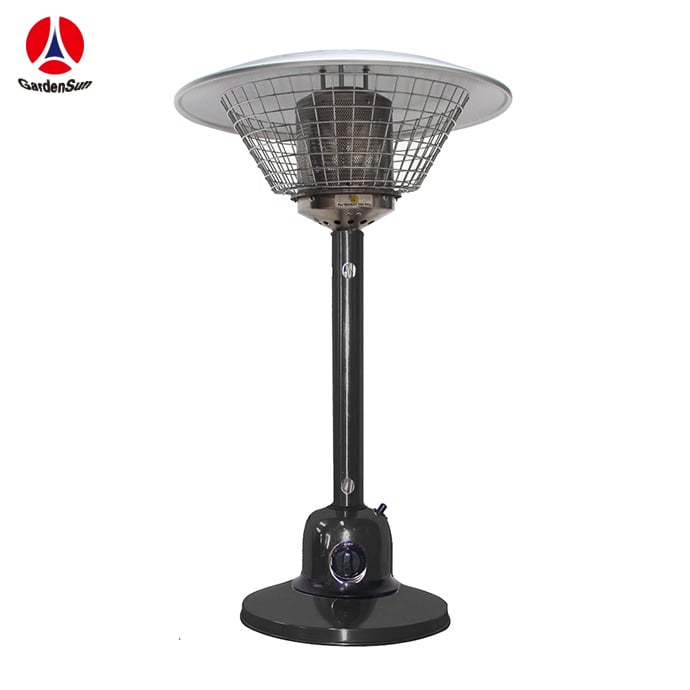
Advanced industrial gas heater technology has evolved significantly over the past decade, incorporating intelligent controls, improved combustion systems, and durable materials designed to withstand the harshest operational conditions. This evolution means that today's industrial gas heater offers far more than simple heat output — it provides a sophisticated, scalable, and cost-effective solution for organizations that demand performance without compromise. The following sections explore the most impactful benefits these systems bring to industrial operations, and why they continue to outperform competing heating technologies in critical application areas.
Superior Heating Output and Operational Efficiency
High BTU Capacity for Large Spaces
One of the most fundamental advantages of an industrial gas heater is its exceptional heat output, typically measured in British Thermal Units (BTUs). Unlike electric heaters that are often limited by grid capacity and circuit loads, a gas heater can generate enormous amounts of heat from a comparatively compact unit. This makes it ideal for hangars, warehouses, open manufacturing bays, and other expansive spaces where maintaining a stable ambient temperature is critical for both worker comfort and process integrity.
In practical terms, a single advanced industrial gas heater unit can replace multiple electric alternatives while consuming less infrastructure investment. The high BTU output means the space reaches target temperature faster, reducing the warm-up period at the start of a shift and minimizing productivity loss. For operations running in cold climates or during winter months, this speed advantage alone translates into measurable labor savings.
Furthermore, modern combustion engineering has improved the efficiency ratios of the industrial gas heater considerably. Many advanced models now achieve thermal efficiency ratings above 90%, meaning that the vast majority of fuel energy is converted directly into usable heat rather than being lost through exhaust or radiation waste. This efficiency makes the gas heater one of the most thermally productive heating solutions available for industrial applications.
Rapid Response and Consistent Temperature Control
Advanced industrial gas heater systems respond almost instantly to thermostat signals, igniting and reaching full output within seconds. This rapid response characteristic is especially valuable in intermittent-use environments, where spaces are not continuously occupied but must be brought to working temperature quickly when needed. The ability to heat a large area in a short time window improves operational flexibility and prevents costly delays.
Modern gas heater units are often equipped with modulating burner technology, allowing the combustion rate to be precisely adjusted in response to real-time temperature feedback. This means the heater does not simply cycle on and off between two fixed states; instead, it continuously optimizes its output to maintain a stable thermal environment. The result is better temperature uniformity across the workspace, fewer thermal fluctuations, and reduced fuel consumption during moderate-temperature conditions.
Cost Advantages Over Alternative Heating Systems
Lower Fuel and Operating Costs
From a total cost of ownership perspective, the industrial gas heater consistently outperforms electric and oil-based systems when evaluated over a multi-year operational period. Natural gas and liquefied petroleum gas (LPG) remain significantly more affordable per unit of energy compared to electricity in most industrial markets worldwide. When heating large volumes of air across an extended operating season, this cost differential becomes substantial — often representing tens of thousands of dollars in annual savings for medium-to-large facilities.
The operational economy of a well-specified gas heater installation is further enhanced by the lower maintenance demands of modern units. Advanced combustion systems are engineered for durability, with longer service intervals, corrosion-resistant heat exchangers, and self-diagnostic controls that allow maintenance teams to address issues proactively before they result in downtime. This translates to lower maintenance labor costs and reduced frequency of unplanned outages that interrupt production schedules.
Initial capital investment in an industrial gas heater system is also frequently offset by available energy efficiency incentives, carbon reduction programs, or utility rebates that reward high-efficiency combustion equipment. Facilities that invest in advanced gas heater technology often find that the payback period is shorter than anticipated, especially when comparing against aging electric heating infrastructure that requires frequent replacement and consumes disproportionate energy.
Scalable Infrastructure Investment
Unlike electric systems that may require costly panel upgrades, substation investments, or high-capacity wiring installations, a gas heater system typically connects to an existing gas supply line with minimal infrastructure modification. This makes gas-based heating an economically attractive choice for facility expansions, temporary site installations, and retrofit projects where electrical infrastructure constraints would otherwise create significant cost barriers.
The modular nature of industrial gas heater configurations also allows facilities to add heating capacity incrementally as operational demands grow, rather than committing to large, fixed infrastructure investments upfront. This flexibility in scaling heating capacity while managing capital expenditure is a strategic advantage that resonates strongly with industrial operators managing tight budgets and dynamic production footprints.
Enhanced Worker Safety and Comfort
Maintaining Safe Working Temperatures
Industrial workplace health and safety regulations in most jurisdictions specify minimum temperature thresholds for occupied work areas. A reliable gas heater installation ensures that these thresholds are consistently met regardless of external weather conditions, protecting workers from cold stress, hypothermia risk, and the associated reduction in cognitive and physical performance. In industries such as logistics, automotive manufacturing, food processing, and construction, maintaining safe working temperatures directly impacts both productivity and regulatory compliance.
Beyond regulatory compliance, comfortable working temperatures reduce absenteeism, improve workforce morale, and contribute to a lower rate of cold-related injuries. Facilities that invest in a properly sized and positioned gas heater system demonstrate a tangible commitment to worker wellbeing, which in turn supports recruitment, retention, and overall operational culture. The value of a well-heated workspace cannot be overstated from a human resources and organizational performance perspective.
Reduced Condensation and Moisture-Related Risks
In cold industrial environments, condensation on machinery, flooring, and structural elements creates serious hazards — from corrosion damage to slip-and-fall risks for workers. An effectively deployed gas heater maintains ambient air temperatures above the dew point, significantly reducing or eliminating condensation formation throughout the facility. This not only protects expensive equipment and infrastructure but also creates safer pedestrian and vehicle traffic conditions within the workspace.
The moisture control benefit of industrial gas heater systems is particularly relevant in sectors such as metalworking, electronics assembly, and pharmaceutical manufacturing, where even minor humidity fluctuations can compromise product quality or process integrity. By maintaining consistent temperature and reducing moisture accumulation, the gas heater supports both safety and quality assurance objectives simultaneously.
Versatility and Application Flexibility
Suitable for a Wide Range of Industrial Environments
The industrial gas heater is available in a diverse range of configurations — including radiant, convective, forced-air, and overhead tube heater designs — making it adaptable to virtually any industrial environment. Radiant models are ideal for spot heating and worker station warming, while forced-air units excel at heating entire volumes of air quickly. Overhead tube heaters are commonly deployed in spaces where floor space is at a premium and direct radiant heat from above is the most effective distribution method.
This configuration variety means that facilities with unique architectural constraints, specific process requirements, or mixed-use spaces can always identify a gas heater solution that matches their exact operational context. Whether the application is a semi-open loading dock, a high-bay assembly hall, or a climate-sensitive storage area, an appropriately specified gas heater system can deliver targeted, efficient, and compliant heating performance.
Portability and Deployment Flexibility
Many advanced industrial gas heater models are designed for portability, allowing them to be repositioned as heating needs change across a facility or across different work phases of a project. This is particularly valuable in construction, event facilities, temporary structures, and seasonal operations where fixed heating infrastructure is impractical or not cost-justified. A portable gas heater unit connected to a standard LPG cylinder can deliver industrial-grade output wherever it is needed, without complex installation requirements.
The deployment flexibility of portable gas heater units also supports emergency heating scenarios — for instance, when a permanent heating system requires maintenance or repair and a temporary substitute must be deployed quickly to prevent process disruption. Having a portable gas heater in reserve as part of a facility's contingency planning is a low-cost measure that can prevent significant operational losses during equipment downtime periods.
Environmental and Sustainability Considerations
Cleaner Combustion Compared to Oil-Based Alternatives
Modern advanced industrial gas heater systems burning natural gas or LPG produce substantially lower particulate emissions, sulfur dioxide, and carbon monoxide compared to fuel oil or diesel heating alternatives. This cleaner combustion profile makes the gas heater a more environmentally responsible choice for facilities seeking to reduce their environmental footprint without sacrificing heating performance. Lower emissions also reduce the risk of indoor air quality issues in partially enclosed spaces and simplify compliance with environmental discharge regulations.
For facilities operating under emission reduction commitments or carbon management frameworks, the switch to an efficient gas heater system can contribute meaningfully to measurable CO2 equivalent reduction targets. When combined with smart thermostat controls and occupancy-based operational scheduling, the environmental performance of a well-managed gas heater installation aligns with progressive sustainability strategies without requiring a complete transition to more expensive renewable alternatives.
Integration with Energy Management Systems
Advanced industrial gas heater units increasingly support integration with building energy management systems (BMS) and industrial IoT platforms, enabling centralized monitoring, scheduling, and data logging of heating performance. This connectivity allows facilities managers to optimize gas heater usage patterns in real time, identifying waste, scheduling pre-heating cycles efficiently, and benchmarking energy consumption against operational targets. The result is both financial and environmental performance improvement driven by intelligent data use.
The ability to remotely monitor and control a gas heater network through a BMS also enhances safety management, with automated alerts for irregular combustion patterns, gas pressure anomalies, or temperature deviations that could indicate equipment malfunction. This predictive approach to maintenance and safety monitoring represents a significant operational advantage for facilities managing multiple heating zones across complex industrial sites.
FAQ
What makes an advanced gas heater more efficient than a standard model?
Advanced industrial gas heater models incorporate modulating burner technology, high-efficiency heat exchangers, and intelligent combustion controls that optimize fuel use in real time. These features combine to achieve thermal efficiency ratings that can exceed 90%, compared to 70–80% in older standard units. The result is significantly lower fuel consumption for the same heat output, reducing operating costs and emissions simultaneously.
Is a gas heater safe for use in enclosed industrial spaces?
A properly installed and ventilated industrial gas heater is considered safe for enclosed or semi-enclosed spaces, provided it is specified and installed in compliance with applicable safety standards and local building codes. Key safety considerations include adequate fresh air supply, carbon monoxide detection, automatic shut-off mechanisms, and regular maintenance inspections. Facilities should always work with qualified heating engineers to ensure correct unit selection and installation for their specific environment.
How do I choose the right gas heater capacity for my facility?
Selecting the correct gas heater capacity requires a thermal load calculation that accounts for the facility's volume, insulation quality, desired temperature rise, and any specific process heat loads. An undersized gas heater will struggle to maintain target temperatures under peak winter conditions, while an oversized unit may short-cycle and consume excess fuel. Engaging a heating engineer or using manufacturer-provided sizing tools ensures that the selected gas heater system delivers optimal performance and efficiency for the application.
Can a gas heater be used for both space heating and process heating in industrial settings?
Yes, depending on the configuration, an industrial gas heater can serve dual purposes — providing both ambient space heating and targeted process heating for applications such as curing, drying, paint booths, or material conditioning. Specific unit types, including radiant tube heaters and direct-fired air heaters, are particularly well-suited to applications where process heat is required alongside general environmental temperature control. Consulting with a specialist helps identify the most appropriate gas heater design for combined space and process heating needs.