
 EN
EN
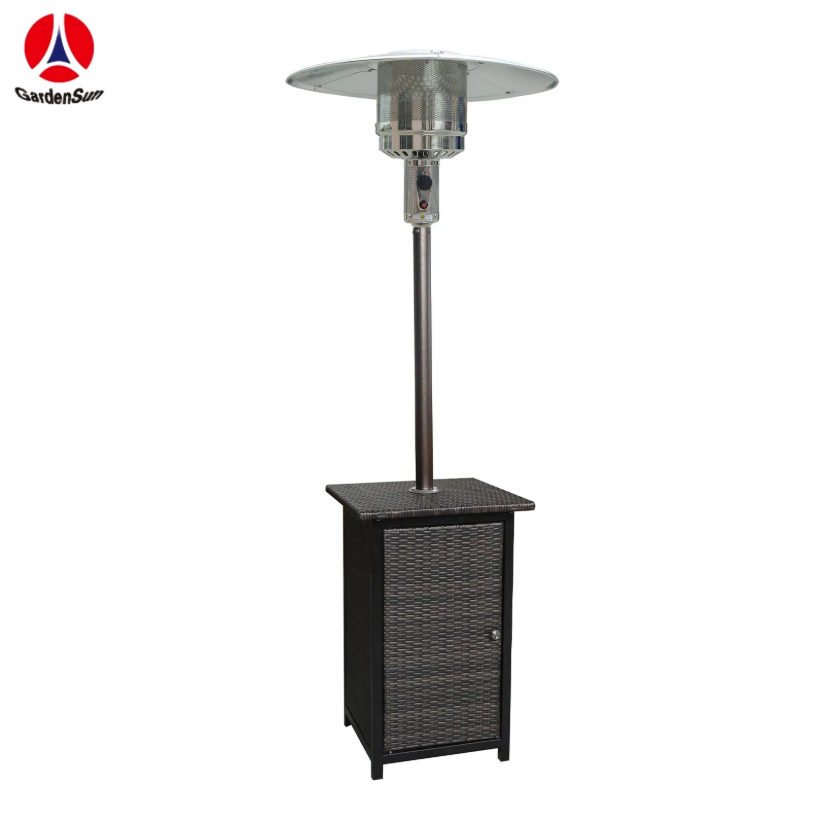
A commercial gas heater is a significant investment for any business — whether it heats an outdoor dining terrace, a commercial patio, a warehouse loading dock, or an event space. Like any fuel-burning appliance operating under load day after day, a gas heater accumulates wear, potential gas pathway degradation, and combustion inefficiencies that are invisible to the untrained eye but dangerous if left unaddressed. Annual safety inspections are not optional formalities; they are the operational backbone of responsible gas heater ownership.
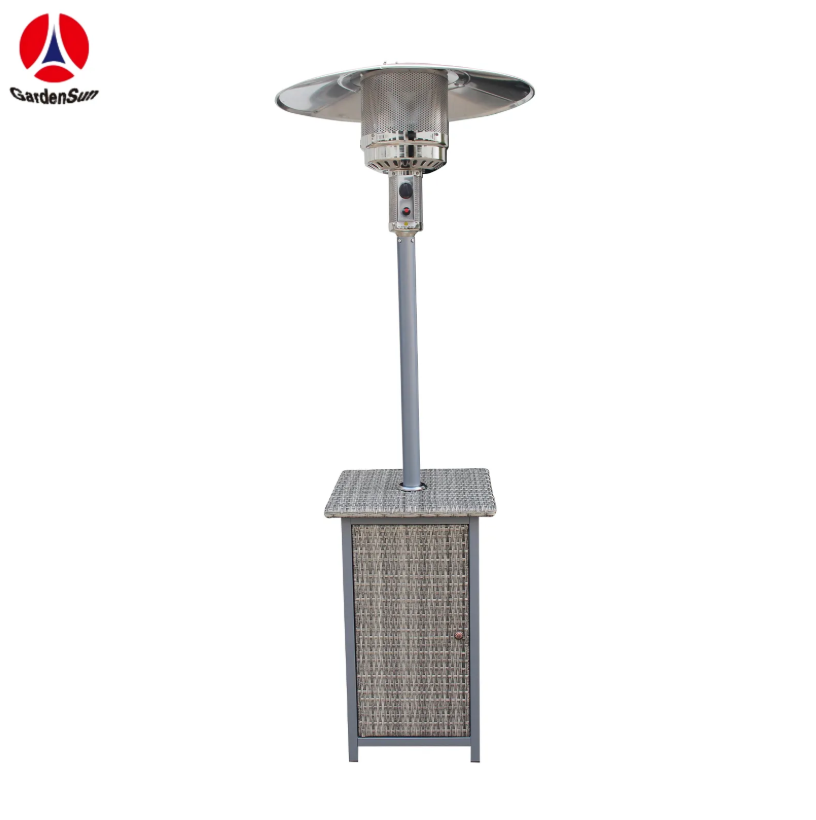
Performing a thorough annual inspection on a commercial gas heater involves a structured, methodical review of every critical system — from the gas supply line and regulator to the burner assembly, thermocouple, pilot light, and structural integrity of the unit itself. This guide walks through each phase of the inspection process in practical detail, helping facility managers, property operators, and maintenance technicians understand exactly what to check, why it matters, and how to document findings that keep staff, customers, and the business legally protected.
Understanding Why Annual Gas Heater Inspections Are Non-Negotiable
The Risk Profile of a Commercial Gas Heater
A commercial gas heater operates at a fundamentally different intensity than a residential unit. It runs for extended hours, often in outdoor or semi-enclosed environments exposed to wind, moisture, dust, and physical contact from customers and staff. These operating conditions accelerate wear on seals, valves, and connectors in ways that standard use cycles simply do not account for.
Gas leaks from a deteriorating gas heater are among the most serious hazards in any commercial property. Even a slow, undetected leak in a partially enclosed patio area can build up a flammable concentration that only requires a single ignition source. Annual inspections close this risk window by systematically identifying deterioration before it becomes dangerous.
Beyond fire and explosion risk, incomplete combustion in a poorly maintained gas heater can produce carbon monoxide. While outdoor heaters dissipate gases more readily than indoor units, semi-enclosed spaces still pose a real inhalation risk, particularly for workers spending extended shifts near the unit. Inspection protocols that include combustion quality checks directly reduce this exposure.
Regulatory and Liability Context
Most commercial jurisdictions require that gas-burning appliances be inspected and certified by a licensed gas technician at defined intervals, often annually. Failure to comply with these requirements does not just expose a business to regulatory penalties — it creates significant liability in the event of an incident involving the gas heater.
Insurance policies for commercial properties frequently include clauses that void coverage for gas appliance incidents if documented maintenance records cannot be produced. Maintaining a rigorous annual inspection record for every gas heater on the premises is therefore both a compliance obligation and a financial protection strategy that no commercial operator should overlook.
Pre-Inspection Preparation and Documentation Setup
Gathering the Right Tools and Reference Materials
Before beginning any physical inspection of a gas heater, the technician should assemble all necessary tools: a calibrated gas leak detector or electronic sniffer, a manometer for gas pressure testing, a combustion analyzer if assessing burner performance, basic hand tools for panel access, and a manufacturer-issued service manual for the specific gas heater model being inspected.
The service manual is not optional. Different models of commercial gas heater have distinct regulator pressure specifications, thermocouple resistance tolerances, and pilot assembly configurations. Performing a generic inspection without model-specific reference values risks missing out-of-tolerance readings that appear normal without context. Always verify the model number on the unit's rating plate before beginning.
Establish a formal inspection checklist in advance, ideally one that mirrors the manufacturer's maintenance schedule combined with any local regulatory requirements. This checklist becomes the inspection record and should capture every finding, measurement, component status, and corrective action taken during the visit to the gas heater.
Safe Shutdown and Isolation Procedure
The gas heater must be fully shut down and the gas supply isolated before any physical inspection begins. Turn off the appliance using its control valve, then close the cylinder valve or the supply line shutoff upstream of the unit. Allow the gas heater to cool completely — burner components, heat shields, and emitter screens retain heat far longer than their surface appearance suggests.
After isolation, use your gas leak detector at the supply connection point to confirm there is no residual gas flow or leak present before opening any access panels or handling gas-carrying components. Document the shutdown time and condition as the opening entry on your inspection record.
Systematic Physical Inspection of All Gas Heater Components
Gas Supply System: Hose, Regulator, and Connections
The gas supply assembly is the highest-priority section of any gas heater inspection. Begin with a thorough visual examination of the flexible gas hose from the cylinder connection to the appliance inlet. Look for cracking, brittleness, abrasion damage, kinking, or UV degradation in the hose material. Any hose showing visible deterioration must be replaced immediately, regardless of how recently it was last changed.
Check all threaded and push-fit connections along the gas pathway. Apply an approved leak detection solution — never use an open flame — and watch for bubble formation at every joint while the supply is briefly reopened under low-pressure test conditions. Even micro-leaks at fittings in a commercial gas heater are unacceptable and require re-sealing or component replacement before the unit is returned to service.
Inspect the pressure regulator for physical damage, corrosion, or moisture intrusion. Using a manometer, verify that the regulator is delivering gas at the pressure specified on the rating plate of the gas heater. Over-pressure conditions cause excessive flame and increased carbon monoxide production; under-pressure leads to incomplete combustion and unreliable ignition. Both conditions are safety hazards and must be corrected.
Burner Assembly, Emitter, and Combustion Quality
The burner assembly is the combustion heart of the gas heater. Remove the emitter screen or burner guard according to the manufacturer's procedure and inspect the burner ports for blockage. Spider webs, insect nesting, carbonized debris, and corrosion deposits are all common in commercial outdoor gas heater units and can cause uneven, incomplete, or backfiring combustion.
Clean blocked ports carefully using a soft brass brush or compressed air — never use steel tools that could enlarge or deform the ports, as this changes the gas-to-air ratio the burner was engineered to deliver. Inspect the emitter screen for tears, warping, or rust-through. A damaged emitter can allow unburned gas to exit without igniting and also creates a risk of flame flashback into the body of the gas heater.
After reassembly, briefly re-light the gas heater and observe the flame pattern. A healthy commercial gas heater should produce a stable, evenly distributed blue flame across the burner surface. Yellow or orange tipping indicates incomplete combustion, possibly caused by insufficient air supply or contaminated burner ports. Unstable or lifting flames may point to over-pressure or air flow disruption and require further investigation before the unit is cleared for service.
Thermocouple, Thermopile, and Safety Valve Function
The thermocouple is the primary flame failure safety device in a gas heater. It generates a small electrical current when heated by the pilot flame; this current holds the gas valve open. If the pilot extinguishes, the thermocouple cools, the current drops, and the gas valve closes — preventing unburned gas from flowing. If this device fails, the gas heater either fails to hold the pilot or, in a damaged state, may not close the valve on flame failure.
Test thermocouple function by lighting the pilot, holding the reset button for the manufacturer-specified duration, then releasing it. The pilot should remain lit. If it extinguishes, the thermocouple may be fouled, out of position, or electrically degraded. Use a multimeter to measure thermocouple output voltage under operating conditions — typical values for a functional unit range from 20–30 millivolts depending on model specifications.
Inspect the tip of the thermocouple for oxidation, pitting, or carbon fouling and clean gently if necessary. A thermocouple that fails to meet specification in a commercial gas heater must be replaced as a safety-critical component, not repaired or deferred. Also check the gas control valve itself for smooth, correct operation without sticking, bypassing, or leaking through in the closed position.
Structural Integrity and Mounting Safety Inspection
Frame, Base, and Anti-Tip Assessment
A commercial gas heater in an outdoor or semi-public setting faces constant risk of being bumped, knocked, or destabilized by foot traffic, wind, or accidental contact. The structural inspection begins with the base and ballast system. Verify that the base pan is undamaged, that any ballast weight or water-fill mechanism is intact and functional, and that the unit cannot be tipped by a moderate lateral force applied at the emission head.
Inspect the central pole for straightness, dents, weld integrity, and surface corrosion. Corrosion on a steel pole can progress internally, weakening the structural cross-section without any outward sign until failure occurs. Any pole showing significant surface rust should be assessed for wall thickness reduction. Check all pole section joints, locking collars, and adjustment mechanisms for secure engagement — a gas heater that shifts or wobbles under operational vibration is a fall and fire hazard.
Heat Shield, Reflector, and Casing Condition
The heat shield and reflector dome above the burner serve both a performance function — directing radiant heat downward — and a safety function, preventing upward heat accumulation near the gas heater's internal components. Inspect these elements for warping, cracking, corrosion, and loose mounting fasteners. A warped or improperly positioned reflector changes the thermal dynamics of the unit and can direct excessive heat toward gas-carrying components.
Check all external casing panels and access covers for secure fit, undamaged hinge points, and no sharp exposed edges that could injure maintenance personnel or customers. The overall appearance of the gas heater matters in a commercial context not only aesthetically but operationally — damaged casings often indicate rough handling that may have caused internal misalignment or component stress not visible externally.
Post-Inspection Testing, Certification, and Record-Keeping
Operational Test Under Load Conditions
After all components of the gas heater have been inspected, cleaned, adjusted, and any faulty parts replaced, perform a full operational test. Reconnect the gas supply, light the pilot following the manufacturer's procedure, and bring the gas heater to full operational output. Observe the unit for a minimum of 15 minutes under sustained load, monitoring for flame stability, abnormal sounds, unusual smells, or physical vibration.
During this operational test, re-run the gas leak detection sweep at all previously tested connection points. Components that are leak-free in a cold, pressurized state can occasionally show micro-leakage when thermally expanded under operating temperatures. Any detection of gas odor or positive sniffer reading at this stage requires immediate shutdown and re-inspection of the gas heater before certification is issued.
Completing the Inspection Record and Certification
A complete inspection record for a commercial gas heater should document the unit's model and serial number, the inspection date, the name and license number of the inspecting technician, every component checked, the measurements or test results recorded, any defects found, corrective actions taken, and the parts replaced with their specification details. This record must be retained on-site and made available to regulators, insurers, or emergency services upon request.
Where local regulations require it, the technician should affix a dated service tag or certification label to the gas heater in a visible location. Schedule the next annual inspection date before leaving the site and communicate any operational restrictions — such as maximum run duration, required ventilation clearances, or cylinder replacement intervals — to the venue manager in writing. Proper documentation transforms the inspection from a procedural exercise into a defensible safety record.
FAQ
How often should a commercial gas heater be professionally inspected?
A commercial gas heater should receive a full professional safety inspection at least once per year, ideally before the start of the high-usage season. If the gas heater is used year-round or operates in particularly harsh outdoor conditions, a mid-season check of key wear components such as the hose, thermocouple, and burner assembly is strongly advisable in addition to the annual inspection.
Can a venue manager perform a gas heater inspection without a licensed technician?
Basic visual checks — such as verifying hose condition, checking for visible corrosion, and confirming stable flame operation — can be performed by trained venue staff as part of routine pre-use checks. However, a full annual safety inspection of a gas heater, including gas pressure testing, thermocouple assessment, and leak detection, must be carried out by a licensed gas technician in most jurisdictions. DIY inspections do not satisfy regulatory or insurance requirements.
What are the most common faults found during a commercial gas heater inspection?
The most frequently identified issues during a commercial gas heater annual inspection are degraded or cracked gas hoses, blocked burner ports from insect nesting or debris, thermocouple failure or misalignment, loose gas connections causing micro-leaks, and structural issues such as corrosion on the base pan or pole. Many of these faults develop gradually and are not detectable through normal operational use, which is precisely why structured annual inspections are essential for every gas heater in commercial service.
What should happen if a fault is found during a gas heater inspection?
If any safety-critical fault is identified during the inspection of a gas heater — including a gas leak, failed thermocouple, cracked hose, or structurally compromised frame — the unit must be taken out of service immediately and must not be returned to operation until the fault has been professionally repaired and a follow-up operational test confirms it is safe. Continuing to operate a gas heater with a known safety defect exposes the business to serious legal, financial, and human safety consequences.
Table of Contents
- Understanding Why Annual Gas Heater Inspections Are Non-Negotiable
- Pre-Inspection Preparation and Documentation Setup
- Systematic Physical Inspection of All Gas Heater Components
- Structural Integrity and Mounting Safety Inspection
- Post-Inspection Testing, Certification, and Record-Keeping
-
FAQ
- How often should a commercial gas heater be professionally inspected?
- Can a venue manager perform a gas heater inspection without a licensed technician?
- What are the most common faults found during a commercial gas heater inspection?
- What should happen if a fault is found during a gas heater inspection?