
 EN
EN
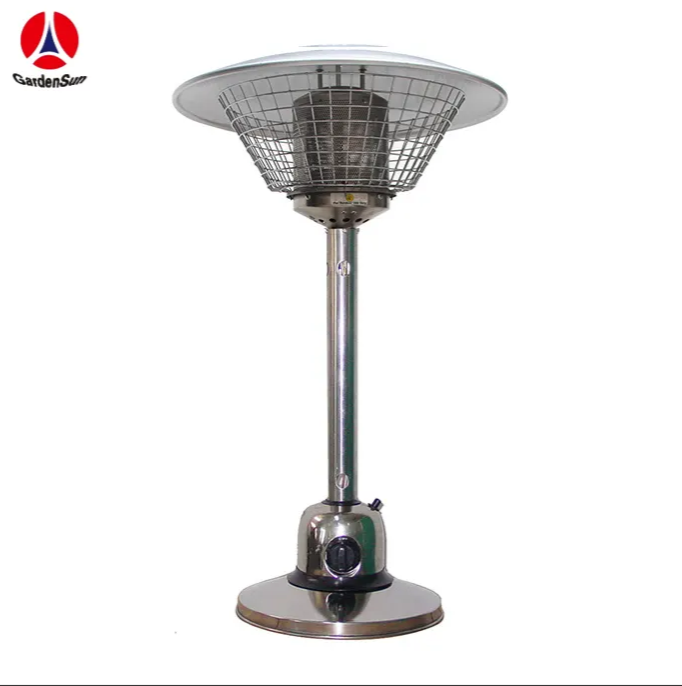
Finding a reliable source for bulk gas heater procurement is a critical decision for B2B buyers, hospitality operators, outdoor furniture distributors, and retail chains operating across multiple markets. When purchasing in volume, the stakes are considerably higher than a single-unit buy — you need consistent product quality, regulatory compliance across target markets, and a supplier capable of meeting large-order logistics without compromising on standards. The challenge becomes even more complex when international safety certifications enter the picture, because different regions enforce different testing protocols, marking requirements, and approval bodies.
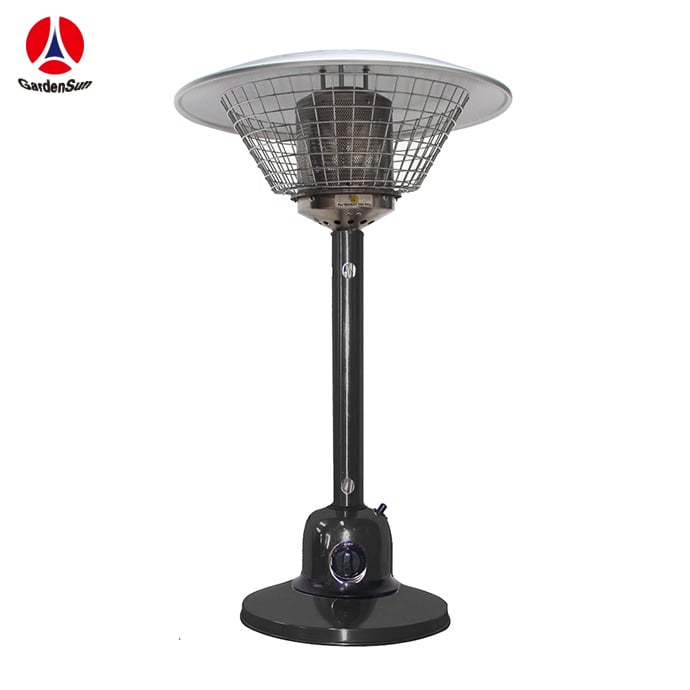
This article is designed to help procurement managers, importers, and wholesale buyers understand exactly where and how to source a certified gas heater in bulk quantities. We will cover the certification landscape that matters most to international buyers, what to verify when evaluating suppliers, and what structural qualities separate a bulk-ready gas heater manufacturer from one that cannot scale safely. Whether you are equipping outdoor dining venues, retail showrooms, or distribution networks across multiple continents, this guide gives you the purchasing intelligence you need.
Understanding International Safety Certifications for Gas Heaters
Why Certifications Define Market Access
When importing or distributing a gas heater across borders, safety certifications are not optional add-ons — they are the gatekeeping requirement that determines whether your product can legally be sold in a given market. Different regulatory bodies govern gas appliance safety in different regions, and each demands its own testing procedures, approval documentation, and product labeling standards. Failing to meet these requirements means customs holds, product recalls, or outright bans on sale.
For buyers operating in Europe, the CE marking is foundational. CE compliance for gas appliances typically falls under the Gas Appliances Regulation (EU) 2016/426, which requires third-party conformity assessment, technical documentation, and declaration of performance. A gas heater destined for the European market without valid CE marking cannot legally be placed on the market in any EU member state.
In North America, the picture is different. The United States market relies on standards such as ANSI Z21.58 for outdoor gas heaters and CSA certification for Canada. These standards test flame safety, ignition reliability, tip-over shutoff mechanisms, and thermocouple performance under strict laboratory conditions. A gas heater sold to U.S. distributors without these markings faces serious retailer and liability challenges.
Key Certification Bodies and Their Regional Relevance
Beyond Europe and North America, Australia and New Zealand require AGA (Australian Gas Association) or SAA certification, which governs gas appliance safety under AS/NZS 4433 and related standards. Any gas heater being exported to the Oceania market must carry evidence of compliance with these frameworks, and suppliers should be able to furnish test reports from accredited testing laboratories.
The UK has its own post-Brexit regulatory path, requiring UKCA marking for gas appliances sold in Great Britain, while Northern Ireland retains CE requirements. Bulk buyers targeting the UK market must clarify from the outset which marking their gas heater supplier can support, since UKCA and CE are not automatically interchangeable even for products that previously held both.
Some emerging markets in Southeast Asia and the Middle East have their own national standards or defer to internationally recognized certifications from bodies like Intertek, SGS, or TÜV Rheinland. A qualified bulk gas heater supplier should already work with recognized third-party testing organizations to make cross-market certification documentation readily accessible to buyers.
Where to Source Bulk Gas Heaters with Certified Credentials
Evaluating Manufacturer-Direct Suppliers
The most reliable path to acquiring a certified gas heater in bulk is working directly with manufacturers who have invested in the certification process from the product design stage. These suppliers build compliance into the engineering phase rather than applying it retroactively, which means the gas heater's internal components — burners, valves, regulators, thermocouples — are selected and assembled with safety standard requirements in mind from the beginning.
When assessing a manufacturer-direct supplier, the first document to request is the certificate of conformity for each target market. A credible gas heater manufacturer will maintain a portfolio of active certifications covering major markets and be able to provide test reports, technical files, and declaration of conformity documents upon request. If a supplier hesitates or cannot produce these documents in a timely manner, that is a significant red flag for bulk procurement.
Production capacity and quality management systems are equally important. ISO 9001 certification at the manufacturing facility indicates that the supplier has implemented structured quality control procedures across the production line. For a gas heater with moving parts, combustion systems, and safety shutoff mechanisms, consistent manufacturing quality directly impacts product reliability and end-user safety in the field.
Trade Platforms and Wholesale Directories as Starting Points
B2B trade platforms serve as useful discovery tools when beginning the search for a bulk gas heater source. These platforms allow buyers to filter suppliers by certification, production capacity, and export history. However, listings on these platforms should be treated as a starting point for due diligence rather than a final endorsement of compliance. Always verify certifications independently by requesting original documentation and cross-checking certificate numbers with the issuing body.
Industry trade fairs — both in-person and virtual — are another valuable sourcing channel. Exhibitions focused on outdoor living, heating equipment, or hospitality supply often attract manufacturers who specialize in the gas heater category and have already navigated international certification processes for their primary export markets. Meeting suppliers in this context allows buyers to assess product quality directly and discuss compliance requirements face-to-face.
Specialized wholesale distributors who hold exclusive or authorized relationships with certified manufacturers can also provide a practical route to bulk procurement, particularly for buyers who need regional warehousing, logistics support, or local after-sales service alongside the product itself. In this case, the distributor's role is to bridge the compliance and supply chain gap between a foreign manufacturer and the local market.
Product Features That Matter When Buying a Gas Heater in Bulk
Safety Mechanisms That Support Certification Compliance
A gas heater that carries valid international certifications will typically incorporate specific safety features that are tested and verified as part of the certification process. Understanding what these features are helps buyers evaluate product listings and supplier claims more critically. One of the most important is the oxygen depletion sensor (ODS) or thermocouple-based flame failure device, which cuts off gas flow if the flame is extinguished — whether by wind, gas supply interruption, or accidental knockover.
Tip-over protection is another mandatory feature under most international standards for freestanding gas heater models. This mechanism automatically shuts off the gas supply if the unit is displaced from its upright position, preventing fuel release in the event of a fall. For outdoor commercial environments — restaurant patios, event spaces, market stalls — this feature is both a safety necessity and a certification requirement.
Piezo ignition systems, pressure regulators, and steel mesh burner guards are additional components that both enhance user safety and contribute to certification eligibility. When sourcing a gas heater in bulk, ask suppliers to walk through each safety feature and confirm which certification standard mandates or tests for that feature. This level of technical dialogue quickly distinguishes experienced manufacturers from inexperienced ones.
Design and Application Suitability for Commercial Use
Beyond safety mechanisms, the design of a gas heater intended for bulk commercial procurement should reflect durability under intensive use conditions. Commercial-grade powder coating on steel components resists corrosion and UV fading, which is critical for outdoor hospitality environments. Stainless steel burner assemblies and cast iron burner heads offer longer service life compared to lower-cost alternatives.
For tabletop gas heater models — which are increasingly popular in compact outdoor dining and hospitality settings — portability, weight balance, and ease of gas canister replacement matter greatly for operational efficiency. A gas heater designed for commercial tabletop use should have a stable base geometry, protected ignition controls, and a canister compartment that allows quick replacement without tools.
Heat output range is another procurement consideration. Different application environments require different BTU outputs, and a supplier capable of offering multiple SKUs across a consistent gas heater design family — differing in heat output, fuel type compatibility, or mounting style — provides significantly more value to bulk buyers serving diverse end markets.
Due Diligence Steps Before Committing to a Bulk Gas Heater Order
Requesting and Verifying Certification Documentation
Before placing a bulk gas heater order, buyers should follow a structured documentation review process. Start by requesting copies of all active certifications relevant to your target markets. Check that each certificate lists the specific model number you intend to purchase, not just a generic product family designation. Certifications are model-specific, and a gas heater that looks visually similar to a certified model may not carry the same approval if internal components differ.
Verify the certificate validity date. Certifications expire and require renewal audits, and a supplier who has not maintained their certification status may be operating with lapsed approvals. Contacting the issuing certification body directly — using the certificate number — is the most reliable way to confirm active status. For high-volume orders, this verification step is worth the effort and can protect you from costly compliance failures downstream.
Request a test report alongside each certificate. Test reports provide detailed documentation of the specific conditions and parameters under which the gas heater was evaluated. Reviewing test reports allows technical buyers to confirm that the tested product version matches what is being offered for purchase and that no significant design changes have been made post-certification without re-testing.
Conducting Factory Assessments and Sample Testing
For substantial bulk orders, a pre-production factory assessment is a standard and advisable step. This involves visiting or engaging a third-party inspection firm to audit the supplier's manufacturing facility, verify quality management practices, and confirm that the production line for the gas heater model in question aligns with the design specifications covered by the existing certifications.
Request pre-shipment samples before full production begins. Test these samples against key safety criteria — ignition reliability, tip-over shutoff response, gas valve integrity, and surface temperature compliance. If the supplier has in-house testing equipment calibrated to the relevant standards, they should be willing to provide testing results from production-line samples. Independent third-party inspection of pre-shipment goods adds another layer of assurance.
Establish clear contractual language around what happens if delivered gas heater units fail to meet the certified specifications. Reputable suppliers will accept incoming quality inspection rights, provide replacement or credit policies for non-conforming units, and carry product liability insurance that extends to export markets. These contractual protections are just as important as the certifications themselves when managing bulk procurement risk.
FAQ
What certifications should a gas heater have for sale in multiple international markets?
The most commonly required certifications for international gas heater sales include CE marking for Europe (under EU Gas Appliances Regulation), CSA/ANSI certification for North America, AGA or SAA approval for Australia and New Zealand, and UKCA marking for Great Britain. Some markets additionally accept certifications from recognized third-party bodies such as TÜV, Intertek, or SGS as evidence of compliance with local standards. A supplier targeting multiple export markets should ideally hold several of these in parallel for their primary gas heater models.
How do I verify that a supplier's gas heater certifications are genuine and currently valid?
The most reliable method is to cross-reference the certificate number directly with the issuing certification body's official database or to contact the body directly with the certificate details. Request the original certificate document rather than a scanned photocopy, and confirm that the model number listed on the certificate exactly matches the product being offered. Certificates have expiry dates, and buyers should confirm that validity is current at the time of order and expected to remain so through the delivery and retail period.
Is it possible to order a custom-branded gas heater in bulk while maintaining certifications?
Yes, many manufacturers offer OEM and private label services for gas heater products, but the certification implications must be carefully managed. If branding changes are cosmetic only — involving labeling, color, or packaging — the original certification typically remains valid as long as internal components and safety-critical design elements are unchanged. However, any structural or functional modification may require re-testing and re-certification under the buyer's brand as the responsible party. Clarify these terms explicitly with the supplier before finalizing a custom order.
What minimum order quantities are typical for bulk gas heater procurement from certified manufacturers?
Minimum order quantities (MOQs) vary by manufacturer, product complexity, and destination market requirements, but bulk gas heater orders from certified manufacturers typically start at quantities ranging from 50 to 500 units depending on the supplier's production scale and the complexity of market-specific packaging or compliance labeling. Buyers should also factor in the cost of third-party inspections, freight, and import duties when calculating total landed cost per unit. Negotiating terms around MOQ, lead time, and certification documentation delivery should all occur before contract signing.
Table of Contents
- Understanding International Safety Certifications for Gas Heaters
- Where to Source Bulk Gas Heaters with Certified Credentials
- Product Features That Matter When Buying a Gas Heater in Bulk
- Due Diligence Steps Before Committing to a Bulk Gas Heater Order
-
FAQ
- What certifications should a gas heater have for sale in multiple international markets?
- How do I verify that a supplier's gas heater certifications are genuine and currently valid?
- Is it possible to order a custom-branded gas heater in bulk while maintaining certifications?
- What minimum order quantities are typical for bulk gas heater procurement from certified manufacturers?