
 EN
EN
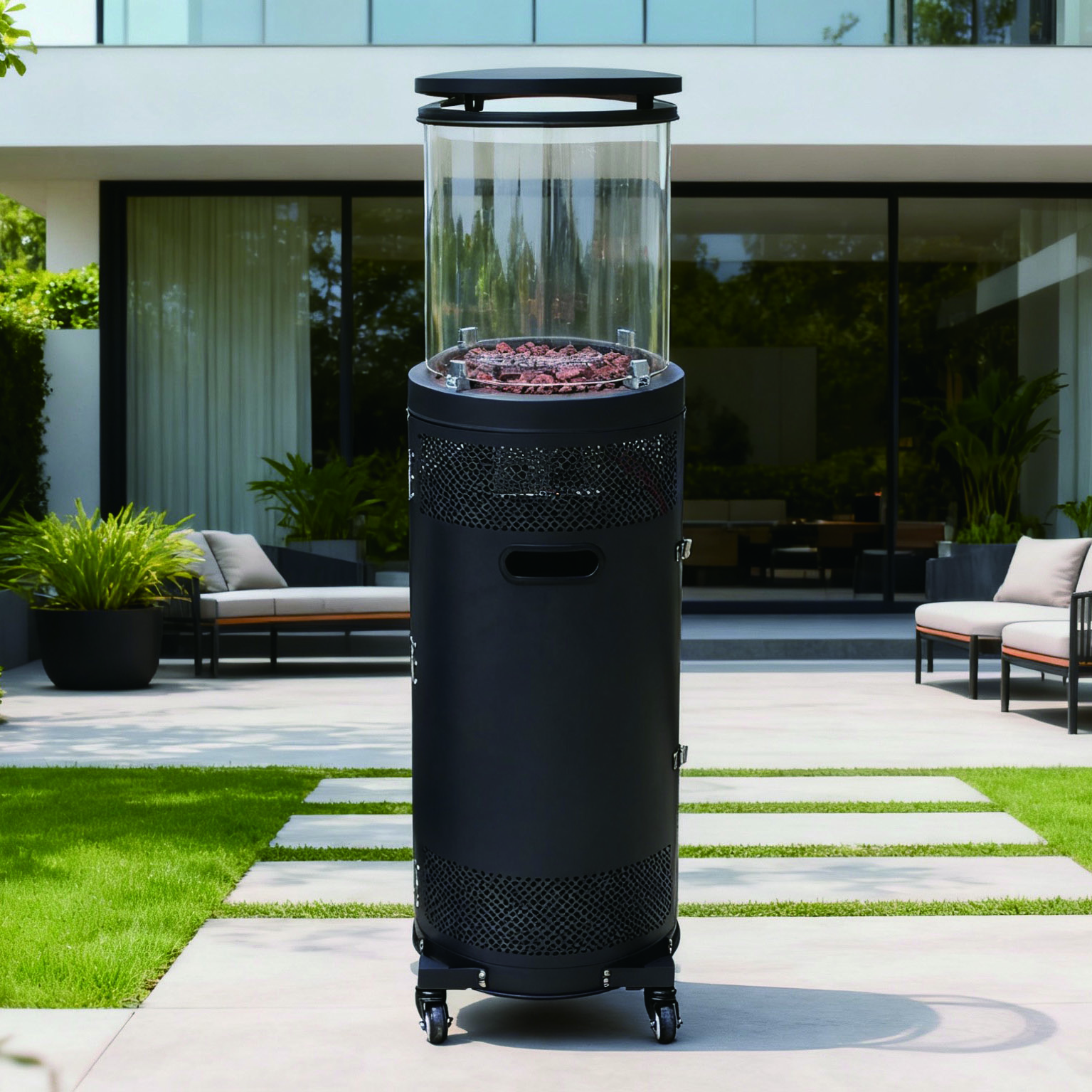
A commercial patio gas heater represents a significant investment in your outdoor hospitality space, and protecting that investment requires strategic maintenance and operational discipline. Whether your patio gas heater serves a restaurant, resort, hotel, or event venue, understanding how to extend its working life directly impacts your bottom line and guest comfort. The lifespan of a patio gas heater depends less on luck and more on deliberate care practices, environmental controls, and consistent monitoring. This guide explores proven methods to maximize the lifetime of your commercial patio gas heater and ensure reliable performance season after season.
The core principle behind extending patio gas heater lifespan is consistency: regular inspection, prompt repairs, and proactive protection against weather and corrosion. A patio gas heater that receives systematic care can deliver 8 to 12 years of reliable service, while neglected units may degrade significantly within 3 to 5 years. Commercial operators who understand the maintenance rhythm of their patio gas heater equipment gain competitive advantage through reduced downtime, lower replacement costs, and enhanced customer experience. The following sections break down the essential practices that separate long-lasting installations from those requiring early replacement.
Regular Inspection and Preventive Maintenance
Schedule Seasonal Deep Inspections
Your patio gas heater requires formal inspection at least twice yearly, ideally before peak season and after winter storage. During these inspections, examine the burner assembly for corrosion, debris, or flame irregularities. Check all visible piping and gas connections for leaks using a soapy water test, watching for bubbles that indicate escaping gas. A patio gas heater's ignition system should spark consistently, and the flame color should be steady blue rather than orange or yellow, which signals incomplete combustion or impurities. Document findings in a maintenance log to track patterns and predict component replacement needs.
Clean Burner Components and Internal Pathways
Dust, pollen, and residue naturally accumulate inside a patio gas heater's burner assembly, restricting gas flow and reducing heat output. At least once per season, carefully disassemble accessible burner parts and clean them with compressed air and soft brushes. Never use harsh chemicals or abrasive materials that damage internal surfaces. Ensure all ports and orifices remain clear, as blockages force your patio gas heater to work harder and heat unevenly. After cleaning, test the unit thoroughly to confirm proper operation before returning it to service.
Environmental Protection and Weather Management
Deploy Quality Protective Covers During Off-Season
Winter storage is where many commercial patio gas heater units experience accelerated degradation. Even in mild climates, moisture, salt spray, and temperature swings attack exposed metal surfaces. Invest in a heavy-duty, custom-fitted cover designed specifically for your patio gas heater model. The cover should be breathable to prevent moisture trapping, yet durable enough to withstand wind and handling. Before covering, ensure your patio gas heater is completely dry and the gas valve is firmly shut. Store the unit in a sheltered location if possible, such as under an awning or storage shed, to reduce weather exposure.
Manage Moisture and Corrosion Risk
Moisture is the enemy of any outdoor metal equipment, and your patio gas heater is no exception. In humid climates or near saltwater environments, corrosion accelerates dramatically. Consider applying a light coat of food-grade mineral oil to exposed metal surfaces before seasonal storage. Place silica gel desiccant packets inside the protective cover to absorb residual moisture. For coastal installations, a patio gas heater may benefit from annual rinses with fresh water to remove salt deposits, followed by thorough drying. Stainless steel components resist corrosion better than painted steel, so verify your patio gas heater includes stainless hardware in critical areas.
Operational Excellence and Gas System Care
Maintain Proper Fuel Supply and Regulator Performance
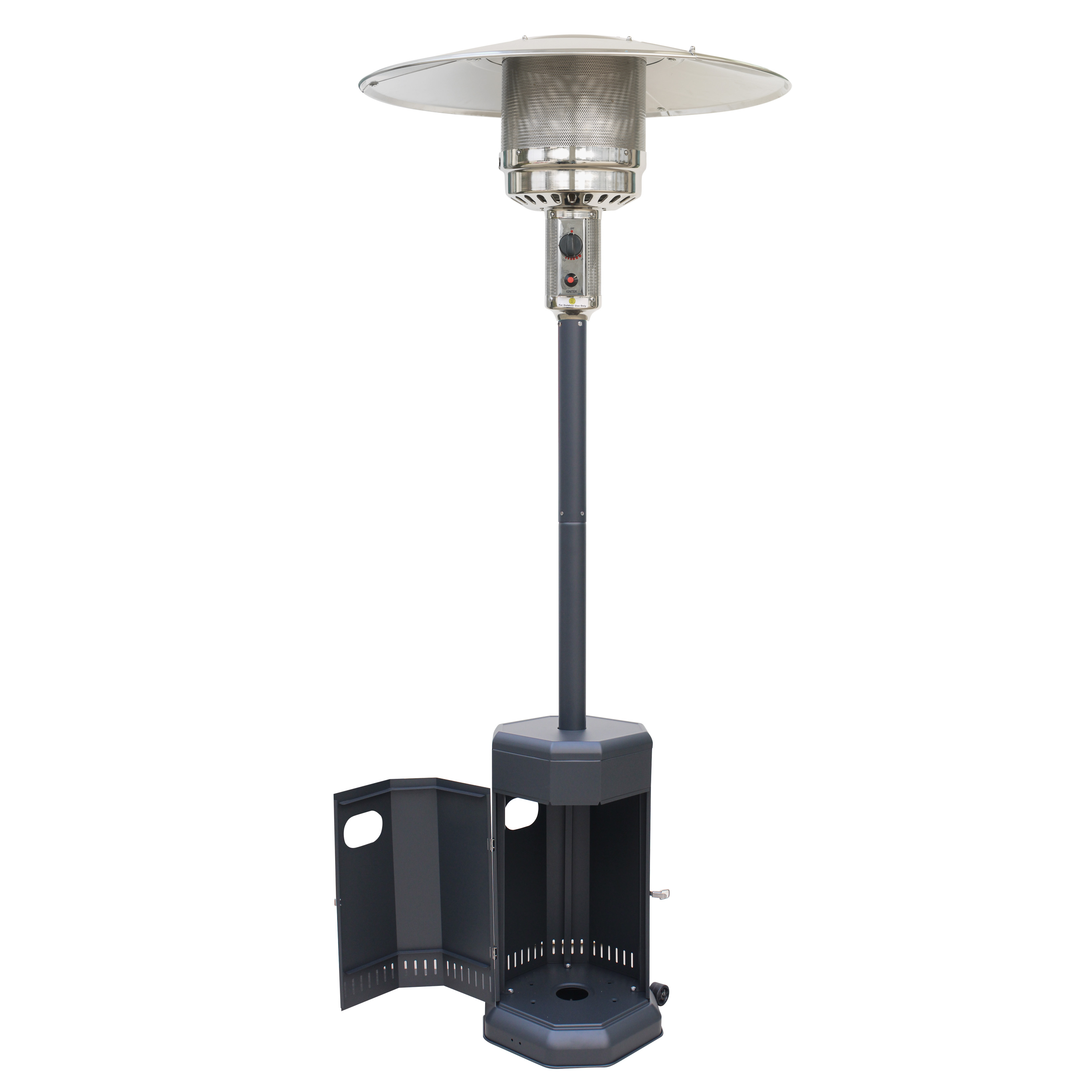
The fuel supply chain directly affects how long your patio gas heater will function optimally. Inspect propane or natural gas lines for cracks, kinks, or signs of wear every 30 days. A patio gas heater fed by degraded fuel lines experiences pressure fluctuations that stress internal components and create safety hazards. Replace any damaged lines immediately. The pressure regulator controlling gas flow is equally critical; if your patio gas heater loses consistent pressure, flames will flicker and efficiency drops. Most regulators last 5 to 7 years in commercial service. Test regulator output annually and replace proactively rather than waiting for failure.
Establish Operator Training and Usage Standards
Staff handling your patio gas heater should receive formal training on startup procedures, safe operation, and shutdown protocols. Many premature failures trace to user error: igniting the pilot light incorrectly, leaving the unit running when unattended, or attempting repairs without proper authorization. A well-trained team understands that a patio gas heater should always be shut down during severe winds or storms to prevent damage and ensure safety. Create written operating procedures and post them near the unit. Rotating staff through brief monthly refresher sessions ensures consistency. When your entire team respects proper protocols, your patio gas heater's mechanical systems experience less stress and wear.
Component Replacement and Upgrade Strategy
Replace Consumable Parts on Schedule
Even the best maintained patio gas heater eventually requires component replacement. Igniter elements typically last 3 to 4 years before losing spark reliability. Thermocouples, which sense heat and control gas flow safety, degrade from thermal cycling and may need replacement every 2 to 3 years. Gaskets and seals dry out and crack over time, creating slow leaks. Rather than waiting for these parts to fail catastrophically, replace them proactively during off-season servicing. A patio gas heater with fresh igniters and seals operates more reliably and efficiently. Budget for these predictable expenses as part of your annual maintenance cost.
Upgrade Worn or Obsolete Elements
If your patio gas heater is more than 7 years old and showing increased repair frequency, strategic upgrades can restore performance and extend useful life. Replacing the burner head with an upgraded design optimizes flame pattern and heat distribution. Modern burner assemblies often feature improved corrosion resistance and better combustion efficiency. A patio gas heater with an updated ignition system becomes more reliable in damp conditions and cold starts. These investments cost less than complete replacement and signal to your operation that equipment longevity is a priority. Document all upgrades in your maintenance record to support future resale or warranty claims.
FAQ
How often should I service my commercial patio gas heater to maximize its lifetime?
Service your patio gas heater at minimum twice per year: once before the peak season and once after winter storage. In high-use commercial environments, monthly inspections and quarterly deep cleaning are ideal. A patio gas heater that runs daily may warrant more frequent attention. Between formal service appointments, perform visual checks weekly to catch leaks, blockages, or operational irregularities early. Consistent, predictable maintenance prevents costly emergency repairs and extends the unit's functional lifespan significantly.
What environmental factors most threaten the lifespan of a patio gas heater?
Salt air, high humidity, direct rainfall, and extreme temperature swings pose the greatest threats to a patio gas heater's longevity. Coastal and desert installations are particularly vulnerable. Heavy UV exposure degrades exterior paint and controls. A patio gas heater positioned in an area with poor drainage may accumulate standing water underneath, accelerating rust formation. Wind-driven rain and salt spray penetrate exposed seams and corrode fasteners. Mitigate these risks by choosing sheltered locations, deploying protective covers, using stainless hardware where possible, and rinsing the unit periodically. Environmental protection is often the most cost-effective maintenance investment.
Can upgrading components actually extend a patio gas heater's usable life?
Yes, strategic upgrades can significantly extend your patio gas heater's usable life by 2 to 4 years or more. Replacing the burner assembly with a modern design improves combustion efficiency and corrosion resistance, reducing wear on downstream components. Upgrading to a electronic ignition system eliminates reliability issues common in older pilot light designs. A patio gas heater with a new regulator and fresh fuel lines often performs like a much younger unit. These upgrades cost considerably less than full replacement and restore customer-facing reliability. For commercial operators, component upgrades represent smart capital allocation that justifies continued operation of well-maintained units.