
 EN
EN
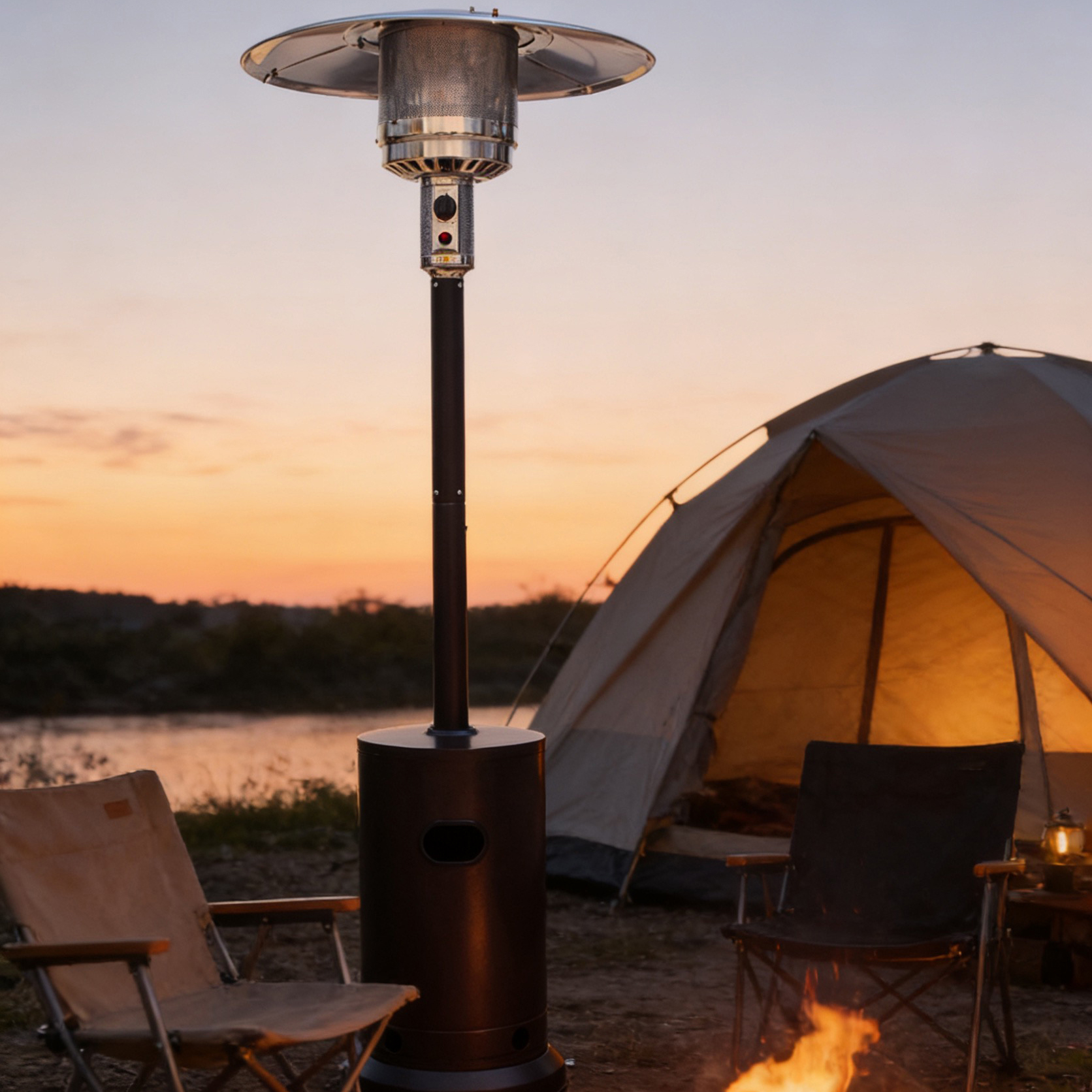
When planning large-scale outdoor events, selecting the right heating solution becomes crucial for guest comfort and event success. A patio gas heater offers unmatched advantages for event planners managing everything from corporate gatherings to wedding receptions and festival activations. The patio gas heater has emerged as the industry standard because it delivers rapid heat distribution, scalable coverage options, and cost-effective operation that aligns perfectly with the demanding requirements of professional event management.
Event planners depend on reliable heating infrastructure to extend outdoor seasons, maximize guest comfort, and create memorable experiences regardless of ambient temperature. A patio gas heater accomplishes these goals while maintaining flexibility in deployment, minimal setup time, and predictable operational costs. Understanding why a patio gas heater stands out among competing heating solutions requires examining its performance characteristics, economic advantages, and practical suitability for events of all scales.
Performance Advantages of Patio Gas Heater Systems
Rapid Heat Output and Coverage Range
A patio gas heater generates immediate warmth through direct radiant heating rather than relying on ambient air circulation. This means guests experience comfort within seconds of activation, unlike convection-based systems that require time to condition surrounding air. A high-quality patio gas heater can effectively warm spaces spanning fifteen to twenty-five feet in diameter, depending on design specifications and fuel capacity. Event planners appreciate this coverage consistency because it allows flexible seating arrangements without creating cold zones that diminish guest satisfaction.
Fuel Efficiency and Runtime Longevity
Modern patio gas heater technology maximizes fuel consumption efficiency through optimized burner design and reflective heat capture mechanisms. A single patio gas heater operating at medium heat output can run continuously for eight to twelve hours on a standard propane tank, eliminating the need for frequent refueling during events. This runtime capability proves particularly valuable for multi-hour celebrations, conference gatherings, and outdoor venue activations where interruption for fuel replacement would disrupt the guest experience. The reliability of a patio gas heater fuel system means event planners can focus on other operational details with confidence that heating will remain consistent throughout the event duration.
Economic and Operational Benefits
Cost-Effective Heating Investment
Comparing heating solutions across total cost of ownership, a patio gas heater delivers exceptional value for event applications. Initial equipment costs remain substantially lower than permanent outdoor heating infrastructure, permanent electrical installations, or other portable alternatives. Operating expenses reflect straightforward propane consumption at predictable market rates, enabling accurate budget forecasting. A patio gas heater also eliminates expensive installation fees, specialized electrical work, or structural modifications required by alternative systems. For event companies managing multiple concurrent events, the portability and reusable nature of a patio gas heater makes it the most economically rational choice compared to investing in fixed installations at each venue.
Minimal Maintenance Requirements
Event planning operations benefit enormously from equipment requiring minimal servicing between deployments. A patio gas heater demands only basic seasonal inspections, occasional cleaning, and propane tank verification before events. This low-maintenance profile contrasts sharply with complex electrical systems, ducted air distribution networks, or sophisticated climate control technologies that require specialized technician involvement. The straightforward mechanical design of a patio gas heater means venue staff or event coordinators can perform routine checks without external support, reducing operational complexity and unexpected downtime costs.
Strategic Advantages for Large-Scale Events
Scalability and Flexible Deployment
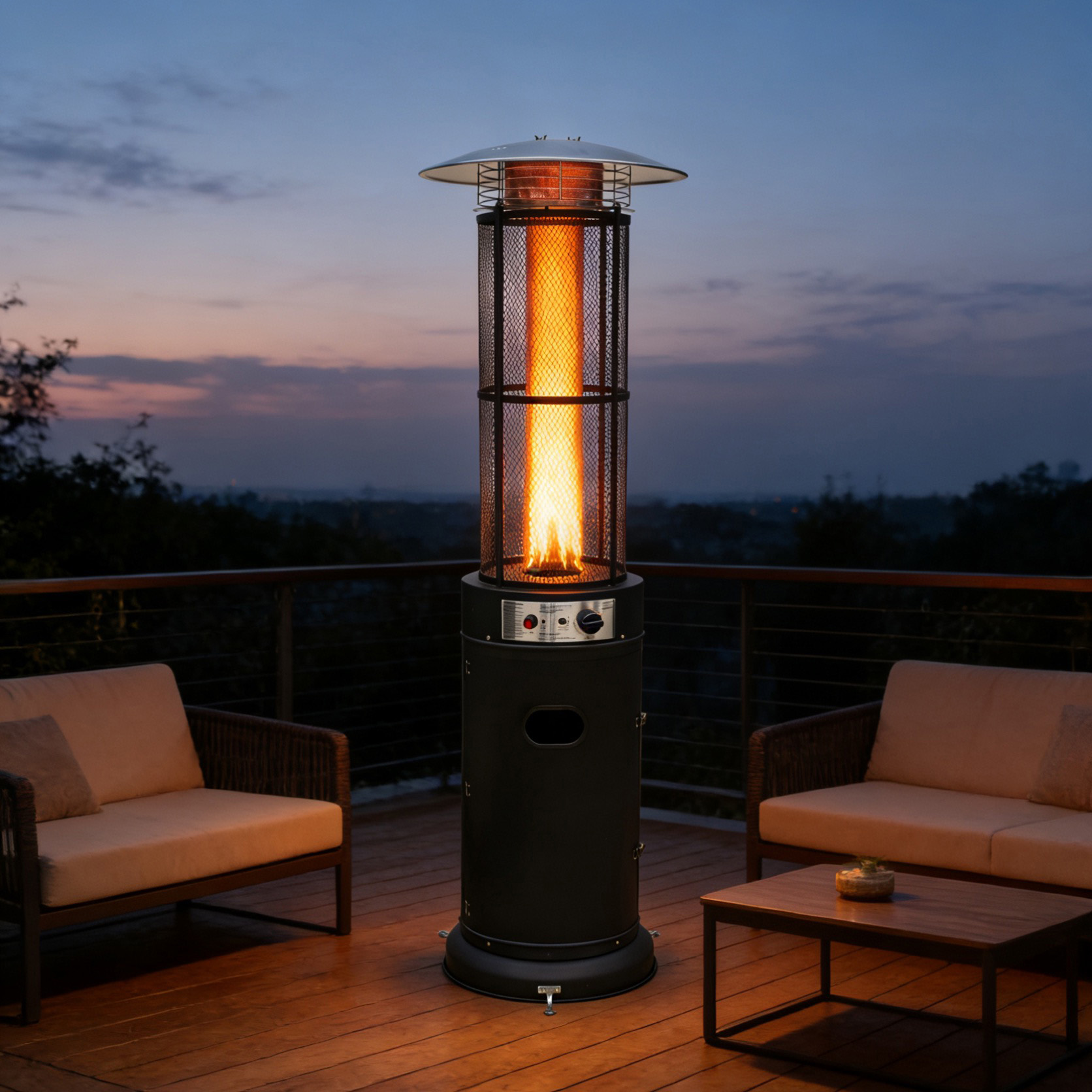
Event environments vary dramatically in size, layout, and architectural characteristics. A patio gas heater excels precisely because event planners can deploy multiple units strategically throughout event spaces to achieve comprehensive temperature optimization. Whether covering a focused cocktail area, distributed seating across a sprawling outdoor venue, or creating distinct heated zones within a larger event space, a patio gas heater system scales effortlessly. The independent operation of each unit means planners can activate heating only in occupied areas, optimizing fuel consumption while maintaining comfort. This tactical flexibility distinguishes the patio gas heater as fundamentally superior to fixed-location systems that cannot adapt to dynamic event configurations.
Guest Experience and Comfort Consistency
The guest experience during outdoor events depends critically on maintaining comfortable conditions without excessive distractions. A patio gas heater operates with minimal noise generation, allowing conversation and entertainment to proceed uninterrupted. The radiant heat from a patio gas heater feels natural and comfortable, mimicking the sensation of sunshine rather than creating artificial or oppressive temperature conditions. Guests positioned near a patio gas heater experience consistent warmth while maintaining visual access to their surroundings and event activities. This combination of thermal comfort and ambient experience quality makes a patio gas heater the preferred choice for venue managers and event coordinators prioritizing attendee satisfaction as a success metric.
FAQ
Can a patio gas heater operate safely in covered outdoor structures?
Yes, a patio gas heater can safely operate under covered structures such as patios, canopies, and permanent pavilions provided adequate ventilation exists. Propane combustion produces minimal carbon monoxide when functioning properly, but venue designers should ensure air circulation through open sides or ventilation systems. Event planners should verify that a patio gas heater installation complies with local fire codes and manufacturer specifications for clearance distances from combustible materials. Professional installation assessment ensures safe operation while maximizing the heating benefit of a patio gas heater in semi-enclosed event spaces.
How does a patio gas heater compare to electric heating alternatives for large events?
A patio gas heater outperforms electric heating systems in most large-event scenarios due to superior heat output, independence from electrical infrastructure, and faster deployment capabilities. Electric systems require extensive wiring, higher power availability, and significant installation costs that may exceed venue capabilities. A patio gas heater achieves full operational status within minutes of arrival and positioning, while electric systems demand pre-event electrical preparation and professional installation. For venues without robust electrical capacity or events requiring rapid setup, a patio gas heater represents the only practical heating solution.
What fuel specifications should event planners verify when selecting a patio gas heater?
Event planners must confirm that a patio gas heater uses standard propane tank connections compatible with readily available fuel supplies in their operating region. Verify tank capacity against expected event duration to prevent mid-event refueling needs. A patio gas heater should include safety mechanisms such as automatic shutoff valves, tilt-over protection, and regulator systems that prevent fuel pressure irregularities. Consulting manufacturer documentation ensures that a patio gas heater meets all local fuel handling requirements and operates within safe consumption parameters for the event environment.