
 EN
EN
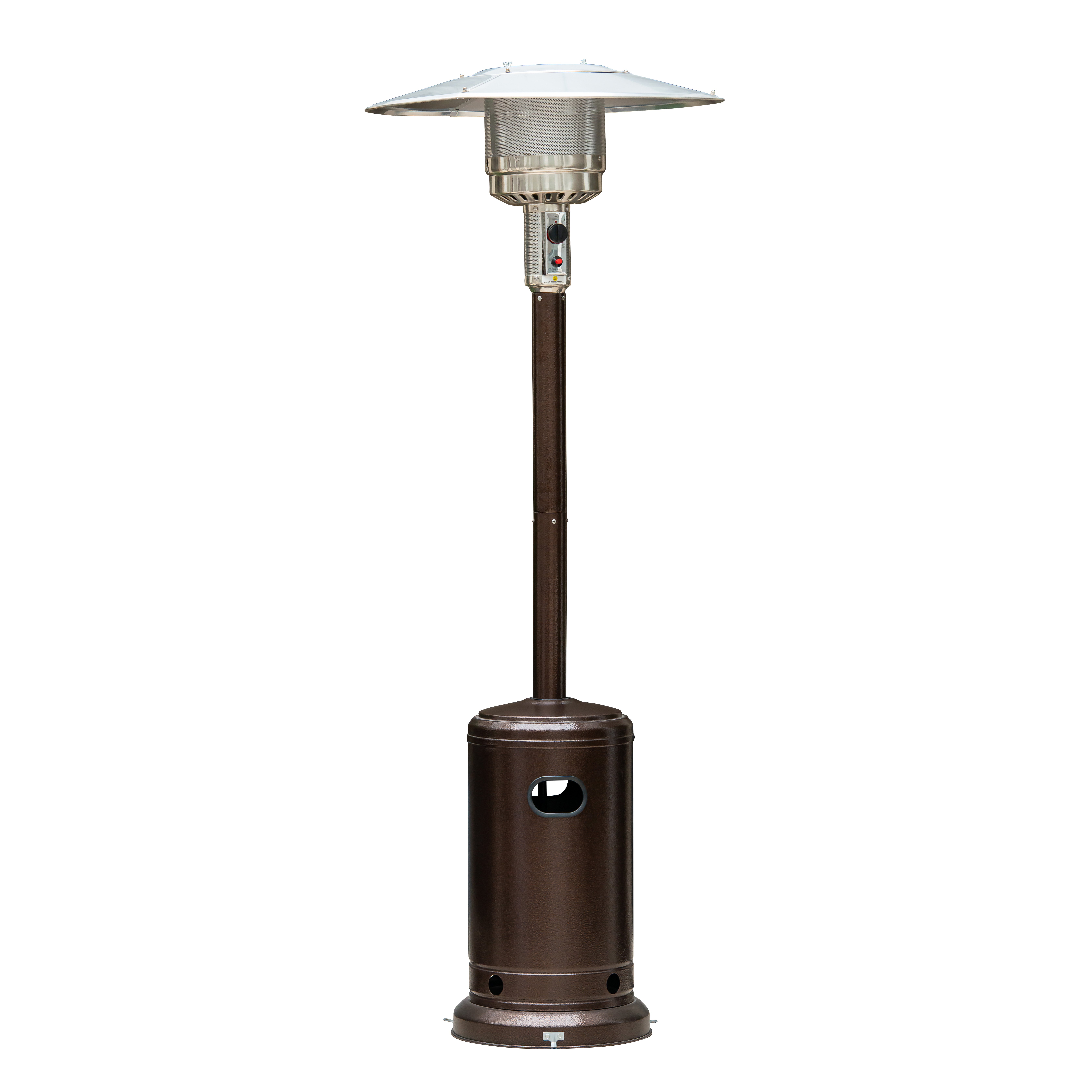
Choosing the right regulator for your patio heater gas setup is essential for safe, efficient outdoor heating. Many property owners overlook this critical component, focusing instead on heater aesthetics or heat output alone. The regulator controls pressure flow and safety, making it the backbone of any patio heater gas system. Without proper selection, you risk equipment failure, safety hazards, and inconsistent heating performance.
A patio heater gas regulator must match your specific heater model, fuel source, and operating environment. The selection process involves understanding pressure ratings, safety certifications, connection types, and performance under varying temperatures. This guide walks you through the essential factors to make an informed decision and ensure your outdoor heating runs safely and reliably year after year.
Understanding Pressure Requirements for Patio Heater Gas
Why Pressure Specifications Matter
Pressure is the fundamental specification driving patio heater gas regulator selection. Each heater model is engineered to operate within a specific pressure range, typically between 6 and 14 inches of water column for residential patio heater gas appliances. Operating outside this range causes incomplete combustion, uneven flame distribution, or equipment damage. Under-pressure results in weak heating and pilot light issues, while over-pressure can damage internal components and create safety risks.
Identifying Your Heater's Pressure Rating
Check your patio heater gas manual or the nameplate attached to the heater unit for the required inlet pressure. Most residential patio heater gas models operate at 10 to 11 inches of water column. Commercial or high-capacity units may require different ratings. Document this pressure requirement before purchasing a regulator, as it is non-negotiable for compatibility. If you cannot locate this information, contact the manufacturer directly—selecting the wrong patio heater gas pressure regulator can void warranties.
Key Safety Certifications and Standards for Patio Heater Gas Regulators
Regulatory Compliance and Certification Bodies
Patio heater gas regulators must meet industry safety standards established by organizations such as the American National Standards Institute and the American Gas Association. Look for regulators bearing UL certification marks, which indicate the product has undergone rigorous testing for leak prevention, pressure accuracy, and fail-safe operation. Certified patio heater gas regulators protect against gas leaks, pressure surges, and unexpected shutdowns during operation.
Essential Safety Features to Verify
When evaluating a patio heater gas regulator, confirm it includes a built-in excess flow valve. This safety feature automatically stops gas flow if a line ruptures or disconnects, preventing uncontrolled gas release. Additionally, ensure the patio heater gas regulator has a pressure gauge or outlet designed for gauge attachment, allowing you to verify correct pressure during installation. Finally, check that the regulator body is constructed from corrosion-resistant materials suitable for outdoor exposure, as patio heater gas systems face rain, humidity, and temperature fluctuations.
Connection Types and Compatibility for Patio Heater Gas Installation
Thread Sizes and Inlet/Outlet Fittings
Patio heater gas regulators come with different thread sizes and connection types, most commonly national pipe thread or flare fittings. Your patio heater gas supply line and heater inlet must match the regulator's port sizes precisely. Standard residential patio heater gas systems typically use half-inch connections, though some portable units use three-quarter-inch or one-inch fittings. Measure or inspect your existing supply line and heater inlet before ordering to avoid compatibility issues.
Temperature Range and Environmental Durability
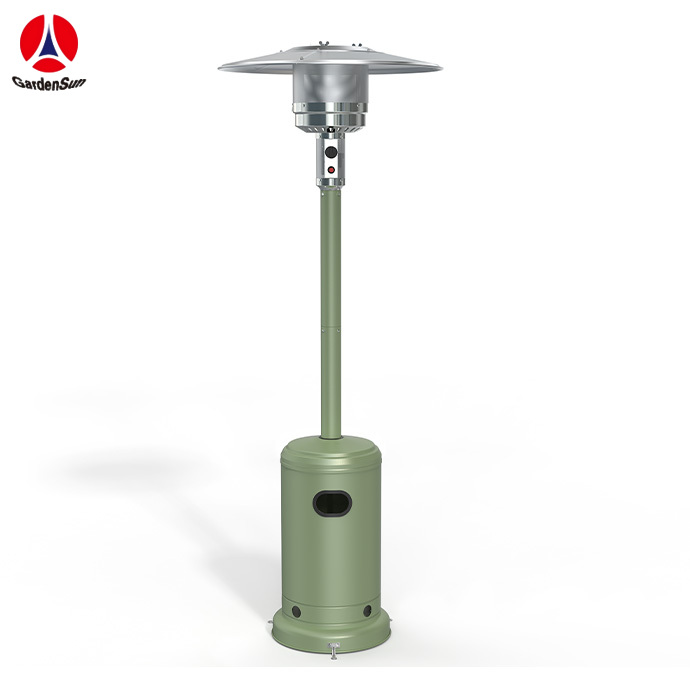
Outdoor patio heater gas regulators must operate reliably across the temperature range of your climate zone. Cold weather performance is particularly critical, as regulator internal components can stiffen or fail in freezing conditions. Premium patio heater gas regulators are tested for operation from negative 20 to 120 degrees Fahrenheit. Confirm the regulator's temperature rating matches your location's winter lows and summer highs. Additionally, verify the regulator body resists UV degradation, moisture absorption, and corrosion from exposure to rain and frost.
Selection Process and Installation Considerations
Gathering Specifications and Matching Equipment
Begin your selection by collecting four key data points: heater model number, required inlet pressure, connection thread sizes, and your geographic climate zone. Visit the manufacturer's website or contact customer support to obtain the exact patio heater gas regulator model recommended for your unit. Cross-reference the regulator's pressure rating, temperature range, and safety certifications against these requirements. Never assume a patio heater gas regulator from a different heater brand will work—designs vary significantly between manufacturers.
Installation Safety and Professional Verification
While many property owners install patio heater gas regulators themselves, having a certified technician verify the installation is highly recommended. A professional will test gas connections for leaks using soapy water, confirm correct pressure with a calibrated gauge, and ensure the patio heater gas system operates safely. If you handle installation personally, follow the manufacturer's instructions precisely, use appropriate thread sealant tape, tighten fittings firmly but not excessively, and test all connections before operating the heater. Never skip the pressure verification step, as incorrect patio heater gas pressure is invisible yet dangerous.
FAQ
What happens if I use the wrong patio heater gas regulator?
Using an incorrect patio heater gas regulator risks equipment damage, gas leaks, poor heating performance, and potential safety hazards. Under-sized regulators cannot deliver sufficient pressure, leaving your heater unable to heat adequately. Over-sized regulators cause excessive pressure that damages internal heater components. Additionally, mismatched connection fittings create gas leaks that are hard to detect and dangerous. Always verify the patio heater gas regulator matches your exact heater specifications before purchase.
How often should I replace my patio heater gas regulator?
A properly installed patio heater gas regulator typically lasts five to seven years in residential use, though climate and usage frequency affect lifespan. Inspect your patio heater gas regulator annually for corrosion, cracks, or performance changes. If you notice weak flames, inconsistent heating, hissing sounds, or difficulty lighting the pilot, have the regulator tested or replaced. Exposure to harsh weather accelerates degradation, so outdoor patio heater gas systems in humid or salty air climates may need replacement sooner than systems in drier regions.
Can I adjust the pressure on my patio heater gas regulator?
Most residential patio heater gas regulators are preset and non-adjustable for safety reasons. The preset pressure is calibrated specifically for your heater model and cannot be modified in the field. If pressure is incorrect, the regulator itself may be faulty or the wrong model for your patio heater gas system. Contact the manufacturer or a certified technician to diagnose pressure issues. Never attempt to disassemble or modify a patio heater gas regulator, as doing so creates safety risks and voids all warranties.