
 EN
EN
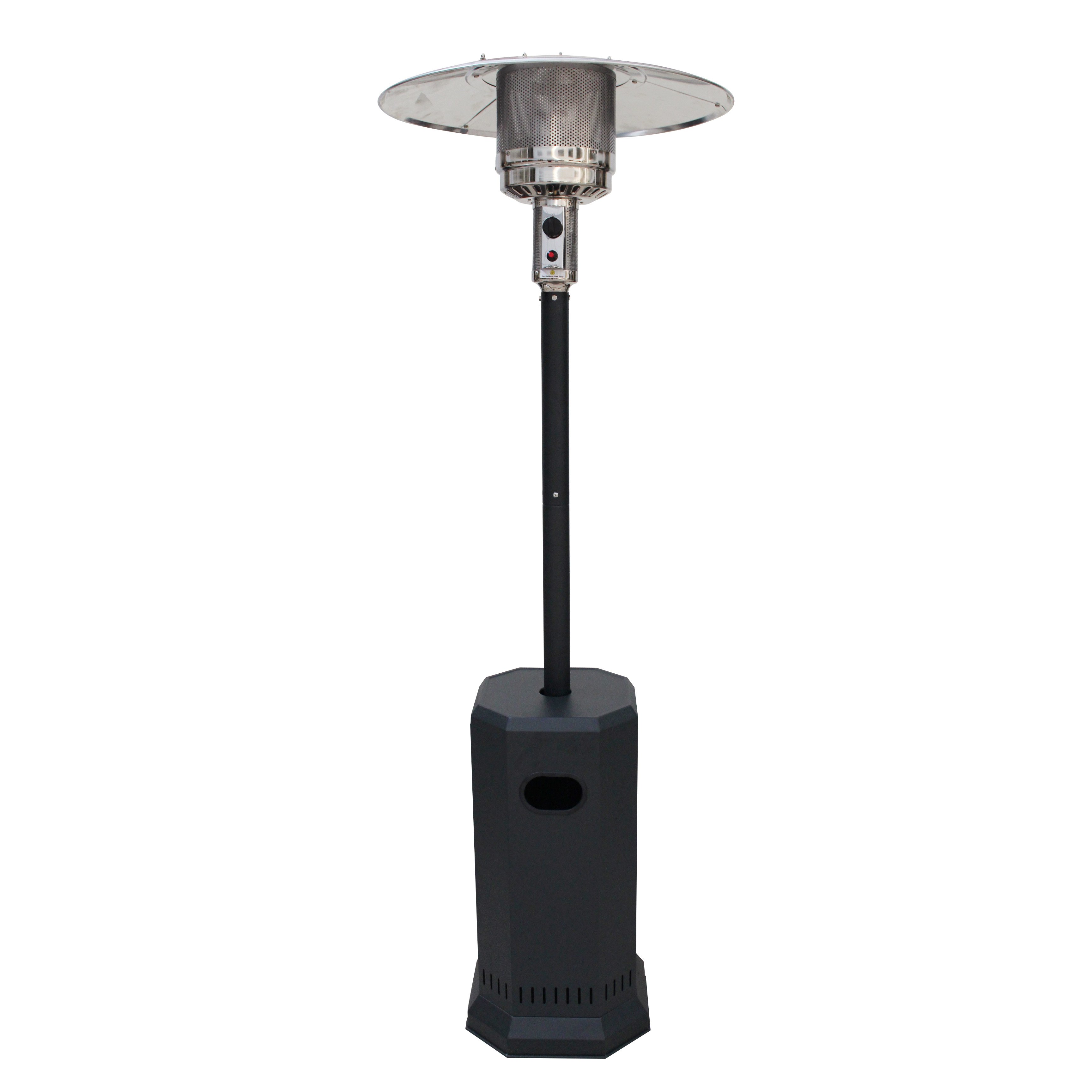
When your patio heater gas unit fails to ignite properly, outdoor gatherings quickly become uncomfortable and frustrating. Professional patio heater gas systems represent significant investments, and understanding how to diagnose ignition problems can save you from costly service calls and extended downtime. Whether you operate a commercial venue or maintain a high-end residential outdoor space, mastering patio heater gas troubleshooting is essential knowledge. Ignition failure typically stems from a few common culprits that experienced technicians address systematically, and learning these diagnostics puts control back in your hands.
Professional patio heater gas ignition systems rely on precise coordination between fuel delivery, spark generation, and control electronics. When ignition fails, the problem usually involves one or more of these three core components. Understanding the relationship between fuel supply, ignition mechanism, and safety controls helps you pinpoint exactly where the fault lies and whether the issue requires professional intervention or can be resolved through practical troubleshooting steps.
Identifying the Source of Patio Heater Gas Ignition Failure
Checking Fuel Supply and Gas Pressure
The first step in troubleshooting patio heater gas ignition problems is verifying adequate fuel supply. Even experienced owners sometimes overlook simple fuel checks, yet this remains the most common cause of ignition failure. Inspect your propane or natural gas tank to ensure it contains sufficient fuel. For propane systems, check the tank weight or use a temperature sensing patch to gauge remaining volume. Low fuel pressure prevents proper patio heater gas combustion even when ignition sparks correctly. Install a pressure gauge at the main control valve to measure actual operating pressure against manufacturer specifications. Most professional patio heater gas units require between 11 and 14 inches of water column pressure for reliable ignition. If pressure reads significantly lower, suspect a leak in fuel lines, regulator failure, or blockages in the fuel delivery system.
Inspecting Fuel Lines and Connections
Leaks within patio heater gas fuel lines represent both a safety hazard and a common ignition problem. Inspect all visible tubing for cracks, corrosion, or damage from weather exposure. Apply a soapy water solution to connections and look for bubbles indicating escaping gas. Corroded brass fittings and deteriorated rubber hose sections are particularly vulnerable in outdoor installations. Even small leaks significantly reduce the patio heater gas pressure needed for ignition. Tighten loose connections with proper wrenches, but avoid overtightening, which can strip threads. If leaks persist or tubes show significant damage, replacement is safer and more cost-effective than temporary repairs. Professional patio heater gas systems often include shut-off valves and quick-disconnects that can develop internal blockages from mineral deposits or corrosion, restricting fuel flow and preventing proper ignition.
Troubleshooting Ignition Components and Spark Generation
Testing the Spark Electrode and Ignition Module
The spark electrode and ignition module work together to create the high-voltage discharge that ignites patio heater gas vapor. A weak or absent spark is the second most common cause of ignition failure. Modern patio heater gas systems use either piezo-electric igniters or electronic ignition modules powered by batteries or electricity. Visual inspection of the spark electrode often reveals obvious problems such as corrosion, buildup of carbon deposits, or physical damage. If the electrode appears corroded, carefully clean it using fine sandpaper or a soft wire brush, then wipe away debris with a dry cloth. For patio heater gas units with electronic ignition, test battery voltage using a multimeter. Most systems require between 3 and 9 volts depending on design. Replace batteries if voltage reads below specification. Listen carefully when activating the ignition switch. A clicking or buzzing sound indicates the ignition module is functioning. Absence of any sound suggests battery failure, loose connections, or a faulty ignition control module requiring professional replacement.

Gap Distance and Electrode Positioning
Proper gap distance between the spark electrode and the burner electrode is critical for reliable patio heater gas ignition. If the gap is too wide, the spark cannot reliably jump across to ignite fuel vapor. If too narrow, the spark may not generate sufficient energy. Manufacturer specifications typically call for gaps between 0.125 and 0.250 inches, though patio heater gas system designs vary. Measure the gap using a feeler gauge and adjust by carefully loosening the electrode mounting bracket and repositioning it to the correct distance. Electrode misalignment also occurs when vibration or weather exposure shifts components. Secure all electrode mounts after adjustment to prevent future drift. Bent or warped electrodes cannot be repositioned effectively and require replacement. If your patio heater gas system uses multiple ignition electrodes, check that all gaps are uniform and properly positioned relative to the burner ports.
Control Systems and Safety Valve Diagnostics
Understanding Safety Lock-Out and Flame Sensing
Professional patio heater gas units incorporate safety systems that prevent fuel flow if ignition fails repeatedly. This protective mechanism shuts off patio heater gas supply after several failed ignition attempts to prevent dangerous gas accumulation. If you notice that patio heater gas ignition attempts stop after a few tries, the safety lock-out system is functioning properly but something is preventing successful ignition. Modern systems use flame sensors that detect actual combustion and allow the gas valve to remain open. If the flame sensor malfunctions, patio heater gas flow stops immediately after initial ignition. Test flame sensors by observing whether the unit maintains ignition after initial spark. If the flame ignites momentarily then shuts off, suspect sensor contamination. Cleaning the flame sensor electrode with a soft cloth often restores function. Some patio heater gas systems require recalibration of flame detection sensitivity after cleaning.
Main Control Valve and Gas Flow Regulation
The main control valve regulates patio heater gas flow and coordinates with ignition sequencing. A stuck or failing control valve prevents proper patio heater gas delivery during ignition attempts. Apply a control valve cleaner designed for gas appliances to external valve surfaces and allow it to soak according to product instructions. Manually cycle the control valve several times to work cleaner into internal passages. For persistent patio heater gas flow problems, the valve may require professional replacement. Some control valve failures are electrical, cutting gas flow even though mechanical components appear functional. Check that all electrical connectors are clean, tight, and properly positioned. Loose or corroded connections disrupt signal transmission between the control module and the patio heater gas valve.
Practical Troubleshooting Sequence for Professional Results
Systematic Diagnostic Workflow
Begin patio heater gas troubleshooting by confirming adequate fuel supply, then systematically check fuel pressure, inspect lines for leaks, verify spark electrode condition, test gap distance, and finally evaluate control valve response. This sequence isolates problems methodically. Start by turning the unit to its lowest setting and attempting ignition multiple times. Note whether you hear clicking from the ignition system and whether you detect patio heater gas odor. Successful gas delivery without ignition points to spark or electrode problems. Absence of gas odor indicates fuel supply issues. For patio heater gas systems with multiple burners, determine whether all fail to ignite or only some sections respond. Partial ignition suggests localized fuel delivery problems or electrode positioning issues affecting only certain burners.
When to Seek Professional Service
Some patio heater gas problems exceed DIY troubleshooting scope. Gas leaks requiring component replacement, corroded valves, or suspected regulator failure demand professional technician attention for safety and warranty protection. If your patio heater gas system is still under warranty, manufacturer service centers should handle complex diagnostics. Attempting major repairs yourself could void coverage. Additionally, pressure testing and certification of patio heater gas systems often requires specialized equipment and training. Professional service ensures that all safety requirements are met and that the patio heater gas system operates within design specifications.
FAQ
What is the most common cause of patio heater gas ignition failure?
Insufficient fuel supply is the leading cause of patio heater gas ignition problems. Empty or nearly empty propane tanks, regulator failure, and fuel line blockages account for the majority of ignition issues. Always verify adequate fuel pressure before investigating spark or electrode problems, as this eliminates the most likely culprit immediately.
How can I clean a corroded spark electrode on my patio heater gas system?
Carefully remove the electrode and use fine sandpaper or a soft wire brush to gently remove corrosion and deposits from the patio heater gas electrode surface. Wipe the cleaned electrode thoroughly with a dry cloth to remove all debris, then reinstall it at the proper gap distance. Avoid using harsh chemicals that could damage electrode materials or contaminate the patio heater gas system.
How do I know if my patio heater gas control valve needs replacement?
Signs that your patio heater gas control valve requires professional replacement include inability to modulate flame intensity, persistent loss of ignition after initial combustion, hissing or unusual sounds from the valve, and unresponsiveness to control adjustments. Testing patio heater gas valve function requires specialized pressure equipment and should be performed by qualified technicians who can also ensure proper installation and safety certification.