
 EN
EN
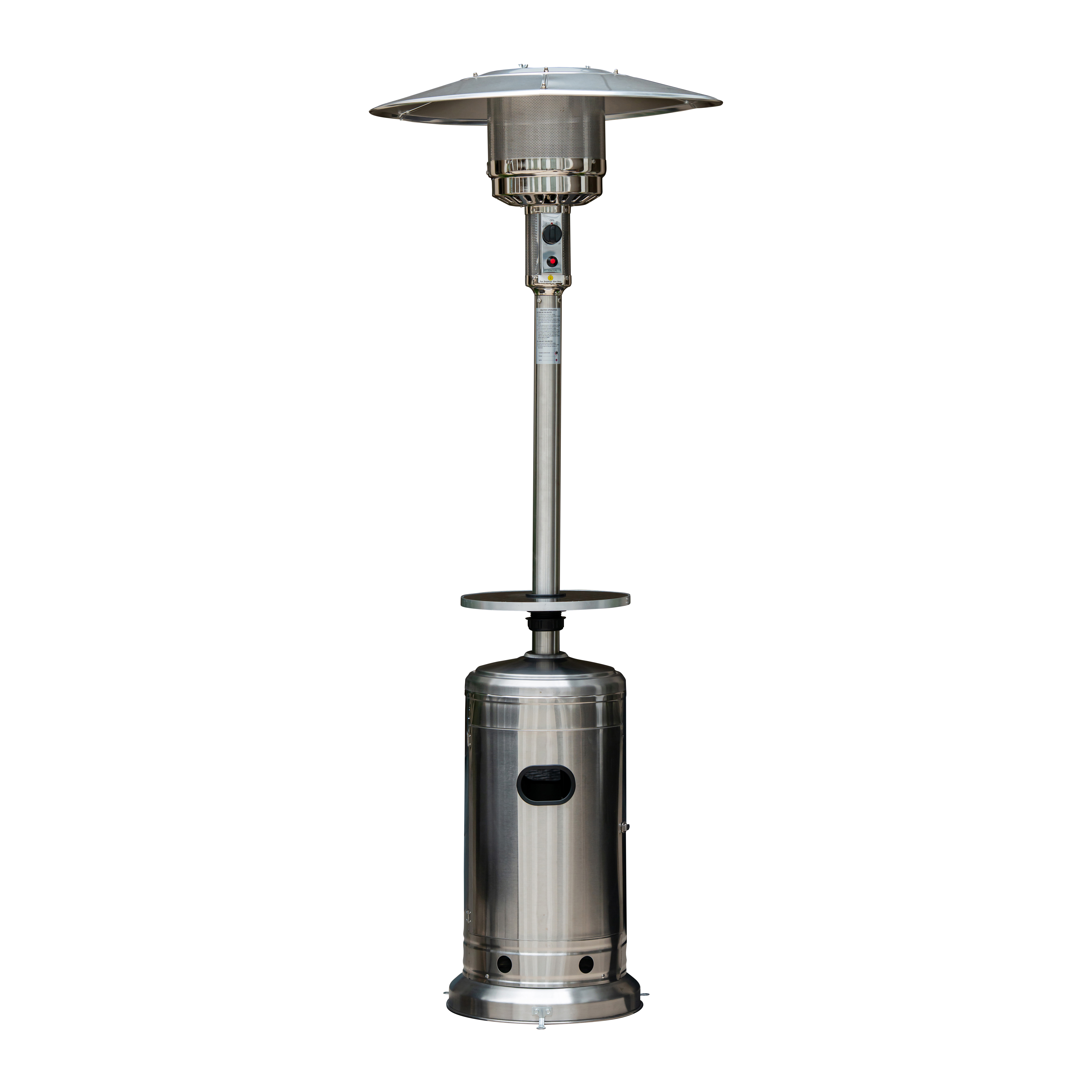
Choosing the right patio heater gas system directly impacts how long you can enjoy outdoor entertaining without frequent refueling interruptions. The duration of continuous burn time depends on multiple factors including fuel type, tank capacity, heater design, and flame intensity settings. Understanding these variables helps you select a patio heater gas solution that aligns with your entertainment schedule and outdoor comfort needs. For anyone planning regular backyard gatherings, a patio heater gas unit with extended burn capability becomes an essential investment rather than a luxury feature.
When evaluating patio heater gas options, burn time directly correlates with fuel efficiency, tank volume, and combustion design. A high-quality patio heater gas system can deliver anywhere from eight to forty hours of continuous operation, depending on these interconnected factors. This article explores the mechanisms that determine how long your patio heater gas burns continuously and identifies the design features that maximize extended performance for residential and commercial outdoor spaces.
Understanding Patio Heater Gas Fuel Types and Burn Duration
Propane as the Primary Patio Heater Gas Fuel
Propane stands as the dominant fuel choice for patio heater gas systems across residential and commercial applications. A standard twenty-pound propane tank, which is the most common patio heater gas container size, typically burns for approximately ten to twelve hours at maximum heat output. When operators reduce the flame intensity to medium or low settings, a single propane tank can extend patio heater gas burn time to twenty to thirty hours depending on the specific heater model. Propane offers consistent energy density, reliable ignition, and straightforward tank replacement, making it the preferred patio heater gas option for most property owners.
Natural Gas Connections for Unlimited Patio Heater Gas Runtime
For properties with existing natural gas infrastructure, converting to a natural gas patio heater gas system eliminates the concept of burn time entirely. Permanent natural gas line connections supply continuous fuel to your patio heater gas unit, meaning you never face empty tank scenarios during outdoor entertaining. The only practical limitation becomes the heater's mechanical lifespan rather than fuel availability. Natural gas patio heater gas systems require professional installation and connection to municipal gas lines, making them impractical for temporary or rented spaces. However, for permanent installations on owned properties, this patio heater gas approach delivers unmatched convenience and infinite operational flexibility.
Tank Size, Heater Design, and Continuous Burn Performance
Standard Tank Configurations and Burn Hour Projections
The relationship between patio heater gas tank capacity and burn duration follows predictable patterns that help consumers estimate usage costs and refueling frequency. A standard thirteen-kilogram cylinder, widely used in patio heater gas applications, supplies approximately six to eight hours of continuous operation at full flame output. Larger tanks in the fifteen to twenty kilogram range extend patio heater gas burn time to ten to fifteen hours at maximum settings. Commercial-grade patio heater gas installations often employ dual-tank systems that automatically switch between cylinders, effectively doubling burn capacity without operator intervention. Understanding these capacity benchmarks allows property managers to schedule refueling or tank exchanges before service interruptions disrupt outdoor events.
Heater Design Features That Extend Patio Heater Gas Burn Time
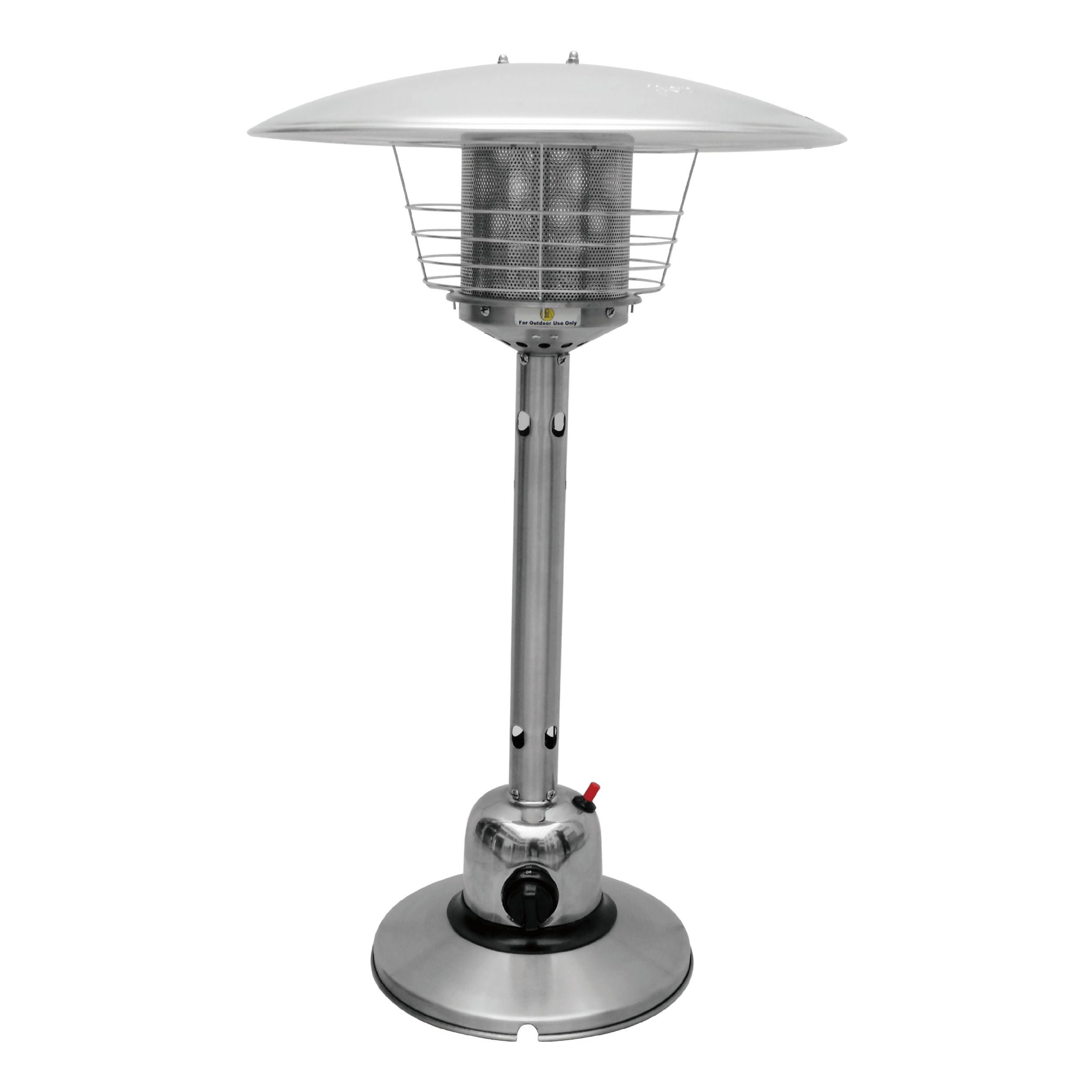
Advanced patio heater gas burner designs optimize fuel consumption through precision combustion engineering and heat distribution technology. Radiant burner heads concentrate flame output into tight patterns, reducing fuel waste and extending patio heater gas runtime per unit volume. Reflector systems and insulated combustion chambers improve heat capture efficiency, allowing patio heater gas units to reach target temperatures while consuming less fuel per hour. Adjustable flame controls enable operators to match heat output to ambient conditions and crowd density, stretching patio heater gas consumption across longer operating windows. Models featuring electronic ignition and automated shut-off mechanisms eliminate pilot light fuel waste, a feature particularly valuable in high-efficiency patio heater gas systems designed for extended burn performance.
Practical Optimization Strategies for Maximum Patio Heater Gas Efficiency
Operational Practices That Extend Burn Time
Maximizing patio heater gas burn duration involves deliberate operational choices that interact with heater design characteristics. Positioning your patio heater gas unit in sheltered locations away from strong wind exposure dramatically reduces fuel consumption, as wind rapidly dissipates thermal energy. Using screens, walls, or vegetation windbreaks prevents the patio heater gas flame from working harder to maintain ambient warmth. Scheduling entertaining sessions during milder shoulder seasons rather than deep winter months allows lower heat settings on your patio heater gas equipment, proportionally extending tank lifespan. Covering outdoor spaces with pergolas, umbrellas, or partial enclosures traps radiant heat from your patio heater gas system, requiring less continuous fuel consumption to maintain comfort levels.
Maintenance Practices and System Longevity
Regular maintenance directly supports patio heater gas burn efficiency and prevents fuel waste from degraded component performance. Cleaning burner ports and reflective surfaces on your patio heater gas unit removes carbon buildup that restricts flame quality and thermal output. Annually inspecting fuel lines, connection points, and valve seals prevents slow gas leaks that consume patio heater gas without generating heat. Winterizing outdoor patio heater gas equipment by covering exposed components and protecting regulators from moisture extends seasonal functionality without performance loss. Professional inspections of your patio heater gas system catch combustion inefficiencies that might otherwise reduce burn hours per tank by ten to twenty percent across an entire season.
FAQ
How long will a standard twenty-pound tank of propane last in a typical patio heater gas unit?
A standard twenty-pound propane tank operates a typical patio heater gas system for approximately ten to twelve hours at maximum heat output. At medium flame settings, the same patio heater gas tank may last eighteen to twenty-four hours. Low flame settings can extend patio heater gas operation to thirty hours or beyond, depending on the specific heater model and fuel consumption rate. Actual patio heater gas burn time varies by ambient temperature, wind exposure, and the heater's combustion efficiency design.
Do natural gas patio heater gas systems burn longer than propane models?
Natural gas patio heater gas systems technically offer unlimited burn time since they connect directly to permanent gas lines rather than consuming finite tank volumes. However, propane patio heater gas units can match or exceed the actual operating duration of natural gas systems because both fuel types deliver similar energy output per unit consumed. The advantage of natural gas patio heater gas lies in convenience and refueling elimination rather than superior burn efficiency. Natural gas patio heater gas installation requires professional setup and existing infrastructure, making propane the more practical choice for most residential applications.
Can adjustable flame controls really extend patio heater gas burn time?
Adjustable flame controls directly extend patio heater gas burn time by reducing fuel consumption during operation. Running your patio heater gas at medium or low flame settings consumes thirty to fifty percent less fuel than maximum output while maintaining adequate warmth for most outdoor gathering conditions. Modern patio heater gas systems feature precise regulators that allow operators to match heat output to specific comfort needs, effectively multiplying tank lifespan compared to fixed-output designs. Investing in variable-output patio heater gas equipment delivers tangible economic benefits through reduced refueling frequency and lower seasonal fuel expenses.