
 EN
EN
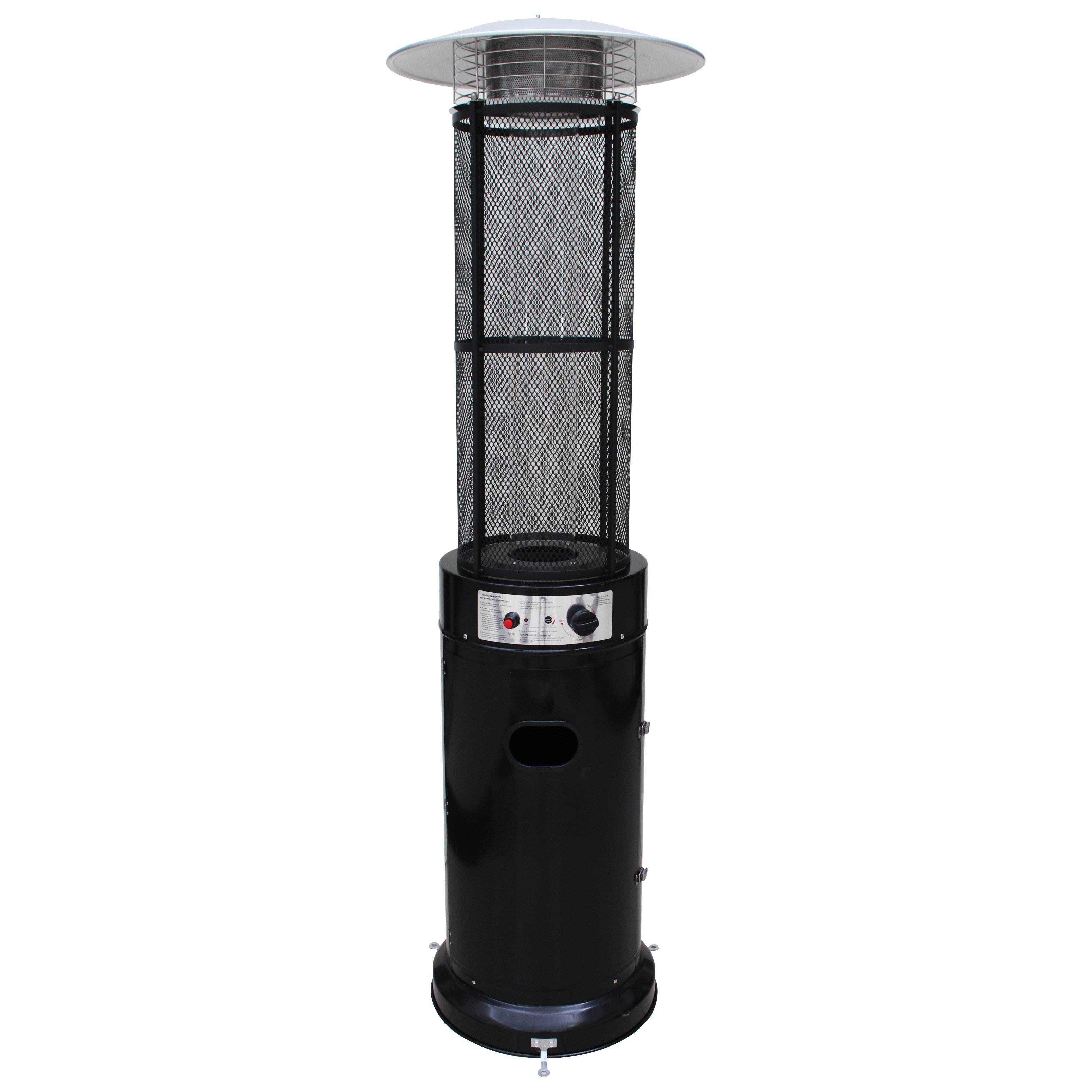
Proper storage and handling of patio heater gas is critical in commercial settings where multiple units operate simultaneously and foot traffic remains high. Commercial venues such as restaurants, hotels, event spaces, and bars rely on outdoor heating solutions to extend their usable seasons and enhance customer comfort. However, the responsibility to safely manage patio heater gas storage cannot be overlooked, as improper handling poses serious risks including fire hazards, explosions, and regulatory violations. Understanding the fundamentals of safe patio heater gas management protects your staff, customers, and business assets while ensuring full compliance with local and federal regulations.
Commercial operations depend on consistent, reliable heating to maintain guest satisfaction throughout colder months. The logistics of sourcing, storing, and maintaining adequate patio heater gas supplies adds operational complexity that demands structured procedures. Businesses that implement comprehensive patio heater gas management protocols gain competitive advantages in safety oversight, staff confidence, and customer protection. This guide examines the essential practices for storing and handling patio heater gas in professional commercial environments.
Understanding Patio Heater Gas Requirements and Regulations
Regulatory Compliance Standards for Patio Heater Gas Storage
Commercial facilities must adhere to strict regulations governing patio heater gas storage and handling. The Occupational Safety and Health Administration (OSHA) establishes baseline standards, while local fire marshals and municipal codes often impose additional requirements specific to your region. Understanding these regulatory frameworks is essential before establishing your patio heater gas storage system. Non-compliance can result in fines, operational shutdowns, and liability exposure in case of incidents involving patio heater gas. Professional facility managers invest time in verifying current regulations because codes evolve and vary significantly between jurisdictions.
Safety Certifications and Documentation for Patio Heater Gas
Every patio heater gas cylinder used in commercial settings must carry proper safety certifications and documentation. Cylinders must be inspected and certified for transport and storage, with inspection dates clearly marked on the vessel. Maintaining detailed records of all patio heater gas inspections, certifications, and testing demonstrates your commitment to safety and provides legal protection. Documentation also tracks cylinder age, maintenance history, and regulatory compliance status. Commercial operators should establish a filing system that allows quick verification of patio heater gas documentation for audits or inspections by authorities.
Establishing Safe Patio Heater Gas Storage Protocols
Designated Storage Locations for Patio Heater Gas Cylinders
Selecting the appropriate storage location is fundamental to managing patio heater gas safety in commercial venues. Storage areas must be outdoors or in well-ventilated spaces away from foot traffic, ignition sources, and customer areas. Patio heater gas cylinders should never be stored in basements, enclosed rooms without proper ventilation, or spaces where temperature fluctuations occur. Commercial facilities benefit from establishing dedicated patio heater gas storage zones with clearly marked boundaries and restricted access. These areas should be shaded, protected from extreme weather, and positioned away from buildings to minimize risk exposure if a patio heater gas incident occurs.
Temperature Control and Environmental Conditions
Patio heater gas storage requires stable environmental conditions to prevent dangerous pressure buildup or gas leakage. Cylinders containing patio heater gas must remain in areas where temperatures stay between 40 and 120 degrees Fahrenheit ideally. Extreme heat causes internal pressure increases in patio heater gas containers, potentially triggering relief valve activation or catastrophic failure. Cold temperatures can affect the physical integrity of cylinders and regulator components. Commercial sites in regions with temperature extremes should invest in insulated storage structures designed specifically for patio heater gas cylinders.
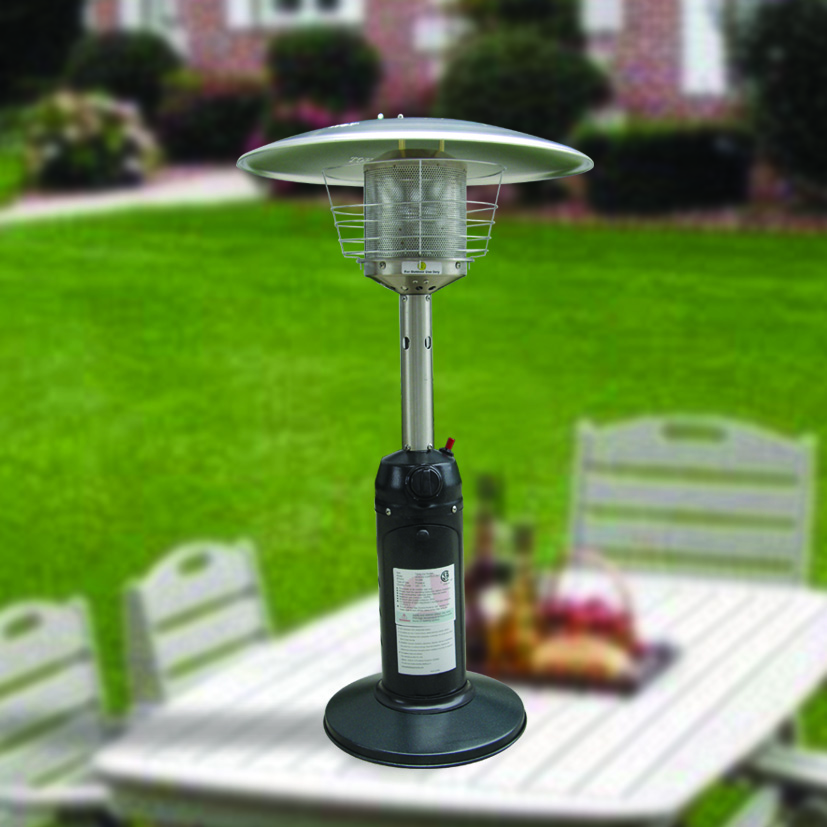
Practical Handling and Operational Safety for Patio Heater Gas
Transportation and Installation Procedures for Patio Heater Gas
Moving and installing patio heater gas cylinders demands careful technique to prevent accidents and property damage. Always transport patio heater gas cylinders upright and secure them with restraints to prevent rolling or tipping during movement. Never drag, roll, or subject patio heater gas containers to physical impacts that could compromise their structural integrity. Staff members responsible for handling patio heater gas must receive formal training covering proper lifting techniques, secure positioning, and emergency response procedures. Commercial establishments should assign specific trained personnel as the only authorized handlers of patio heater gas equipment.
Leak Detection and Emergency Response Procedures
Recognizing early warning signs of patio heater gas leaks prevents disasters in commercial settings. Distinctive odor additives are present in commercial patio heater gas, allowing personnel to identify leaks by smell. Visual inspection of regulator connections, valve seals, and hose assemblies should occur before each operational day to catch potential patio heater gas problems early. If a leak is detected during patio heater gas inspection, immediately shut off the supply valve and move the affected cylinder to an outdoor area away from ignition sources. Staff should be trained to call professional hazmat teams or fire departments if patio heater gas leak severity cannot be quickly contained, never attempting to repair cylinders themselves.
Maintenance Scheduling and Preventive Inspection
Regular maintenance extends the safe operational life of patio heater gas systems and reduces unexpected failures. Commercial facilities should establish monthly inspection schedules where technicians examine all components of patio heater gas equipment for wear, corrosion, or damage. Hoses should be replaced every five years even if patio heater gas leaks are not apparent, as material degradation occurs invisibly over time. Regulators and valves controlling patio heater gas flow require professional servicing annually to ensure they function within safety parameters. Detailed maintenance logs for every patio heater gas unit create a transparent record of preventive actions taken and help identify equipment trends requiring attention.
FAQ
How often should patio heater gas cylinders be inspected in commercial settings?
Commercial facilities should conduct visual inspections of patio heater gas cylinders and associated equipment before each operational day. Professional hydrostatic testing of patio heater gas cylinders should occur every ten years to verify structural integrity, or more frequently if the cylinder experiences significant impacts. Valves, regulators, and connection fittings on patio heater gas systems require annual professional inspection and maintenance to ensure optimal safety performance.
What should staff do if they discover a patio heater gas leak during operations?
If a leak is detected in patio heater gas equipment, immediately turn off the main supply valve and evacuate the affected area. Move the leaking patio heater gas cylinder to an isolated outdoor location away from any ignition sources, people, or structures. Do not attempt repairs; instead, contact emergency services or professional hazmat teams to handle the patio heater gas leak safely and determine appropriate remediation steps.
What training requirements apply to staff handling patio heater gas in commercial venues?
All personnel involved in storing, transporting, or maintaining patio heater gas equipment should complete formal safety training covering proper handling techniques, leak detection, and emergency response. Training programs should cover the specific regulations applicable to your jurisdiction and include hands-on practice with patio heater gas cylinder movement and connection procedures. Refresher training should occur annually or whenever new equipment is introduced into your patio heater gas operations.