
 EN
EN
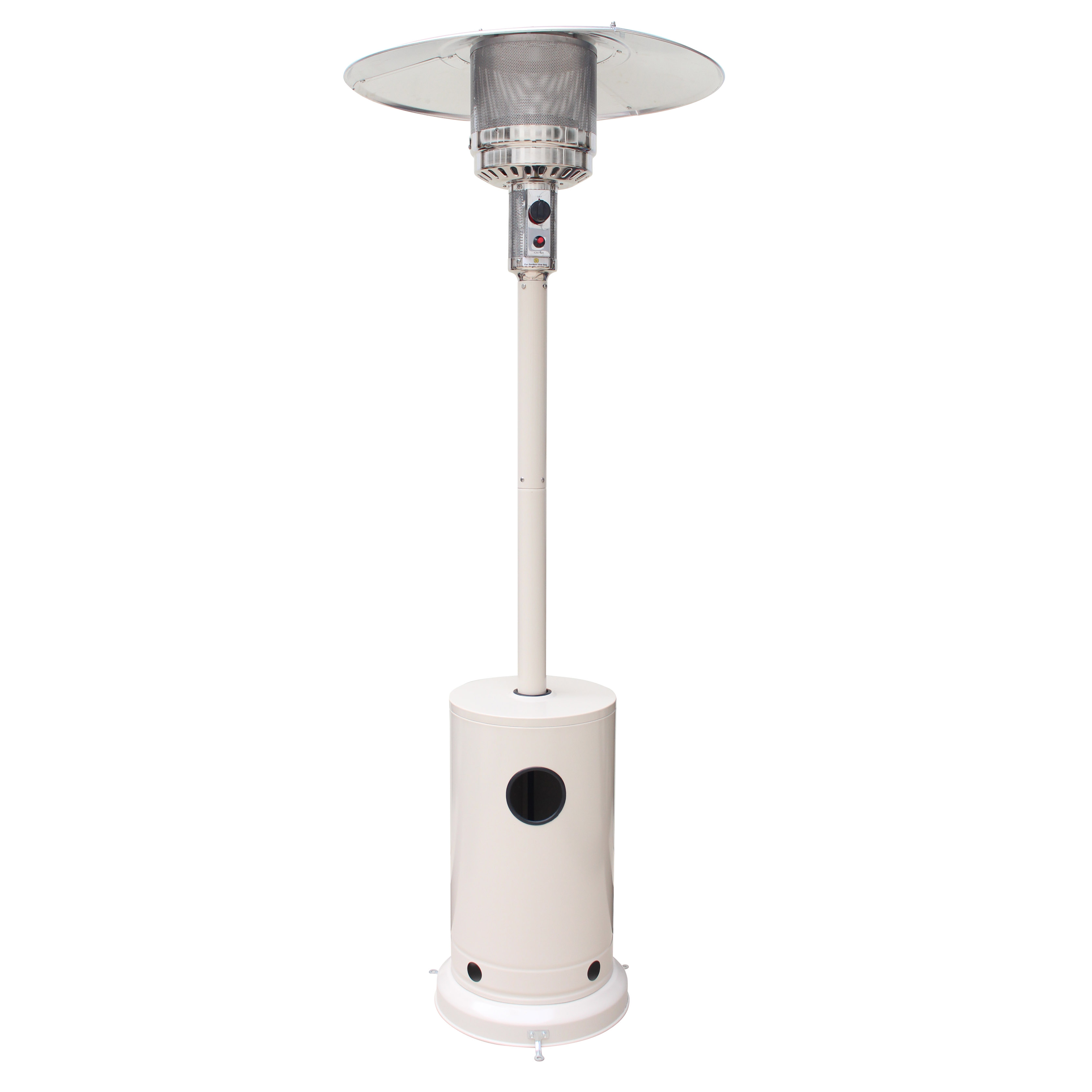
When it comes to creating a comfortable outdoor living space, the choice of heating fuel matters significantly. Patio heater gas has emerged as the preferred solution for anyone seeking instant, reliable outdoor warmth. Unlike electric heaters or traditional fire pits, patio heater gas systems deliver immediate heat output, superior efficiency, and exceptional value for both residential and commercial applications. This fuel choice has become the industry standard because it addresses the fundamental challenges of outdoor heating: rapid temperature elevation, consistent performance in various weather conditions, and cost-effective operation throughout extended seasons.
The superiority of patio heater gas lies in its combination of instant ignition capability, powerful heat generation, and straightforward installation. Propane and natural gas-fueled units produce substantial BTU output that transforms outdoor spaces into year-round entertainment venues. Whether you operate a busy restaurant patio, host frequent backyard gatherings, or simply want to extend your outdoor season, patio heater gas systems provide the warmth you need without the complications of electrical infrastructure or the unpredictable nature of wood fires. Understanding why patio heater gas outperforms alternative heating methods helps property owners make informed decisions that balance comfort, convenience, and long-term value.
Instant Heat Delivery and Performance Advantages
Rapid Temperature Rise with Patio Heater Gas
One of the most compelling reasons patio heater gas dominates the outdoor heating market is its exceptional speed in delivering warmth. When you ignite a patio heater gas unit, you experience immediate radiant heat within seconds, unlike electric heaters that require extended warm-up periods. This instantaneous performance makes patio heater gas ideal for unpredictable weather situations where you need to quickly create comfortable outdoor conditions. Commercial establishments particularly benefit from this responsiveness, as patio heater gas allows them to welcome guests into heated outdoor areas without delays. The consistent BTU output ensures that your patio heater gas system maintains optimal temperature throughout the evening, regardless of ambient conditions.
Superior Heat Coverage and Distribution
Patio heater gas systems generate enough thermal energy to effectively warm large outdoor spaces, making them far more practical than smaller heating alternatives. A quality patio heater gas unit can comfortably heat a radius of twelve to fifteen feet, depending on design and ambient temperature. This generous coverage area means a single patio heater gas installation can serve multiple seating zones simultaneously. The radiant heat from patio heater gas creates zones of warmth around the unit, allowing guests to position themselves at varying distances while remaining comfortable. Unlike electric space heaters with limited range, patio heater gas delivers distributed warmth that encompasses significant outdoor territory efficiently.
Economic Efficiency and Cost Effectiveness
Lower Operating Costs with Patio Heater Gas
Fuel cost represents a major consideration in any heating decision, and patio heater gas excels in this crucial category. Propane and natural gas remain among the most economical heating fuels available, often costing significantly less per BTU than electricity in many regions. When you choose patio heater gas, you avoid expensive electrical installation requirements and eliminate high monthly power consumption charges. Propane tanks for patio heater gas systems are inexpensive to refill, typically lasting several months depending on usage frequency. Commercial operators find that patio heater gas delivers superior cost-per-hour heating compared to electric alternatives, improving profit margins while enhancing customer experience. The fuel efficiency of patio heater gas means more warmth generated from each dollar spent, making it an economically smart choice for budget-conscious property owners.
Reduced Installation and Maintenance Expenses
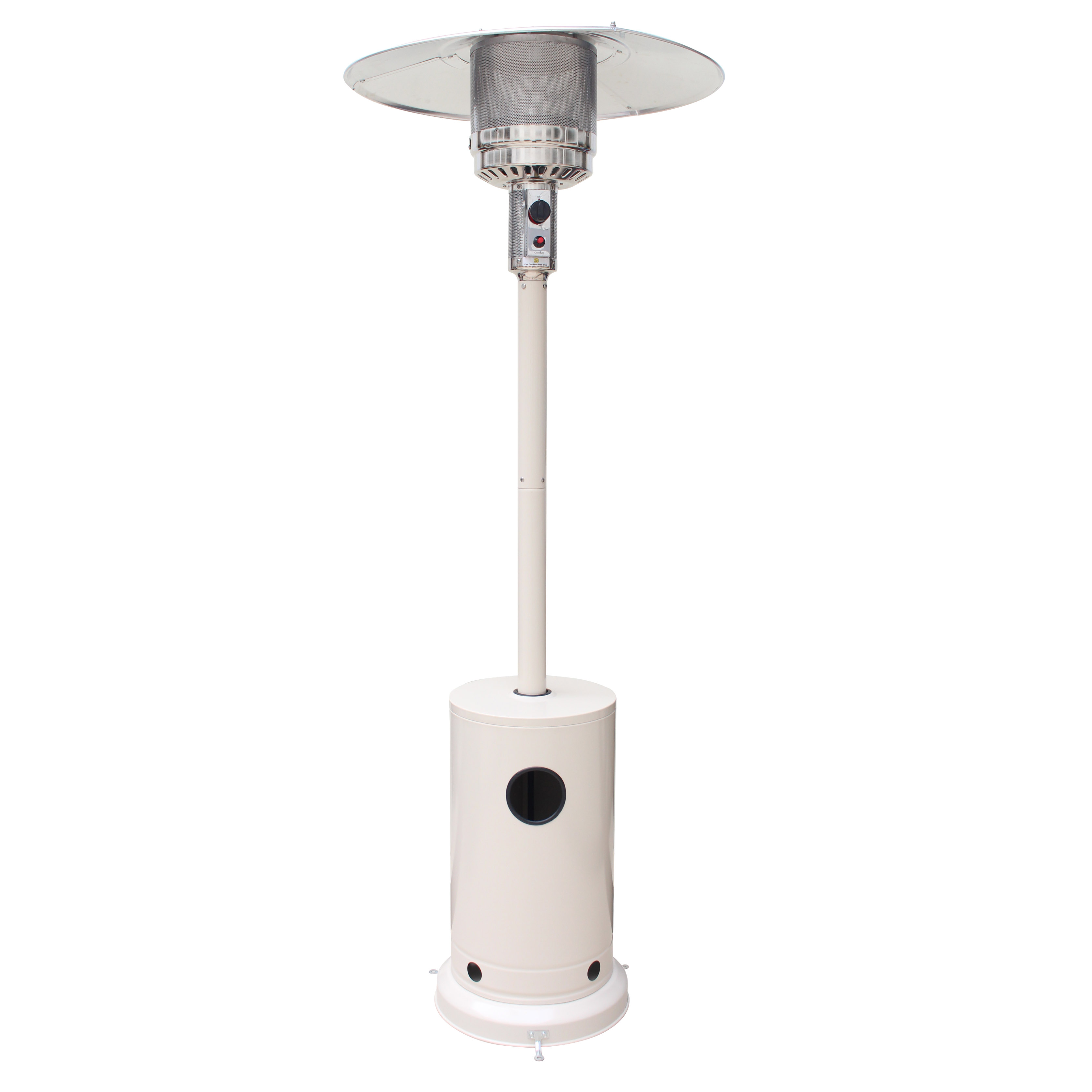
Installing patio heater gas equipment requires minimal infrastructure investment compared to electric heating solutions. Electric patio heaters demand dedicated circuits, weatherproof wiring, and often expensive electrical upgrades that can cost thousands of dollars. Conversely, patio heater gas systems require only basic positioning, simple fuel connections, and occasional tank refills. Maintenance of patio heater gas units remains straightforward and affordable, typically limited to annual inspections and occasional cleaning. The simplicity of patio heater gas design means fewer components can fail, reducing repair costs and minimizing downtime. When calculating total cost of ownership, patio heater gas consistently delivers lower expenses across installation, operation, maintenance, and fuel categories, making it the financially superior heating choice.
Reliability and Practical Application Advantages
Weather Resilience of Patio Heater Gas Systems
Outdoor heating demands equipment capable of performing reliably in challenging environmental conditions. Patio heater gas systems demonstrate exceptional resilience in wind, moisture, and temperature extremes that would disable electric heaters. The straightforward combustion mechanism of patio heater gas makes it less vulnerable to electrical faults caused by moisture or humidity. Rain and humidity may damage electric heating components, but patio heater gas units continue operating without interruption. Commercial venues in coastal areas or regions with unpredictable weather patterns particularly appreciate patio heater gas reliability. This durability ensures your investment in patio heater gas equipment continues delivering warmth season after season without weather-related performance degradation or premature failure.
Flexibility and Installation Versatility
The portability and flexible installation options of patio heater gas create advantages unavailable with permanently wired electric systems. Patio heater gas can be positioned anywhere in your outdoor space without requiring electrical outlets or infrastructure modifications. Restaurants can relocate patio heater gas units seasonally to optimize seating arrangements and guest comfort. Homeowners can move patio heater gas heaters between different areas of their property based on immediate needs. This adaptability makes patio heater gas particularly valuable for rental properties, event venues, and applications where heating needs vary throughout the year. The simple setup of patio heater gas means you can add additional units quickly when entertaining larger groups or expanding heated outdoor areas.
Environmental and Safety Considerations
Clean Combustion and Environmental Impact
Modern patio heater gas technology has evolved to deliver cleaner combustion than older heating methods while maintaining exceptional efficiency. Propane burns relatively cleanly compared to wood fires, producing minimal particulate matter and reducing air quality concerns. Patio heater gas eliminates the smoke, ash, and debris associated with traditional fire pits, making it suitable for enclosed patios and areas with air quality restrictions. Natural gas-powered patio heater gas systems contribute even further to environmental responsibility by utilizing domestic fuel sources. When you select patio heater gas, you choose a heating method that balances comfort with environmental consciousness. The efficiency of patio heater gas means less fuel consumed overall, translating to a reduced environmental footprint compared to less efficient alternative heating approaches.
Safety Features and Operational Security
Patio heater gas systems incorporate multiple safety mechanisms that protect users and property from common heating hazards. Tip-over switches automatically shut off patio heater gas units if they accidentally fall, preventing dangerous uncontrolled fires. Flame-sensing technology in quality patio heater gas heaters ensures the burner ignites properly and maintains stable operation. Unlike open flame fire pits, patio heater gas produces focused, controllable heat without scattered embers that pose burn risks or fire hazards. Professional installation of patio heater gas systems by certified technicians ensures proper gas connections, leak detection, and safe setup. The regulated nature of patio heater gas delivery through sealed systems eliminates many hazards associated with traditional outdoor heating methods.
FAQ
How long does a propane tank last in a patio heater gas system?
A standard twenty-pound propane tank typically fuels a patio heater gas unit for forty to sixty hours of continuous operation, though actual duration depends on heater output, ambient temperature, and wind conditions. For occasional weekend use, a single patio heater gas propane tank can last several months. Many property owners maintain multiple tanks to ensure uninterrupted heating throughout the season. Regular monitoring of fuel levels in your patio heater gas system prevents unexpected interruptions during events or gatherings.
Can patio heater gas work in windy outdoor environments?
Quality patio heater gas units are specifically engineered to withstand moderate to strong wind conditions that would extinguish less robust outdoor heating solutions. The enclosed burner design of modern patio heater gas heaters protects the flame and maintains combustion even with consistent wind exposure. However, extreme wind conditions exceeding thirty miles per hour may reduce efficiency of patio heater gas systems and increase fuel consumption. Positioning your patio heater gas strategically behind windbreaks or furniture barriers can further enhance performance in naturally windy locations.
Is patio heater gas suitable for enclosed spaces like covered patios?
Natural gas patio heater gas systems work effectively in covered patios with proper ventilation, though propane patio heater gas requires careful consideration of air circulation. Enclosed or semi-enclosed patio heater gas installations demand adequate ventilation to prevent carbon monoxide accumulation. Many jurisdictions have specific codes governing patio heater gas use in covered structures, making professional installation essential for legal and safe operation. Always consult local regulations and safety professionals before installing patio heater gas in enclosed or covered outdoor spaces to ensure compliance and user protection.