
 EN
EN
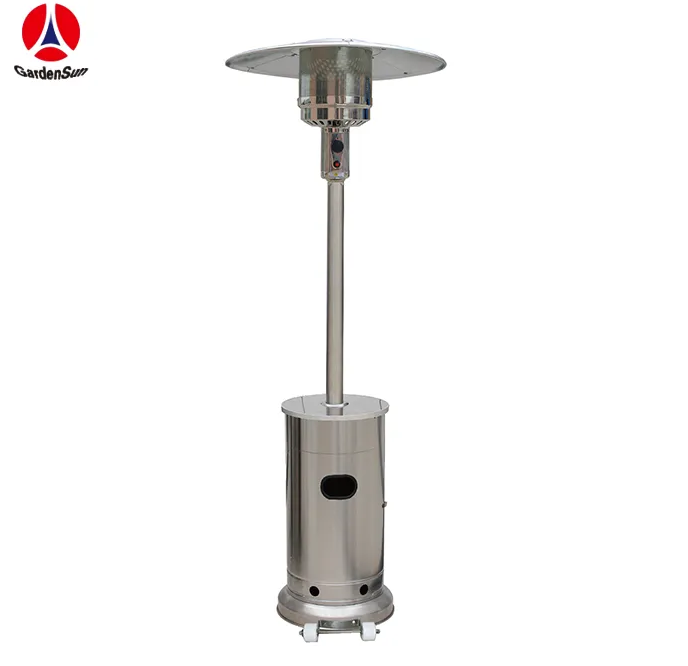
An outdoor patio heater is no longer a luxury accessory reserved for upscale restaurants or resort terraces — it has become an essential fixture for anyone who wants to extend the usability of their outdoor space throughout the cooler months. Whether you manage a commercial hospitality venue or simply enjoy entertaining guests in your backyard, choosing the right outdoor patio heater can mean the difference between a comfortable evening outdoors and an abandoned gathering that retreats indoors after the sun goes down. With so many models and configurations available on the market, understanding what separates a premium unit from a mediocre one is critical before making any investment decision.
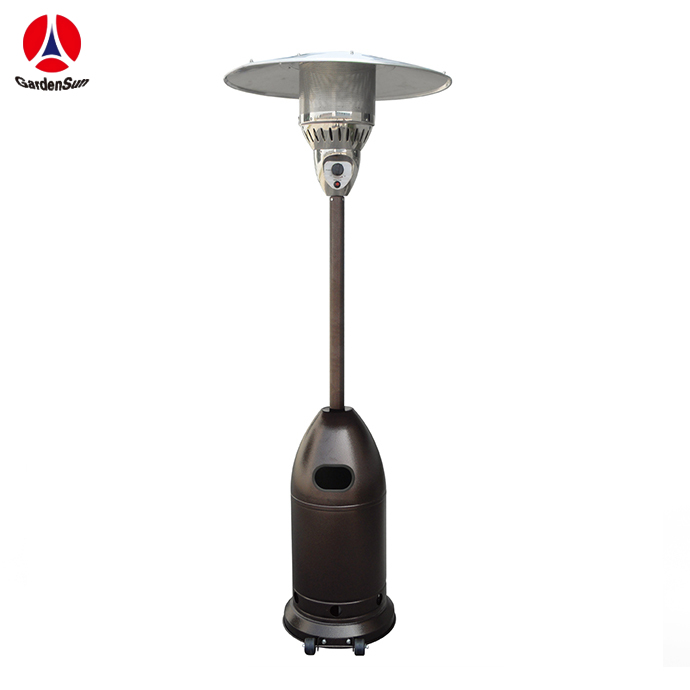
A premium outdoor patio heater is defined not merely by its ability to produce heat, but by the combination of engineering quality, safety design, fuel efficiency, durability, and user-friendly operation that it delivers as a complete package. This article breaks down each of the essential features you should evaluate when selecting a high-quality outdoor patio heater, providing the decision-useful detail you need to make a confident, informed choice for both residential and commercial settings.
Heat Output and Coverage Efficiency
Understanding BTU Ratings for Outdoor Use
The thermal output of an outdoor patio heater is measured in British Thermal Units, commonly known as BTUs, and this figure is arguably the most fundamental specification to assess. A premium unit typically delivers between 40,000 and 48,000 BTUs, which is sufficient to effectively heat an outdoor area of approximately 18 to 20 feet in diameter under normal conditions. Units that fall significantly below this range may struggle to provide consistent warmth when ambient temperatures drop, leaving users cold and dissatisfied even when the heater is operating at full capacity.
However, raw BTU numbers alone do not tell the complete story of an outdoor patio heater's performance. The quality of the burner head, the design of the reflector dome, and the geometry of the heat distribution system all influence how efficiently that thermal energy reaches people in the surrounding space. A well-engineered premium heater channels heat outward and downward in a broad, even pattern, whereas a poorly designed unit may waste a significant portion of its output by directing heat upward into the open air, where it dissipates quickly and serves no practical purpose.
Adjustable Heat Settings and Thermostatic Control
Premium outdoor patio heaters are equipped with variable heat output controls that allow users to dial in the right temperature level for current conditions. Rather than operating at a fixed maximum output, a quality heater gives operators the flexibility to reduce heat on milder evenings, conserving fuel and extending the operational life of internal components. This adjustability is particularly valuable in commercial settings where a large outdoor patio heater may run continuously for many hours each day across an entire season.
Some advanced models incorporate electronic ignition systems paired with thermocouple safety sensors, adding a layer of automated safety management to the temperature control experience. These features ensure that the outdoor patio heater maintains a consistent heat level without requiring constant manual adjustment, which is especially helpful in busy hospitality environments where staff cannot dedicate attention to monitoring each unit. The combination of precise control and automated safety makes adjustable heat settings a non-negotiable feature in any premium-grade unit.
Build Materials and Structural Durability
Stainless Steel and Weather-Resistant Finishes
The materials used to construct an outdoor patio heater have a direct and substantial impact on how long it will remain functional and visually presentable in an outdoor environment. Premium units are typically constructed using 304-grade stainless steel or heavy-gauge powder-coated steel, both of which offer strong resistance to corrosion, rust, and surface degradation caused by humidity, rain, UV exposure, and temperature cycling. In coastal or high-humidity climates, material quality becomes even more important, as inferior metals will begin to corrode rapidly under these conditions, compromising both appearance and structural integrity.
The reflector dome on a premium outdoor patio heater deserves special attention, as it is exposed to the most intense heat during operation and to environmental elements during non-use periods. A high-quality dome is manufactured from polished stainless steel or durable aluminum alloy that maintains its reflective efficiency over time without warping or discoloring. When evaluating an outdoor patio heater for long-term use, inspecting the dome material and its surface treatment is just as important as reviewing the heating specifications.
Pole Stability and Base Engineering
Structural stability is a safety-critical feature of any outdoor patio heater, and premium models are engineered with wide, heavy bases that resist tipping even when subject to moderate wind or accidental contact. The base of a high-quality outdoor patio heater is typically designed to accommodate a standard propane tank directly inside the base housing, which serves the dual purpose of providing ballast weight and keeping the fuel supply neatly contained and protected. This integrated design reduces the risk of the tank being knocked over separately and improves the overall center of gravity of the unit.
The pole connecting the base to the burner head assembly must also be assessed for rigidity and joint quality. In premium outdoor patio heater designs, the pole sections fit together with precision-machined tolerances and locking mechanisms that prevent wobble or play during operation. A structurally sound outdoor patio heater will not sway or vibrate when the burner is ignited, and the joints will show no signs of loosening even after extended seasonal use. This structural robustness directly contributes to operational safety and long-term reliability.
Safety Systems and Certifications
Tip-Over Protection and Anti-Tilt Mechanisms
Safety engineering is one of the most critical differentiators between a premium outdoor patio heater and a budget alternative. A high-quality unit will be equipped with a certified tip-over safety switch that automatically shuts off the gas supply if the heater is displaced from its upright position. This feature is not merely a convenience — it is a life-safety measure that prevents fire hazards in the event the outdoor patio heater is knocked over by wind, a passing person, or accidental contact in a crowded outdoor setting.
Premium outdoor patio heater manufacturers submit their products to independent safety certification bodies, and the resulting certifications — such as CSA, CE, or equivalent regional standards — confirm that the heater meets established benchmarks for gas safety, thermal performance, and structural integrity. These certifications should be visibly documented in the product specifications and ideally marked on the unit itself. Purchasing an uncertified outdoor patio heater introduces unnecessary legal and safety risk, particularly for commercial operators who bear liability for the safety of their guests.
Thermocouple Sensors and Auto-Shutoff Technology
A thermocouple is a heat-sensing safety device integrated into the burner assembly of a premium outdoor patio heater. Its primary function is to detect whether a flame is actually present at the burner head, and to automatically shut off the gas flow if the flame is extinguished unexpectedly — for example, by a sudden gust of wind. Without this device, a gust that blows out the flame could allow raw propane gas to continue flowing into the surrounding area, creating a serious explosion or fire hazard.
Beyond the thermocouple, some premium outdoor patio heater models include oxygen depletion sensors and over-temperature cutoff systems that provide additional layers of automated protection. These features demonstrate a commitment to user safety that goes beyond minimum regulatory requirements, and they are hallmarks of engineering thoughtfulness in premium product design. For any outdoor patio heater intended for frequent or commercial use, the presence of multiple interlocking safety systems should be considered an essential baseline requirement rather than an optional upgrade.
Ignition System and Operational Convenience
Electronic Piezo Ignition versus Manual Lighting
The ignition system of an outdoor patio heater significantly affects ease of use and operational reliability. Premium units universally feature electronic piezo ignition, which allows users to light the burner with the push of a button without the need for external ignition tools such as matches or lighters. This is especially valuable in commercial settings where staff may need to ignite multiple heaters quickly at the start of a service period, or where older users and guests may find manual lighting difficult or uncomfortable to perform.
Electronic ignition systems in a premium outdoor patio heater are also more resistant to failure under wet or windy conditions, where traditional manual ignition becomes unreliable and frustrating. The push-button mechanism generates a reliable spark directly at the burner orifice, reducing the number of failed ignition attempts and improving the overall user experience. When evaluating an outdoor patio heater, testing the reliability of the ignition system under realistic outdoor conditions — including wind simulation — provides a more accurate picture of real-world performance than laboratory specifications alone.
Fuel Compatibility and Tank Access Design
Most premium stand-alone outdoor patio heaters are designed for use with standard 20-pound propane tanks, which are widely available and easy to replace. A well-designed outdoor patio heater accommodates the propane tank within the base cabinet, protecting it from visual exposure and incidental contact while also making it simple to connect and disconnect for refueling. The regulator hose connecting the tank to the burner assembly should be constructed from reinforced materials with high burst pressure ratings, and the connection fittings should meet established gas safety standards.
Ease of tank access and replacement is a practical operational feature that distinguishes a premium outdoor patio heater from models where tank management is unnecessarily cumbersome. Premium designs typically feature a hinged or sliding access panel at the base that opens smoothly without tools, allowing a full propane tank swap to be completed quickly even during service hours. This operational convenience translates directly into reduced staff time and minimized service interruptions in commercial hospitality environments where the outdoor patio heater must remain continuously operational during peak evening periods.
Design Aesthetics and Commercial Suitability
Visual Integration with Outdoor Environments
A premium outdoor patio heater must perform its functional role without compromising the visual appeal of the outdoor space it occupies. In upscale restaurant terraces, hotel courtyards, and premium residential patios, the heater is a visible design element that guests will notice, and its aesthetic quality contributes to the overall impression of the space. Premium models are available in finishes such as brushed stainless steel, hammered bronze, and matte black that complement contemporary and traditional outdoor décor schemes equally well.
The proportions and silhouette of a premium outdoor patio heater are also important aesthetic considerations. A well-proportioned unit that stands at the correct height — typically between 84 and 92 inches — integrates naturally into outdoor seating arrangements without appearing oversized or visually dominant. Poorly designed units with exaggerated dimensions or low-quality surface finishes can detract from the visual quality of a carefully curated outdoor environment, making aesthetic coherence an important factor in premium product selection.
Portability and Storage Considerations
Although a premium outdoor patio heater is designed for frequent and extended outdoor use, the ability to move and store the unit when not in operation is a practical feature that adds significant value over the product's lifetime. Premium designs incorporate caster wheels integrated into the base that allow the unit to be rolled smoothly across flat surfaces for repositioning or seasonal storage, without requiring lifting or disassembly. These wheels are typically lockable to prevent unintended movement during operation.
Collapsible or disassembling pole designs on some premium outdoor patio heater models make it easier to transport the unit in a vehicle or store it compactly during the off-season. This feature is particularly relevant for residential users who may want to protect their investment by storing the heater indoors during winter months, as well as for commercial operators who need to reconfigure their outdoor spaces for different events or layouts throughout the year. A well-engineered portability solution that does not compromise structural rigidity during operation represents a premium engineering achievement worth recognizing during product evaluation.
FAQ
What fuel type is most commonly used in a premium outdoor patio heater?
The majority of premium stand-alone outdoor patio heaters are powered by liquid propane gas, typically using a standard 20-pound tank that fits within the base housing. Propane is preferred for its energy density, wide availability, and the convenience it offers in locations where a permanent natural gas connection is not practical. Some models are available in natural gas configurations for fixed installation scenarios, but propane remains the dominant fuel choice for portable and semi-permanent outdoor patio heater applications.
How much outdoor area can a typical premium outdoor patio heater effectively heat?
A premium outdoor patio heater operating at its full rated output of 40,000 to 48,000 BTUs can effectively warm an area of approximately 18 to 20 feet in diameter under calm conditions. This means a single unit can comfortably accommodate a seating group of six to ten people arranged in a circle around the heater. In windy conditions or at lower ambient temperatures, the effective heating radius will be reduced, and supplemental units may be needed to maintain adequate comfort levels across a larger outdoor space.
What safety certifications should I look for when purchasing an outdoor patio heater?
When evaluating an outdoor patio heater for purchase, look for certification marks from recognized independent testing organizations such as CSA (Canadian Standards Association), CE (Conformité Européenne), or equivalent national safety standards bodies relevant to your region. These certifications confirm that the outdoor patio heater has been independently tested and verified to meet established benchmarks for gas system safety, structural integrity, thermal performance, and emergency shutoff functionality. Uncertified units carry both safety and legal risks and should be avoided in commercial settings.
How should I maintain an outdoor patio heater to ensure long-term performance?
Regular maintenance of an outdoor patio heater begins with cleaning the burner head and reflector dome at the start and end of each season to remove dust, spider webs, and debris that can obstruct gas flow or reduce heat reflection efficiency. The gas regulator and hose connections should be inspected for wear or cracking and replaced if any degradation is visible. During off-season storage, it is recommended to disconnect and remove the propane tank, cover the outdoor patio heater with a weather-resistant protective cover, and store it in a sheltered location to prevent moisture infiltration and UV-related surface damage.
Table of Contents
- Heat Output and Coverage Efficiency
- Build Materials and Structural Durability
- Safety Systems and Certifications
- Ignition System and Operational Convenience
- Design Aesthetics and Commercial Suitability
-
FAQ
- What fuel type is most commonly used in a premium outdoor patio heater?
- How much outdoor area can a typical premium outdoor patio heater effectively heat?
- What safety certifications should I look for when purchasing an outdoor patio heater?
- How should I maintain an outdoor patio heater to ensure long-term performance?