
 EN
EN
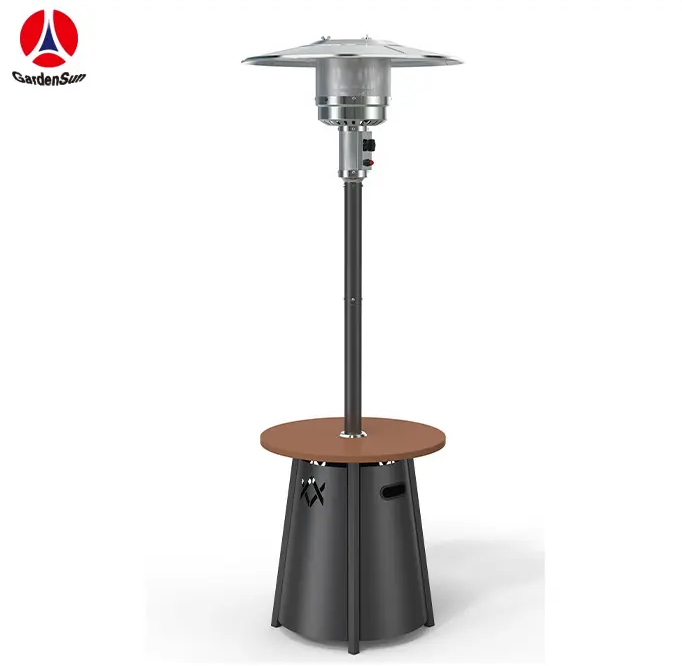
When hospitality operators, event managers, and commercial property owners invest in a professional outdoor patio heater, one of the first practical questions they ask is how difficult the unit is to set up and reposition. Unlike residential models that may sit in one fixed corner of a backyard, professional-grade units are expected to adapt — moving between dining sections, event zones, or seasonal storage areas without demanding excessive labor. The answer to whether these heaters are truly easy to handle depends on understanding their design intent, construction standards, and the specific features that distinguish commercial models from basic consumer products.
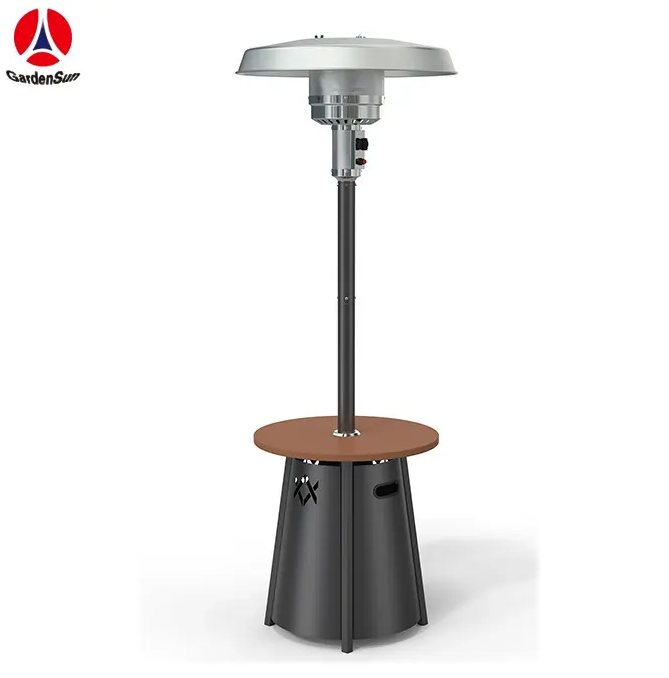
Professional outdoor patio heater models are increasingly engineered with both performance and practicality in mind. Manufacturers working in the commercial space have recognized that ease of assembly and portability are not optional extras — they are functional requirements for any setting where setup time, staff efficiency, and layout flexibility directly affect operations. This article examines exactly how modern commercial outdoor patio heater designs address assembly simplicity and mobility, and what buyers should realistically expect when evaluating these products for their venues.
Understanding the Assembly Design of Commercial Outdoor Patio Heater Units
Pre-Engineered Components That Simplify Setup
Professional outdoor patio heater models sold for commercial use are almost universally designed with simplified assembly in mind. The components — typically including the base, pole sections, emitter head, and reflector — are pre-engineered to connect through intuitive fastening systems. Rather than requiring specialized tools or technical expertise, most models rely on hand-tightened bolts, locking collars, or push-and-click fittings that allow a single operator to complete the setup process in under thirty minutes.
The logic behind this approach is straightforward. Commercial venues cannot afford lengthy setup procedures, especially when heaters must be deployed seasonally or rearranged based on daily seating configurations. A well-designed outdoor patio heater arrives with clearly labeled parts and a step-by-step instruction sheet that guides even untrained staff through the process without difficulty. The fewer the parts and the more standardized the connections, the faster deployment becomes in practice.
It is worth noting that while the assembly process is generally straightforward, the quality of the materials used in connecting components matters significantly. Professional-grade models use durable fasteners and structural poles that maintain their alignment over repeated assembly and disassembly cycles. Cheaper alternatives may feel similarly easy to set up initially but tend to develop looseness or misalignment after repeated use — a distinction that becomes critical in high-traffic commercial environments.
Instruction Clarity and Tooling Requirements
A frequently overlooked factor in evaluating an outdoor patio heater for commercial deployment is the quality of the assembly documentation. Professional models from established manufacturers typically include detailed diagrams, multilingual instructions, and numbered component sequences that reduce the chance of assembly errors. Some units also include the minimal tools required — often just a single wrench — packaged directly with the unit.
For venues that rotate staff frequently or rely on seasonal employees, this level of documentation clarity is operationally valuable. An outdoor patio heater that can be reliably assembled by any staff member, regardless of prior experience, contributes to operational consistency. Establishments that have standardized on a particular heater model also benefit from the repetition — once staff have assembled a unit two or three times, the process becomes entirely routine.
Some high-end commercial outdoor patio heater configurations do involve additional complexity, particularly those with integrated gas line connections, electronic ignition systems, or weatherproofing enclosures. These features add functional value but may require initial professional installation. However, the day-to-day repositioning and seasonal storage of these units remains manageable for trained venue staff.
Portability Features Built Into Professional Outdoor Patio Heater Designs
Wheeled Bases and Structural Weight Considerations
The most visible portability feature in any professional outdoor patio heater is the base design. Most commercial stand-type heaters use a weighted base for stability — typically filled with sand or water — but this weight must be balanced against the need to move the unit between locations. To address this, the majority of professional models integrate wheeled bases that allow the heater to be tilted and rolled across smooth and semi-smooth surfaces without lifting.
The wheel placement on a well-designed outdoor patio heater base allows for controlled tilting without tipping the unit. Staff can lean the heater back slightly, engaging the wheels, and then roll it to its new position. Once in place, the heater returns to its upright, stable position resting on the full base perimeter. This design allows even a single person to reposition a fully assembled outdoor patio heater across a patio, restaurant floor extension, or event area in a matter of seconds.
Weight remains an important variable in this calculation. A propane outdoor patio heater with a full gas cylinder installed can weigh between 35 and 55 kilograms depending on the model and cylinder size. The wheeled base system is designed precisely to make this weight manageable without requiring a team of workers, but buyers should verify that the wheel construction on any given model is rated for the expected total load — including the gas cylinder — before committing to a purchase.
Disassembly for Transport and Seasonal Storage
Beyond day-to-day repositioning, professional outdoor patio heater models are also designed with seasonal disassembly and storage in mind. For many commercial operators, heaters are deployed during cooler months and stored during summer. A well-constructed outdoor patio heater should break down into a compact set of components that stack or nest efficiently for storage, minimizing the space required and reducing the risk of damage between seasons.
The pole sections of most commercial stand heaters are either telescoping or sectional. Telescoping poles allow height adjustment without full disassembly, which is useful for venues with varying ceiling clearances or canopy structures. Sectional poles allow complete breakdown into shorter lengths that fit into standard storage areas or transport vehicles. The choice between these configurations depends on how frequently the outdoor patio heater will need to be fully disassembled versus simply repositioned.
Protective covers and dedicated storage bags are also commonly available for professional outdoor patio heater models. These accessories extend the product lifespan by protecting reflectors, emitter surfaces, and electronic components from dust, moisture, and physical contact during off-season storage. Venues that invest in proper storage practices typically experience significantly longer service life from their heater inventory, reducing total cost of ownership.
Stability Versus Mobility: How Professional Models Balance Both
Engineering for Wind Resistance Without Sacrificing Flexibility
A genuine engineering challenge in any outdoor patio heater designed for commercial use is achieving a stable footprint that resists wind movement while still allowing the unit to be easily repositioned by staff. These two requirements create competing demands on the base design. Too light, and the heater becomes a safety risk in moderate wind. Too heavy, and mobility becomes a staffing burden that reduces the unit's practical flexibility.
Professional outdoor patio heater models address this tension through fillable base systems. A base that can be emptied of ballast material before being moved, then refilled once positioned, allows operators to modulate the effective weight of the unit based on environmental conditions and mobility needs. In sheltered indoor-outdoor spaces, a lightly filled base may provide adequate stability while keeping the outdoor patio heater easy to reposition. In exposed outdoor settings, a fully ballasted base offers the wind resistance required for safe operation.
The structural rigidity of the pole and emitter head assembly also contributes to overall stability. A well-engineered outdoor patio heater maintains its vertical alignment under moderate wind loads without flex in the pole joints or tipping risk at the emitter head. This rigidity must be present throughout the product's life — including after repeated assembly, disassembly, and repositioning cycles — which is why the quality of locking mechanisms and joint construction matters significantly in commercial applications.
Gas Connection Safety During Repositioning
For propane-powered outdoor patio heater models — which represent the majority of commercial stand-type units — the gas cylinder connection introduces an additional consideration in the mobility equation. The cylinder sits within the base housing and connects to the burner assembly via a flexible hose and regulator. This connection must remain secure and leak-free through movement, vibration, and temperature cycling.
Professional outdoor patio heater designs incorporate secure cylinder compartments that hold the propane tank in place during repositioning, preventing it from shifting and stressing the gas hose connection. The hose routing within the pole structure is typically designed to accommodate the tilting motion required for wheeled movement without creating kink points or excessive tension. Staff training protocols should always include confirming that the gas valve is fully closed before any repositioning of a propane outdoor patio heater.
Some commercial operators choose to disconnect and remove the cylinder before repositioning heavy or large outdoor patio heater units, particularly when moving over uneven surfaces or stairs. This adds a step to the process but eliminates any risk associated with cylinder movement. Whether the cylinder is retained or removed during repositioning, professional models are designed to make the connection and disconnection process simple and safe, using standardized fittings that staff can manage without specialized gas handling certification in most jurisdictions.
What to Evaluate When Assessing Assembly and Mobility for Your Venue
Matching Heater Design to Operational Context
Choosing the right outdoor patio heater for a commercial setting requires honest assessment of how frequently the unit will be moved, by how many people, and across what types of surfaces. A restaurant terrace with a fixed layout and seasonal setup needs different mobility features than an events venue that rearranges heated zones for each booking. Understanding your operational pattern before purchasing ensures you select a model whose portability features genuinely match your needs.
Venues that move their outdoor patio heater units daily should prioritize models with high-quality wheeled bases, minimal assembly requirements, and robust locking mechanisms that remain reliable through frequent use. Venues that primarily set heaters up once per season and leave them in place can prioritize stability, build quality, and heat output over mobility features, since portability will be a secondary rather than primary operational requirement.
Surface type also deserves consideration. An outdoor patio heater with standard plastic wheels may roll smoothly across a tiled terrace but struggle across gravel, decking, or cobblestones. In environments with challenging surfaces, oversized or rubberized wheels, or a two-person carry-frame design, may offer more practical mobility than a standard wheeled base. Evaluating the specific surfaces at your venue before selecting a model helps avoid discovering this limitation after purchase.
Staff Capability and Training Requirements
The ease with which an outdoor patio heater can be assembled and moved is ultimately realized through the people who handle it. Even the most intuitively designed commercial heater benefits from a brief structured training session that walks staff through the assembly sequence, mobility protocol, gas valve procedure, and storage routine. This investment in training reduces the risk of improper assembly, equipment damage during movement, and safety incidents related to gas handling.
Professional outdoor patio heater models designed for commercial use are built to be handled by non-specialist staff — they do not require engineers or HVAC technicians for routine setup and repositioning. However, the physical weight of a fully assembled propane unit means that certain steps, particularly moving across uneven terrain or up steps, may require two people for safety and equipment protection. Venues should establish clear protocols that define single-person versus two-person tasks for their specific outdoor patio heater models.
Ongoing staff familiarity with the outdoor patio heater units in use at a venue contributes meaningfully to operational efficiency. Teams that regularly handle the same model develop a practical understanding of its weight distribution, locking points, and movement characteristics that makes every setup and repositioning faster and safer. This is another reason why standardizing on a consistent outdoor patio heater model across a venue, rather than mixing multiple different designs, tends to pay dividends in operational practice.
FAQ
Do professional outdoor patio heater models require tools to assemble?
Most professional outdoor patio heater models are designed for tool-minimal or tool-free assembly. Where a tool is required — typically a single wrench for securing pole sections or the emitter head — it is usually included with the unit. The assembly process for standard commercial stand-type heaters typically takes between fifteen and thirty minutes for a person doing it for the first time, and significantly less time with repetition.
Can one person move a fully assembled outdoor patio heater?
On smooth, level surfaces, most professional outdoor patio heater models with wheeled bases can be repositioned by a single person using the tilt-and-roll method. On uneven surfaces, across steps, or over gravel and decking, a second person is advisable for both safety and equipment protection. The total weight of the unit — including a full propane cylinder — should always be factored into mobility planning.
How often can a commercial outdoor patio heater be assembled and disassembled before it shows wear?
Professional-grade outdoor patio heater models are built for repeated assembly and disassembly cycles over multiple seasons. The quality of fasteners, locking collars, and joint construction is specifically designed to withstand this use pattern. Consumer-grade heaters, by contrast, often show thread wear and joint looseness after only a few seasonal disassembly cycles. Investing in a professionally rated outdoor patio heater is important if frequent breakdown and reassembly is part of your operational plan.
Is it safe to reposition a propane outdoor patio heater while the gas is connected?
Repositioning an outdoor patio heater with the gas cylinder connected is common practice in commercial settings, provided the gas valve is fully closed before movement begins and the burner is fully extinguished and cooled. The flexible hose and cylinder compartment in professional models are designed to accommodate the tilting motion of wheeled movement without compromising the connection. However, for movement across rough terrain or any lifting operation, disconnecting the cylinder first is the safest approach.
Table of Contents
- Understanding the Assembly Design of Commercial Outdoor Patio Heater Units
- Portability Features Built Into Professional Outdoor Patio Heater Designs
- Stability Versus Mobility: How Professional Models Balance Both
- What to Evaluate When Assessing Assembly and Mobility for Your Venue
-
FAQ
- Do professional outdoor patio heater models require tools to assemble?
- Can one person move a fully assembled outdoor patio heater?
- How often can a commercial outdoor patio heater be assembled and disassembled before it shows wear?
- Is it safe to reposition a propane outdoor patio heater while the gas is connected?