
 EN
EN
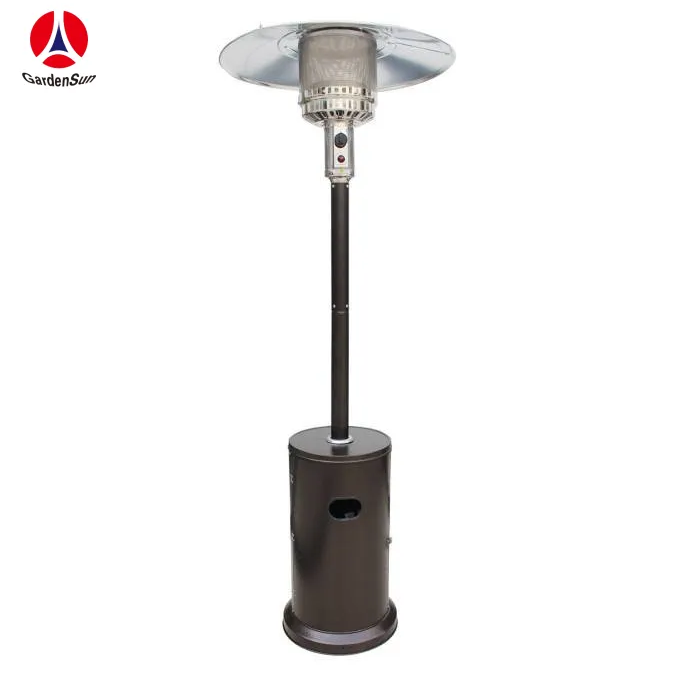
When investing in an outdoor patio heater, durability is not just a desirable feature — it is the single most important factor that determines long-term value, safety, and consistent performance. A heater that deteriorates after one or two seasons creates unnecessary replacement costs, poses safety risks, and fails to deliver the comfort that outdoor entertaining demands. Understanding what separates a truly durable outdoor patio heater from an average one requires a close look at materials, construction methods, finish quality, and engineering standards.
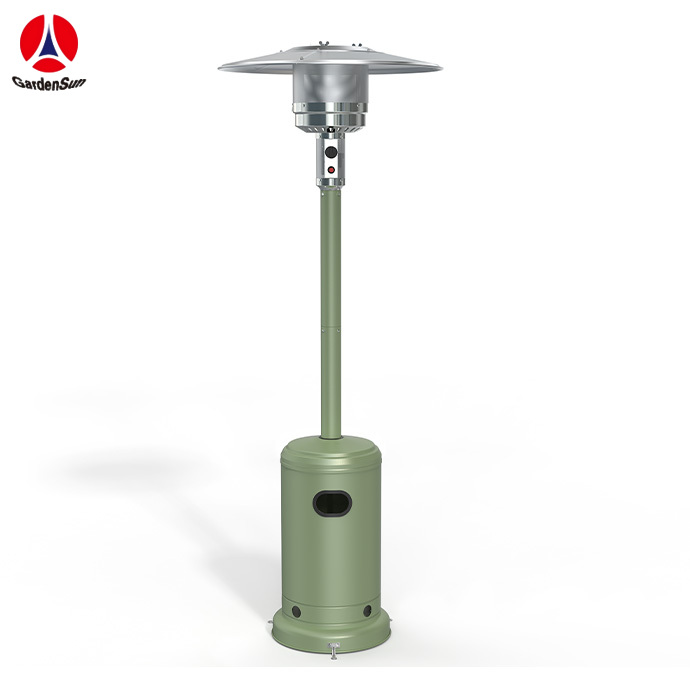
Our outdoor patio heater is engineered with a clear philosophy: every component must be capable of withstanding the realities of outdoor exposure, including rain, temperature fluctuation, UV radiation, and physical stress from regular use. This article breaks down the specific design and material decisions that make our outdoor patio heater an exceptionally durable choice for residential patios, commercial terraces, hospitality venues, and any outdoor space where consistent, long-lasting warmth is a priority.
Premium Material Selection as the Foundation of Durability
Heavy-Gauge Steel Construction
The structural integrity of any outdoor patio heater begins with the quality of its frame and casing materials. Our outdoor patio heater uses heavy-gauge steel throughout its pole and base assembly, a deliberate choice that prioritizes mechanical strength over lightweight convenience. Heavy-gauge steel resists bending, warping, and denting under both physical impact and the thermal stress caused by repeated heating and cooling cycles.
Unlike thinner alternatives that may feel rigid initially but develop structural fatigue over time, heavy-gauge steel maintains its dimensional stability across seasons. This means the outdoor patio heater remains level, secure, and visually clean even after years of continuous outdoor use. The investment in higher-grade steel at the manufacturing stage translates directly into a longer operational lifespan for the end user.
The base of the outdoor patio heater is also designed with sufficient mass and width to provide stability on common outdoor surfaces including decking, tile, stone, and concrete. A stable base is both a safety requirement and a durability factor, as heaters that tip or shift frequently are subject to accelerated wear at connection points and fuel lines.
Stainless Steel and Corrosion-Resistant Hardware
Fasteners, brackets, and connection hardware are often overlooked when evaluating an outdoor patio heater, yet they are among the first components to fail when inferior materials are used. Our outdoor patio heater incorporates stainless steel hardware at critical junction points, ensuring that screws, bolts, and fittings resist rust and corrosion even in humid or coastal environments.
Corrosion at connection points is a leading cause of structural failure in outdoor heating equipment. When standard steel hardware oxidizes, it weakens the bond between components, creates play and movement in the assembly, and eventually compromises the safe operation of the unit. By specifying corrosion-resistant materials at these points, our outdoor patio heater avoids this failure mode entirely.
This attention to hardware quality also simplifies maintenance. When components remain free of rust and corrosion, disassembly for cleaning or inspection is straightforward, and parts do not seize or require forced removal. The result is an outdoor patio heater that remains fully serviceable throughout its lifespan.
Advanced Surface Finishing for Long-Term Weather Resistance
Powder-Coated Exterior Finish
Surface finish is one of the most visible and practically important aspects of outdoor patio heater durability. Our outdoor patio heater features a high-quality powder-coated finish applied over the steel structure. Powder coating is a dry finishing process that creates a much thicker, more uniform, and more chemically resistant surface layer than conventional liquid paint.
This finish provides robust protection against moisture ingress, which is the primary catalyst for rust formation on steel surfaces. When an outdoor patio heater is exposed to rain, condensation, or morning dew on a regular basis, a weak or thin coating will crack, peel, or chip, leaving the underlying metal vulnerable. Powder coating bonds at a molecular level with the steel substrate and resists chipping and peeling far more effectively.
The powder-coated finish also provides UV stability, meaning the color and surface texture of the outdoor patio heater remain consistent even after prolonged sun exposure. Fading and chalking are common problems with lower-quality finishes, and they diminish both the visual appeal and the protective function of the coating over time.
Heat-Resistant Coating on High-Temperature Zones
The upper sections of an outdoor patio heater — particularly the burner housing and emitter head — are subject to extreme thermal conditions during operation. Standard coatings and finishes cannot withstand these temperatures and will blister, discolor, or degrade rapidly. Our outdoor patio heater uses specialized heat-resistant coatings on all high-temperature zones to ensure that surface protection is maintained even under full operating conditions.
This is not merely an aesthetic consideration. When coatings fail in high-heat zones, the exposed metal beneath is subject to rapid oxidation and structural weakening. A heat-resistant finish prevents this degradation cycle and ensures that the burner housing maintains its structural integrity and safe function over thousands of operating hours.
The combination of powder-coated body finishing and heat-resistant upper-zone coatings means that the outdoor patio heater presents a consistent, well-protected surface from base to emitter head, with no vulnerable zones left exposed to environmental wear.
Engineering Design Decisions That Prevent Premature Wear
Reinforced Pole Joints and Assembly Points
One of the most mechanically stressed areas of any outdoor patio heater is the pole assembly, where multiple sections join to create the full standing height of the unit. Our outdoor patio heater features reinforced joint collars and precision-fitted pole sections that minimize movement and prevent the micro-abrasion that occurs when loosely fitted parts shift against each other over time.
Micro-abrasion at assembly joints gradually wears away material at contact surfaces, leading to looseness, rattling, and eventual failure of the joint. Reinforced collars distribute stress across a wider surface area and maintain tighter tolerances, ensuring that the outdoor patio heater remains rigid and secure across many assembly and disassembly cycles.
This engineering detail is especially important for commercial applications where the outdoor patio heater may be assembled and disassembled seasonally or moved between locations. Reinforced joints ensure the unit retains its structural integrity regardless of how frequently it is handled.
Protective Reflector and Emitter Housing Design
The reflector and emitter head of an outdoor patio heater serve both a functional and protective role. Functionally, the reflector directs radiant heat downward toward occupants. Protectively, it shields the burner assembly from direct exposure to rain, debris, and wind. Our outdoor patio heater features a deep-profile reflector housing constructed from durable metal with a heat-resistant finish that resists warping under repeated thermal cycling.
The emitter screen is designed with sufficient ventilation to allow proper combustion while preventing the entry of large debris particles that could clog or damage the burner. This balance between ventilation and protection is a product of careful engineering rather than a compromise, and it directly contributes to the longevity of the burner system in the outdoor patio heater.
The housing geometry also accounts for drainage, ensuring that water does not pool in areas that could accelerate corrosion or freeze in cold weather conditions. These seemingly minor design considerations collectively add up to significant durability advantages over competing products with simpler, less considered designs.
Safety Features That Also Extend Product Lifespan
Tip-Over Protection and Anti-Tilt Mechanisms
Safety systems and durability systems in an outdoor patio heater are closely related. Our outdoor patio heater includes a built-in tip-over safety shutoff valve that automatically cuts the gas supply if the unit is knocked over or tilted beyond a safe angle. This feature is primarily a safety requirement, but it also protects the unit itself from damage that could occur if it were to fall while operating.
A heater that falls while burning can damage the reflector, emitter head, and pole assembly, as well as potentially damaging gas connection components. The tip-over shutoff ensures that the unit is inert before any impact stress is applied, significantly reducing the likelihood of component damage. This makes the outdoor patio heater more resilient to accidental contact and contributes to its long-term mechanical integrity.
The base design of the outdoor patio heater also incorporates a wide, low-center-of-gravity profile that reduces the probability of tip-over events in the first place. When combined with a fuel tank that adds ballast weight to the base, the unit demonstrates excellent stability in typical outdoor conditions including mild wind exposure.
Thermocouple and Gas Control System Quality
The internal gas management components of an outdoor patio heater are subject to thermal and mechanical stress every time the unit is operated. Our outdoor patio heater uses a high-quality thermocouple sensor and precision gas regulator assembly that are selected for reliability and longevity under repeated use. The thermocouple monitors the pilot flame and controls the main gas valve, making it a safety-critical component that must perform correctly every time.
Lower-quality thermocouples degrade after extended use, leading to nuisance shutoffs, difficulty lighting, and eventually complete failure to hold the pilot flame. Our outdoor patio heater uses thermocouple components rated for extended operational cycles, ensuring consistent ignition performance throughout the product's lifespan.
The gas regulator is similarly selected for durability and stability across a range of ambient temperatures. A regulator that performs inconsistently in cold weather or under low-tank pressure conditions creates operational frustration and may accelerate wear on other components. Our outdoor patio heater's regulator maintains steady, controlled gas flow under the full range of typical outdoor operating conditions.
FAQ
How does the powder-coated finish on an outdoor patio heater compare to standard paint in terms of durability?
Powder coating is significantly more durable than standard liquid paint for outdoor use. It creates a thicker, more uniform surface layer that resists chipping, peeling, moisture ingress, and UV degradation far more effectively than conventional paint. For an outdoor patio heater that is exposed to rain, sun, and temperature changes throughout the year, powder coating provides meaningful protection that extends the product's appearance and structural life.
Can the outdoor patio heater be left outside during winter months?
While our outdoor patio heater is built with weather-resistant materials and finishes, we recommend using a protective cover during extended periods of non-use, particularly in harsh winter conditions. Freezing temperatures, snow, and prolonged exposure to standing water can accelerate wear on any outdoor equipment. A fitted cover is the simplest and most effective way to extend the lifespan of the outdoor patio heater through the off-season.
What maintenance steps are recommended to preserve the durability of the outdoor patio heater?
Regular maintenance for an outdoor patio heater includes periodic cleaning of the burner and emitter area to remove debris and spider webs that can obstruct gas flow, inspection of the gas hose and regulator for signs of wear or cracking, and wiping down the exterior surfaces to remove moisture and pollutants. Checking the tightness of all assembly connections once per season is also advisable. These simple steps help the outdoor patio heater maintain peak performance and safety across many years of use.
Is the outdoor patio heater suitable for use in coastal or high-humidity environments?
Yes. The combination of heavy-gauge steel construction, powder-coated exterior finish, and stainless steel hardware makes our outdoor patio heater well-suited for humid and coastal environments where salt air and moisture exposure are elevated. While no outdoor equipment is entirely impervious to coastal conditions, the material specifications of our outdoor patio heater provide substantially better corrosion resistance than heaters built with lower-grade materials and standard finishes.
Table of Contents
- Premium Material Selection as the Foundation of Durability
- Advanced Surface Finishing for Long-Term Weather Resistance
- Engineering Design Decisions That Prevent Premature Wear
- Safety Features That Also Extend Product Lifespan
-
FAQ
- How does the powder-coated finish on an outdoor patio heater compare to standard paint in terms of durability?
- Can the outdoor patio heater be left outside during winter months?
- What maintenance steps are recommended to preserve the durability of the outdoor patio heater?
- Is the outdoor patio heater suitable for use in coastal or high-humidity environments?