
 EN
EN
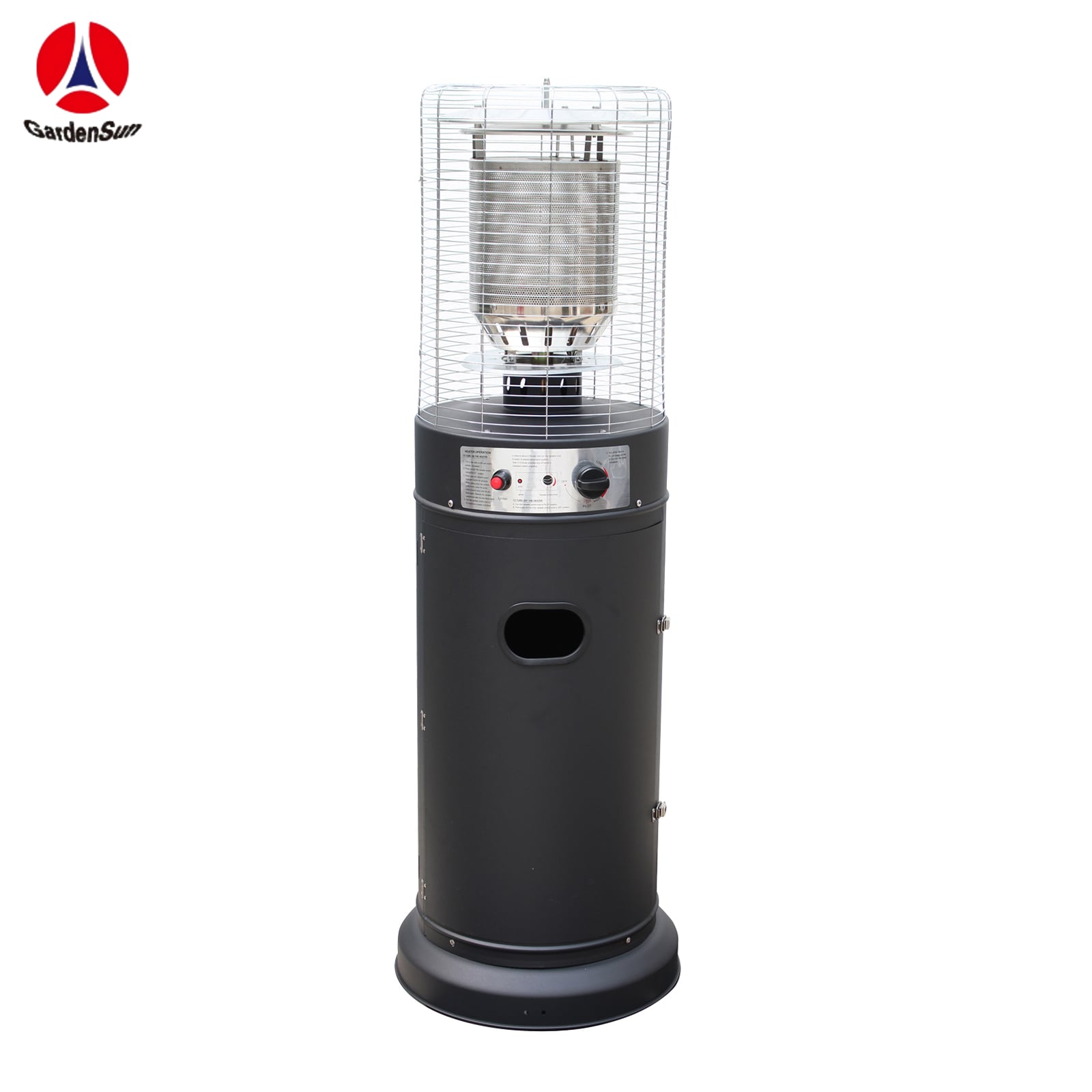
Selecting the right gas patio heater for business operations requires careful evaluation of fuel efficiency characteristics, as propane costs can significantly impact operational budgets for restaurants, hotels, and commercial outdoor venues. Modern commercial gas patio heater models incorporate advanced burner technologies, heat distribution systems, and thermal management features that directly influence fuel consumption rates and overall cost-effectiveness. Understanding which specific design elements and performance features contribute to superior fuel efficiency enables business owners to make informed purchasing decisions that balance heating performance with long-term operational savings.
Business-grade gas patio heater efficiency depends on multiple interconnected factors including BTU output optimization, combustion chamber design, reflector effectiveness, and wind resistance capabilities. High-efficiency models typically feature precision-engineered burner assemblies that maximize heat transfer while minimizing fuel waste, along with enhanced reflector systems that direct more thermal energy toward intended coverage areas rather than allowing heat to dissipate upward. Commercial establishments seeking to minimize propane consumption while maintaining consistent customer comfort must evaluate these technical specifications alongside practical considerations such as coverage area requirements and local wind conditions.
Advanced Burner Technology and Fuel Consumption Optimization
Multi-Stage Burner Systems for Enhanced Efficiency
Contemporary high-efficiency gas patio heater models incorporate multi-stage burner configurations that enable precise fuel flow control and optimized combustion characteristics. These advanced systems typically feature primary and secondary combustion zones that ensure complete propane burning while minimizing waste heat generation. The primary burner stage initiates controlled ignition with optimal air-to-fuel ratios, while secondary combustion zones capture and burn residual fuel particles that might otherwise escape as inefficient emissions.
Premium commercial gas patio heater units often utilize ceramic or stainless steel burner plates with strategically positioned flame ports that distribute combustion evenly across the heating surface. This distributed combustion approach reduces hot spots and cold zones while maximizing heat transfer efficiency from the flame to the surrounding air and objects. Advanced burner designs also incorporate turbulence-inducing features that promote better fuel mixing and more complete combustion, resulting in measurably lower propane consumption rates.
Variable flame control mechanisms allow operators to adjust heat output based on ambient conditions and customer density, preventing unnecessary fuel waste during periods of reduced heating demand. High-quality gas patio heater models feature precision gas valves and flow regulators that maintain consistent fuel delivery across different operating pressures and environmental conditions, ensuring optimal efficiency regardless of tank pressure levels or seasonal temperature variations.
Combustion Chamber Design and Heat Retention
Efficient gas patio heater models feature specially designed combustion chambers that maximize heat retention and minimize thermal losses through improved insulation and airflow management. These chambers typically incorporate refractory materials or ceramic linings that absorb and slowly release thermal energy, extending the effective heating duration for each unit of propane consumed. Advanced combustion chamber geometries also create controlled air circulation patterns that enhance heat transfer while preventing excessive heat escape.
Well-designed combustion chambers include integrated wind shields and draft controls that protect the flame from atmospheric disturbances that can cause incomplete burning and increased fuel consumption. These protective features ensure consistent combustion efficiency even in challenging outdoor environments with moderate wind speeds or air currents. Quality commercial gas patio heater units also incorporate automatic shut-off mechanisms that prevent fuel waste during flame interruption events.
Thermal mass components within the combustion chamber assembly help stabilize operating temperatures and reduce cycling frequency, contributing to improved overall fuel efficiency. These components absorb excess heat during peak operation and release stored thermal energy during lower-demand periods, creating more consistent heating output with reduced fuel consumption variations.
Reflector Systems and Heat Distribution Efficiency
Parabolic Reflector Configuration and Coverage Optimization
High-efficiency gas patio heater models utilize precision-engineered parabolic reflector systems that capture and redirect thermal radiation toward specific coverage areas with minimal energy loss. These reflectors typically feature polished aluminum or stainless steel surfaces with carefully calculated curvature profiles that focus heat output into defined zones rather than allowing omnidirectional heat dissipation. Advanced reflector designs can improve effective heating efficiency by thirty to forty percent compared to basic flat or simple curved reflector configurations.
Multi-layer reflector assemblies incorporate primary and secondary reflection surfaces that work together to maximize heat capture and redirection capabilities. The primary reflector captures direct thermal radiation from the burner assembly, while secondary reflectors collect and redirect reflected heat that might otherwise escape the immediate heating zone. This comprehensive heat management approach ensures that more of the generated thermal energy reaches customers and outdoor dining areas rather than being lost to the surrounding environment.
Adjustable reflector positioning systems allow operators to customize heat distribution patterns based on specific venue layouts and seating configurations. Quality gas patio heater models feature reflectors that can be angled or repositioned to optimize coverage for different outdoor space geometries, ensuring efficient fuel utilization regardless of installation location or seasonal wind pattern changes.
Heat Distribution Patterns and Coverage Area Analysis
Efficient gas patio heater models generate carefully controlled heat distribution patterns that maximize coverage area while maintaining consistent thermal comfort levels throughout the heated zone. Advanced units typically produce asymmetrical heat patterns that account for natural convection currents and ambient air movement, ensuring even temperature distribution without creating uncomfortable hot spots or cold zones within the coverage area.
Professional-grade gas patio heater systems often feature multiple heat zones with graduated intensity levels that provide optimal comfort for customers at various distances from the unit. The primary heating zone typically extends six to eight feet from the heater base with peak thermal output, while secondary zones provide moderate heating up to twelve feet away. This graduated approach maximizes the effective coverage area for each unit of propane consumed while maintaining comfortable conditions for all customers within the heating range.
Heat distribution efficiency also depends on proper installation height and positioning relative to seating areas and wind barriers. Optimal mounting heights for commercial gas patio heater units typically range from seven to nine feet, balancing safety requirements with heat distribution effectiveness. Units installed at appropriate heights with proper clearances achieve better fuel efficiency by reducing heat loss to surrounding structures and atmospheric convection.
BTU Output Efficiency and Operational Performance Metrics
BTU Rating Optimization and Fuel Consumption Correlation
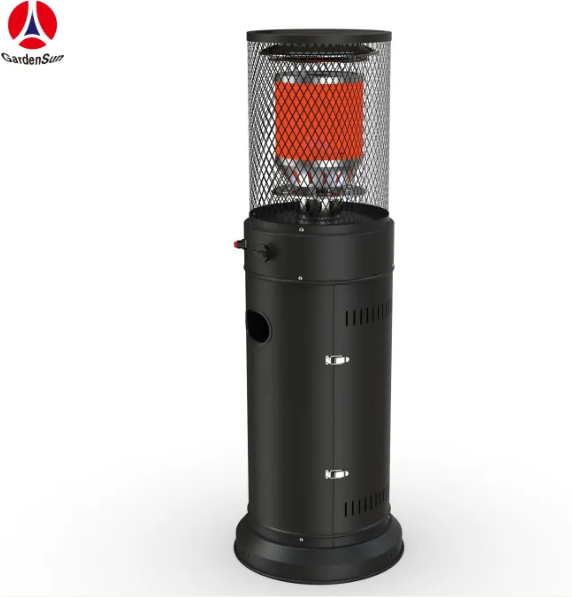
Commercial gas patio heater efficiency evaluation requires understanding the relationship between BTU output ratings and actual fuel consumption under various operating conditions. High-efficiency models typically produce between forty-five thousand and sixty thousand BTUs per hour while consuming propane at rates that maximize thermal output per gallon of fuel. Advanced units achieve superior BTU-to-fuel ratios through optimized combustion processes and enhanced heat transfer mechanisms that convert more chemical energy into usable thermal radiation.
Quality gas patio heater models feature variable BTU output controls that allow operators to match heating intensity with actual demand conditions, preventing fuel waste during mild weather or low-occupancy periods. These adjustable systems typically offer three to five heat settings that correspond to different BTU output levels, enabling precise fuel consumption management throughout varying operational requirements.
BTU efficiency also depends on proper gas pressure regulation and fuel delivery system optimization. Premium gas patio heater units incorporate precision pressure regulators and high-flow gas lines that maintain consistent fuel delivery across different operating conditions, ensuring stable BTU output without excessive propane consumption fluctuations.
Runtime Performance and Propane Tank Efficiency
Efficient gas patio heater models maximize operational runtime per propane tank while maintaining consistent heating performance throughout the entire fuel supply duration. Advanced units typically achieve eight to twelve hours of continuous operation from a standard twenty-pound propane tank when operating at medium heat settings, with some high-efficiency models extending runtime to fourteen hours under optimal conditions.
Runtime efficiency varies significantly based on BTU output settings, ambient temperature conditions, and wind exposure levels. Quality gas patio heater systems maintain relatively consistent fuel consumption rates regardless of tank pressure levels, ensuring predictable operating costs and scheduling capabilities for commercial operators. Advanced pressure regulation systems prevent performance degradation as tank pressure decreases during extended operation periods.
Professional gas patio heater models often include fuel gauge systems or consumption monitoring capabilities that help operators track propane usage and plan tank replacement schedules. These monitoring features enable more accurate operational cost calculations and help identify potential efficiency issues before they impact customer comfort or increase fuel waste.
Wind Resistance and Environmental Efficiency Factors
Wind Shield Design and Combustion Protection
Superior gas patio heater efficiency requires effective wind resistance features that protect the combustion process from atmospheric disturbances while maintaining optimal fuel burning characteristics. Advanced models incorporate multi-layer wind shield systems with strategically positioned air gaps and deflection barriers that create stable combustion zones even in moderate wind conditions. These protective systems typically reduce fuel consumption variations by fifteen to twenty-five percent compared to basic units without comprehensive wind protection.
Quality wind shield designs feature tempered glass panels or perforated metal barriers that allow controlled airflow while preventing flame disruption and incomplete combustion. These shields often include adjustable sections that can be positioned based on prevailing wind directions and local atmospheric conditions. Advanced gas patio heater models also incorporate internal baffles and air management systems that create controlled combustion environments regardless of external wind patterns.
Integrated wind sensors and automatic flame monitoring systems help maintain consistent combustion efficiency by detecting atmospheric disturbances and adjusting fuel flow rates accordingly. These automated systems prevent fuel waste caused by flame blow-out events while ensuring continuous heating performance during variable wind conditions.
Weather Adaptability and Seasonal Performance
Efficient gas patio heater models maintain consistent fuel consumption rates across varying seasonal conditions and weather patterns through adaptive design features and robust construction materials. Cold weather operation typically requires slightly increased fuel consumption to achieve target heating levels, but quality units minimize this effect through enhanced insulation and thermal retention capabilities.
Advanced gas patio heater systems feature cold-start optimization technologies that reduce warm-up fuel consumption and achieve target operating temperatures more quickly during cool weather conditions. These systems often include pre-heating elements or thermal mass components that accelerate initial heat generation while minimizing propane waste during startup sequences.
All-weather construction materials and corrosion-resistant components ensure long-term efficiency maintenance by preventing performance degradation caused by environmental exposure. Quality commercial gas patio heater units typically feature stainless steel or powder-coated aluminum construction that maintains optimal heat transfer characteristics throughout extended operational lifespans, preserving fuel efficiency over multiple heating seasons.
FAQ
What BTU rating provides the best fuel efficiency for commercial gas patio heaters?
Commercial gas patio heater models with BTU ratings between 45,000 and 55,000 typically offer the optimal balance of heating performance and fuel efficiency for most business applications. Units in this range provide sufficient thermal output to maintain customer comfort in outdoor dining areas while consuming propane at economical rates, usually achieving 10-12 hours of operation per 20-pound tank at medium settings.
How can businesses calculate the actual fuel costs for different gas patio heater models?
Calculate fuel costs by determining the heater's propane consumption rate in pounds per hour, then multiply by local propane prices and expected operating hours. Most efficient gas patio heater models consume 1.5-2.0 pounds of propane per hour at medium settings, so multiply this rate by your local propane cost per pound and daily operating hours to estimate monthly fuel expenses for budget planning purposes.
Do gas patio heaters with larger reflectors always provide better fuel efficiency?
Larger reflectors can improve fuel efficiency, but reflector quality and design geometry are more important than size alone. Well-engineered parabolic reflectors with proper curvature and high-quality reflective surfaces often outperform larger but poorly designed reflector systems. The most efficient gas patio heater models feature optimized reflector configurations that maximize heat direction and minimize energy losses regardless of overall reflector dimensions.
What maintenance practices help preserve gas patio heater fuel efficiency over time?
Regular cleaning of burner ports, reflector surfaces, and combustion chambers maintains optimal fuel efficiency by preventing debris buildup that can impair heat transfer and combustion quality. Monthly inspection and cleaning of the burner assembly, annual replacement of gas regulators and fuel lines, and proper storage during off-seasons help preserve the precise fuel delivery and combustion characteristics that ensure continued efficiency performance in commercial gas patio heater applications.
Table of Contents
- Advanced Burner Technology and Fuel Consumption Optimization
- Reflector Systems and Heat Distribution Efficiency
- BTU Output Efficiency and Operational Performance Metrics
- Wind Resistance and Environmental Efficiency Factors
-
FAQ
- What BTU rating provides the best fuel efficiency for commercial gas patio heaters?
- How can businesses calculate the actual fuel costs for different gas patio heater models?
- Do gas patio heaters with larger reflectors always provide better fuel efficiency?
- What maintenance practices help preserve gas patio heater fuel efficiency over time?