
 EN
EN
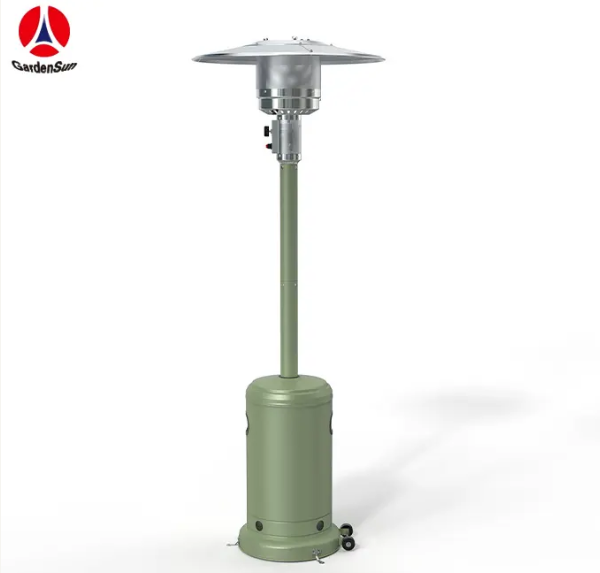
Maintaining a gas patio heater requires consistent attention to detail and systematic care to ensure optimal performance throughout its operational life. A well-structured maintenance routine prevents common issues like uneven heating, gas flow problems, and premature component wear that can significantly impact both safety and efficiency. Understanding the specific maintenance requirements for your gas patio heater helps extend its lifespan while maintaining reliable outdoor heating performance during critical seasons when you need consistent warmth for outdoor entertaining and comfort.
Developing an effective maintenance schedule involves understanding both daily operational care and seasonal deep-cleaning procedures that address the unique challenges faced by outdoor heating equipment. Environmental factors such as moisture, debris accumulation, and temperature fluctuations create specific maintenance demands that differ significantly from indoor heating systems. Regular maintenance not only ensures your gas patio heater operates safely but also optimizes fuel consumption, reduces repair costs, and maintains the aesthetic appeal of your outdoor heating investment throughout years of reliable service.
Essential Daily and Weekly Maintenance Tasks
Visual Inspection and Safety Checks
Begin each gas patio heater maintenance session with a comprehensive visual inspection that examines all external components for signs of damage, wear, or unusual conditions. Check the reflector dome for dents, cracks, or discoloration that might indicate overheating issues or impact damage from wind or debris. Inspect the control knobs and valves for smooth operation, ensuring they turn easily without sticking or requiring excessive force that could indicate internal corrosion or debris accumulation.
Examine the gas line connections and fittings for any signs of looseness, corrosion, or gas leaks using soapy water solution applied to connection points. Look for bubble formation that indicates gas escape, which requires immediate attention before operating your gas patio heater. Check the stability of the base and ensure all mounting hardware remains tight and secure, as vibration and thermal expansion can gradually loosen connections over time.
Verify that the pilot light assembly and main burner appear clean and free from spider webs, debris, or other obstructions that commonly accumulate in outdoor heating equipment. Inspect the thermocouple and ignition system components for proper positioning and cleanliness, as these critical safety components must function reliably to ensure safe gas patio heater operation.
Cleaning External Surfaces and Components
Clean the exterior surfaces of your gas patio heater using mild soap solution and soft cloth to remove accumulated dirt, pollen, and environmental contaminants that can affect both appearance and heat distribution. Focus particular attention on the reflector dome, which requires regular cleaning to maintain optimal heat reflection efficiency and prevent hot spots that could damage the finish or create safety hazards.
Wipe down the control panel and gas connections with a dry cloth to prevent moisture accumulation that could lead to corrosion or electrical issues in models with electronic ignition systems. Clean the base and wheels or stabilizing feet to ensure smooth mobility and proper stability when positioning your gas patio heater for optimal heating coverage.
Remove any debris, leaves, or insects from the burner area and air intake vents using a soft brush or compressed air, being careful not to damage delicate components. Regular cleaning prevents blockages that can cause uneven flame patterns, reduced heating efficiency, and potential safety issues during gas patio heater operation.
Monthly Deep Cleaning and Component Maintenance
Burner Assembly Maintenance
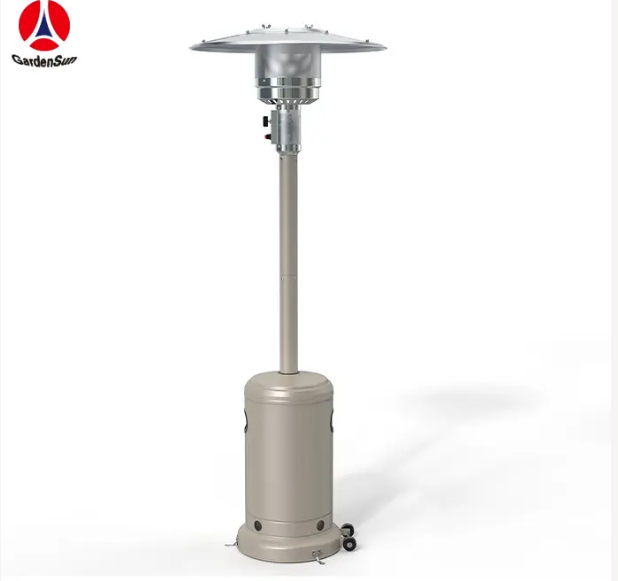
Remove and thoroughly clean the burner assembly according to manufacturer specifications, taking care to document the original positioning of components for proper reassembly. Soak removable burner components in warm soapy water to dissolve grease accumulation and carbon deposits that can obstruct gas flow and create uneven heating patterns in your gas patio heater system.
Use a small wire brush or specialized cleaning tool to clear individual burner ports, ensuring each opening allows unrestricted gas flow for optimal combustion efficiency. Inspect the venturi tubes for spider webs, debris, or corrosion that could affect the air-gas mixture critical for proper flame characteristics and safe operation.
Check the condition of gaskets and seals in the burner assembly, replacing any components that show signs of deterioration, cracking, or hardening that could compromise gas containment or allow debris infiltration. Proper burner maintenance ensures your gas patio heater maintains consistent flame patterns and optimal heating performance throughout its operational life.
Gas System and Safety Component Inspection
Conduct monthly inspection of the gas regulator, checking for proper pressure settings and smooth operation of pressure adjustment mechanisms where applicable. Test the regulator's pressure relief function to ensure proper safety operation in case of system overpressure conditions that could pose safety risks during gas patio heater operation.
Examine all gas line connections using leak detection solution, paying particular attention to threaded connections, quick-disconnect fittings, and flex line attachments that experience regular movement and thermal cycling. Replace any gas lines showing signs of cracking, hardening, or abrasion damage that could lead to dangerous gas leaks.
Test the thermocouple function by verifying that the gas flow stops when the pilot light is extinguished, confirming this critical safety device operates properly to prevent gas accumulation. Clean the thermocouple sensor with fine steel wool to remove oxidation or deposits that could impair its ability to detect pilot flame presence and maintain safe gas patio heater operation.
Seasonal Preparation and Storage Procedures
Pre-Season Startup and System Testing
Begin each heating season with comprehensive system testing that verifies all gas patio heater components function properly after extended storage periods. Start with a complete visual inspection, checking for any damage, corrosion, or pest intrusion that may have occurred during storage, paying particular attention to gas lines, electrical connections, and moving parts that require immediate attention before initial operation.
Test the ignition system by following proper lighting procedures and observing flame characteristics for proper size, color, and stability. A properly functioning gas patio heater should produce a steady blue flame with yellow tips, without excessive yellow coloring that indicates incomplete combustion or air mixture problems requiring adjustment or cleaning.
Verify that all safety systems operate correctly by testing the tip-over switch, thermocouple function, and any wind guards or flame sensors incorporated in your specific gas patio heater model. Run the unit through multiple heating cycles to ensure consistent performance and identify any issues requiring professional attention before the peak heating season begins.
End-of-Season Cleaning and Storage Preparation
Prepare your gas patio heater for storage by conducting thorough cleaning that removes all accumulated debris, grease, and combustion residues that could attract pests or cause corrosion during extended non-use periods. Disconnect and properly cap gas lines according to manufacturer guidelines, ensuring all connections remain clean and protected from moisture infiltration.
Apply appropriate protective treatments to metal surfaces, focusing on areas prone to corrosion such as burner assemblies, gas fittings, and exposed steel components. Remove the propane tank and store it in a well-ventilated area away from heat sources, following local regulations for safe gas storage practices.
Cover the gas patio heater with a breathable weather-resistant cover that prevents moisture accumulation while allowing air circulation to prevent condensation-related corrosion. Store the unit in a dry, protected location when possible, or ensure the outdoor storage area provides adequate protection from severe weather conditions that could damage components during the off-season.
Troubleshooting Common Maintenance Issues
Addressing Flame and Heating Performance Problems
Diagnose irregular flame patterns in your gas patio heater by examining burner port cleanliness, air mixture settings, and gas pressure consistency. Yellow or orange flames typically indicate insufficient air mixture or dirty burner ports, while weak flames suggest low gas pressure or partially blocked gas flow that requires systematic investigation and correction.
Address uneven heating distribution by checking reflector alignment, cleaning accumulated deposits from heating surfaces, and ensuring proper clearances around the gas patio heater unit. Inspect the reflector dome for proper positioning and cleanliness, as even minor misalignment can significantly impact heating efficiency and coverage patterns.
Resolve ignition difficulties by cleaning the pilot light assembly, checking thermocouple positioning, and verifying proper gas flow to ignition components. Many ignition problems stem from accumulated debris or misaligned components rather than serious mechanical failures, making regular maintenance essential for reliable gas patio heater startup performance.
Preventive Measures for Long-Term Reliability
Implement regular component replacement schedules for consumable items such as gaskets, seals, and thermocouple assemblies that wear naturally during normal gas patio heater operation. Keeping spare parts inventory ensures quick resolution of minor issues without extended downtime during peak heating seasons when reliable operation is most critical.
Monitor environmental factors that affect maintenance requirements, such as coastal salt exposure, high dust conditions, or extreme temperature variations that may require more frequent cleaning and inspection cycles. Adjust your maintenance schedule based on local conditions to prevent accelerated wear and ensure optimal gas patio heater performance in challenging environments.
Document maintenance activities and performance observations to identify patterns or recurring issues that might indicate underlying problems requiring professional attention. Regular record-keeping helps optimize maintenance timing, track component lifespan, and ensure compliance with warranty requirements for your gas patio heater investment.
FAQ
How often should I clean my gas patio heater's burner assembly?
Clean the burner assembly monthly during active use periods, or whenever you notice uneven flame patterns, yellow flames, or reduced heating efficiency. Heavy-use environments may require more frequent cleaning, particularly in dusty or coastal areas where debris and salt accumulation can occur rapidly. Always allow the gas patio heater to cool completely before beginning any cleaning procedures.
What should I do if my gas patio heater won't stay lit after cleaning?
First, verify that the thermocouple is properly positioned and clean, as this safety device must detect the pilot flame to allow continued gas flow. Check that all gas connections are tight and that the pilot light burns with a steady blue flame reaching the thermocouple sensor. If problems persist after basic troubleshooting, consult a qualified technician to avoid safety risks.
Can I use my gas patio heater immediately after winter storage?
Never operate your gas patio heater immediately after storage without conducting pre-season inspection and testing procedures. Check all connections, clean accumulated debris, test safety systems, and verify proper flame characteristics before regular use. This systematic approach prevents safety issues and ensures optimal performance after extended non-use periods.
How do I know when my gas patio heater needs professional service?
Seek professional service when you encounter persistent ignition problems, gas odors, irregular flame patterns that don't improve with cleaning, or any damage to gas lines or pressure regulators. Additionally, schedule professional inspection annually or according to manufacturer recommendations to maintain warranty coverage and ensure safe operation of your gas patio heater system.