
 EN
EN
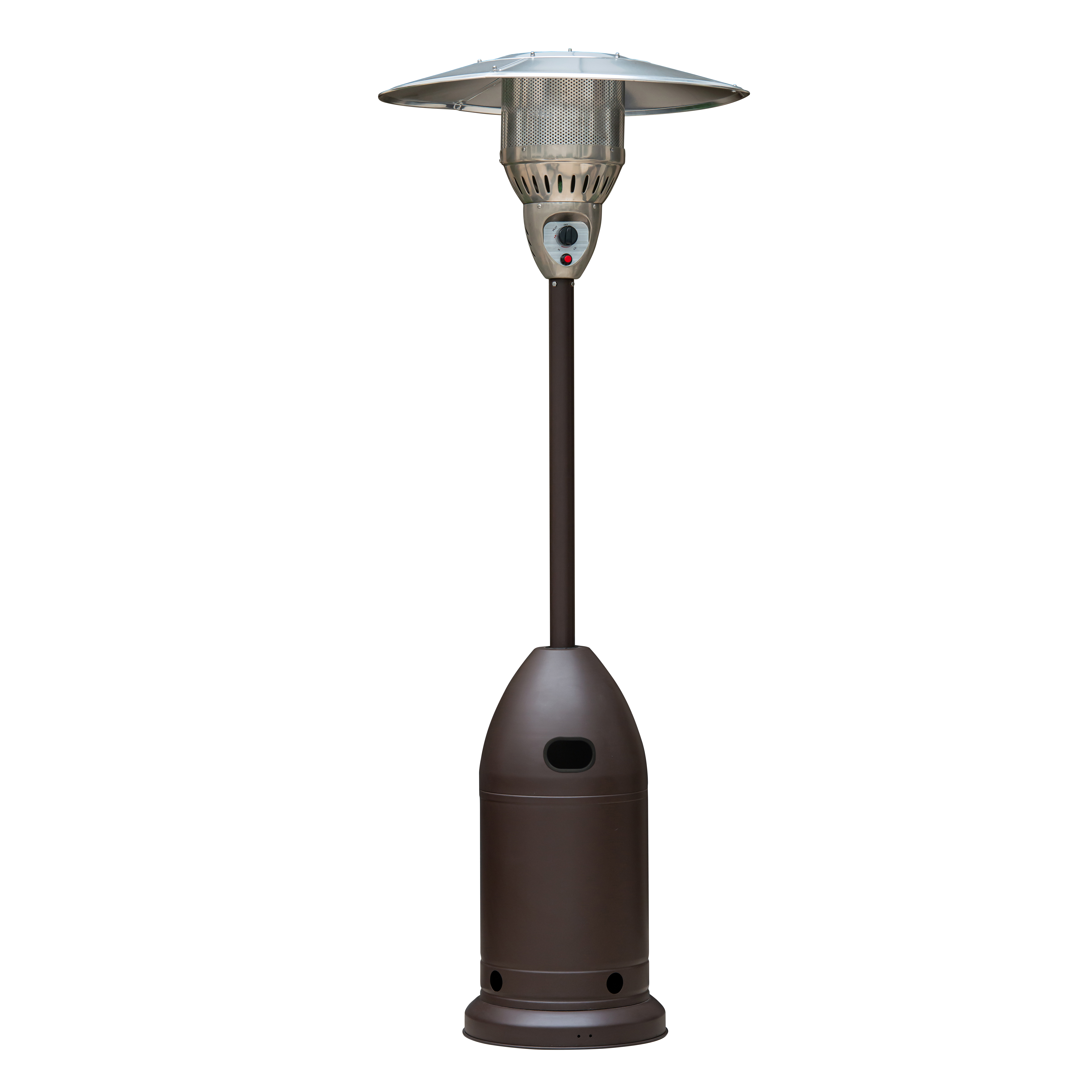
The hospitality industry faces unique heating challenges that demand reliable, efficient, and cost-effective solutions. A gas heater has emerged as the go-to choice for restaurants, bars, hotels, and event venues seeking to extend outdoor seating seasons and improve guest comfort year-round. The popularity of gas heater systems stems from their combination of operational efficiency, rapid heating capability, and versatile installation options that modern hospitality businesses require. Understanding why gas heater technology dominates this sector reveals critical insights into venue operations, customer experience, and competitive advantage.
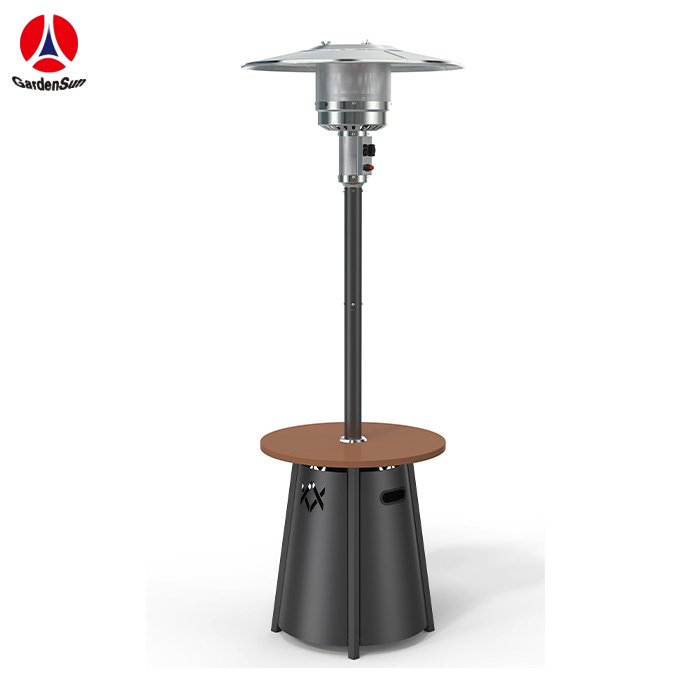
Hospitality managers increasingly recognize that a gas heater installation directly impacts revenue potential, guest satisfaction, and operational margins. Whether managing a rooftop restaurant, poolside bar, or outdoor banquet space, venue operators discover that gas heater solutions enable them to maintain comfortable environments during cooler months when customer traffic might otherwise decline. This strategic advantage has made gas heater adoption a standard feature across premium hospitality properties, from boutique hotels to established restaurant chains. The decision to invest in quality gas heater systems reflects broader industry trends toward maximizing usable space and extending profitable operating seasons.
Operational Efficiency and Cost Savings
Lower Operating Costs Compared to Alternatives
A gas heater delivers superior cost efficiency when compared to electric heating, wood-burning solutions, or traditional indoor HVAC expansion. The fuel cost per BTU output makes gas heater operation significantly more economical for high-volume hospitality settings where continuous heating is necessary during peak seasons. Restaurant owners and venue managers report that installing a gas heater reduces their seasonal energy expenses by up to forty percent compared to alternative heating methods. This financial advantage compounds over multiple seasons, making gas heater investment highly attractive for properties with constrained capital budgets. Venues that operate gas heater systems also benefit from minimal maintenance overhead and straightforward fuel supply management through standard propane or natural gas infrastructure.
Rapid Heating and Temperature Control
Unlike electric heaters that require extended warm-up periods, a gas heater provides immediate radiant warmth within minutes of activation, directly improving guest experience and operational flexibility. Hospitality staff appreciate how gas heater units can be adjusted quickly to respond to changing weather conditions or guest density throughout the day. The responsive heating capability of a gas heater means venues can manage comfort without wasteful idling or energy inefficiency common in slower-response heating systems. Restaurants scheduling outdoor service during transitional seasons find that gas heater reliability and rapid response support seamless service delivery even when ambient temperatures fluctuate unexpectedly.
Guest Experience and Venue Expansion
Extended Seating Capacity and Seasonal Revenue
The primary driver behind widespread gas heater adoption in hospitality is the ability to transform underutilized outdoor spaces into revenue-generating zones year-round. A gas heater positioned strategically on a patio or terrace instantly creates a comfortable microclimate, enabling venues to seat customers in outdoor areas during spring, fall, and even mild winter conditions. Hotels leveraging gas heater technology report occupancy rate improvements and higher customer satisfaction scores for outdoor amenities during cooler periods. Event venues using gas heater installations for outdoor banquets and weddings command premium pricing because guests enjoy climate control and protection from temperature-related discomfort. This expansion of usable venue capacity directly translates to increased table turns, larger party accommodations, and enhanced revenue per square foot of property.
Premium Positioning and Competitive Differentiation
Venues that feature elegant gas heater solutions on patios signal quality hospitality and attention to guest comfort, creating premium positioning advantages in competitive markets. A well-designed gas heater installation communicates that the venue invests in customer experience beyond basic service offerings. Restaurants competing for upscale clientele find that investing in high-quality gas heater systems justifies premium pricing and attracts guests seeking sophisticated outdoor dining environments. The visual appeal and functional reliability of modern gas heater units enhance venue aesthetics while delivering tangible comfort benefits that customers recognize and appreciate. This combination of form and function elevates brand perception and customer loyalty among demographics that value environmental comfort and experience quality.
Safety, Reliability, and Regulatory Compliance
Modern Safety Standards and Regulatory Alignment
Contemporary gas heater technology incorporates multiple safety layers including automatic shutoff mechanisms, tip-over protection, and flame failure safeguards that meet or exceed hospitality industry safety standards. Venues operating gas heater systems benefit from regulatory compliance frameworks established across regions, minimizing liability concerns and ensuring guest safety protocols align with legal requirements. Installation professionals ensure that gas heater placement, ventilation, and operation follow building codes and fire safety regulations specific to hospitality facilities. The maturity of gas heater safety engineering provides venue managers with confidence that their heating solution protects guests, staff, and property while maintaining uninterrupted service. Insurance providers recognize that properly maintained gas heater systems present acceptable risk profiles, resulting in stable coverage and competitive premium rates for insured hospitality venues.
Durability and Dependable Performance
High-quality gas heater units withstand the demanding conditions of hospitality environments including exposure to weather, frequent on-off cycling, and heavy seasonal usage patterns. The proven durability of gas heater systems means venues make single capital investments that deliver reliable returns across multiple operational seasons without requiring costly replacement or major repairs. Commercial-grade gas heater construction uses corrosion-resistant materials and durable heating elements designed specifically for outdoor hospitality applications where temperature ranges and environmental exposure exceed residential use. Venues report consistently reliable performance from their gas heater installations year after year, supporting operational predictability and reducing unexpected maintenance costs that disrupt service delivery. The dependability advantage of gas heater technology also reduces staff training requirements compared to more complex heating alternatives requiring specialized operational knowledge.
FAQ
What fuel options do gas heater systems require for hospitality venues?
Most commercial gas heater installations operate on either propane or natural gas, with propane being preferred for venues lacking existing natural gas infrastructure. Natural gas gas heater systems integrate directly into building supply lines where available, eliminating propane tank management requirements. Propane-based gas heater units offer flexibility for venues in remote locations or properties without central gas connections, though they require periodic tank refilling and storage considerations. Venue managers should consult with installation professionals to determine which fuel option aligns best with existing infrastructure, local availability, and operational preferences for their specific gas heater application.
How does a gas heater compare to electric patio heating alternatives?
A gas heater delivers significantly faster ambient temperature increases than electric heating options, typically warming outdoor spaces within five to ten minutes of activation. Electric heaters require 20-30 minutes to achieve comparable warmth and consume substantially more electricity, increasing monthly utility costs for high-use venues. Gas heater systems also provide wider effective heating radius, allowing single units to comfortably warm larger seating areas compared to electric models requiring multiple units for equivalent coverage. While electric alternatives work for certain applications, venues prioritizing cost efficiency, rapid response, and broad coverage prefer gas heater solutions that better match hospitality operational demands and guest comfort expectations.
Can a gas heater operate in windy or partly covered outdoor spaces?
Modern gas heater designs include wind-resistant features and protective shields that maintain heating effectiveness in breezy conditions, though extremely high winds can reduce efficiency by 20-40 percent. Venues positioning gas heater units under covered structures, umbrellas, or partial overhead coverage achieve significantly better heat retention and fuel efficiency. Strategic placement near walls or wind breaks helps gas heater performance in exposed locations while maintaining safe clearance from combustible materials. Event planners and venue managers can adjust gas heater positioning based on seasonal wind patterns and customer density to optimize comfort and operational costs throughout the year.