
 EN
EN
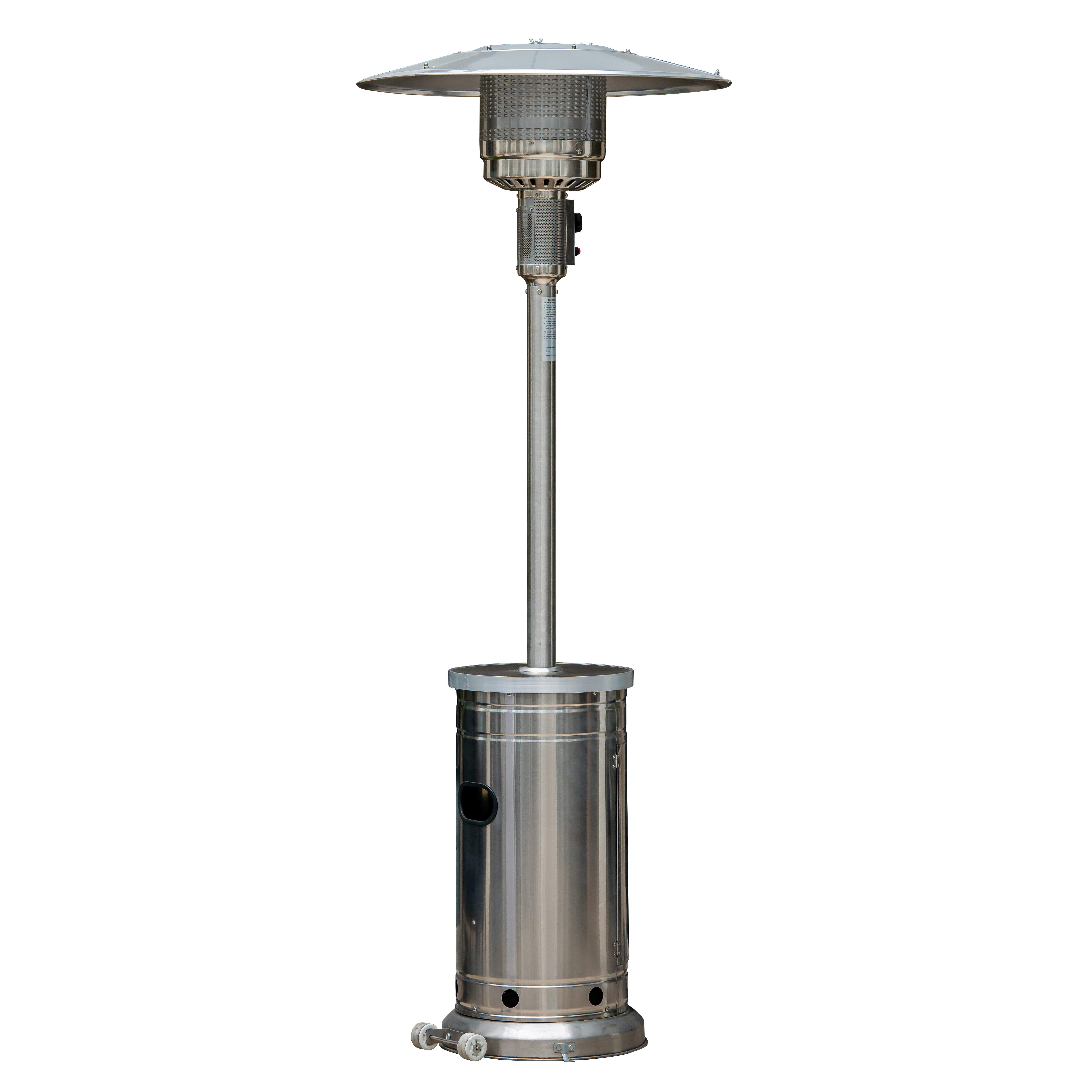
Outdoor operations don't have to pause when temperatures drop. A gas heater provides reliable, efficient warmth that keeps employees, guests, and customers comfortable throughout cooler weather months. Whether managing a restaurant patio, hosting outdoor events, or maintaining warehouse operations in open-air environments, a gas heater delivers the thermal comfort needed to sustain productivity and customer satisfaction year-round.
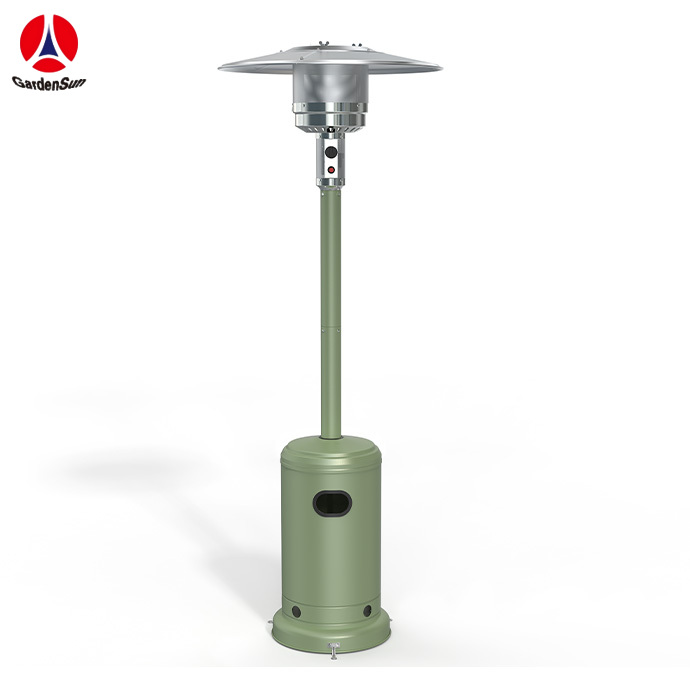
The business case for investing in a gas heater is compelling. Outdoor spaces represent valuable real estate that too often go underutilized during autumn and winter seasons. By deploying a gas heater, facility managers extend the operational calendar, increase revenue from additional seating or service areas, and maintain consistent workplace comfort standards. A gas heater transforms seasonal limitations into competitive advantages.
How a Gas Heater Extends the Operating Season
Immediate Warmth and Consistent Output
A gas heater operates by burning propane or natural gas to generate direct radiant heat. Unlike slow-warming electric alternatives, a gas heater reaches peak temperature within minutes, providing instant comfort to outdoor spaces. This rapid heat delivery makes a gas heater ideal for high-traffic areas where guests arrive expecting immediate comfort. The consistent thermal output of a gas heater eliminates temperature fluctuations that compromise user experience.
Outdoor spaces face constant thermal losses through radiation and wind exposure. A gas heater compensates by delivering sustained, predictable heat that maintains comfortable conditions even when outdoor temperatures approach freezing. Commercial operators depend on this reliability because inconsistent heating drives away customers and staff. A well-maintained gas heater preserves comfort levels across the entire operating day and season.
Flexible Deployment and Scalability
A gas heater comes in multiple configurations, from portable stand-alone units to wall-mounted and built-in installations. This flexibility allows operators to deploy a gas heater exactly where warmth is needed most, whether a high-traffic patio corner or a waiting area entrance. As business demands change, a gas heater can be repositioned, added, or removed without permanent structural modifications. Scalability means small operators can start with one unit and expand heating coverage as revenue justifies additional investment.
Different outdoor environments require different heating strategies. A gas heater designed for intimate restaurant seating differs from one serving large event spaces or warehouse loading docks. Manufacturers offer a gas heater in varied heat output ratings, measured in BTUs, allowing precise matching to space dimensions and insulation levels. This diversity ensures every outdoor operation finds a gas heater configuration suited to its specific thermal demands.
Business and Operational Benefits of Deploying a Gas Heater
Extended Revenue Opportunities
Restaurants and hospitality venues generate significant revenue from outdoor seating. Without heating, this revenue disappears during cooler months. A gas heater restores access to outdoor revenue streams that would otherwise remain dormant from November through March. Studies show that heated outdoor spaces increase customer dwell time and repeat visits, directly improving per-customer spending and seasonal profitability. Hospitality operators who invest in a gas heater often recoup costs within a single season.
Event venues, wedding planners, and catering businesses face strict seasonal constraints without heating solutions. A gas heater removes this limitation by enabling year-round outdoor events at premium pricing. Clients willing to book December garden events or November waterfront receptions pay premium rates for the novelty and comfort that a gas heater provides. This expansion into cooler-season events often represents 30 to 40 percent additional annual revenue for event-based businesses.
Workforce Comfort and Productivity
Outdoor logistics operations, construction sites, and yard-based manufacturing face productivity losses during temperature drops. Workers in cold conditions experience fatigue, reduced concentration, and higher injury risk. A gas heater positioned in outdoor break areas, loading zones, or assembly stations significantly improves worker morale and safety. Comfort directly correlates with productivity, and a gas heater ensures that outdoor-dependent operations maintain consistent output regardless of seasonal temperature shifts.
Employee retention improves when companies prioritize workplace comfort. A gas heater demonstrates operator investment in staff wellbeing, particularly important for outdoor-focused industries where cold exposure is occupational. Companies deploying a gas heater report lower absenteeism, reduced turnover, and improved employee satisfaction scores. The indirect cost savings from reduced turnover and training expenses often exceed the direct investment in heating infrastructure.
Key Considerations for Selecting and Operating a Gas Heater
Heat Output Matching and Installation Planning
Proper a gas heater selection requires calculating the target space's volume, insulation level, and typical ambient conditions. A gas heater undersized for its environment delivers inadequate warmth and frustrates users; an oversized unit wastes fuel and increases operational costs. Industry standards recommend approximately 30 to 50 BTUs per square foot for semi-sheltered outdoor spaces, and 50 to 100 BTUs per square foot for exposed areas. Selecting a gas heater with appropriate output prevents both comfort failures and operational inefficiency.
Installation of a gas heater varies by configuration. Freestanding units require only fuel connection and clearance from combustibles. A gas heater mounted on structures requires professional installation, proper ventilation, and code compliance verification. Wall-mounted and built-in a gas heater installations demand certified technicians and inspections to ensure safety and legal compliance. Understanding installation requirements before purchasing a gas heater prevents costly rework and delays.
Fuel Management and Maintenance Protocols
A gas heater operates on either propane or natural gas, each presenting different supply and storage considerations. Propane-fueled units offer flexibility but require regular tank monitoring and refilling schedules. Natural gas a gas heater connects to existing utility lines, eliminating fuel storage concerns but requiring permanent installation. Operators must evaluate fuel costs, availability, storage space, and operational frequency to determine which fuel type minimizes total cost of ownership for their specific application.
Routine maintenance keeps a gas heater operating safely and efficiently. Pre-season inspections should verify clean burner components, intact ignition systems, and proper ventilation pathways. A gas heater requires annual professional servicing that includes pressure testing, burner adjustment, and safety switch verification. Neglected a gas heater maintenance increases failure risk during peak-season operation, creating service gaps when replacement units aren't available. Establishing maintenance protocols before deploying a gas heater prevents emergency downtime.
FAQ
How much heat does a typical gas heater produce?
Standard outdoor gas heater models produce between 10,000 and 50,000 BTUs of heat output. Smaller patio units typically generate 10,000 to 20,000 BTUs, suitable for intimate seating areas of 50 to 100 square feet. Medium-duty commercial gas heater installations produce 30,000 to 40,000 BTUs, covering 200 to 300 square feet effectively. Large industrial gas heater systems exceed 50,000 BTUs, warming substantial open areas. The appropriate gas heater output depends on space dimensions, insulation, and ambient temperature conditions.
Is a gas heater more cost-effective than electric outdoor heating?
Yes, a gas heater typically offers lower operating costs compared to electric heating systems of equivalent output. Natural gas and propane fuels cost significantly less per BTU than electricity in most regions, making a gas heater more economical for continuous or frequent heating. Additionally, a gas heater heats faster and with greater efficiency, reducing the time required to warm outdoor spaces. The higher upfront cost of quality gas heater equipment is often offset within one to two seasons through fuel savings and extended operational revenue.
What safety considerations apply to gas heater installation and use?
A gas heater requires proper ventilation to prevent carbon monoxide accumulation in enclosed or semi-enclosed spaces. Installation must maintain minimum clearances from combustible materials, typically 3 feet horizontally and 6 feet vertically, as specified by equipment manufacturers. A gas heater should never operate in completely enclosed areas without active air exchange. Regular inspections and professional servicing ensure that a gas heater's ignition, pressure regulators, and safety cutoffs function correctly. Compliance with local building codes and utility company regulations is mandatory when installing any gas heater system.