
 EN
EN
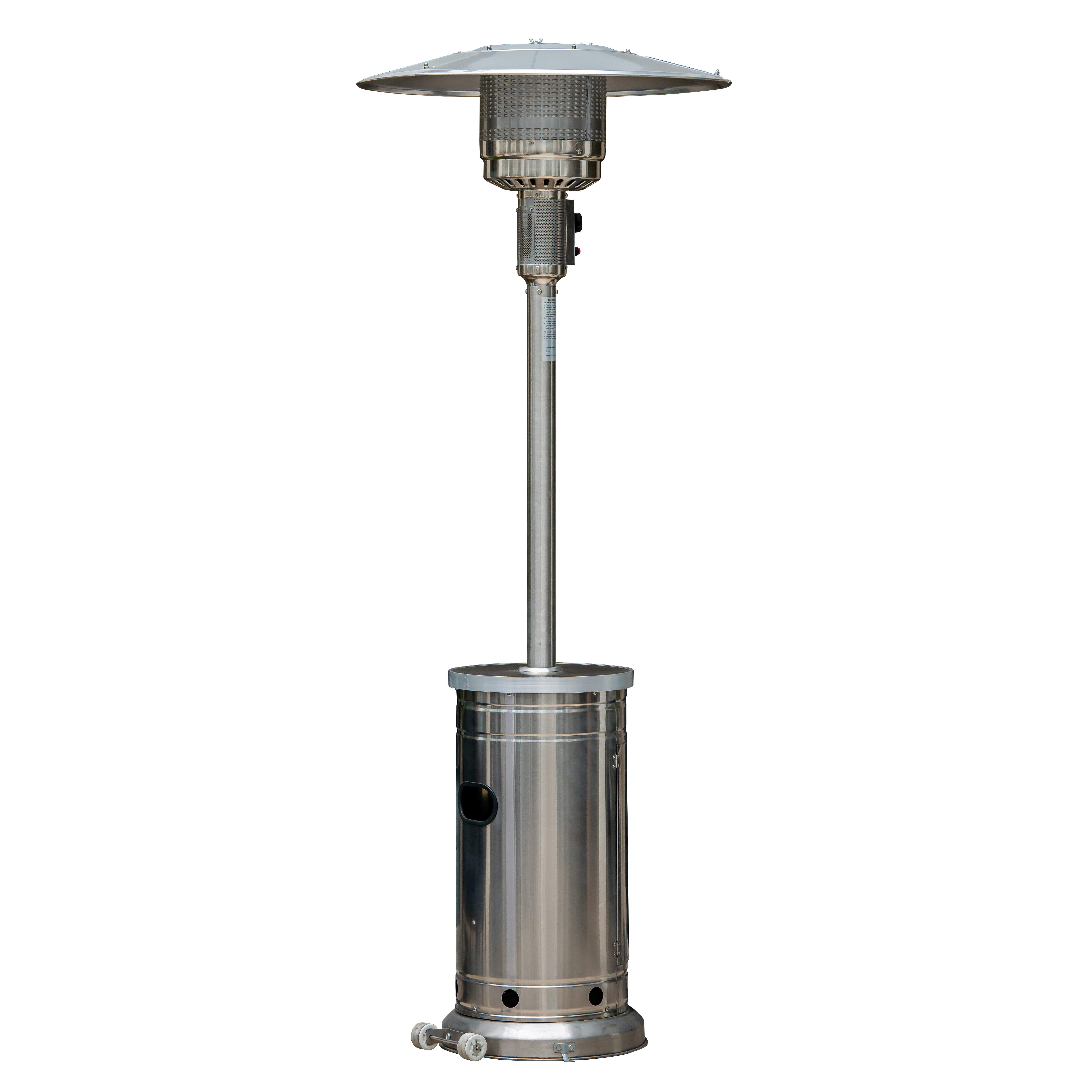
Selecting the right gas heater for your business requires careful evaluation of safety features that protect employees, customers, and operations. A gas heater represents a significant investment that must deliver reliable warmth while maintaining the highest safety standards. Business owners often focus on heating capacity and fuel efficiency, yet overlooking critical safety mechanisms can lead to serious liability exposure, operational disruptions, and potentially catastrophic incidents. Understanding which safety features distinguish secure gas heater models from inadequate alternatives is essential for responsible facility management and regulatory compliance.
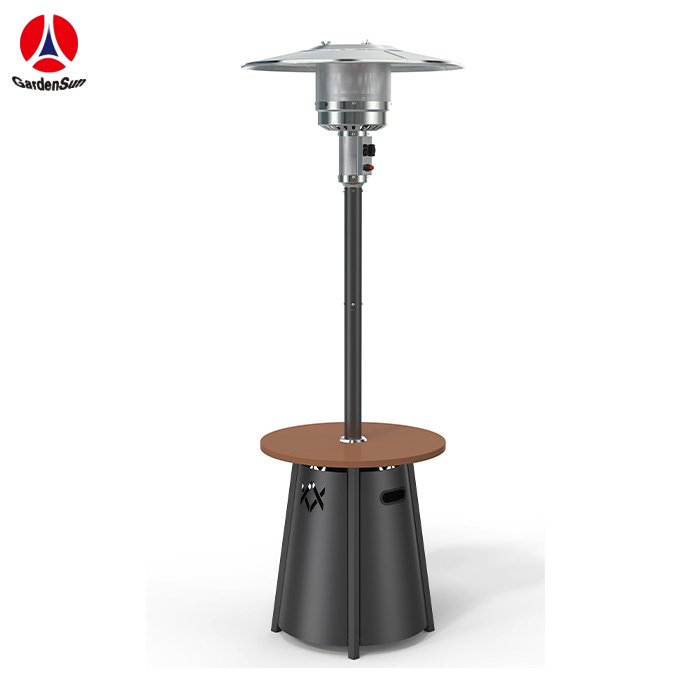
When evaluating a gas heater, safety features form the foundation of reliable performance and risk mitigation. Modern gas heater systems integrate multiple protective layers designed to prevent fuel leaks, combustion failures, carbon monoxide emissions, and thermal hazards. Business decision-makers must understand how these safety mechanisms work together, which standards govern gas heater installations, and what evaluation criteria ensure compliance and operational security. This comprehensive guide walks through the essential safety features that protect your facility and workforce while maintaining consistent heating performance throughout demanding operational schedules.
Combustion Safety and Emission Control
Carbon Monoxide Prevention in Gas Heater Systems
Carbon monoxide represents the most dangerous invisible hazard associated with any gas heater installation. A properly functioning gas heater must achieve complete combustion, converting fuel into heat and harmless byproducts rather than producing carbon monoxide. Advanced gas heater models incorporate combustion analysis systems and oxygen depletion sensors that continuously monitor flame quality and air intake ratios. These integrated sensors within a gas heater automatically shut down operations if combustion becomes incomplete, preventing carbon monoxide accumulation before dangerous concentrations develop. Businesses must verify that their selected gas heater includes certified combustion control technology and confirm proper ventilation design during installation and commissioning.
Ventilation and Draft Management for Gas Heater Operation
Proper ventilation directly impacts whether a gas heater operates safely and efficiently. A gas heater requires adequate fresh air supply for combustion and must safely vent exhaust gases away from occupied spaces. Sealed combustion gas heater designs draw intake air from outside the heated space, eliminating back-drafting risks that can pull exhaust gases into buildings. Businesses must evaluate whether their gas heater installation includes proper ductwork, adequate ventilation openings, and draft relief provisions. The selected gas heater should feature clear ventilation requirement specifications that facility managers can validate before installation. Improper gas heater ventilation creates ongoing hazards that worsen during high-demand periods when other exhaust systems compete for available air.
Automatic Shutdown and Protective Sensors
Thermostat Control and Temperature Limiting Devices
Overheat protection remains critical for any gas heater system operating in commercial environments. Modern gas heater units include high-limit thermostats that automatically disable the burner when surrounding temperatures exceed safe thresholds. A well-designed gas heater also incorporates multiple independent temperature sensors that prevent reliance on single-point failures. These protective mechanisms within a gas heater prevent surface temperatures from reaching ignition thresholds and reduce thermal injury risks if workers or visitors contact the unit. Businesses must confirm that their selected gas heater includes clearly labeled temperature settings and accessible manual override controls for maintenance personnel and emergency situations.
Flame Failure Detection and Fuel Shutoff Systems
Continuous flame monitoring distinguishes reliable gas heater systems from basic models that operate without active burner supervision. When a gas heater loses flame during normal operation, integrated flame sensors must detect this change within seconds and automatically shut off fuel delivery. Without this critical safety feature, gas heater units would continue releasing unburned fuel into the workspace, creating explosive atmosphere conditions and serious health hazards. Modern gas heater systems use ultraviolet or infrared flame detection that reacts instantly to flame loss and triggers automatic gas shutoff valves. Before purchasing a gas heater, verify that the model includes UL-listed flame detection and confirm that the shutoff response time meets industry standards for your specific application.
Physical Safety and Regulatory Compliance
Tip-Over Protection and Structural Stability for Gas Heater Units
Portable gas heater models must include robust tip-over switches that immediately shut off fuel if the unit becomes unstable or falls. A gas heater with inadequate tip-over protection poses risks in busy commercial environments where foot traffic, equipment movement, or weather can cause displacement. Quality gas heater designs incorporate weighted bases, low centers of gravity, and electronic shutoff mechanisms that respond to angular displacement. Stationary gas heater installations require secure mounting, proper clearance from combustible materials, and physical barriers preventing accidental contact. Businesses must assess whether their facility layout supports safe gas heater placement and whether the selected unit includes appropriate safety guards and warning labels.
Pressure Regulators and Fuel Supply Safeguards
Gas supply pressure regulation represents a foundational safety element for any gas heater system. A gas heater requires precisely calibrated fuel delivery pressure to ensure stable combustion without excessive flame intensity that could damage the burner assembly. Integrated pressure regulators within a gas heater maintain consistent fuel flow regardless of supply line fluctuations or seasonal atmospheric changes. Additionally, manual isolation valves upstream of a gas heater allow safe shutdown for maintenance and emergency response. Businesses must verify that their selected gas heater includes certified pressure regulators, accessible isolation valves, and clear fuel supply connection specifications. Improper fuel pressure in a gas heater can cause pilot light instability, incomplete combustion, and increased carbon monoxide production.
Installation, Maintenance, and Certification Standards
Factory Testing and UL Listing Requirements for Gas Heater Models
Selection of a certified gas heater represents the first mandatory step in ensuring safety compliance and operational reliability. Underwriters Laboratories and other recognized standards bodies test gas heater models to verify that all safety features function as designed across normal operating conditions and stress scenarios. A gas heater bearing UL certification has demonstrated that combustion control, flame detection, temperature management, and structural integrity all meet minimum safety thresholds. Businesses must prioritize gas heater models carrying current UL listings and confirm that certifications remain valid for their specific geographic region and fuel type. Installation professionals should verify gas heater certifications independently rather than relying solely on vendor claims, particularly for used or refurbished equipment.
Professional Installation and Commissioning of Gas Heater Systems
Even superior gas heater equipment cannot deliver safety if installed improperly by untrained personnel. Licensed HVAC professionals and gas system technicians understand the precise requirements for each gas heater model, including ventilation specifications, fuel line sizing, electrical connections, and clearance measurements. A professional gas heater installation includes pressure testing for fuel leaks, burner alignment verification, and sensor calibration before operational use. Commissioning of a gas heater involves documented safety inspections, performance documentation, and operator training for facility staff responsible for maintenance. Businesses must ensure that their selected gas heater installation contractor carries appropriate licensing, insurance, and references for commercial gas heating systems. Skipping professional installation or certification creates ongoing liability exposure and often violates building codes and insurance requirements.
FAQ
What automatic shutoff features should every gas heater include?
Every gas heater must include automatic shutoff triggered by flame loss detection, high-temperature overheat conditions, and tip-over events for portable models. A quality gas heater incorporates redundant sensors and independent shutoff pathways so that single-point failures cannot disable protection systems. These automatic mechanisms operate without human intervention, providing continuous protection even when facility managers are not actively monitoring the gas heater. Verify that your selected gas heater includes multiple automatic shutoff triggers with documented response times meeting industry standards.
How does a gas heater prevent carbon monoxide accumulation?
A properly maintained gas heater achieves complete combustion through balanced air-fuel ratios, integrated oxygen depletion sensors, and sealed combustion designs that prevent back-drafting. Most modern gas heater systems include continuous combustion monitoring that detects incomplete burning patterns and automatically disables the burner before carbon monoxide concentrations become dangerous. Adequate ventilation and exhaust ductwork allow gas heater systems to safely evacuate combustion byproducts away from occupied spaces. Without proper maintenance and ventilation, even a gas heater with carbon monoxide prevention features cannot guarantee safe operation.
What qualifications should the contractor installing a gas heater possess?
The contractor installing your gas heater must hold current licensing in HVAC or gas system work, carry appropriate liability insurance, and provide references for commercial gas heater installations. Professional gas heater installation contractors understand building codes, ventilation requirements, fuel supply standards, and safety inspection protocols specific to your region. Before selecting an installer, verify their credentials independently through licensing boards and request documentation of previous gas heater installations comparable in size and complexity to your project. Professional installation of a gas heater protects your facility against safety violations, operational failures, and liability exposure that can result from inadequate setup.