
 EN
EN
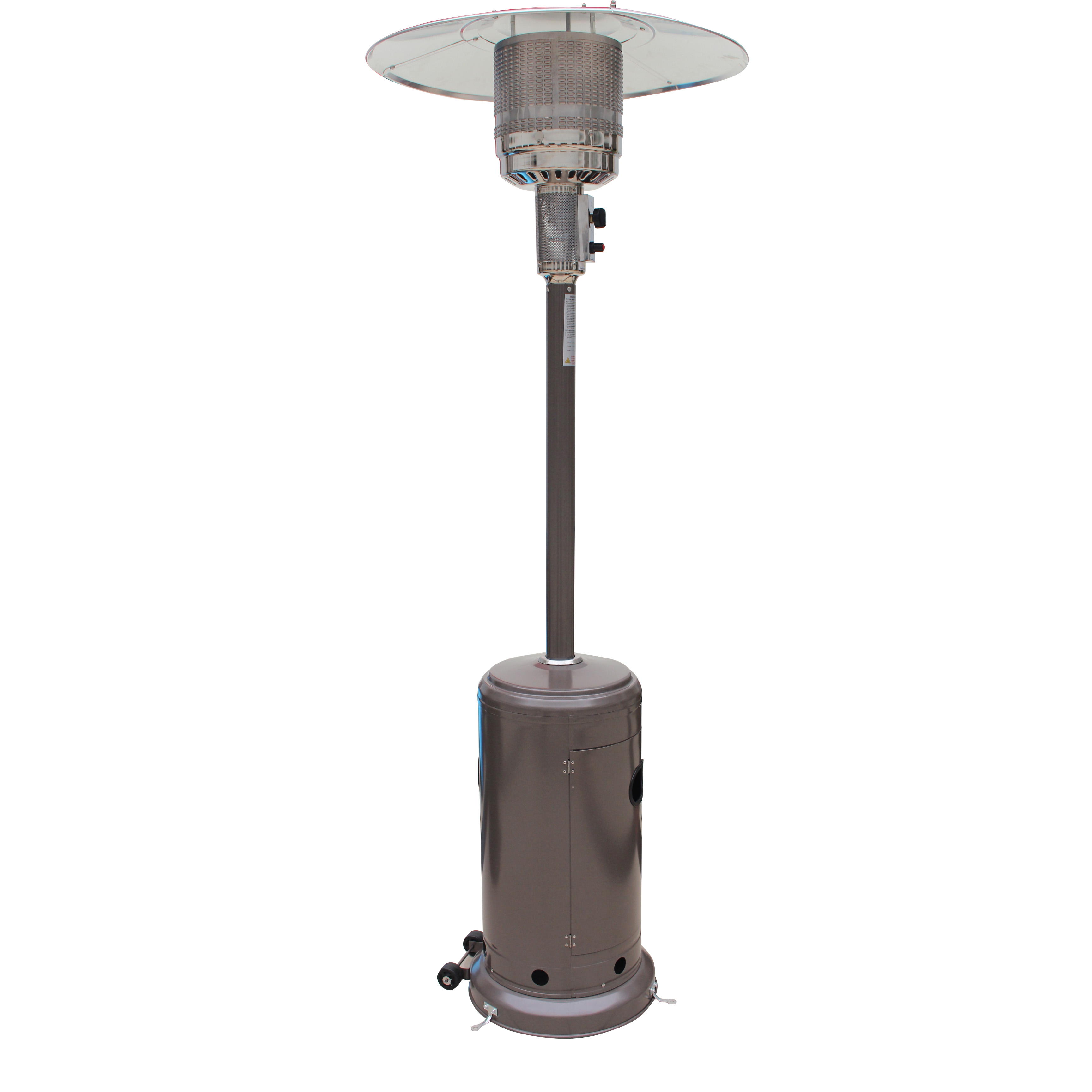
Large outdoor hospitality areas present unique heating challenges, especially during shoulder seasons and cooler evenings when guest comfort directly impacts satisfaction and retention. A gas patio heater emerges as the optimal solution for these expansive venues, delivering efficient, scalable warmth across restaurant patios, hotel courtyards, and event spaces. Unlike electric alternatives or portable solutions, a gas patio heater provides rapid heat deployment, substantial radiant coverage, and the operational flexibility that hospitality venues require to maximize outdoor seating throughout the year.
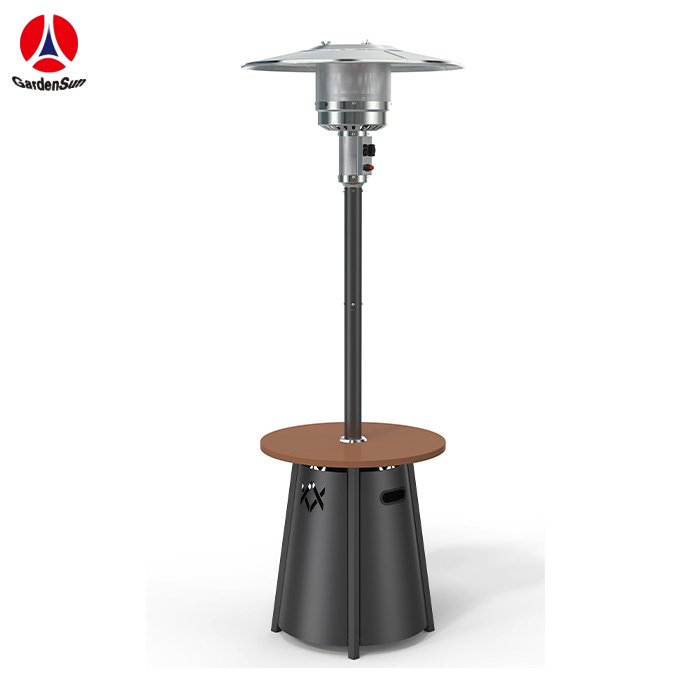
Hospitality venues face mounting pressure to extend outdoor seating seasons and generate revenue from underutilized spaces. A gas patio heater transforms these areas into year-round revenue drivers by keeping guests warm and comfortable even when outdoor temperatures drop. The investment in a gas patio heater pays dividends through increased table turnover, enhanced guest experience, and competitive differentiation in crowded hospitality markets.
Coverage and Heat Output Efficiency
Understanding Heat Radius and Distribution
The primary advantage of a gas patio heater lies in its ability to deliver concentrated, radiant heat across substantial distances. A gas patio heater typically generates between 40,000 and 100,000 BTU of heat output, depending on the model and fuel configuration. This radiant energy travels through the air and reflects off surfaces, creating warm zones that extend 15 to 25 feet from the unit. For large outdoor hospitality areas, multiple gas patio heater units can be strategically positioned to cover dining zones, lounge areas, and transition spaces without requiring guest relocation.
Comparing Fuel Efficiency to Other Heating Methods
A gas patio heater operates with direct fuel-to-heat conversion, meaning nearly all fuel energy becomes usable warmth rather than being dissipated through electrical transmission losses. Electric patio heaters consume substantially more power per square foot of coverage, straining electrical infrastructure in outdoor venues. A gas patio heater burns propane or natural gas at the point of use, eliminating distribution inefficiency and delivering superior heat density. For hospitality operators managing multiple outdoor spaces, a gas patio heater reduces energy costs by 30 to 50 percent compared to equivalent electric solutions, creating substantial operational savings across seasons.
Guest Experience and Comfort Benefits
Rapid Warmth Deployment and Guest Satisfaction
Guest comfort directly correlates with hospitality revenue and retention. A gas patio heater reaches full operational temperature within 60 to 90 seconds, allowing venues to respond immediately to guest discomfort without delays. When a guest expresses feeling cold, staff can activate an adjacent gas patio heater and deliver noticeable warmth within moments. This responsive comfort management enhances guest perception of service quality and encourages extended stay duration and additional spending. A gas patio heater creates psychological comfort as well, with visible flame providing ambiance that electric heaters cannot replicate.
Maintaining Consistent Temperature Zones
Large outdoor hospitality areas contain multiple microclimate zones influenced by wind direction, shade patterns, and surface materials. A gas patio heater mounted at strategic positions creates overlapping heat zones that maintain guest comfort across varied microclimate conditions. Premium hospitality venues position a gas patio heater to prioritize seating areas while allowing walkways and service zones to remain cooler, optimizing heat distribution based on actual occupancy patterns. This zone-based approach ensures a gas patio heater operates efficiently while delivering targeted comfort where guests spend time, rather than heating empty spaces.
Operational Reliability and Practical Suitability
Weather Resilience and Year-Round Operation
A gas patio heater functions reliably in adverse weather conditions that disable electrical heating systems. Wind, rain, and humidity do not compromise combustion efficiency or safety features of a properly installed gas patio heater. Venues in regions experiencing unpredictable weather patterns find that a gas patio heater provides consistent performance when electric systems might fail due to moisture ingress or circuit overload. A gas patio heater equipped with wind guards and weatherproofed igniters maintains operational readiness through challenging seasons, ensuring hospitality venues remain open to outdoor guests regardless of conditions.
Installation Flexibility and Venue Constraints
Large hospitality venues often feature existing infrastructure that complicates electrical expansion for heating systems. A gas patio heater requires fuel infrastructure rather than electrical upgrades, making it suitable for venues with limited electrical capacity or complex wiring constraints. Freestanding models of a gas patio heater occupy minimal floor space and require no permanent installation, enabling venues to add or relocate units as occupancy patterns shift seasonally. This flexibility allows a gas patio heater to adapt to dynamic seating arrangements, special events, and peak seasons without construction expenses or operational disruption.
FAQ
How many gas patio heater units do I need for a large outdoor space?
The quantity of gas patio heater units required depends on total area, layout configuration, and desired temperature lift. For areas under 500 square feet, one high-output gas patio heater typically provides adequate coverage. Venues with 500 to 2,000 square feet benefit from two to four gas patio heater units positioned to eliminate cold zones. Larger spaces exceeding 2,000 square feet require multiple gas patio heater clusters to maintain consistent comfort across all dining and lounge areas. Consultation with heating specialists ensures a gas patio heater deployment plan optimizes both coverage and operational costs.
What is the typical operating cost of a gas patio heater?
Operating expenses for a gas patio heater vary based on fuel type, heat output, and regional fuel pricing. A gas patio heater consuming one pound of propane per hour costs approximately $2 to $4 per hour at current market rates, delivering heating equivalent to electric systems costing $8 to $12 per hour. Seasonal operation calculates rapidly—a gas patio heater running six hours daily across a 120-day season generates fuel costs between $1,440 and $2,880 per unit annually. This cost efficiency, combined with increased outdoor revenue, typically justifies a gas patio heater investment within the first operational season for busy hospitality venues.
Is a gas patio heater safe for crowded outdoor dining areas?
Modern gas patio heater models incorporate multiple safety features including automatic shutoff valves, tip-over protection, and oxygen depletion sensors that prevent unsafe operation. Commercial-grade gas patio heater units meet rigorous safety standards and include burn-prevention guards protecting guests from direct flame contact. When installed according to manufacturer specifications and positioned with adequate clearance from fabric structures and overhead obstacles, a gas patio heater operates safely in high-density dining environments. Regular maintenance and safety inspections ensure a gas patio heater remains compliant with local fire codes and insurance requirements throughout its operational life.