
 EN
EN
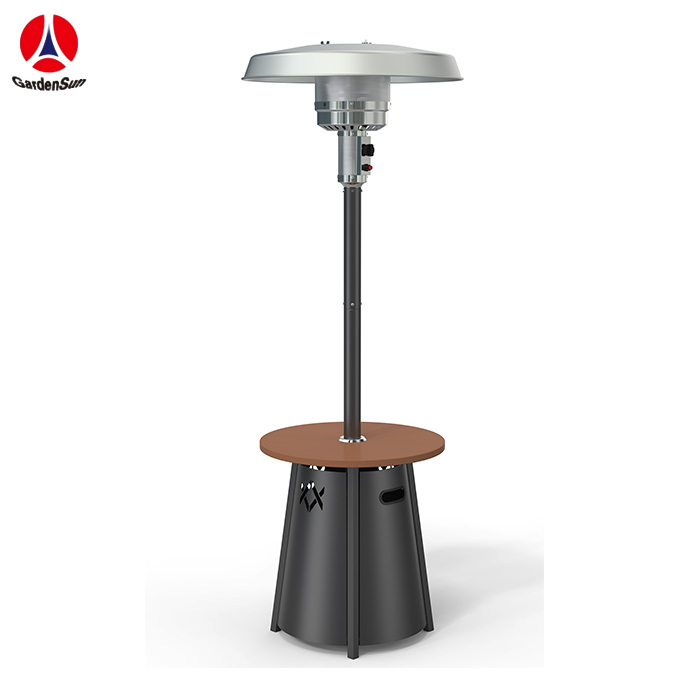
Selecting the most efficient patio heater for large commercial spaces requires careful consideration of multiple factors that directly impact operational costs, customer comfort, and energy consumption. The wrong choice can result in inadequate heating coverage, excessive energy bills, and disappointed customers who avoid your outdoor dining or entertainment areas during cooler months. Commercial establishments need heating solutions that deliver consistent warmth across extensive areas while maintaining cost-effective operation throughout extended business hours.
Commercial patio heater selection involves analyzing heating capacity requirements, fuel efficiency ratings, installation constraints, and long-term operational costs specific to your business environment. Unlike residential applications where a single patio heater might suffice, large commercial spaces demand strategic placement planning, proper sizing calculations, and equipment that can withstand heavy usage while delivering reliable performance. Understanding these selection criteria ensures your investment provides optimal return through enhanced customer satisfaction and efficient energy utilization.
Understanding Heat Output Requirements for Commercial Applications
Calculating BTU Needs for Large Outdoor Areas
Commercial patio heater selection begins with accurate heat output calculations based on your specific space dimensions and environmental conditions. A standard commercial patio heater typically produces between 40,000 to 48,000 BTUs, but large spaces may require multiple units or high-capacity models that generate up to 91,000 BTUs. The general rule suggests approximately 20-25 BTUs per square foot for outdoor heating, though wind exposure, ceiling height, and ambient temperature variations significantly influence actual requirements.
Professional assessment considers factors beyond simple square footage calculations, including typical wind patterns, seasonal temperature ranges, and desired comfort levels for your customer base. Restaurant patios, hotel terraces, and event venues each present unique heating challenges that affect patio heater selection. Open-sided spaces require different heating strategies compared to partially enclosed areas with windbreaks or overhead coverage that help retain generated heat.
Heat distribution patterns vary significantly between different patio heater designs, affecting coverage efficiency in commercial applications. Umbrella-style heaters typically provide 15-20 foot diameter coverage, while tower models offer more focused heating zones. Understanding these patterns helps determine optimal unit quantities and positioning strategies that eliminate cold spots while avoiding energy waste through over-heating certain areas.
Evaluating Environmental Factors Affecting Heating Efficiency
Wind exposure represents the most critical environmental factor influencing commercial patio heater performance and efficiency. Coastal locations, rooftop installations, and open plaza settings experience wind conditions that can reduce heating effectiveness by 30-50% compared to sheltered environments. This reality necessitates either higher-capacity units or additional heaters to maintain customer comfort levels during breezy conditions.
Altitude and regional climate patterns also impact heating requirements and fuel consumption rates for commercial installations. Establishments located at higher elevations require adjustments to BTU calculations due to reduced air density, while extremely cold climates may necessitate supplemental heating sources beyond standard patio heater capabilities. These considerations become particularly important for businesses operating year-round outdoor services.
Surrounding structures, landscaping features, and architectural elements create microclimates that affect heating efficiency and patio heater placement strategies. Buildings that create wind tunnels or shade patterns require specialized positioning to maximize heat distribution while minimizing energy loss through air circulation patterns.
Comparing Fuel Types and Energy Efficiency Options
Propane Versus Natural Gas Performance Analysis
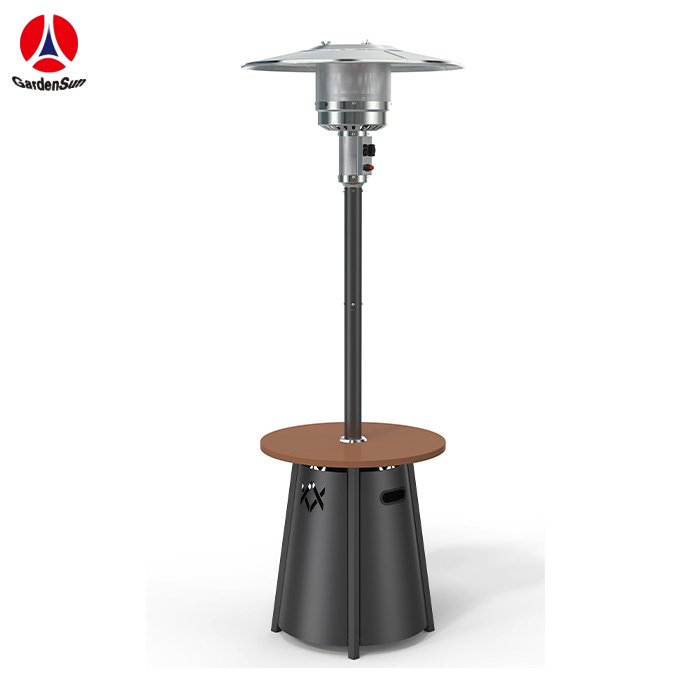
Propane patio heater models offer mobility and installation flexibility that appeals to many commercial operators, though fuel costs and refilling logistics require careful evaluation. Propane burns cleanly and provides instant heat adjustment, making it ideal for businesses that need to relocate heating equipment seasonally or modify outdoor layouts frequently. Standard 20-pound propane tanks typically provide 8-10 hours of operation at maximum heat output, though larger commercial cylinders extend runtime significantly.
Natural gas patio heater installations deliver lower operational costs and eliminate tank replacement concerns, making them preferred choices for permanent outdoor dining areas and fixed entertainment spaces. Natural gas connections require professional installation and local utility coordination, but the convenience of continuous fuel supply often justifies the initial infrastructure investment. Operating costs typically run 50-60% lower than propane equivalents over extended usage periods.
Fuel availability and regional pricing variations significantly influence the long-term cost-effectiveness of different patio heater fuel options. Urban areas typically offer competitive natural gas rates and reliable supply, while rural locations might face limited gas service availability that makes propane the only viable option. Businesses should analyze local fuel costs over projected usage patterns to determine the most economical choice for their specific situation.
Electric Heating Solutions for Commercial Environments
Electric patio heater technology has advanced considerably, offering commercial establishments clean operation and precise temperature control capabilities. Modern infrared electric models provide instant heat without warm-up periods and operate silently, creating more pleasant dining atmospheres compared to gas-powered alternatives. However, electric units typically require dedicated electrical circuits and may face limitations in extremely large open spaces where gas models excel.
Installation costs for electric patio heater systems vary based on existing electrical infrastructure and local code requirements. Many commercial buildings require electrical upgrades to support multiple high-wattage heating units, particularly when installing ceiling-mounted or wall-mounted configurations. Despite higher initial setup costs, electric models often provide lower maintenance requirements and more consistent heating output over time.
Environmental regulations and sustainability initiatives increasingly favor electric heating solutions in commercial applications. Many municipalities offer incentives for businesses adopting clean energy heating technologies, and electric patio heater operation produces zero on-site emissions. For establishments pursuing green certification or operating under strict air quality regulations, electric heating represents the most compliant solution available.
Strategic Placement and Coverage Optimization
Determining Optimal Heater Spacing and Layout
Effective patio heater placement requires systematic analysis of traffic patterns, seating arrangements, and natural wind barriers within your commercial space. Professional installers typically recommend 12-15 foot spacing between standard commercial patio heater units to ensure overlapping coverage zones without creating uncomfortably hot spots. This spacing formula must be adjusted based on unit capacity, mounting height, and specific environmental conditions affecting your location.
Table and seating arrangements significantly influence optimal patio heater positioning strategies in commercial dining environments. Umbrella-style heaters work well for clustered seating areas, while linear arrangements may benefit from strategic tower placement or overhead heating systems. The goal involves creating consistent comfort zones that accommodate maximum guest capacity while maintaining efficient energy utilization throughout operating hours.
Safety clearances and local fire codes establish minimum distances between patio heater units and combustible materials, overhead structures, and pedestrian walkways. Most jurisdictions require 24-36 inch clearances from walls, awnings, and umbrellas, which affects placement options in space-constrained commercial environments. Understanding these requirements early in the planning process prevents costly repositioning after installation completion.
Maximizing Heat Distribution Efficiency
Heat deflectors and reflective surfaces can significantly improve patio heater efficiency by redirecting radiant energy toward occupied areas rather than allowing it to dissipate skyward. Commercial installations often incorporate strategically placed reflective panels or overhead canopies that capture and redirect heat downward, increasing effective coverage area by 20-30% compared to unassisted operation.
Wind management systems enhance patio heater performance through strategic placement of barriers, screens, or landscaping features that reduce heat loss from air circulation. Temporary windbreaks during peak weather conditions can maintain comfort levels while reducing fuel consumption, making them valuable additions to commercial outdoor heating strategies. These solutions require careful design to maintain aesthetic appeal while providing functional protection.
Zoning strategies allow large commercial spaces to implement targeted heating based on actual occupancy patterns rather than maintaining uniform temperature throughout entire outdoor areas. Smart patio heater controls enable operators to activate specific zones during busy periods while reducing energy consumption in unused sections. This approach optimizes both customer comfort and operational efficiency across varying business levels.
Cost Analysis and Return on Investment Considerations
Initial Investment Versus Long-Term Operational Costs
Commercial patio heater selection requires comprehensive cost analysis that extends beyond initial purchase prices to include installation, maintenance, and ongoing fuel expenses. High-quality commercial units typically cost $800-$2,500 per unit, depending on capacity and features, while installation costs vary from $200-$1,000 per unit based on complexity and local labor rates. These upfront investments must be weighed against projected revenue increases from extended outdoor seating seasons.
Fuel consumption rates directly impact operational profitability, making efficiency ratings critical factors in commercial patio heater selection decisions. A typical commercial propane unit consumes 1.5-2.0 pounds of fuel per hour at maximum output, translating to $3-$6 hourly operating costs depending on local propane pricing. Natural gas alternatives typically operate at 60-70% lower fuel costs, though installation requirements may offset savings in certain applications.
Maintenance schedules and replacement part availability affect long-term ownership costs for commercial heating equipment. Quality patio heater manufacturers provide comprehensive warranty coverage and readily available service parts, reducing downtime risks during peak operating seasons. Extended warranties and service contracts may justify higher initial investments through reduced maintenance expenses and guaranteed equipment availability.
Revenue Impact and Customer Satisfaction Benefits
Effective outdoor heating extends profitable operating seasons for restaurants, bars, and entertainment venues, often increasing annual revenue by 15-25% through expanded capacity and longer service hours. Customer surveys consistently show that comfortable outdoor temperatures directly correlate with longer visit durations and higher per-customer spending, particularly during transitional seasons when weather conditions vary significantly.
Investment payback periods for commercial patio heater installations typically range from 8-18 months, depending on local climate conditions, business type, and pricing strategies. Establishments in moderate climates with year-round outdoor operations often achieve faster payback through consistent utilization, while seasonal businesses may require longer periods to realize full investment returns through concentrated usage during peak weather months.
Customer retention rates improve significantly when businesses provide consistent outdoor comfort through professional heating installations. Regular customers develop preferences for establishments that maintain comfortable outdoor environments, leading to increased repeat business and positive word-of-mouth recommendations that drive new customer acquisition without additional marketing expenses.
Installation Requirements and Safety Compliance
Professional Installation Standards and Code Compliance
Commercial patio heater installations must comply with local building codes, fire safety regulations, and insurance requirements that often exceed residential standards. Professional installation ensures proper gas connections, electrical circuits, and safety clearances that prevent accidents and liability issues. Many jurisdictions require licensed contractors for gas line connections and electrical work, making professional installation mandatory rather than optional for commercial applications.
Permit requirements vary by location and installation type, with permanent natural gas connections typically requiring more extensive approval processes than portable propane units. Understanding local regulations early in the planning process prevents delays and ensures installations meet all applicable safety standards. Fire departments and building inspectors often require specific documentation and testing procedures before approving commercial heating installations.
Insurance coverage requirements may specify particular patio heater types, installation methods, or safety features to maintain policy validity. Commercial liability policies often include specific clauses regarding outdoor heating equipment that affect coverage levels and premium rates. Consulting with insurance providers during the selection process ensures chosen equipment meets policy requirements while maintaining adequate protection levels.
Ongoing Maintenance and Safety Protocols
Regular maintenance schedules are essential for commercial patio heater safety and performance optimization. Monthly inspections should include burner cleaning, gas connection checks, and safety feature testing to prevent malfunctions during peak usage periods. Professional service contracts often provide comprehensive maintenance programs that ensure equipment operates safely while maintaining warranty coverage throughout the service life.
Staff training programs help ensure safe operation and basic troubleshooting capabilities for commercial patio heater systems. Employees should understand proper startup and shutdown procedures, basic safety checks, and emergency protocols for gas leaks or equipment malfunctions. Documented training records demonstrate compliance with safety regulations and reduce liability risks associated with improper equipment operation.
Emergency response procedures should address potential patio heater malfunctions, gas leaks, or weather-related safety concerns. Written protocols help staff respond appropriately to various emergency scenarios while protecting customers and property. Regular safety drills and equipment inspections reinforce proper procedures and identify potential issues before they create dangerous situations.
FAQ
What size patio heater do I need for a 2,000 square foot commercial patio?
For a 2,000 square foot commercial patio, you'll need approximately 40,000-50,000 total BTU output, which typically requires 2-3 commercial-grade patio heaters producing 20,000-25,000 BTUs each. However, wind exposure, ceiling height, and desired temperature levels may require additional capacity. Consider consulting with a heating professional to account for your specific environmental conditions and ensure adequate coverage.
How much does it cost to operate a commercial patio heater per hour?
Operating costs vary significantly by fuel type and local pricing. Propane patio heaters typically cost $3-$6 per hour at full output, depending on local propane prices. Natural gas units generally operate 50-60% cheaper, averaging $1.50-$3.00 per hour. Electric models cost varies by local electricity rates but typically range from $2-$4 per hour for comparable heat output.
Can I use residential patio heaters in commercial applications?
Residential patio heaters are not recommended for commercial use due to durability, safety, and regulatory concerns. Commercial units feature heavier construction, enhanced safety features, and higher heat output designed for extended operation and heavy usage. Most commercial insurance policies and local fire codes specifically require commercial-grade equipment for business applications to ensure adequate safety and performance standards.
What maintenance is required for commercial patio heaters?
Commercial patio heaters require monthly inspections including burner cleaning, gas connection checks, and safety feature testing. Annual professional servicing should include complete disassembly, thorough cleaning, and replacement of wear components. Daily operational checks should verify proper ignition, flame characteristics, and safety shutoff functions. Maintaining detailed service records ensures warranty compliance and demonstrates safety due diligence for insurance and regulatory purposes.