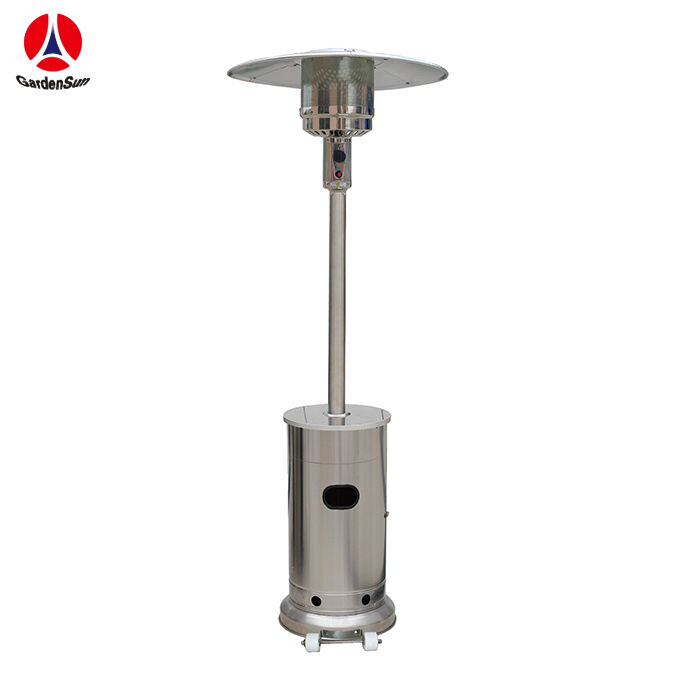
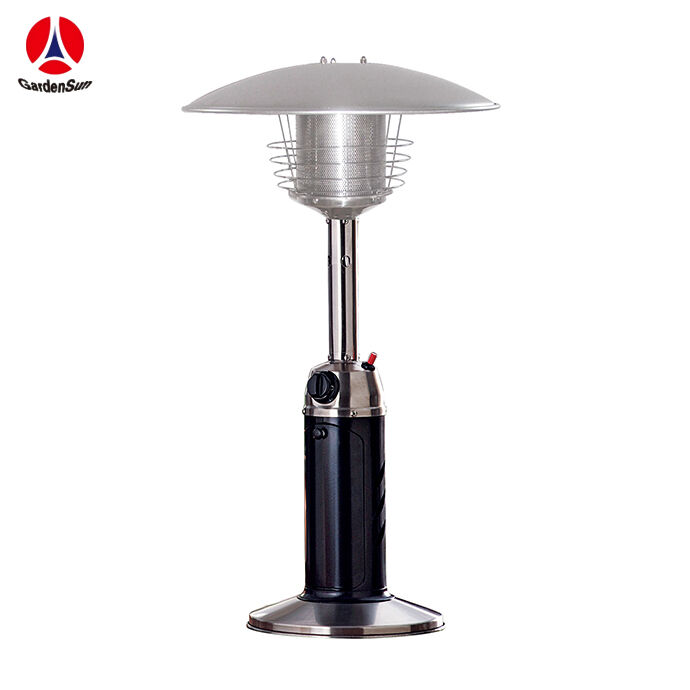
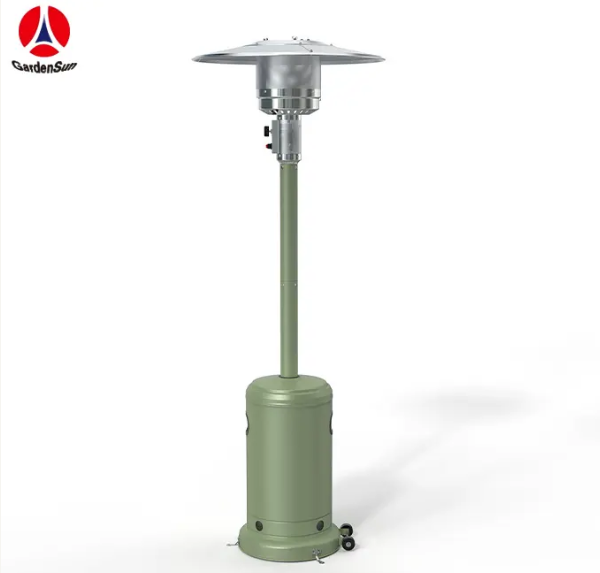
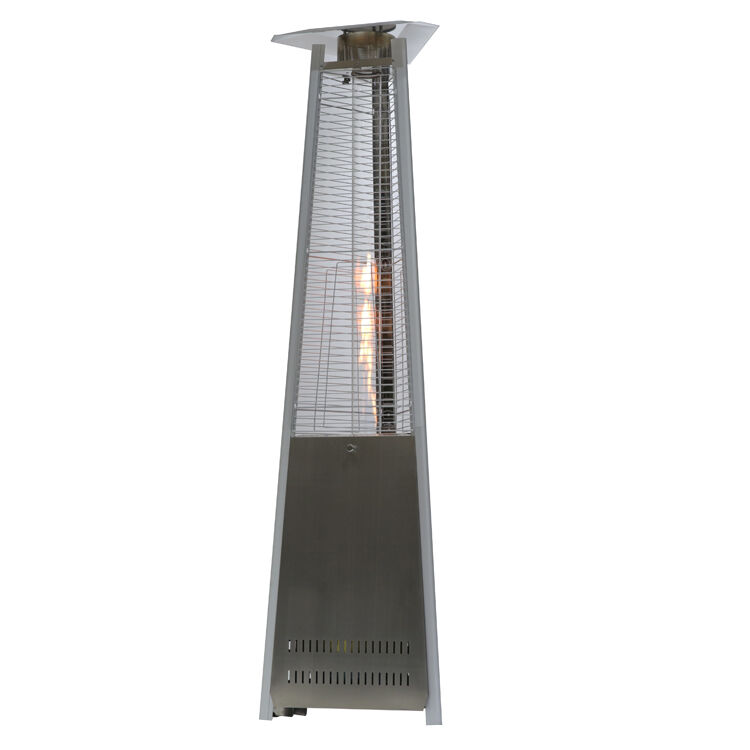
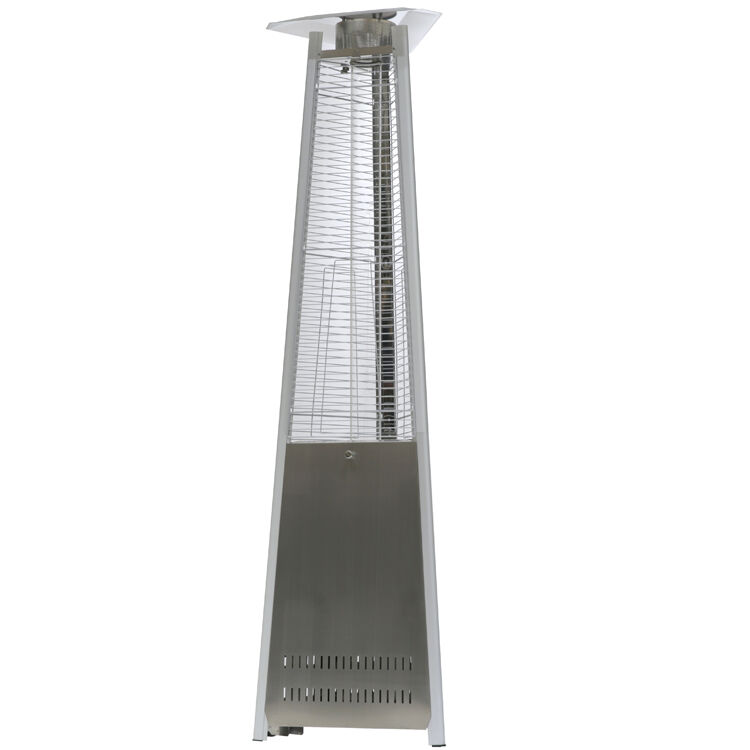
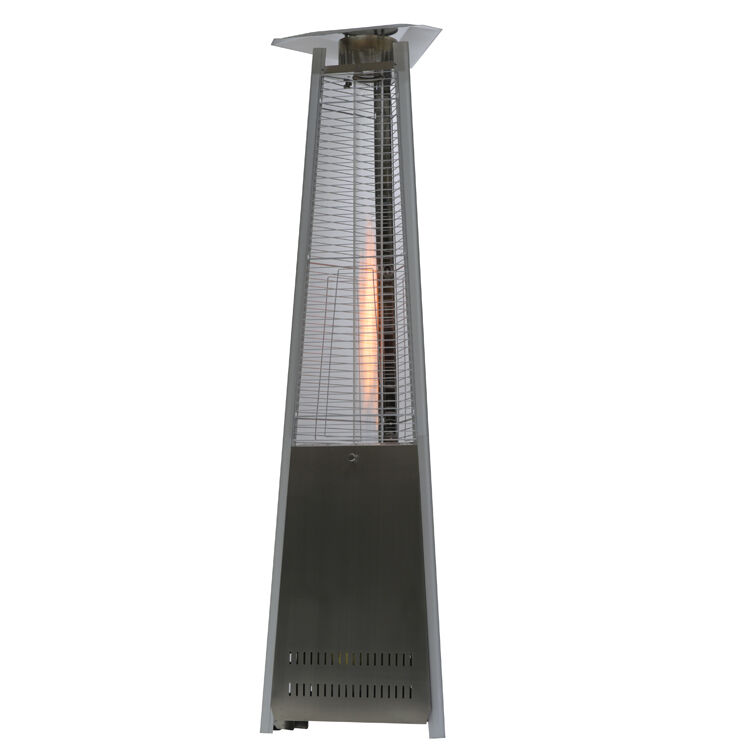
best natural gas patio heater
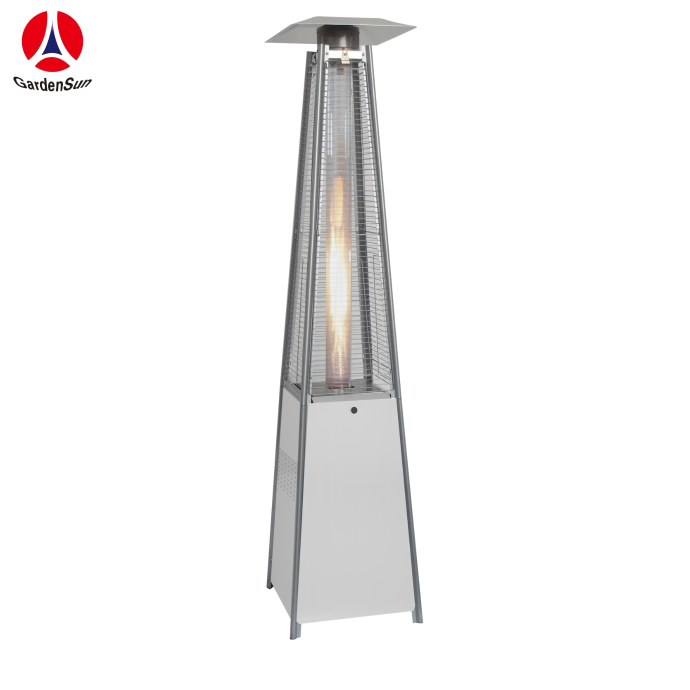
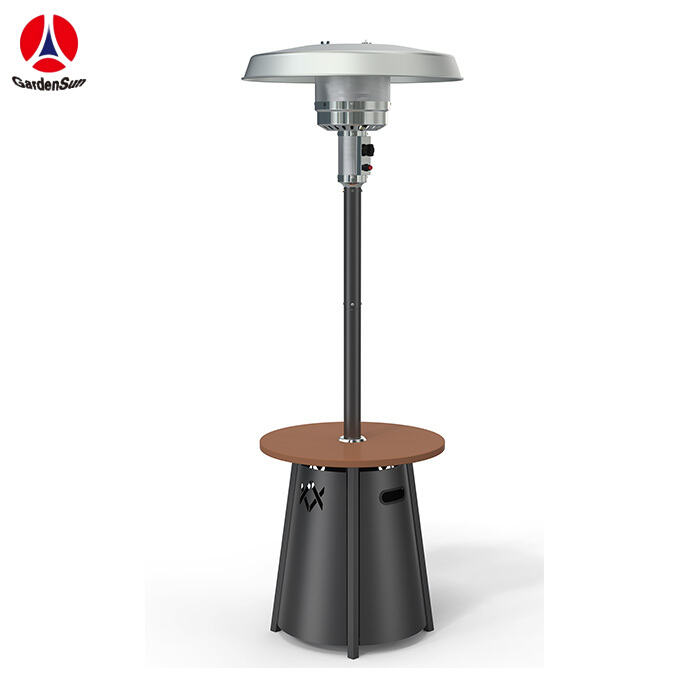
The best natural gas patio heater represents a revolutionary approach to outdoor heating, combining efficiency, convenience, and environmental responsibility in one exceptional device. These sophisticated heating systems utilize direct natural gas connections to deliver consistent, powerful warmth that transforms any outdoor space into a comfortable year-round entertainment area. Unlike propane alternatives, the best natural gas patio heater eliminates the inconvenience of tank replacements and provides unlimited heating duration through permanent gas line connections. Modern natural gas patio heaters feature advanced infrared heating technology that radiates warmth directly to people and objects rather than simply heating air, ensuring maximum efficiency and comfort. The technological sophistication includes precision gas control valves, automatic ignition systems, and sophisticated safety mechanisms including tip-over protection and oxygen depletion sensors. These heaters typically generate between 40,000 to 50,000 BTUs of heating power, effectively warming areas spanning 15 to 20 feet in diameter. The best natural gas patio heater incorporates weather-resistant construction using premium stainless steel and powder-coated aluminum components designed to withstand harsh outdoor conditions. Applications extend beyond residential patios to include commercial restaurants, hotel terraces, event venues, and hospitality establishments seeking reliable outdoor heating solutions. The convenience factor cannot be overstated, as users simply activate heating with push-button ignition without worrying about fuel availability or storage concerns. Energy efficiency ratings often exceed traditional heating methods, making natural gas patio heaters economically advantageous for extended outdoor seasons. Installation flexibility allows both permanent mounting and portable configurations depending on specific requirements and local building codes. The best natural gas patio heater provides consistent heat distribution through engineered reflector systems that maximize radiant heating coverage while minimizing heat loss to surrounding air currents.

 EN
EN