outdoor gas patio heater
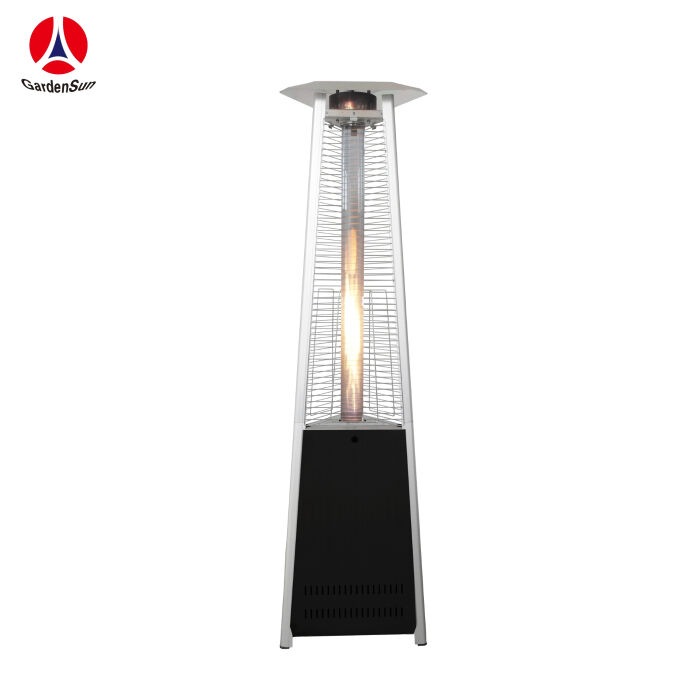
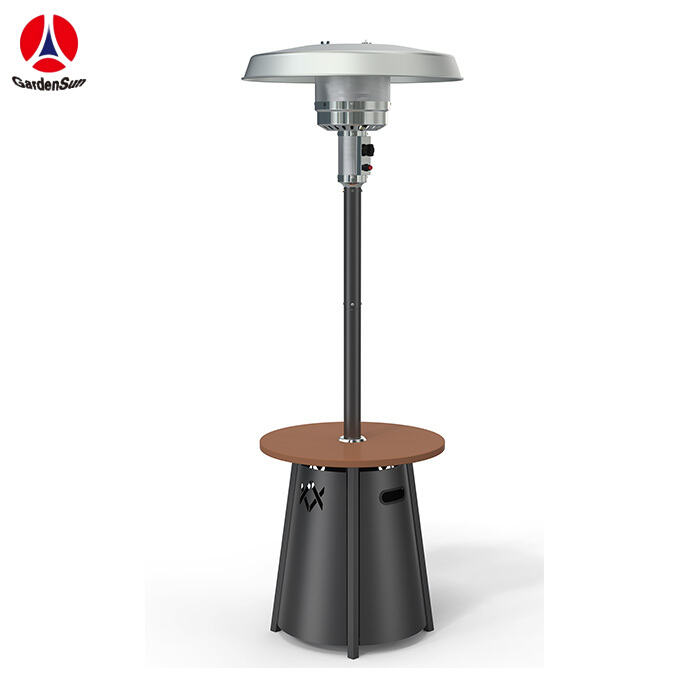
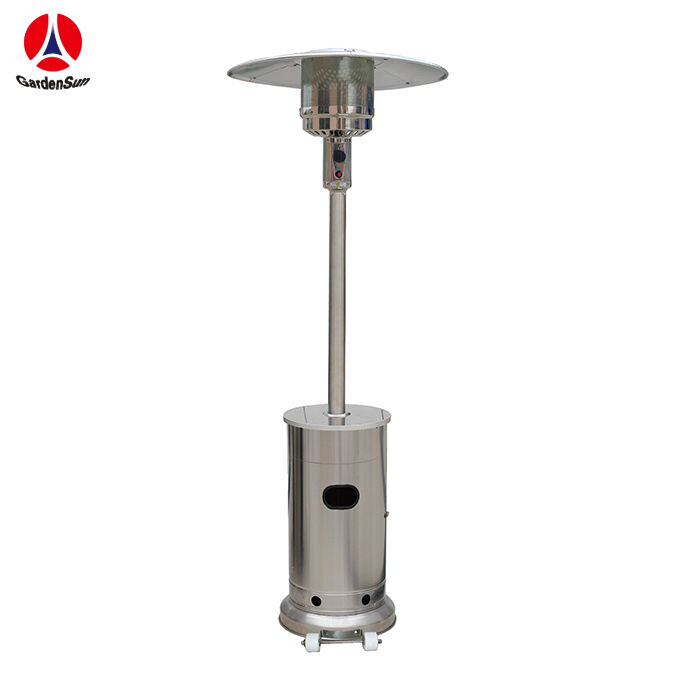
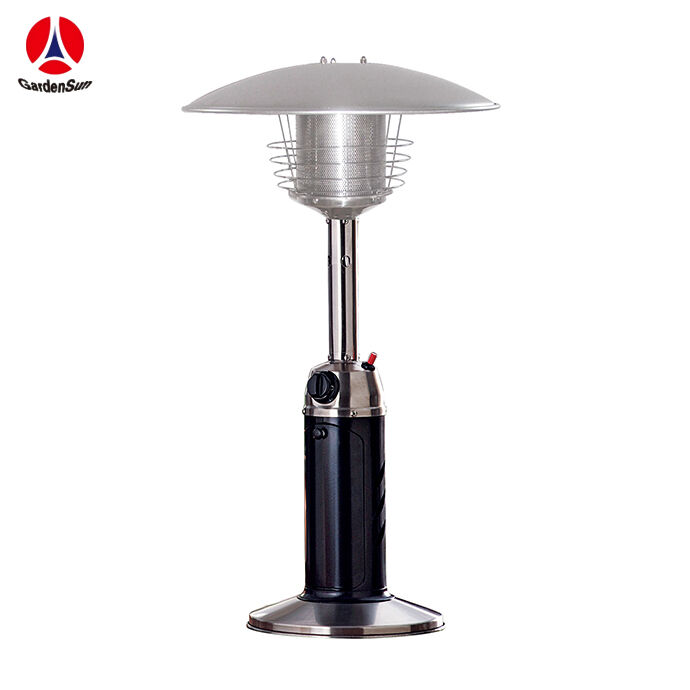
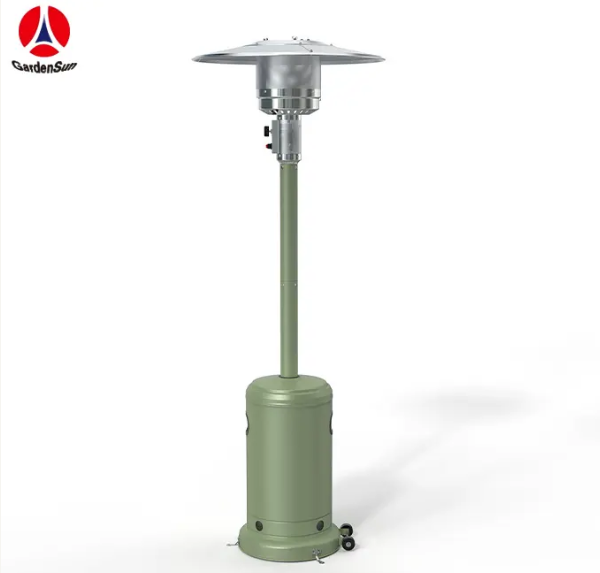
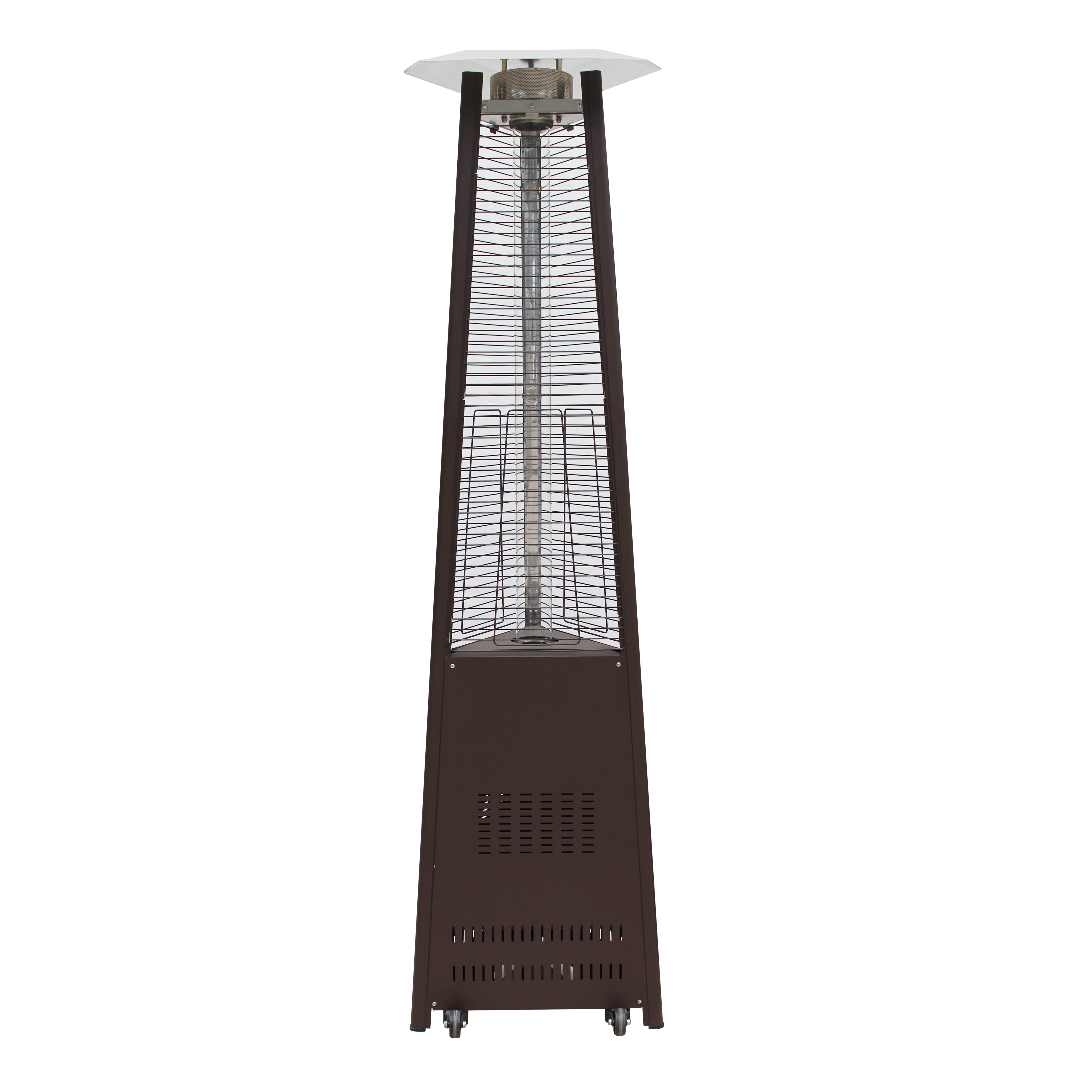
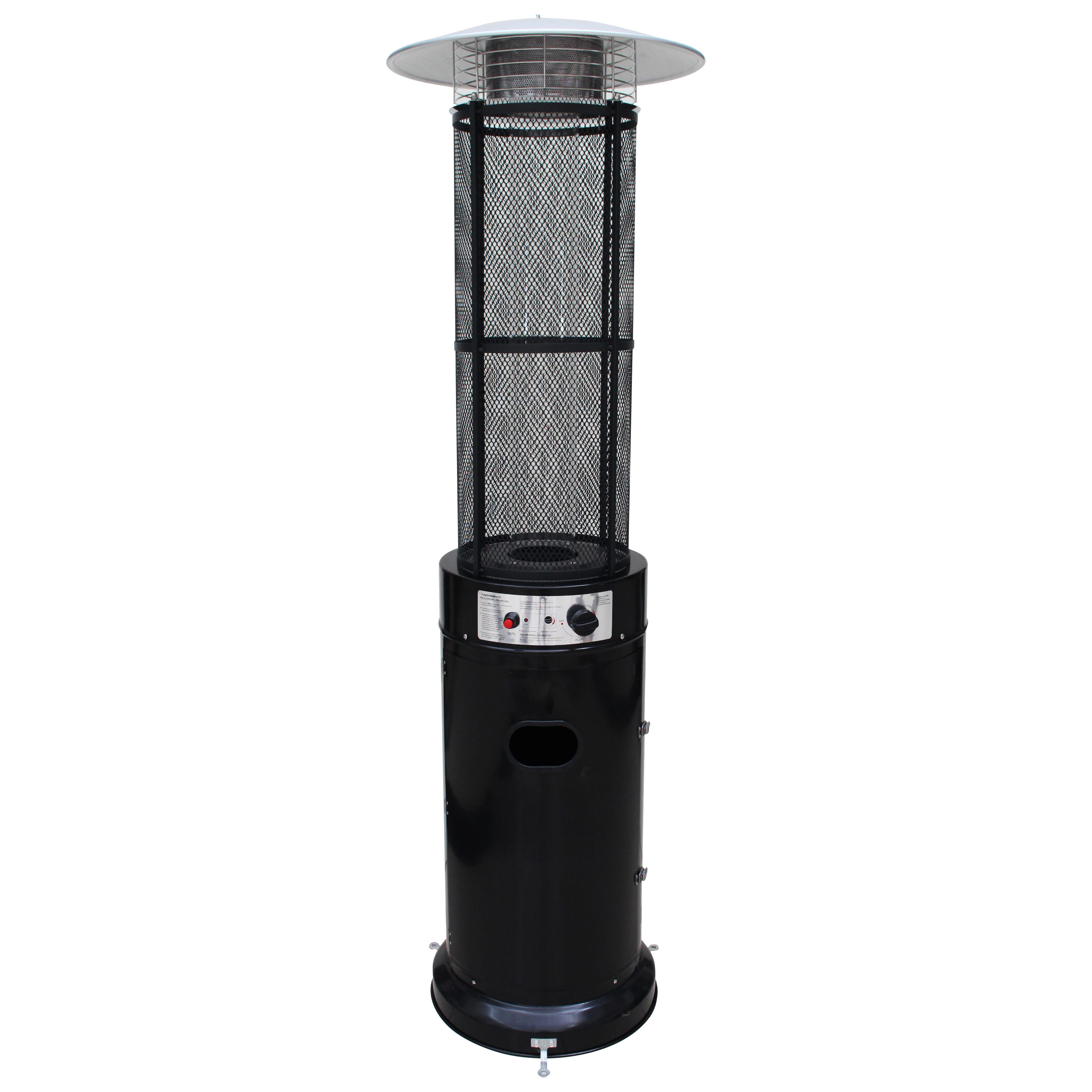
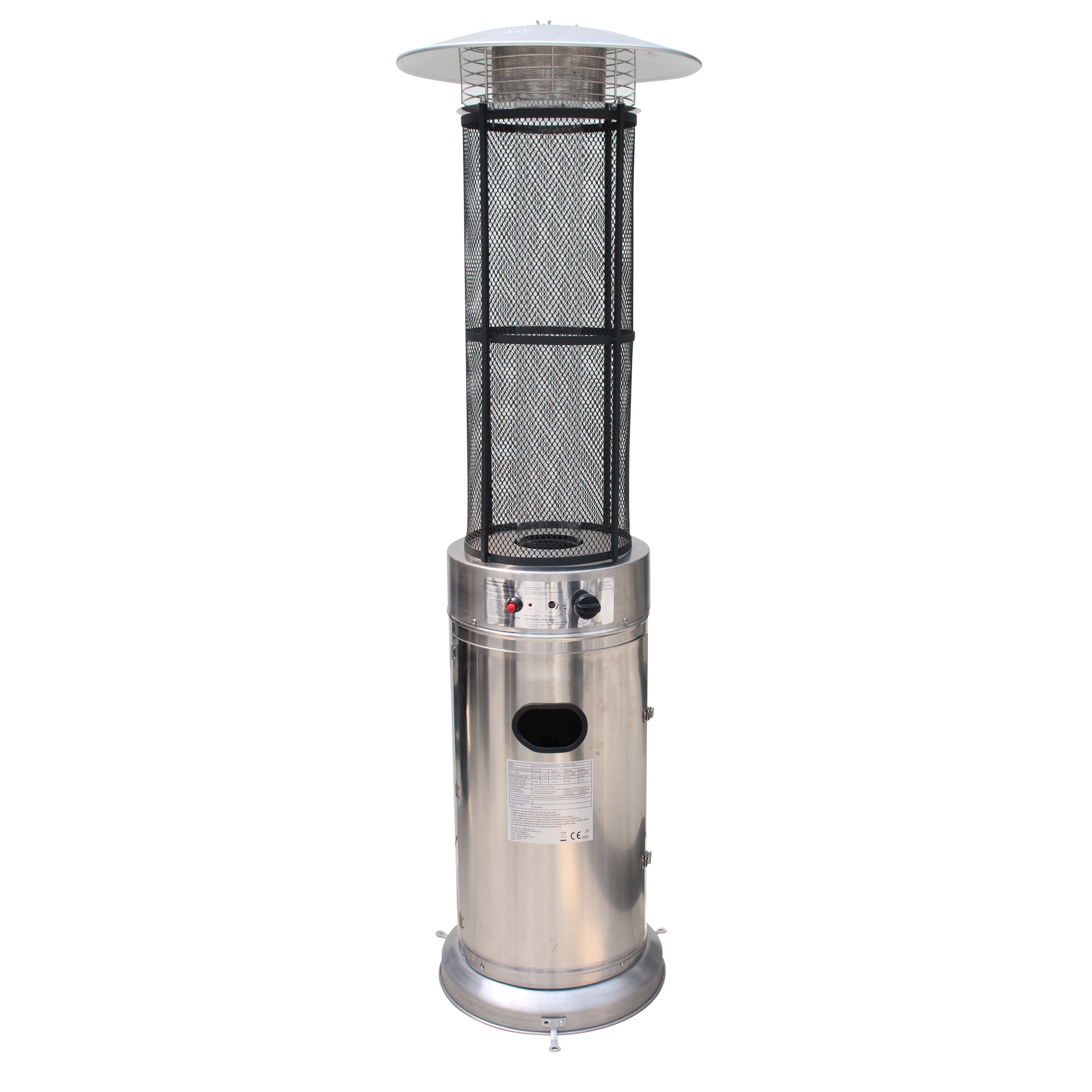
An outdoor gas patio heater represents a sophisticated heating solution designed to extend outdoor entertainment seasons and create comfortable gathering spaces in gardens, terraces, and commercial venues. This innovative heating appliance utilizes propane or natural gas as fuel sources to generate substantial radiant heat output, typically ranging from 40,000 to 48,000 BTUs, capable of warming areas up to 18 feet in diameter. The outdoor gas patio heater features a distinctive mushroom-shaped design with a reflective dome that efficiently distributes heat downward in a 360-degree pattern, ensuring even temperature distribution across the coverage zone. Modern units incorporate advanced safety mechanisms including automatic shut-off valves, tip-over protection switches, and flame failure devices that immediately halt gas flow if the pilot light extinguishes unexpectedly. The construction typically employs weather-resistant materials such as powder-coated steel, stainless steel, or aluminum components that withstand harsh outdoor conditions including rain, wind, and temperature fluctuations. Height adjustment features allow users to customize heat distribution levels, while wheeled bases provide mobility for repositioning units as needed. Professional-grade models often include electronic ignition systems that eliminate the need for matches or lighters, featuring push-button startup mechanisms for user convenience. The outdoor gas patio heater serves diverse applications including residential backyard gatherings, restaurant patios, hotel terraces, event venues, and commercial outdoor dining establishments. Installation requirements remain minimal, requiring only a stable, level surface and adequate ventilation clearance. Fuel efficiency ratings vary by model, with premium units achieving extended operation times per propane tank refill. The heating coverage extends vertically up to 8 feet, making these units suitable for standing guests and outdoor dining configurations. Maintenance procedures involve regular cleaning of burner assemblies, inspection of gas connections, and seasonal storage protocols to maximize equipment longevity and performance reliability throughout multiple heating seasons.

 EN
EN