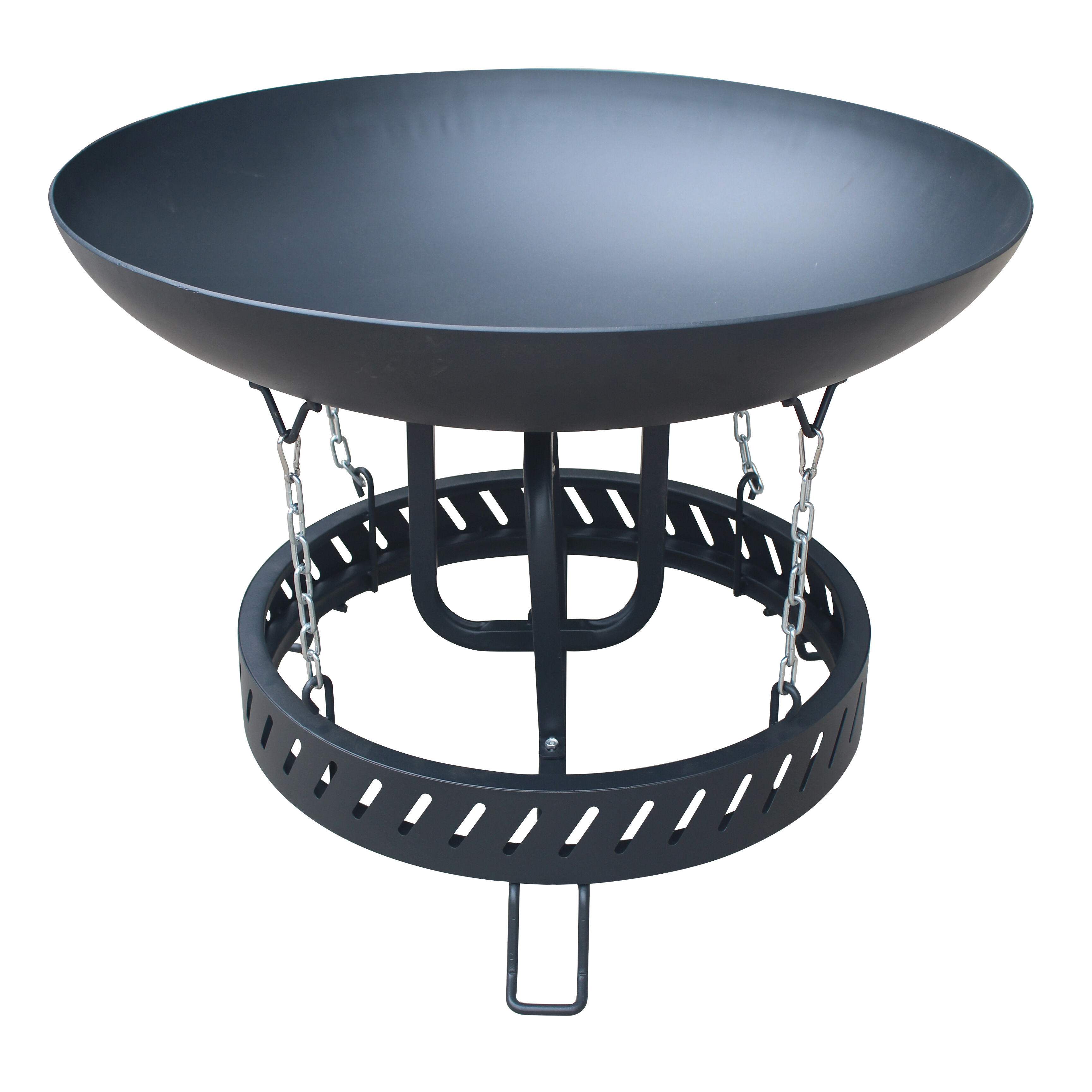
Complete Guide to Building a Smokeless Fire Pit: Advanced Technology, Superior Efficiency, and Eco-Friendly Design

Get a Free Quote

Our representative will contact you soon.
Email
Name
Company Name
Message
0/1000

building a smokeless fire pit

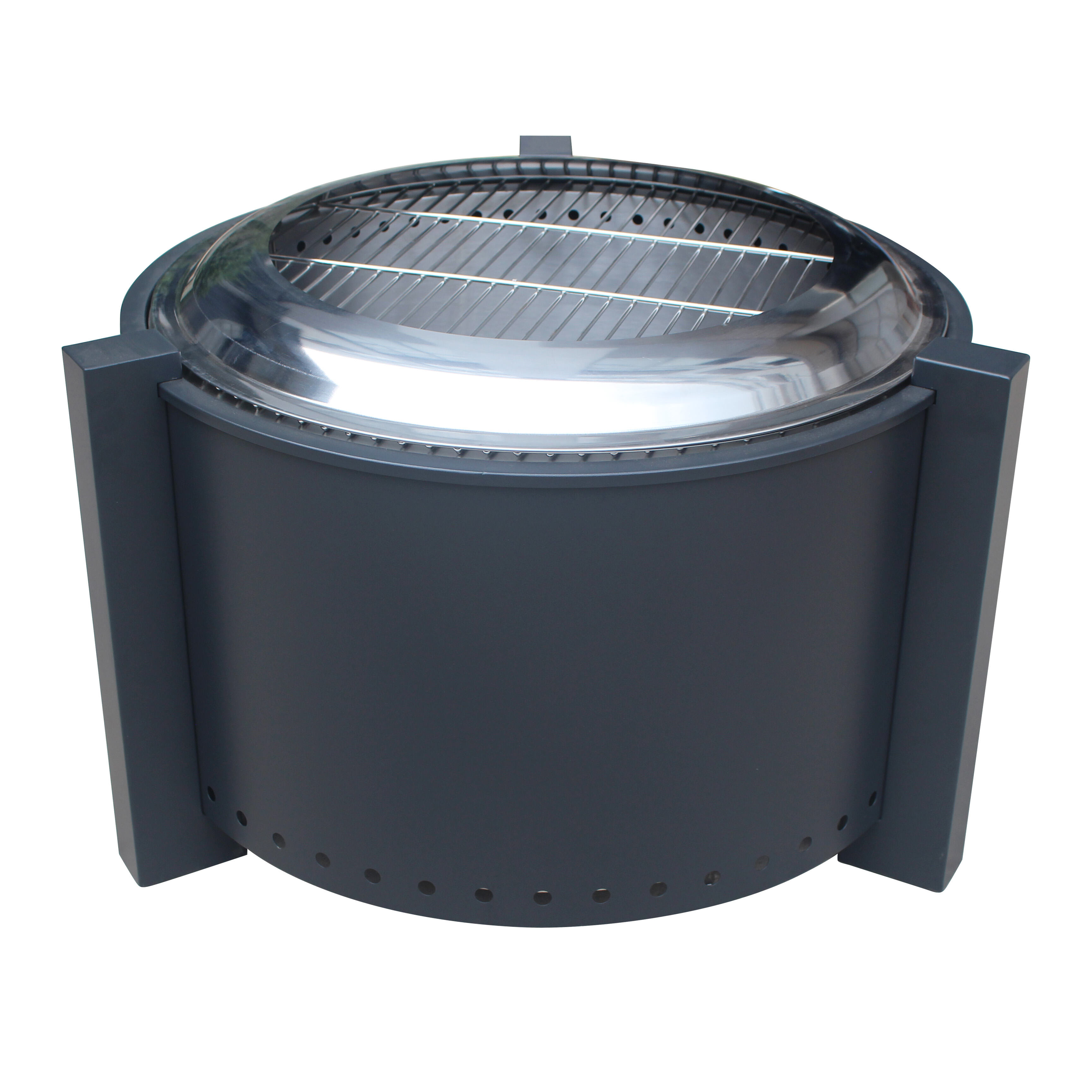
Building a smokeless fire pit represents a revolutionary advancement in outdoor heating technology that transforms traditional fire experiences into cleaner, more efficient gatherings. A smokeless fire pit utilizes innovative secondary combustion technology to dramatically reduce smoke production while maximizing heat output and flame visibility. The core principle behind building a smokeless fire pit involves creating a double-wall design that preheats incoming air and introduces it at precise locations to achieve complete fuel combustion. This technological approach ensures that wood burns at optimal temperatures, consuming particles that would typically create smoke in conventional fire pits. The main functions of building a smokeless fire pit extend beyond simple warmth generation to include ambient lighting, cooking capabilities, and social gathering facilitation without the irritation of excessive smoke. The technological features incorporate strategically placed air intake holes, insulated walls that retain heat while protecting surfaces, and carefully engineered airflow patterns that promote efficient burning. These fire pits utilize natural draft principles combined with modern engineering to create an oxygen-rich environment where wood combusts completely. Applications for building a smokeless fire pit span residential backyards, camping adventures, commercial hospitality venues, and urban outdoor spaces where smoke control regulations exist. The versatility makes these fire pits suitable for intimate gatherings, large outdoor events, cooking applications, and year-round outdoor comfort. Building a smokeless fire pit requires understanding proper ventilation principles, material selection for durability and heat resistance, and construction techniques that ensure safety and performance. The result delivers consistent heat output, minimal maintenance requirements, and enhanced user experience through reduced smoke irritation and improved flame visibility for all participants around the fire.


New Product Releases

Building a smokeless fire pit delivers numerous practical benefits that enhance outdoor experiences while addressing common problems associated with traditional fire pits. The primary advantage lies in dramatically reduced smoke production, which eliminates the constant need to relocate seating positions to avoid irritating smoke clouds that typically plague conventional fires. This smoke reduction creates a more comfortable environment where guests can enjoy conversations without watery eyes, throat irritation, or smoke-saturated clothing that requires immediate washing after outdoor gatherings. The improved air quality around a smokeless fire pit makes outdoor entertaining more inclusive for individuals with respiratory sensitivities or allergies who previously avoided fire-based gatherings. Building a smokeless fire pit also provides superior fuel efficiency compared to traditional designs, burning wood more completely and requiring less frequent refueling throughout evening gatherings. This efficiency translates to cost savings on firewood purchases and reduces the environmental impact through more complete combustion that minimizes particulate emissions. The enhanced heat output from complete combustion means building a smokeless fire pit generates more warmth per log, extending comfortable outdoor time during cooler seasons and reducing overall fuel consumption. Maintenance advantages include reduced ash production and cleaner burning that minimizes residue buildup in the fire pit structure, simplifying cleanup procedures after use. The improved combustion process also reduces creosote formation and other harmful byproducts that can accumulate in traditional fire pits. Building a smokeless fire pit creates better cooking conditions for outdoor culinary activities, providing consistent heat without smoke interference that can negatively affect food flavor or cooking visibility. The cleaner burning characteristics make these fire pits more acceptable in urban environments with strict air quality regulations or homeowner association restrictions on outdoor fires. Property value enhancement represents another significant advantage, as building a smokeless fire pit creates an attractive outdoor amenity that appeals to potential buyers and increases overall landscape functionality. The superior performance, reduced environmental impact, and enhanced user experience make building a smokeless fire pit a worthwhile investment for anyone seeking to improve their outdoor living space while maintaining responsible environmental practices and neighbor-friendly operations.

Practical Tips

How to Select the Most Efficient Patio Heater for Large Commercial Spaces?

22

Apr

How to Select the Most Efficient Patio Heater for Large Commercial Spaces?

Selecting the most efficient patio heater for large commercial spaces requires careful consideration of multiple factors that directly impact operational costs, customer comfort, and energy consumption. The wrong choice can result in inadequate heati...
View More
Why Choose High-Performance Patio Heater with Advanced Safety Features?

22

Apr

Why Choose High-Performance Patio Heater with Advanced Safety Features?

Modern outdoor living demands reliable heating solutions that combine efficiency with uncompromising safety standards. When selecting a patio heater for your outdoor space, understanding why advanced safety features and high performance matter become...
View More
Which Gas Patio Heater Models Offer the Best Fuel Efficiency for Business?

22

Apr

Which Gas Patio Heater Models Offer the Best Fuel Efficiency for Business?

Selecting the right gas patio heater for business operations requires careful evaluation of fuel efficiency characteristics, as propane costs can significantly impact operational budgets for restaurants, hotels, and commercial outdoor venues. Modern ...
View More
What Maintenance Routine Keeps Your Gas Patio Heater Running Smoothly?

22

Apr

What Maintenance Routine Keeps Your Gas Patio Heater Running Smoothly?

Maintaining a gas patio heater requires consistent attention to detail and systematic care to ensure optimal performance throughout its operational life. A well-structured maintenance routine prevents common issues like uneven heating, gas flow probl...
View More

Get a Free Quote

Our representative will contact you soon.
Email
Name
Company Name
Message
0/1000

building a smokeless fire pit

Advanced Secondary Combustion Technology

Advanced Secondary Combustion Technology

Building a smokeless fire pit incorporates sophisticated secondary combustion technology that represents a significant leap forward from traditional fire pit designs. This innovative system works by creating a dual-chamber environment where primary combustion occurs in the main fire bowl while secondary combustion happens in the upper chamber through precisely engineered air injection points. The technology behind building a smokeless fire pit involves strategically placed air intake holes around the upper rim that draw in fresh oxygen, which then gets preheated as it travels through the double-wall construction. This preheated air enters the combustion zone at the optimal temperature and pressure to ignite the smoke particles and unburned gases that would typically escape as visible smoke in conventional fire pits. The secondary combustion process achieves temperatures exceeding 1000 degrees Fahrenheit, ensuring complete fuel consumption and minimal waste production. Building a smokeless fire pit with this advanced technology requires careful attention to air intake sizing, positioning, and flow dynamics to maintain the delicate balance necessary for optimal performance. The engineering principles behind this technology draw from industrial combustion systems, adapted for safe residential use while maintaining user-friendly operation. This secondary combustion creates the distinctive bright, clean flames that characterize smokeless fire pits, producing mesmerizing fire displays without the drawbacks of traditional designs. The technology also enables more consistent heat output throughout the burning cycle, eliminating the temperature fluctuations common in standard fire pits. Building a smokeless fire pit with proper secondary combustion technology ensures that nearly all organic compounds in the wood fuel are converted to heat and light energy rather than escaping as pollutants. This complete combustion process significantly reduces particulate matter emissions, making the fire pit more environmentally responsible and neighbor-friendly. The advanced technology requires minimal user intervention once properly constructed, operating automatically through natural draft principles that maintain optimal air-to-fuel ratios throughout the burning process.
Superior Heat Efficiency and Output

Superior Heat Efficiency and Output

Building a smokeless fire pit delivers exceptional heat efficiency that far surpasses traditional fire pit performance, providing maximum warmth output from every piece of firewood while minimizing fuel consumption and waste. The enhanced efficiency stems from the complete combustion process that converts nearly all available fuel energy into usable heat rather than allowing it to escape through smoke and unburned particles. This superior efficiency means building a smokeless fire pit generates approximately 30-50% more heat per log compared to conventional designs, extending the duration of comfortable outdoor gatherings while reducing firewood expenses. The improved heat output creates larger warming zones around the fire pit, accommodating more people in comfortable seating arrangements without requiring them to crowd close to the flames. Building a smokeless fire pit with proper design considerations ensures even heat distribution that eliminates the hot and cool spots common in traditional fire pits, creating consistent comfort levels for all participants regardless of their seating position. The enhanced efficiency also translates to longer burn times per fuel load, reducing the frequency of log additions required to maintain optimal temperatures throughout extended outdoor events. This efficiency advantage makes building a smokeless fire pit particularly valuable for camping applications where firewood availability may be limited or expensive. The superior heat output enables effective outdoor heating even in challenging weather conditions, extending the practical outdoor season and maximizing the value of outdoor living investments. Building a smokeless fire pit also provides more predictable heat output that allows for better planning of outdoor activities and cooking applications that require consistent temperature control. The efficient combustion process produces cleaner heat that doesn't carry the acrid byproducts associated with incomplete burning, creating a more pleasant warming experience without irritating odors or harmful emissions. The improved efficiency contributes to faster fire establishment and more reliable ignition, reducing the time and effort required to achieve optimal burning conditions. This heat efficiency advantage makes building a smokeless fire pit an economically sound choice for regular outdoor enthusiasts who want maximum performance from their fuel investment.
Environmentally Responsible and Neighbor-Friendly Design

Environmentally Responsible and Neighbor-Friendly Design

Building a smokeless fire pit represents a commitment to environmental responsibility while maintaining excellent neighbor relations through significantly reduced emissions and minimal environmental impact compared to traditional fire pit designs. The clean-burning characteristics eliminate the majority of particulate matter and harmful compounds that contribute to air pollution, making smokeless fire pits compliant with increasingly strict municipal air quality regulations in urban and suburban areas. This environmental advantage stems from the complete combustion process that converts wood fuel into primarily water vapor and carbon dioxide, the same natural byproducts produced by decomposing wood in forest environments. Building a smokeless fire pit helps reduce the overall environmental footprint of outdoor heating activities while still providing the social and practical benefits of traditional fires. The minimal smoke production eliminates the common neighborhood conflicts that arise from traditional fire pits, where smoke can drift into adjacent properties, affecting neighbors' ability to enjoy their outdoor spaces or keep windows open. This neighbor-friendly characteristic makes building a smokeless fire pit a socially responsible choice that promotes community harmony while preserving individual property rights to enjoy outdoor fires. The reduced emissions also mean less contribution to local air quality problems that can affect sensitive individuals, children, and elderly residents in surrounding areas. Building a smokeless fire pit supports sustainable outdoor practices by maximizing fuel utilization and minimizing waste, requiring fewer trees to be harvested for the same amount of heating benefit. The cleaner combustion process also reduces the formation of creosote and other persistent organic compounds that can accumulate in soil and water systems around traditional fire pits. This environmental responsibility extends to wildlife protection, as the reduced smoke production creates less disruption to local bird and insect populations that may be negatively affected by traditional fire emissions. Building a smokeless fire pit demonstrates environmental stewardship while maintaining the cultural and social traditions associated with outdoor fires, proving that modern technology can enhance rather than replace cherished outdoor activities. The eco-friendly design also positions property owners favorably for future environmental regulations and demonstrates forward-thinking consideration for long-term environmental impact.