Superior Energy Efficiency and Cost-Effective Operation
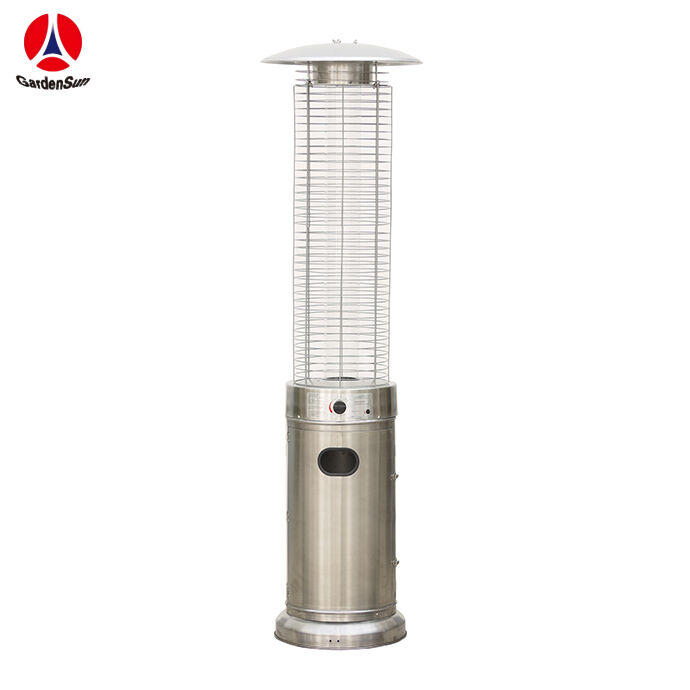
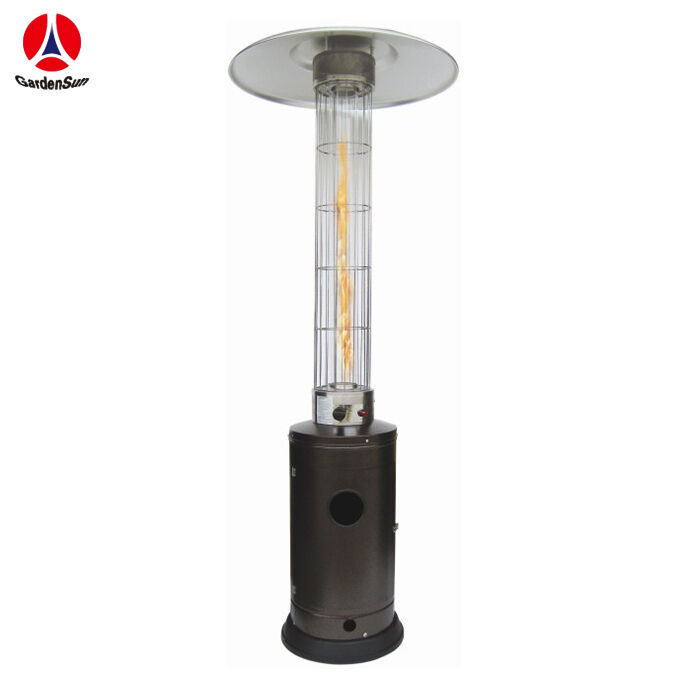
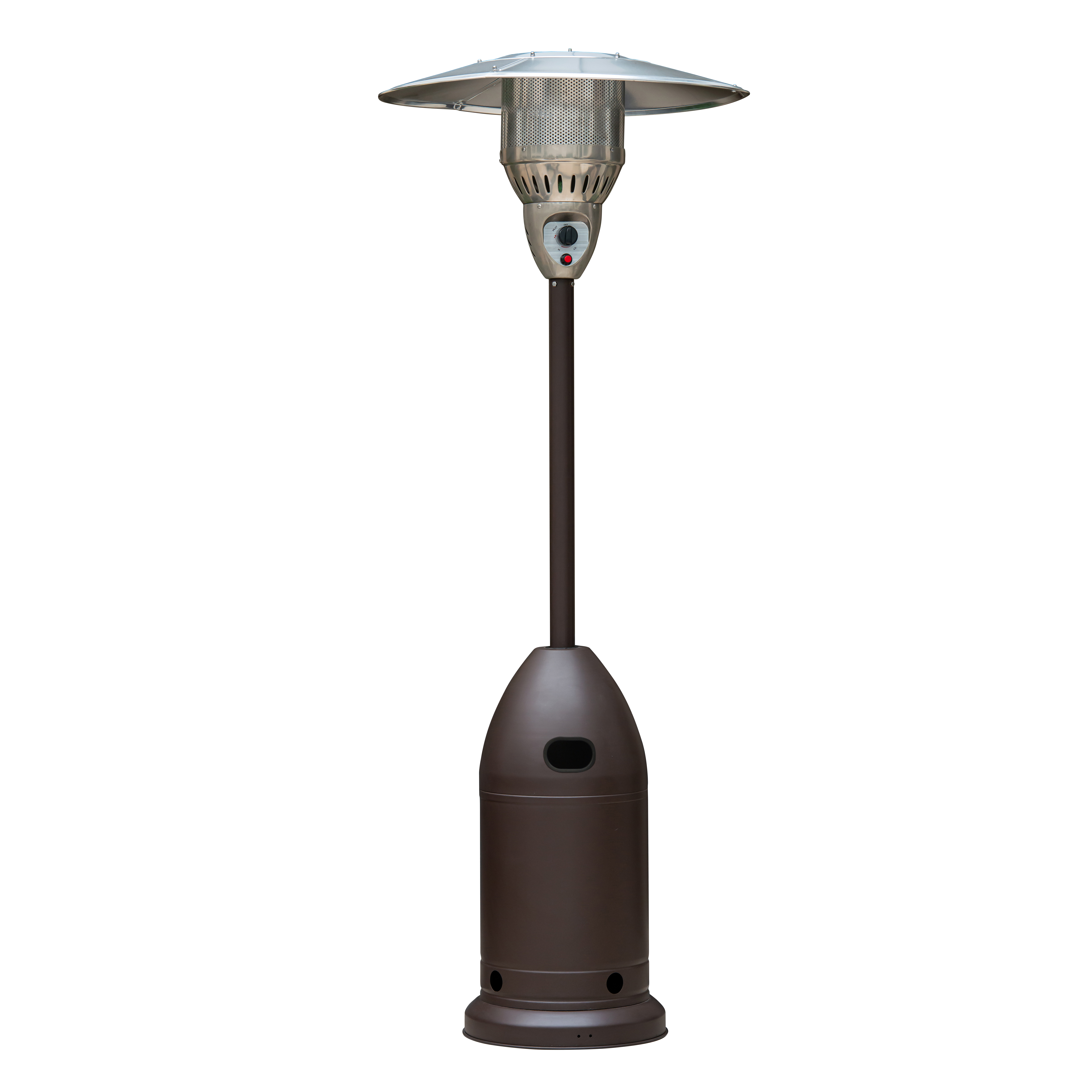
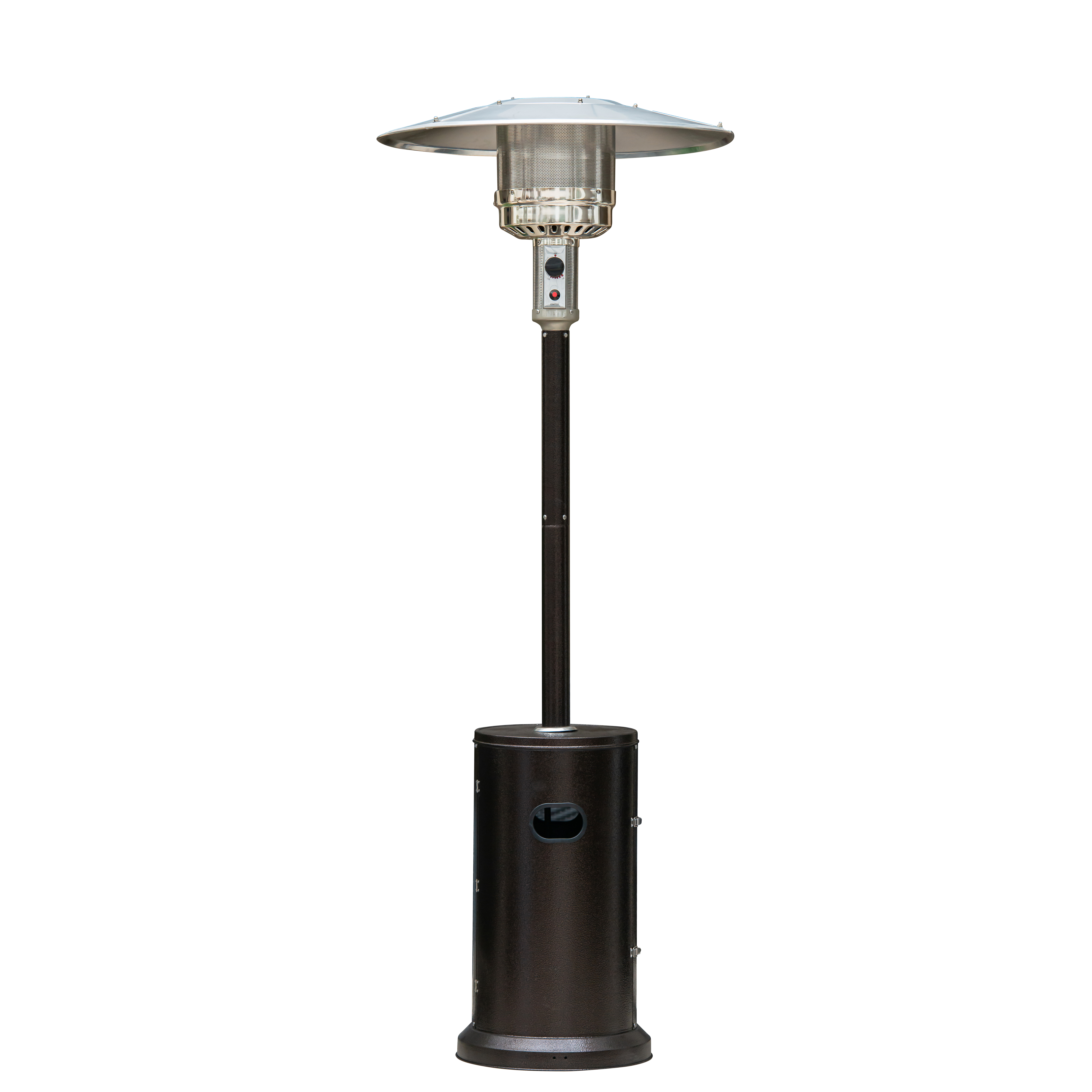
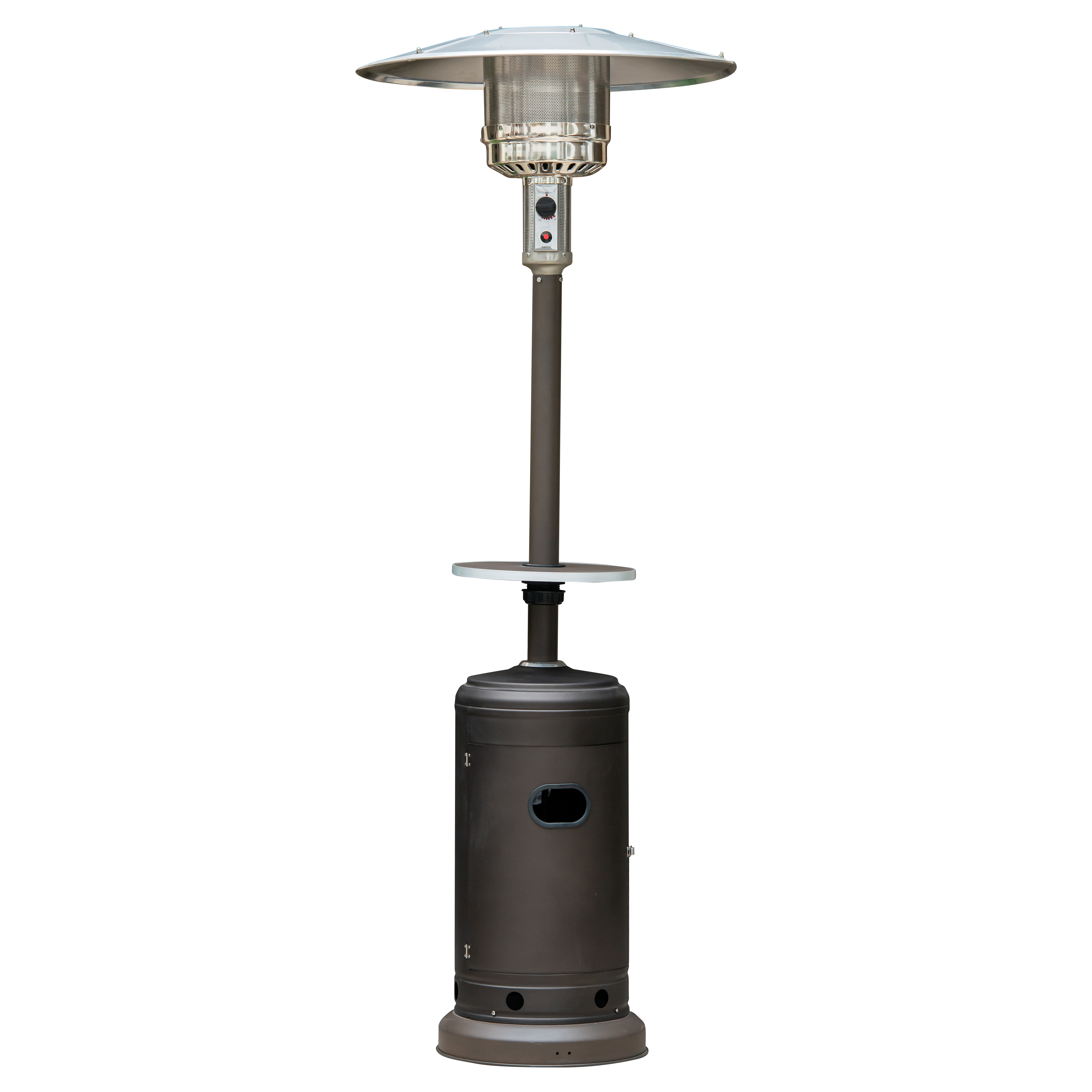
Infrared gas heaters deliver unmatched energy efficiency through their revolutionary radiant heating technology that fundamentally transforms how heating systems operate. Traditional heating methods waste substantial energy by heating air that constantly circulates and escapes through doors, windows, and ventilation systems. In contrast, infrared gas heaters achieve remarkable efficiency ratings of up to 95 percent by converting natural gas or propane directly into focused infrared radiation. This radiation travels through the air without heating it, instead transferring energy directly to people, furniture, floors, and walls within the heating zone. The result is immediate warmth that users feel upon entering the heated area, eliminating the prolonged warm-up periods associated with conventional heating systems. This direct heat transfer method proves particularly valuable in environments with high air turnover rates, such as warehouses with loading docks, outdoor dining areas, or workshops with frequent door openings. While traditional heaters continuously battle heat loss by constantly reheating escaped warm air, infrared gas heaters maintain consistent temperature levels regardless of air movement. This efficiency translates into substantial cost savings on fuel bills, with many users reporting 30 to 50 percent reductions in heating expenses compared to conventional systems. The zone heating capability allows precise temperature control in specific areas, enabling users to heat only occupied spaces rather than entire buildings. This selective approach eliminates waste associated with heating unused rooms or areas, further enhancing cost-effectiveness. Additionally, the absence of ductwork requirements reduces installation costs and eliminates energy losses typically associated with air distribution systems. Maintenance costs remain low due to the simple mechanical design with fewer moving parts, reducing service requirements and extending operational lifespan. The combination of superior fuel efficiency, reduced installation complexity, and minimal maintenance needs creates compelling long-term value propositions for both residential and commercial applications.

 EN
EN