commercial patio heaters
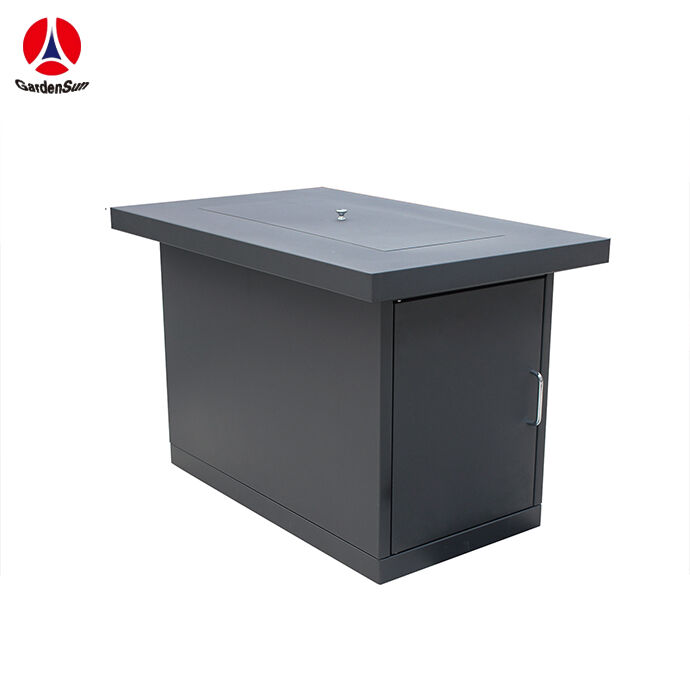
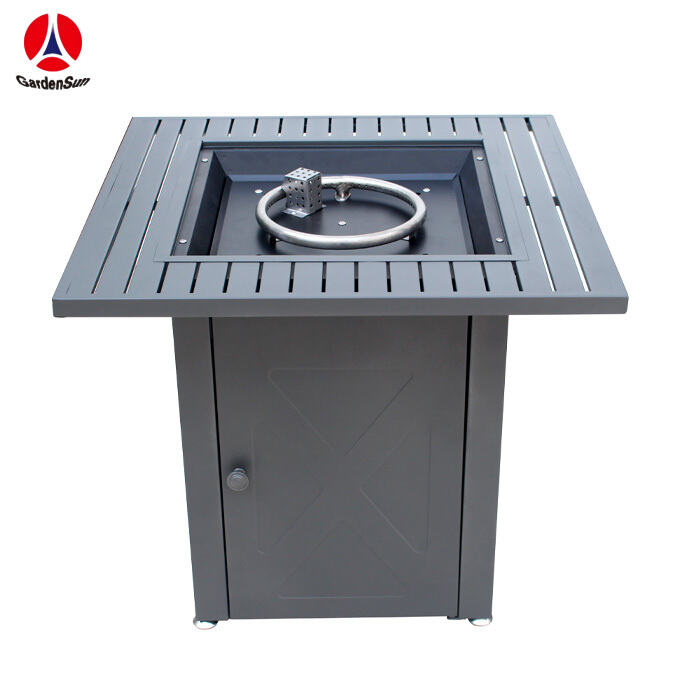
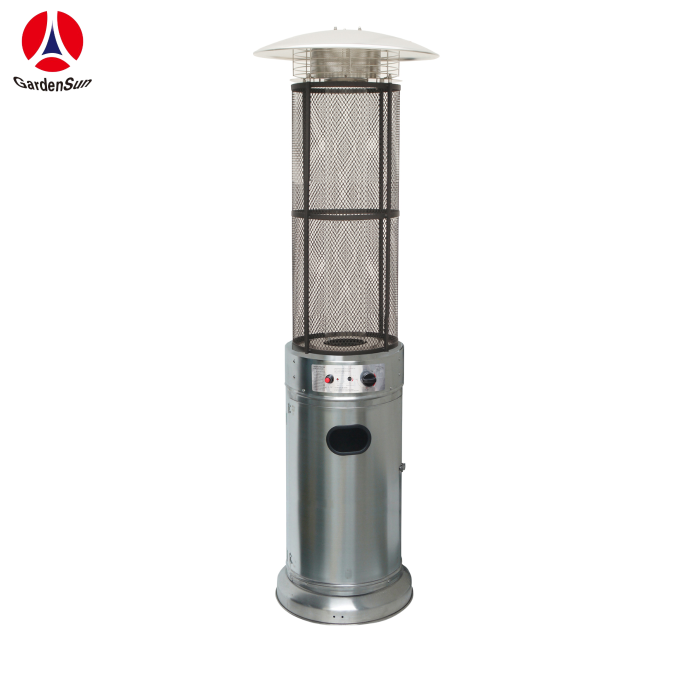
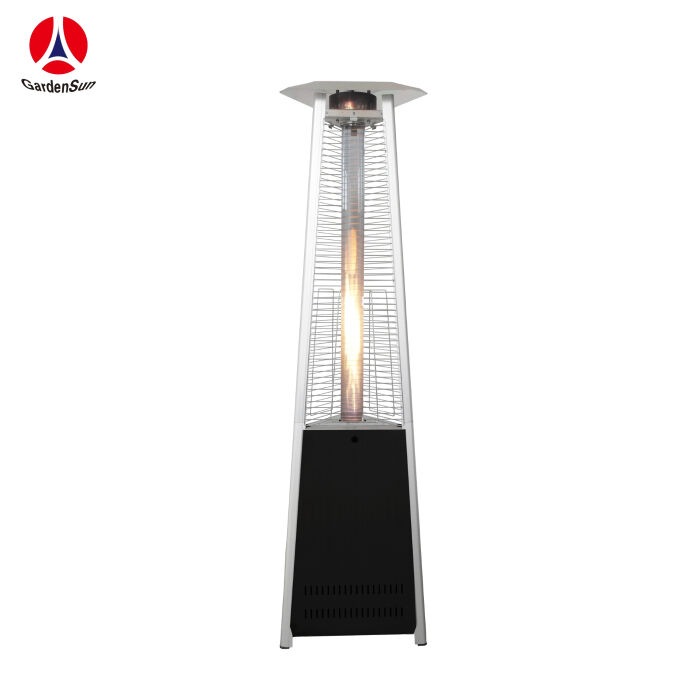
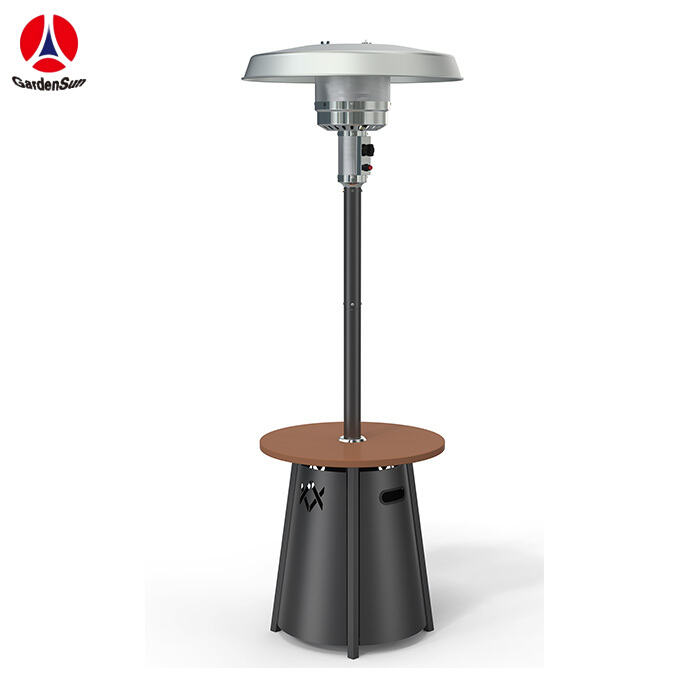
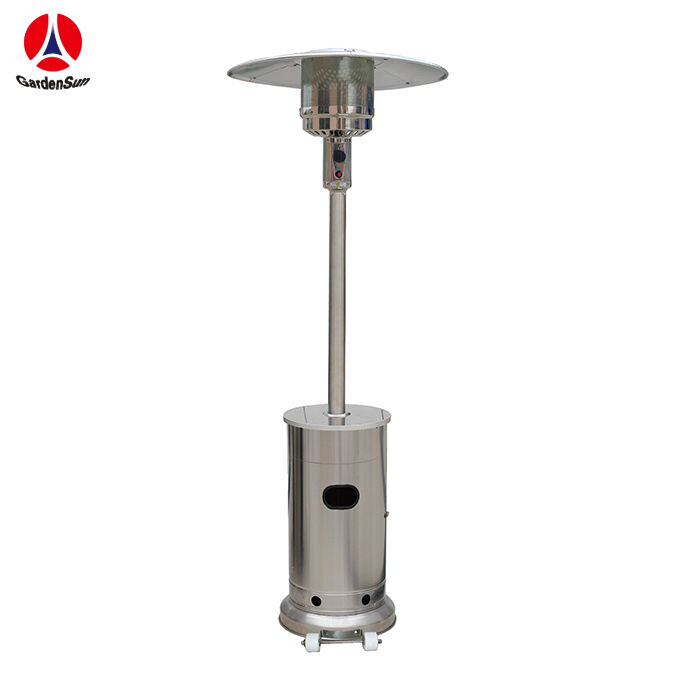
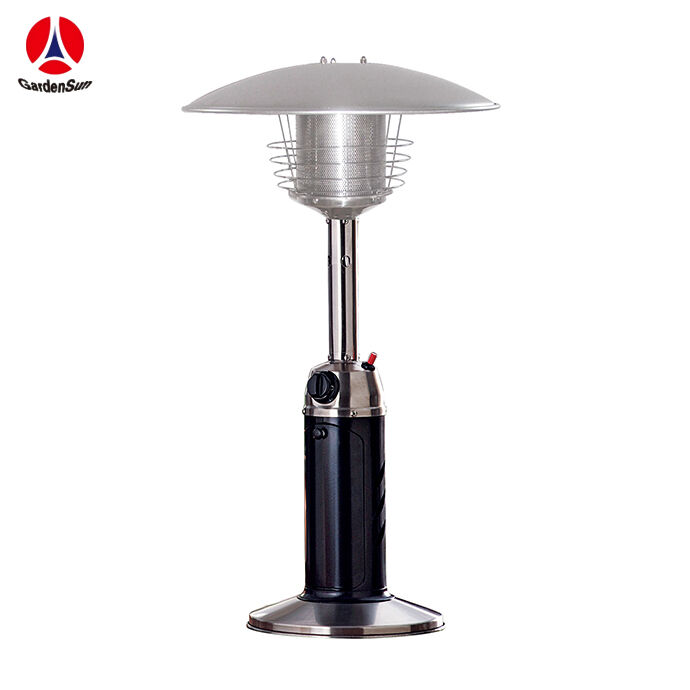
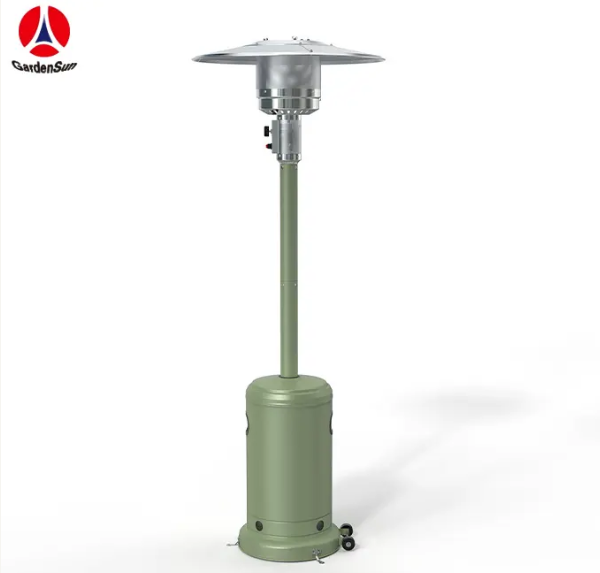
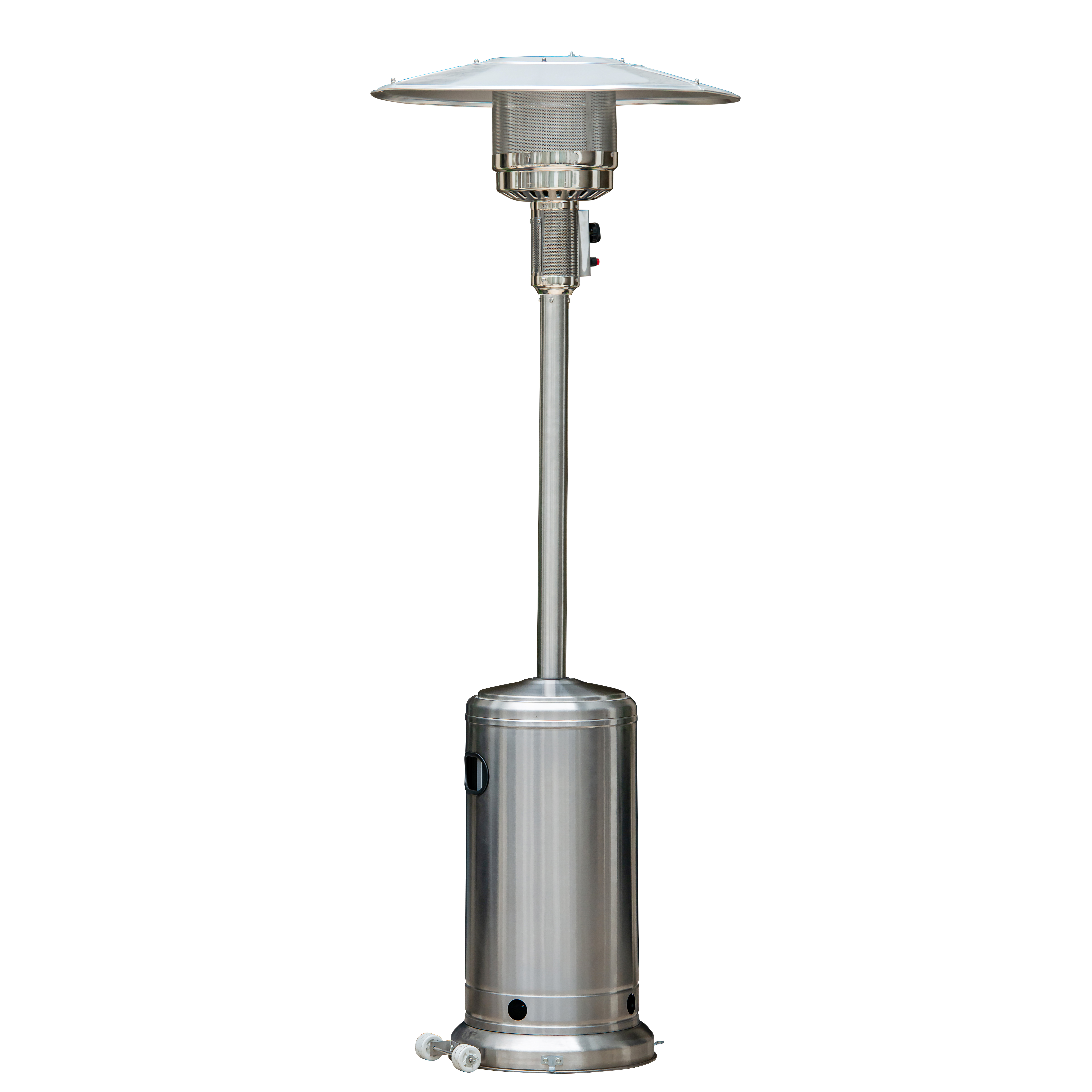
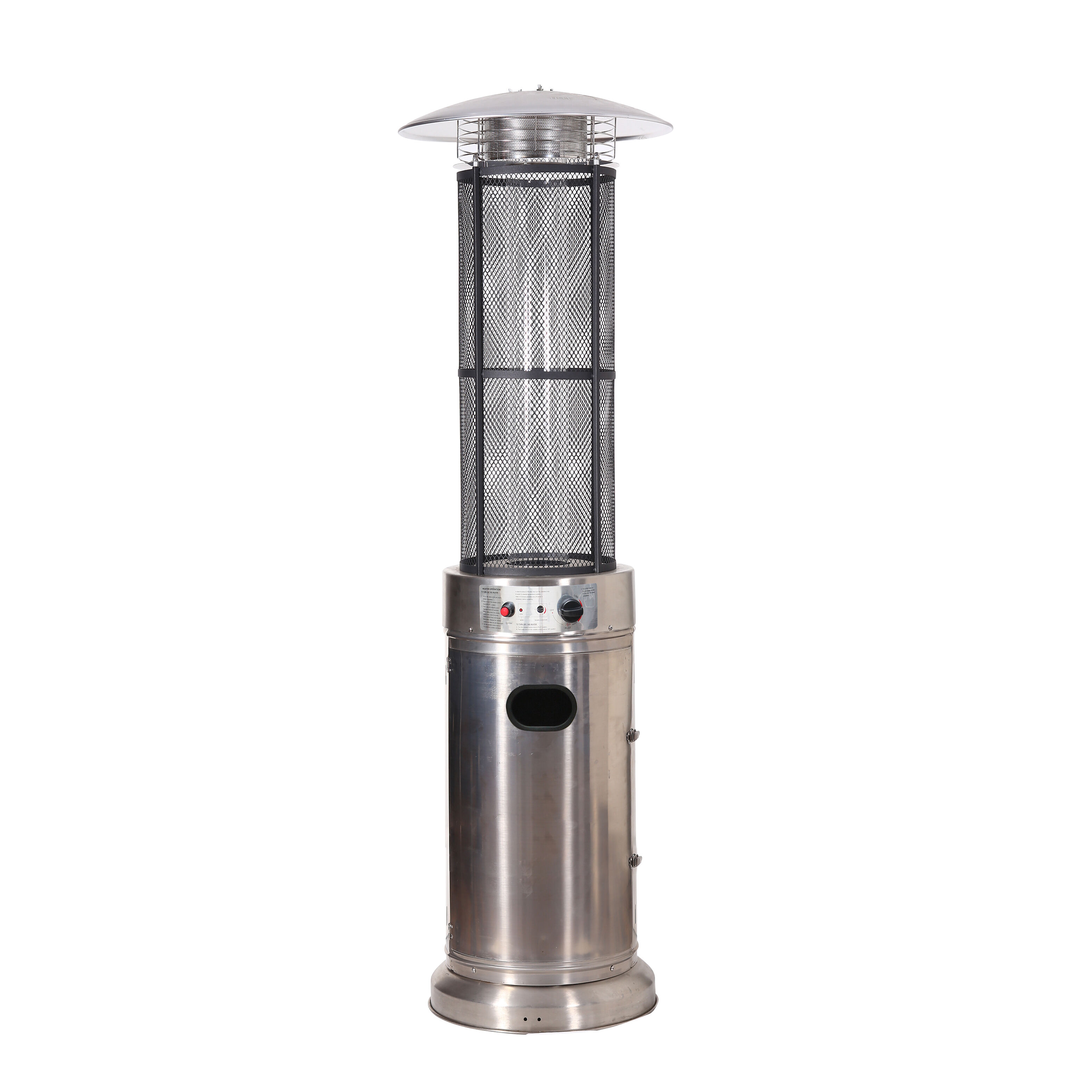
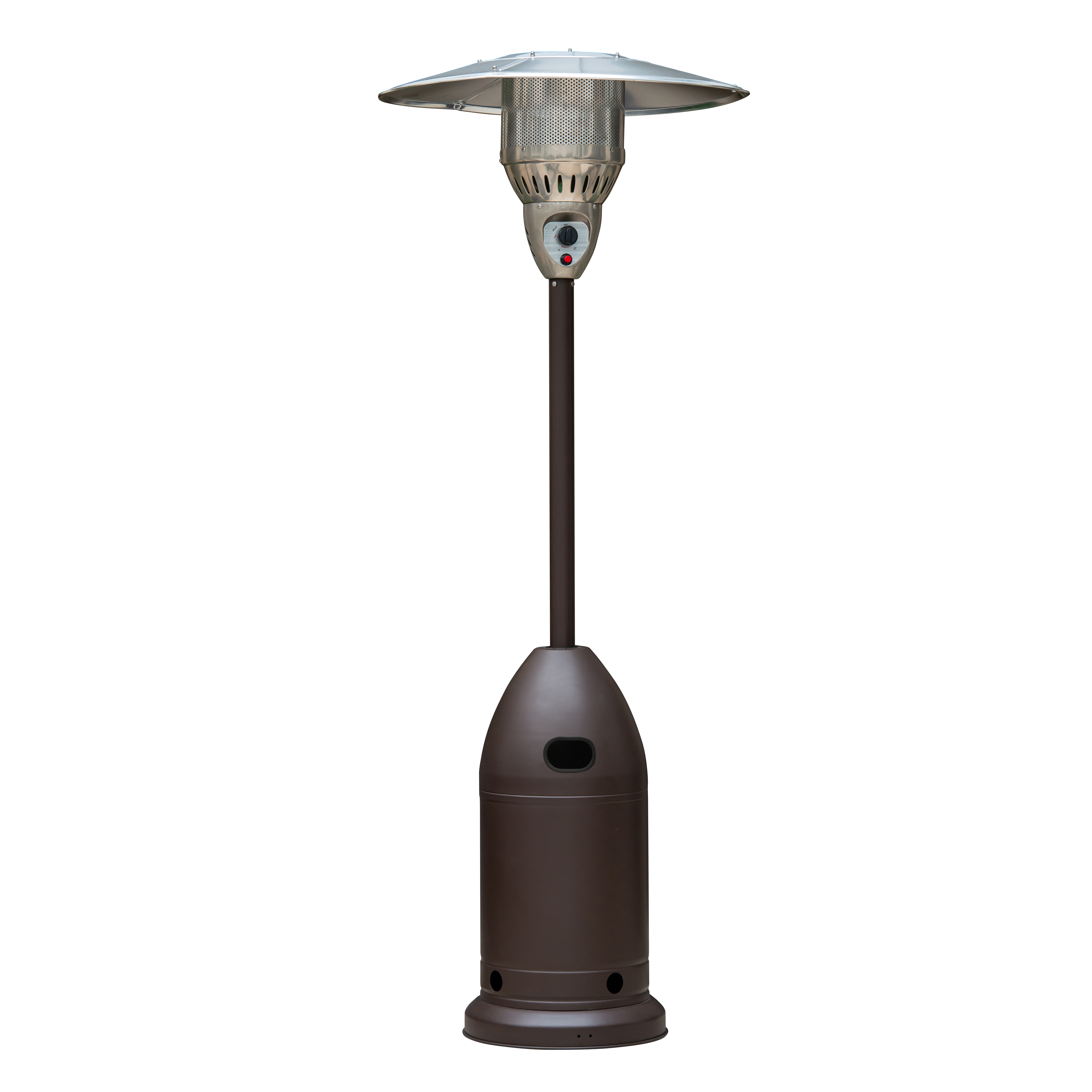
Commercial patio heaters represent a sophisticated heating solution designed specifically for outdoor hospitality venues, restaurants, cafes, and business establishments. These robust heating systems provide reliable warmth distribution across expansive outdoor areas, enabling businesses to extend their operational seasons and maximize revenue potential throughout colder months. Modern commercial patio heaters incorporate advanced infrared heating technology, propane gas systems, or electric elements to deliver consistent temperature control in challenging outdoor environments. The primary function of commercial patio heaters centers on creating comfortable microclimates within designated outdoor spaces, allowing customers to enjoy al fresco dining experiences regardless of weather conditions. These heating units feature weather-resistant construction materials, including stainless steel components and powder-coated finishes, ensuring durability against harsh environmental elements. Advanced ignition systems provide reliable startup mechanisms, while safety features include automatic shut-off valves, tip-over protection, and flame failure devices. Commercial patio heaters typically offer adjustable heat output controls, enabling operators to customize temperature settings based on ambient conditions and customer preferences. Installation flexibility allows for various mounting options, including freestanding units, wall-mounted configurations, and ceiling-suspended models. The technological framework incorporates efficient fuel consumption algorithms, reducing operational costs while maintaining optimal heating performance. Professional-grade commercial patio heaters often include remote control capabilities, programmable timers, and zone-specific heating controls. Applications span diverse commercial sectors, from upscale restaurants and hotels to outdoor event venues, retail establishments, and corporate facilities. These heating systems prove particularly valuable for businesses seeking to expand outdoor capacity, enhance customer comfort, and differentiate their offerings in competitive markets while maintaining energy efficiency standards.

 EN
EN